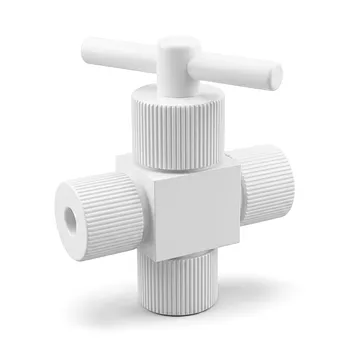
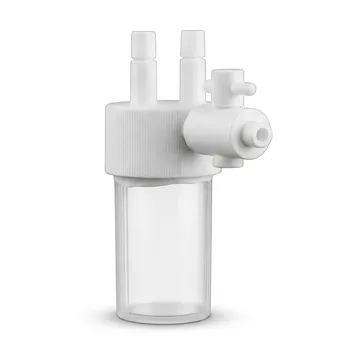
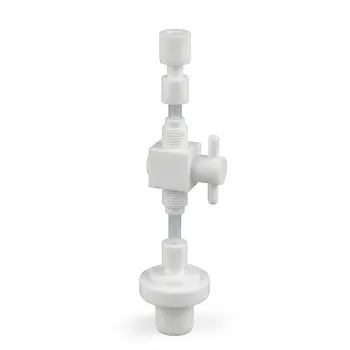
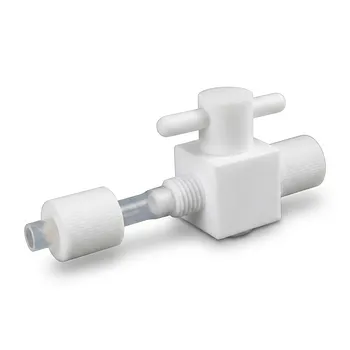
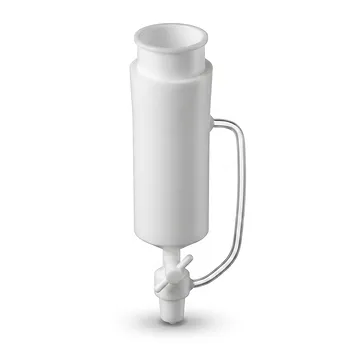
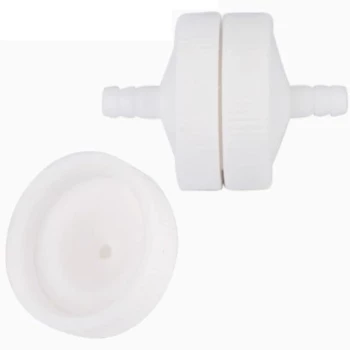
PTFE valves are used in food and beverage processing because they combine FDA-compliant purity with extreme chemical and thermal resilience.
These valves prevent product contamination because the material is chemically inert, non-toxic, and completely taste-neutral. Their unique non-stick surfaces minimize microbial risk and allow the equipment to withstand the aggressive cleaning agents and high temperatures essential for food safety.
Core Takeaway: PTFE is the industry standard for fluid control because it ensures zero product contamination while maintaining seal integrity during the rigorous "Clean-in-Place" (CIP) and "Sterilization-in-Place" (SIP) cycles required in modern food production.
Ensuring Product Purity and Compliance
Regulatory Approval and Safety
Polytetrafluoroethylene (PTFE) is inherently FDA-compliant, making it safe for direct contact with consumables. Its non-toxic nature ensures that no harmful chemicals or synthetic residues leach into the food stream during processing.
Maintaining Flavor Integrity
Because PTFE is taste-neutral and chemically inert, it does not react with ingredients or absorb flavors. This prevents "flavor carryover" between batches, which is critical for facilities that process multiple types of beverages or food products on the same line.
Advanced Hygiene and Microbial Control
The Power of Non-Stick Surfaces
The exceptionally low friction and non-stick properties of PTFE reduce product adhesion within the valve. By preventing food particles from sticking to the valve's internal components, the material significantly lowers the risk of microbial growth and bacterial colonies.
Resistance to Biofilm Formation
A smooth, non-porous surface is harder for bacteria to colonize. PTFE's surface energy is so low that even viscous fluids, like dairy or syrups, can be flushed away easily, ensuring a more hygienic environment than traditional elastomers.
Simplified Cleaning Procedures
The ease of cleaning associated with PTFE reduces the time and water required for sanitation. This leads to improved operational efficiency and less downtime between production runs.
Thermal and Chemical Resilience
Withstanding Aggressive Cleaning Agents
Food processing equipment undergoes frequent Clean-in-Place (CIP) cycles using caustic soda or acidic descalers. PTFE’s high chemical resistance allows it to withstand these aggressive agents without degrading, cracking, or losing its sealing capabilities.
Thermal Stability in Sanitization
Sterilization often requires high-temperature steam (SIP processes) that would melt or warp many other plastics. PTFE maintains its structural integrity and seal across a wide temperature range, ensuring the valve remains leak-proof during both flash-freezing and high-heat sterilization.
Durability and Wear Resistance
Beyond its chemical properties, PTFE is a robust material that resists wear and friction. This durability translates to a longer service life for valve components like seals, gaskets, and bellows, even in high-cycle environments.
Understanding the Trade-offs
The Challenge of "Cold Flow"
The primary limitation of pure PTFE is its tendency to undergo "cold flow" or creep, where the material deforms under a constant heavy load over time. To combat this in valve applications, engineers often use reinforced PTFE (filled with glass or carbon) to improve dimensional stability while maintaining chemical resistance.
Mechanical Strength Limits
While PTFE is excellent for sealing, it is not as structurally rigid as stainless steel. It is typically used as a liner, coating, or sealing element within a metal valve body to provide the necessary mechanical support for high-pressure systems.
How to Apply This to Your Project
Making the Right Choice for Your Goal
- If your primary focus is high-temperature sterilization: Opt for PTFE seals and bellows, as they can sustain repeated use at higher temperatures than most synthetic resins.
- If your primary focus is processing acidic or corrosive ingredients: Ensure the valve has a full PTFE liner to prevent the fluid from ever contacting and corroding the metal valve body.
- If your primary focus is reducing batch changeover time: Prioritize PTFE-coated internal components to leverage non-stick properties that facilitate faster rinsing and cleaning.
By leveraging the unique inertness and thermal stability of PTFE, processing facilities can guarantee both the safety of the consumer and the efficiency of the production line.
Summary Table:
| Key Feature | Benefit for Food & Beverage Processing | Application Context |
|---|---|---|
| FDA Compliance | Non-toxic and taste-neutral; prevents product contamination. | Safe direct contact with consumables. |
| Non-Stick Surface | Minimizes microbial risk and prevents biofilm formation. | Easy cleaning of viscous fluids (syrups/dairy). |
| Chemical Resistance | Withstands caustic soda and acidic descalers without damage. | Rigorous Clean-in-Place (CIP) cycles. |
| Thermal Stability | Maintains seal integrity under high-temperature steam. | Sterilization-in-Place (SIP) processes. |
| Low Friction | Reduces wear and extends the service life of components. | High-cycle valve operations. |
Upgrade Your Processing Purity with KINTEK Fluoropolymer Solutions
Ensure zero contamination and maximum operational efficiency in your food and beverage production with KINTEK. As specialists in high-performance fluoropolymers, we provide everything from everyday basic labware (beakers, flasks, and reagent bottles) to critical fluid transfer components like PTFE valves, fittings, and tubing.
Whether you require standard consumables such as gaskets and O-rings or advanced custom CNC-fabricated parts and complex reaction apparatus, KINTEK delivers the extreme chemical and thermal resilience your facility demands. Our exclusive focus on PTFE and PFA materials ensures that your equipment meets the highest standards of hygiene and durability.
Ready to optimize your production line? Contact us today to discuss your custom laboratory setups or high-volume orders and experience the KINTEK difference!
Related Products
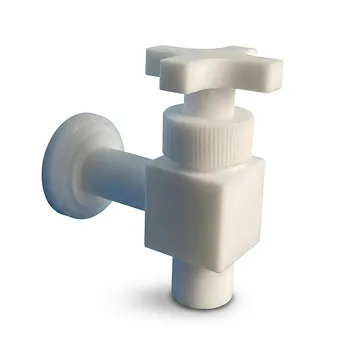
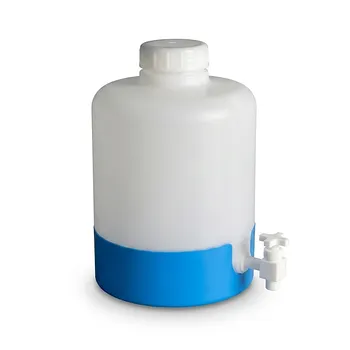
- Corrosion Resistant PTFE Polytetrafluoroethylene Valve and Customizable Laboratory Fluid Dispensing Faucet for Aggressive Chemical Handling in Industrial Storage Tanks and Plastic Drums
- High Corrosion Resistant PTFE Faucet Polytetrafluoroethylene Valve for Chemical Storage Drums and Fluid Transfer Systems Customizable Industrial Grade
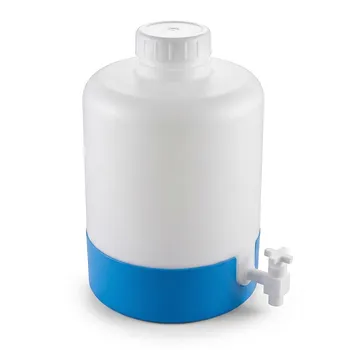
- High Purity PTFE Faucet Corrosion Resistant Polytetrafluoroethylene Drum Valve Customizable Lab Chemical Fluid Control
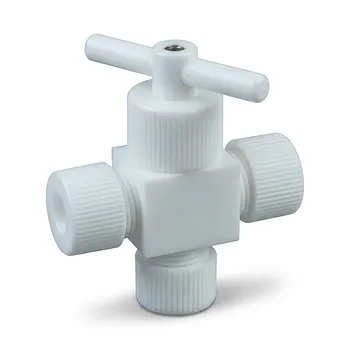
- Custom PTFE Valve 2-Way 3-Way Corrosion Resistant Low Background Virgin Fluoropolymer Industrial Fluid Control
- Corrosion Resistant PTFE Valves Customizable 2 Way 3 Way 4 Way High Temperature Teflon Fluid Control Solutions
People Also Ask
- How do PTFE valves and components support high-purity liquid transfer? Ensure Product Integrity with Inert Materials
- What industries commonly use PTFE valves and components? Essential for Chemical & Purity Applications
- What specific advantages do PTFE valves offer? Unmatched Corrosion Resistance for Industrial Chemical Handling
- What are the key properties of PTFE valves? Ensure Purity, Safety, and Reliability in Demanding Processes
- What is the typical operating temperature and pressure range for PTFE valves? Key Specs for Optimal Performance