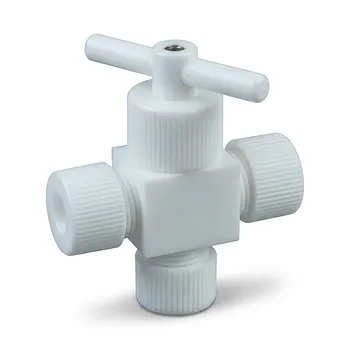
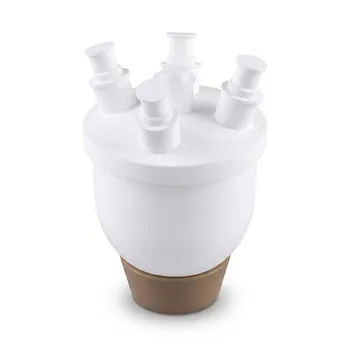
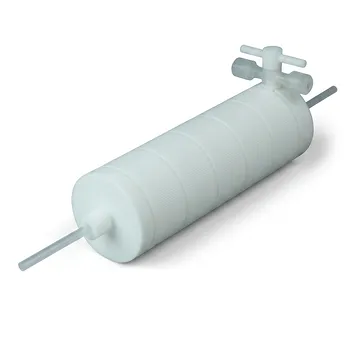
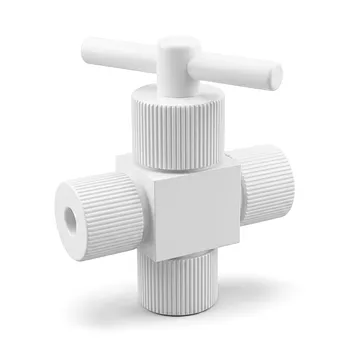
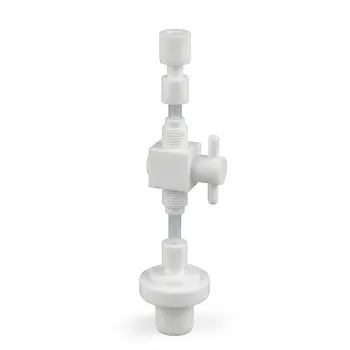
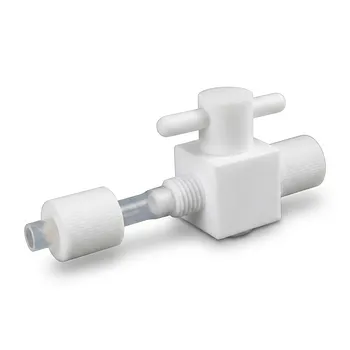
High-precision PTFE valves and fittings are the industry standard for chemical synthesis because they provide an almost entirely inert fluid path that resists nearly all corrosive acids, bases, and solvents. These components ensure the absolute purity of the reaction by eliminating leaching and cross-contamination while providing the mechanical sealing necessary to prevent hazardous leaks. Their integration into fluid transfer systems is a critical safeguard for both experimental accuracy and operational safety.
Core Takeaway: High-precision PTFE components provide a chemically "invisible" and leak-proof interface that protects the integrity of sensitive reagents. By combining universal corrosion resistance with low surface energy, they ensure precise stoichiometry and long-term reliability in complex, automated synthesis environments.
Unmatched Chemical Stability and Material Integrity
Universal Corrosion Resistance
Polytetrafluoroethylene (PTFE) is virtually impervious to chemical attack, allowing it to withstand aggressive media that would destroy stainless steel or other polymers. It remains stable when exposed to strong acids, concentrated bases, and volatile organic solvents, ensuring the fluid path does not degrade over time.
Elimination of Metallic Contamination
Unlike metal fittings, PTFE components eliminate the risk of rust or heavy metal leaching into the fluid stream. This is critical for high-purity applications, such as the synthesis of perovskite precursors or semiconductor-grade chemicals, where trace metal ions can ruin the reaction.
Resistance to Leaching and Adsorption
High-precision PTFE prevents the adsorption losses of active metal salts onto the internal walls of the tubing or valves. This ensures that the exact concentration of reagents intended for the reaction actually reaches the destination, maintaining stoichiometric precision.
Superior Sealing and Fluid Control
Precision Leak Prevention
High-precision manufacturing ensures that PTFE valves and fittings achieve excellent sealing performance even under vacuum or pressure. This prevents the ingress of environmental contaminants like oxygen or moisture, which could quench sensitive catalysts or interfere with anaerobic reactions.
Minimizing Fluid Retention
The extremely low surface energy of PTFE gives it a "non-stick" quality that reduces fluid friction and prevents sample residue from clinging to the internal surfaces. This characteristic is vital for preventing cross-contamination between different batches or reagent cycles in automated systems.
Ensuring Accurate Stoichiometry
Because PTFE minimizes fluid retention and prevents pipeline damage, it guarantees the accuracy of chemical volume transfers. This is particularly important for precision tasks like acid-base titration or automated pipetting, where even microliter losses can lead to experimental failure.
Long-Term Operational Reliability
Anti-Aging and Thermal Stability
PTFE possesses unique anti-aging characteristics that allow it to maintain its physical properties over long durations. This stability ensures that the fluid transfer system remains reliable during continuous, multi-day synthesis processes without the need for frequent component replacement.
Self-Lubricating and Wear-Resistant Properties
The material is naturally self-lubricating, which reduces mechanical wear in moving parts like valve stems. This ensures a long service life for fluid control systems, making it the preferred choice for automated synthesis experiments that require thousands of cycles.
Enhancing Industrial Safety
Utilizing reliable PTFE components serves as a critical safety barrier in industrial plants and laboratories. By preventing unforeseen leaks and mechanical failures in corrosive environments, these fittings protect personnel and help avoid hazardous accidents.
Understanding the Trade-offs
Mechanical Softness and "Cold Flow"
While PTFE is chemically robust, it is mechanically softer than metals and can undergo "cold flow" or creep under sustained high pressure. Users must ensure that fittings are properly torqued and potentially re-checked after thermal cycling to maintain a tight seal.
Temperature and Pressure Limitations
PTFE has a lower pressure rating compared to reinforced metal components, especially at elevated temperatures. It is essential to verify that the operating pressure of the synthesis system does not exceed the mechanical limits of the PTFE grade being used.
Cost Considerations
High-precision PTFE components are generally more expensive than standard plastic fittings like polypropylene. However, this initial investment is usually offset by the reduced cost of downtime, equipment failure, and contaminated reagents.
How to Apply This to Your Project
When selecting components for your fluid transfer system, your choice should be dictated by the specific requirements of your synthesis environment.
- If your primary focus is High-Purity Synthesis: Use high-precision PTFE to eliminate metal ion leaching and ensure zero-contamination of sensitive reagents.
- If your primary focus is Handling Aggressive Chemicals: Prioritize PTFE valves to prevent corrosion-related leaks and ensure the safety of the laboratory environment.
- If your primary focus is Automated Continuous Operation: Leverage the self-lubricating properties of PTFE to maximize the lifespan of your fluid control hardware.
By matching the unique properties of PTFE to your specific chemical challenges, you ensure a stable, safe, and highly reproducible synthesis process.
Summary Table:
| Key Feature | Benefit to Chemical Synthesis | Operational Impact |
|---|---|---|
| Inert Material | Resists aggressive acids, bases, and solvents | Prevents material degradation and leaks |
| Zero Metal Leaching | Eliminates rust and trace metal contamination | Ensures high-purity perovskite/semiconductor results |
| Low Surface Energy | Minimizes fluid retention and reagent adsorption | Guaranteed stoichiometric precision and zero cross-contamination |
| Self-Lubricating | Reduces mechanical wear on moving valve parts | Long-term reliability in automated systems |
| Thermal Stability | Maintains integrity during multi-day reactions | Enhanced safety and reduced downtime |
Elevate Your Lab’s Precision with KINTEK Fluoropolymer Solutions
Maximize the integrity of your chemical synthesis with high-performance components designed for the most demanding environments. KINTEK specializes in an exhaustive range of laboratory supplies crafted exclusively from PTFE and PFA, ensuring your fluid paths remain chemically "invisible" and absolutely secure.
Whether you need:
- Everyday Labware: Beakers, crucibles, reagent bottles, and centrifuge tubes.
- Fluid Transfer Components: High-precision tubing, fittings, valves, and manifold systems.
- Sample Prep Tools: Separatory funnels, filters, pipettes, and tweezers.
- Advanced Reaction Apparatus: Custom electrochemical cells, battery testing fixtures, and microwave digestion vessels.
Backed by end-to-end custom CNC fabrication, we deliver everything from complex, non-standard machined parts to high-volume standard orders with an absolute focus on performance.
Ready to upgrade your fluid transfer system? Contact us today to discuss your custom project or bulk requirements!
References
- Xinyi Li, Dandan Ma. Rational Fabrication of One‐Dimensional TiO <sub>2</sub> Nanowires for Enhanced Supercapacitor and Rechargeable Lithium Ion Battery. DOI: 10.1002/slct.202500115
This article is also based on technical information from Kintek Knowledge Base .
Related Products
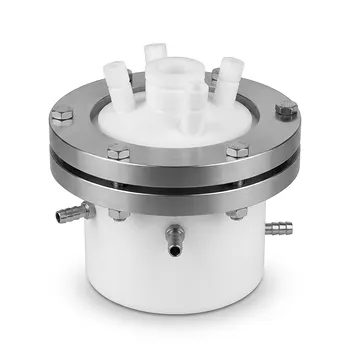
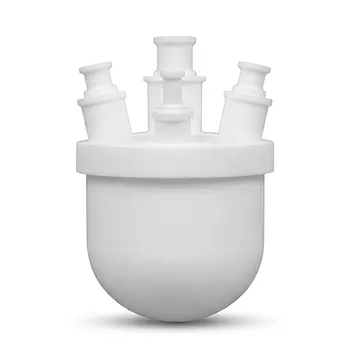
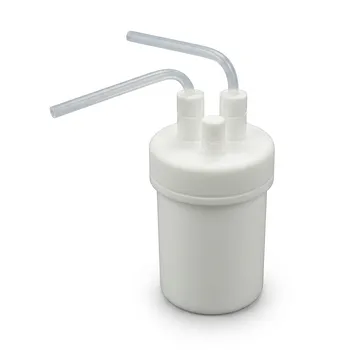
- Custom PTFE Reaction System with Hose Barb Fittings Corrosion Resistant High Sealing 2L 4L Lab Reactor with Separatory Funnel
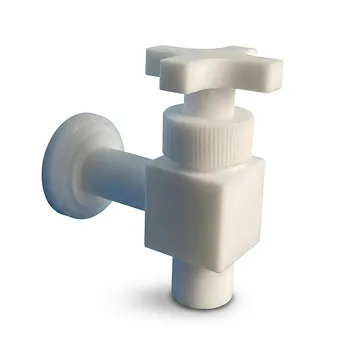
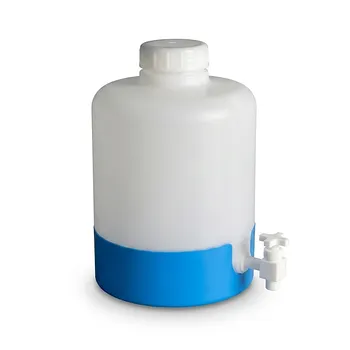
- High Purity PTFE Faucet Corrosion Resistant Polytetrafluoroethylene Drum Valve Customizable Lab Chemical Fluid Control
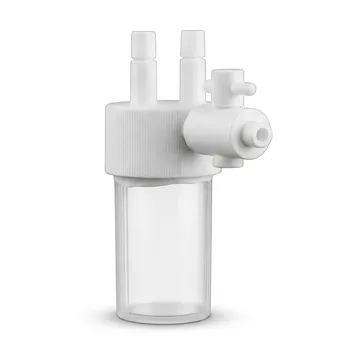
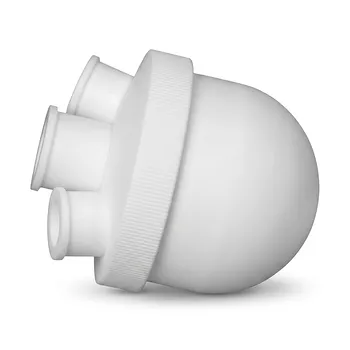
- Custom PTFE Reaction Lid with Integrated Valve and Fitting Corrosion Resistant No Leaching PFA FEP Bottle Cap System
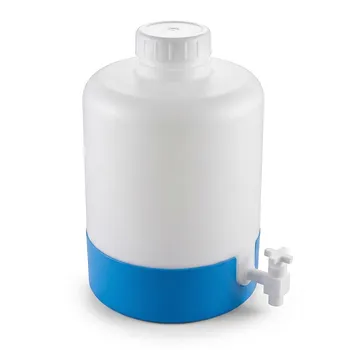
- Corrosion Resistant PTFE Polytetrafluoroethylene Valve and Customizable Laboratory Fluid Dispensing Faucet for Aggressive Chemical Handling in Industrial Storage Tanks and Plastic Drums
- High Corrosion Resistant PTFE Faucet Polytetrafluoroethylene Valve for Chemical Storage Drums and Fluid Transfer Systems Customizable Industrial Grade
People Also Ask
- Why are PP or PTFE reactors preferred over glass in tribocatalysis? Maximize Charge Separation & Catalytic Efficiency
- What are the primary fabrication methods for capillary-based and monolithic PTFE reactors? Expert Production Insights
- What functional advantages do PTFE reactors provide over glass? Achieve Superior Purity and Safety in Synthesis
- How does PTFE's melting behavior affect custom lab apparatus? Key insights for manufacturing.
- What structural characteristics provide PTFE fluoropolymer laboratory apparatus with high thermal stability? Strong C-F bonds, dense fluorine shielding, and rigid helical conformation ensure stability during high-temperature analysis.