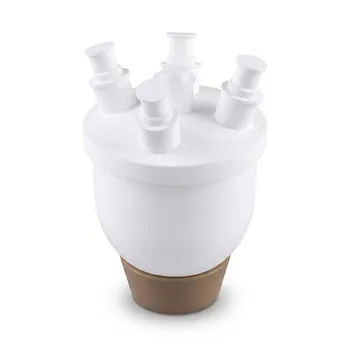
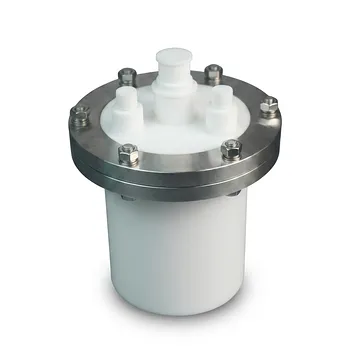
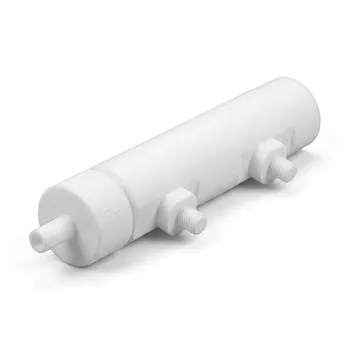
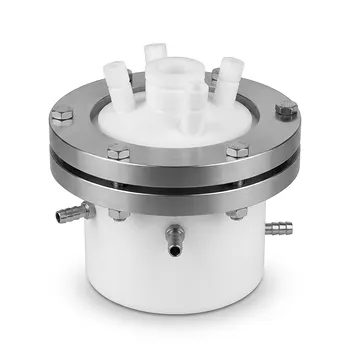
The preference for Polypropylene (PP) and Polytetrafluoroethylene (PTFE) reactors in tribocatalysis stems from their position in the triboelectric series. These polymer materials have a high electron affinity, which creates a significantly larger potential difference when in contact with catalyst particles compared to glass. This increased potential drives superior charge generation and separation, leading to higher catalytic efficiency.
Core Takeaway: In tribocatalysis, the reactor wall is an active participant in the electron transfer process. Using highly electronegative materials like PP or PTFE maximizes the triboelectric effect, providing the necessary energy to drive chemical reactions that glass cannot efficiently support.
The Role of the Triboelectric Series in Catalysis
Maximizing the Potential Difference
The triboelectric series ranks materials based on their tendency to gain or lose electrons. Glass sits relatively high on this series, making it less effective at generating a charge when paired with common catalysts.
In contrast, PP and PTFE are positioned at the lower end of the series. This creates a much wider gap in electronegativity between the vessel and the catalyst particles, facilitating a more vigorous exchange of electrons during friction.
Driving Charge Separation
For a catalytic reaction to occur, electrons and holes must be separated and prevented from recombining. The high electronegativity of PTFE allows the reactor wall to "capture" and accumulate electrons generated by friction.
By temporarily trapping these electrons, the polymer wall reduces recombination rates. This ensures that more reactive species, such as holes and Reactive Oxygen Species (ROS), remain available on the catalyst surface to degrade pollutants or evolve hydrogen.
Interfacial Dynamics and Friction Efficiency
Optimizing the Friction Coefficient
The material of the reaction vessel directly dictates the friction coefficient at the interface where the catalyst, stirring bar, and vessel wall meet. Polymer vessels provide a specific electronegative interface that glass lacks.
Research suggests that pairing a PTFE stirring bar with a PP or PTFE vessel creates an optimal environment for charge exchange. This synergy increases the yield of active radicals, which are the primary drivers for breaking down complex organic dyes or pollutants.
Enhancing Oxidative Performance
The efficiency of tribocatalysis is measured by its ability to produce strong oxidants. Because PTFE is more effective at inducing charge separation, it significantly strengthens the oxidative degradation performance of the system.
This results in a higher concentration of hydroxyl radicals and other active species. In experiments involving the degradation of pharmaceuticals like doxycycline, polymer reactors consistently outperform glass in both speed and completion.
Beyond Physics: Chemical Inertness and Purity
Preventing Contaminant Leaching
While glass is generally stable, it can leach minor impurities or ions in high-purity analysis or when exposed to strong acids and bases. These impurities can interfere with sensitive catalytic mechanism studies.
High-performance fluoropolymers like PTFE and PFA offer superior chemical inertness. They provide a "clean" environment, ensuring that the observed catalytic activity is purely a result of the triboelectric effect rather than external chemical interference.
Resistance to Harsh Environments
Tribocatalysis often involves vigorous stirring and potentially corrosive reagents like NaClO. Polymer reactors are highly resistant to the physical and chemical stresses of these environments.
Unlike glass, which can suffer from surface etching or degradation over time in alkaline conditions, PTFE vessels maintain their surface integrity. This consistency is vital for ensuring reproducible results across multiple experimental cycles.
Understanding the Trade-offs
Thermal Limitations and Visibility
The primary drawback of polymer reactors compared to glass is thermal stability. While PTFE can handle high temperatures, PP has a lower melting point, making it unsuitable for high-heat tribocatalytic processes.
Furthermore, most polymer reactors are opaque or translucent, whereas glass is transparent. This makes it difficult to visually monitor the reaction progress or use light-based sensors without specialized equipment.
Wear and Tear
Because tribocatalysis relies on physical friction, the internal walls of PP and PTFE reactors will eventually experience mechanical wear. While this wear often contributes to the catalytic effect, it means the vessels may need more frequent replacement than a hardened glass vessel to maintain consistent surface properties.
How to Select the Right Reactor for Your Research
Applying This to Your Project
Choosing between PP, PTFE, and glass depends on your specific experimental parameters and the nature of the catalyst being used.
- If your primary focus is maximum degradation speed: Use a PTFE reactor to leverage its high electronegativity and superior charge separation capabilities.
- If your primary focus is cost-effective, routine testing: Use PP vessels, as they provide a significantly better triboelectric response than glass at a lower price point than PTFE.
- If your primary focus is high-purity or acidic/alkaline reactions: Select PTFE or PFA to ensure zero leaching and maintain the integrity of your chemical analysis.
- If your primary focus involves high-temperature monitoring: Stick with borosilicate glass, but be aware that you will likely sacrifice a significant degree of catalytic efficiency.
By matching the electronegativity of your reactor to the needs of your catalyst, you turn the vessel from a passive container into a powerful engine for chemical transformation.
Summary Table:
| Feature | Glass Reactors | Polypropylene (PP) | PTFE / PFA |
|---|---|---|---|
| Triboelectric Position | Positive (High) | Negative (Low) | Very Negative (Lowest) |
| Charge Separation | Low | High | Excellent |
| Catalytic Efficiency | Minimal | Significant | Maximum |
| Chemical Inertness | Good (Leaching possible) | High | Superior (Universal) |
| Transparency | Transparent | Translucent | Opaque / Translucent |
| Heat Resistance | Very High | Limited | High (up to 260°C) |
Elevate Your Tribocatalysis Research with KINTEK
Maximize your experimental yields by switching to high-performance fluoropolymer reactors. KINTEK specializes in manufacturing virtually all imaginable laboratory supplies crafted from PTFE and PFA, specifically designed for environments where electron affinity and chemical purity are critical.
From everyday basic labware like beakers, crucibles, and reagent bottles to advanced reaction apparatus such as standard or custom electrochemical cells and microwave digestion vessels, we provide the high-performance materials your research demands. Our expertise extends to comprehensive fluid transfer components (tubing, valves), sample prep tools (filters, pipettes), and general consumables (stirring bars, O-rings, seal tapes).
Why choose KINTEK?
- Custom Fabrication: Backed by end-to-end custom CNC fabrication for complex, non-standard machined parts.
- High-Purity Focus: Ideal for trace analysis and harsh chemical environments.
- Bespoke Solutions: We deliver everything from high-volume orders to unique, tailor-made laboratory setups.
Don't let your reactor wall limit your catalytic potential. Contact us today to discuss your custom project or volume requirements and experience the KINTEK difference in high-performance fluoropolymers.
References
- Hanggara Sudrajat, Juan Carlos Colmenares. Tribocatalysis: a successful marriage of triboelectricity and heterogeneous catalysis. DOI: 10.1039/d5ta04021c
This article is also based on technical information from Kintek Knowledge Base .
Related Products
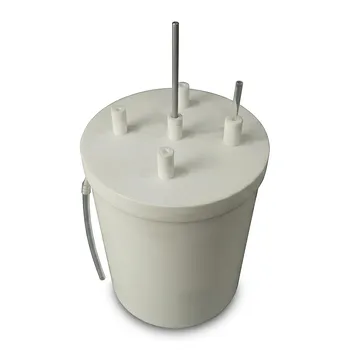
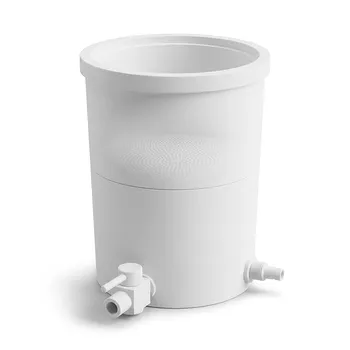
- PTFE 10L Reaction Vessel with Stirring Paddle Customizable Corrosion Resistant High Temperature Reactor for Biopharmaceutical and Chemical Processing
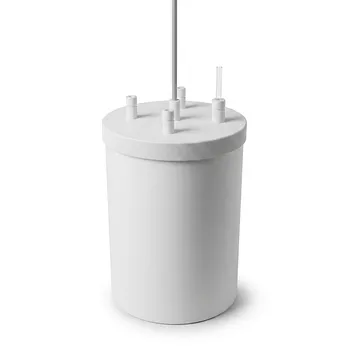
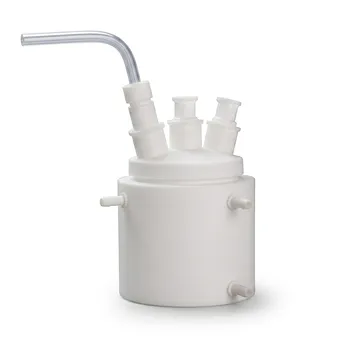
- High Purity PTFE Reaction Vessel Polyfluortetraethylene Cylindrical Tank Petrochemical Reaction Container
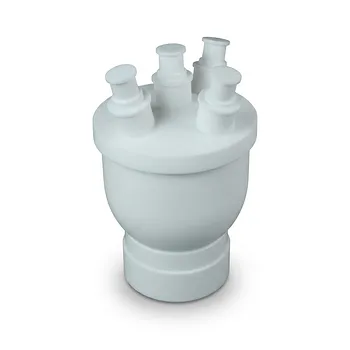
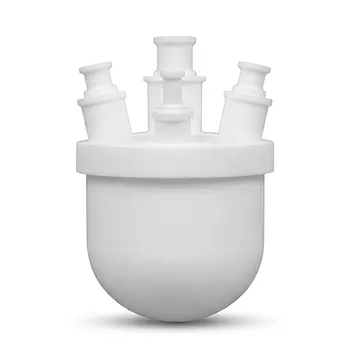
- Customizable Polytetrafluoroethylene PTFE Reactor and Corrosion Resistant Teflon Flask
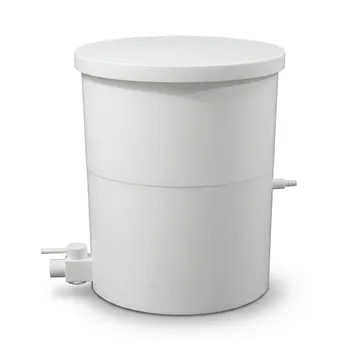
- Large Scale PTFE Double Layer Reaction Tank with Integrated Filter Plate High Purity Polytetrafluoroethylene Chemical Vessel 25L
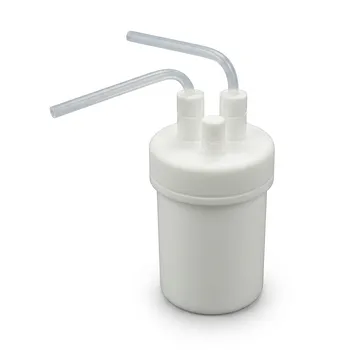
- High Performance Customizable PTFE Reaction Vessel and Corrosion Resistant Polytetrafluoroethylene Flask for Chemical Laboratory Use
People Also Ask
- Why are high-purity PTFE or PFA reaction vessels recommended for the synthesis of PANI-TiC hybrid materials? - Guide
- How do perfluorinated solvent environments influence the selection of reaction vessels and fluid handling components in nonaqueous emulsion polymerizations? Choose fluoropolymer materials.
- What reaction vessel and fluid handling considerations are necessary for living cationic polymerization of fluorinated monomers involving Lewis acid catalysts? Key design and safety tips
- Ion Activation Reaction Vessel Requirements: Why PTFE is Critical for Membrane Performance
- Why are fluoroplastic (PTFE) reaction vessels recommended for Methylene Blue (MB) adsorption kinetic experiments?