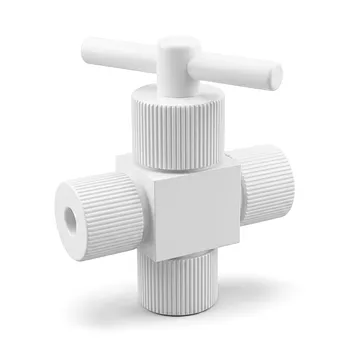
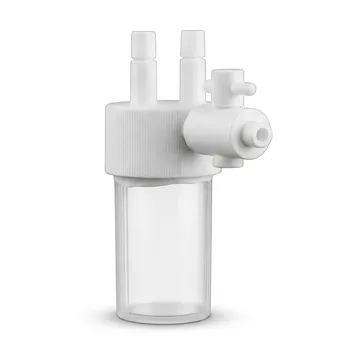
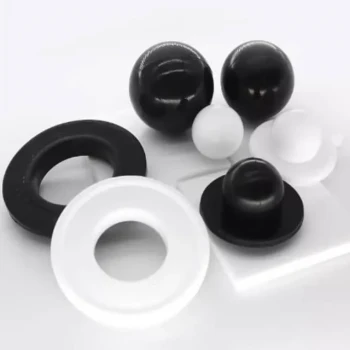
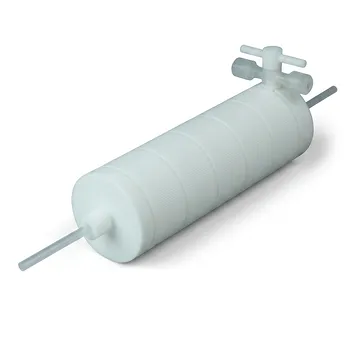
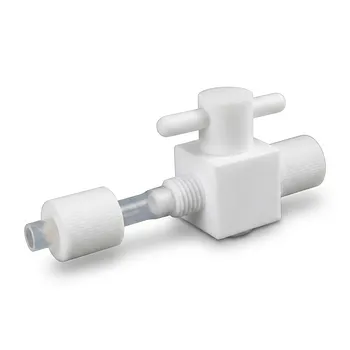
A PTFE diaphragm valve achieves isolation by utilizing a flexible membrane that serves as a permanent physical barrier between the process media and the valve’s mechanical internals. By pressing this PTFE-faced diaphragm onto a weir or body contour, the valve creates a hermetic seal that prevents fluid from ever reaching the bonnet or the stem.
The core advantage of this design is that the diaphragm acts as both the flow control element and the primary seal, effectively eliminating the need for traditional stem packing and protecting the valve's atmosphere from contamination.
The Mechanics of Total Fluid Isolation
The PTFE Membrane as a Static Seal
In a diaphragm valve, the PTFE diaphragm is clamped securely between the valve body and the bonnet. This creates a static seal that ensures the process fluid is entirely contained within the flow path.
Because the diaphragm is flexible, it can deform to meet the valve seat without requiring a sliding seal around the actuator stem. This design prevents any potential leak paths to the external atmosphere or the valve’s internal mechanism.
Linear Motion and Weir Engagement
The valve operates using linear motion generated by a manual handle or an automated actuator. This motion pushes the diaphragm down onto a raised weir or a contoured body floor to stop the flow.
As the diaphragm makes contact with the weir, it forms a leak-tight closure. The fluid remains on one side of the membrane, while the stem and lubrication stay on the other, ensuring zero cross-contamination.
Eliminating the Need for Stem Packing
Traditional valves, such as ball or gate valves, rely on stem packing to prevent leaks where the actuator enters the valve body. Packing is a common failure point that requires regular maintenance and adjustment.
The diaphragm valve removes this vulnerability entirely. Since the diaphragm provides a continuous barrier, there is no mechanical gap for fluid to escape, making it ideal for high-purity or hygienic environments.
The Impact on Process Integrity
Preventing Fluid Entrapment
The smooth, unobstructed flow path of a diaphragm valve prevents fluid entrapment. In many other valve types, small pockets or "dead zones" can trap media, leading to bacterial growth or chemical degradation.
By using a contoured body and a flexible membrane, these valves ensure that the entire volume of fluid is flushed through during operation. This is critical for industries like pharmaceuticals and food processing.
Chemical and Thermal Resilience
PTFE (Polytetrafluoroethylene) is chosen for the diaphragm face because of its exceptional chemical resistance. It can handle aggressive acids, bases, and solvents without degrading or leaching impurities into the process stream.
This material choice ensures that the isolation barrier remains intact even when exposed to harsh industrial environments that would destroy standard elastomers.
Understanding the Trade-offs
Pressure and Temperature Limitations
While PTFE provides excellent isolation, it is a thermoplastic and has lower mechanical strength than metal. This means diaphragm valves are generally limited to lower pressure and temperature ranges compared to globe or gate valves.
Diaphragm Wear and Fatigue
The diaphragm is a wear part that undergoes constant mechanical stress during every cycle. Over time, the repeated flexing can lead to fatigue or cracking, which would eventually compromise the isolation barrier.
Regular inspection schedules are necessary to replace the diaphragm before failure occurs. Fortunately, the design usually allows for maintenance without removing the valve body from the pipeline.
How to Apply This to Your Project
Making the Right Choice for Your Goal
When selecting a diaphragm valve, your choice should be dictated by the specific requirements of your fluid and your maintenance capabilities.
- If your primary focus is Sterile or Hygienic Processing: Prioritize a weir-style diaphragm valve to ensure a self-draining flow path and zero fluid entrapment.
- If your primary focus is Corrosive Chemical Handling: Ensure the diaphragm has a full PTFE face to provide maximum chemical isolation for the valve bonnet.
- If your primary focus is High-Cycle Automation: Implement a pneumatic actuator with a stroke limiter to prevent over-compression and extend the life of the PTFE membrane.
By understanding the physical barrier created by the PTFE membrane, you can ensure your system remains free from leaks and contamination.
Summary Table:
| Feature | Function in Isolation | Key Benefit |
|---|---|---|
| PTFE Membrane | Acts as a flexible, physical barrier between fluid and atmosphere. | Prevents cross-contamination and leaks. |
| Static Clamping | Securely seals the diaphragm between the valve body and bonnet. | Eliminates the need for traditional stem packing. |
| Weir Engagement | Creates a leak-tight closure by pressing onto a raised body contour. | Ensures zero fluid entrapment and easy cleaning. |
| PTFE Material | Resists aggressive chemicals, acids, and high-purity solvents. | Maintains barrier integrity in harsh environments. |
Precision Fluoropolymer Solutions for Your Most Demanding Processes
Maintaining absolute process integrity requires more than just a valve; it requires high-performance materials and expert engineering. KINTEK specializes in manufacturing an exhaustive range of laboratory supplies and fluid transfer components crafted exclusively from high-performance PTFE and PFA.
Whether you need standard labware—like beakers, reagent bottles, and centrifuge tubes—or complex fluid components such as tubing, fittings, and custom-machined diaphragm valve parts, our end-to-end CNC fabrication capabilities deliver exactly what your project demands. From high-volume consumables (O-rings, gaskets, and stirring bars) to advanced reaction apparatus (hydrothermal liners and electrochemical cells), we ensure your system remains leak-free and contamination-resistant.
Ready to elevate your lab's performance? Contact our experts today to discuss your custom fluoropolymer requirements and experience the KINTEK difference in high-purity fluid handling.
Related Products
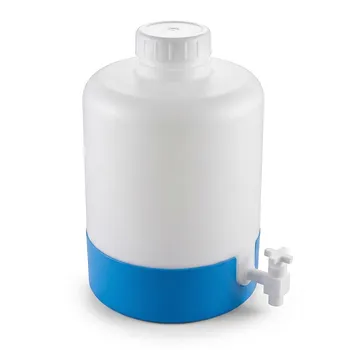
- High Corrosion Resistant PTFE Faucet Polytetrafluoroethylene Valve for Chemical Storage Drums and Fluid Transfer Systems Customizable Industrial Grade
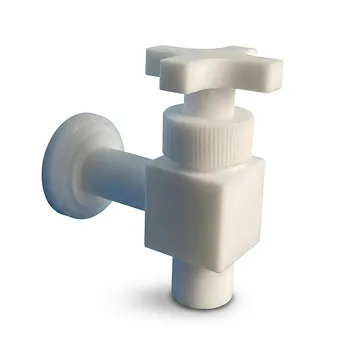
- High Purity PTFE Faucet Corrosion Resistant Polytetrafluoroethylene Drum Valve Customizable Lab Chemical Fluid Control
- Corrosion Resistant PTFE Polytetrafluoroethylene Valve and Customizable Laboratory Fluid Dispensing Faucet for Aggressive Chemical Handling in Industrial Storage Tanks and Plastic Drums
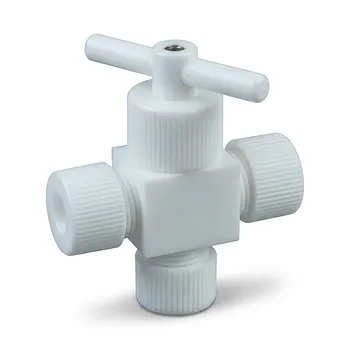
- Custom PTFE Valve 2-Way 3-Way Corrosion Resistant Low Background Virgin Fluoropolymer Industrial Fluid Control
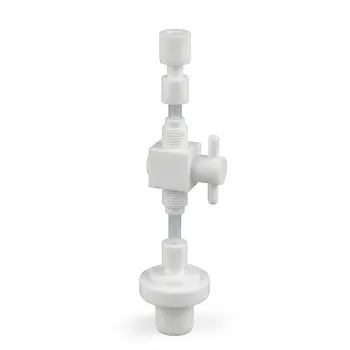
- High Purity PFA PTFE Flare Stop Valves Customizable 2-Way 3-Way Reducing Fluoropolymer Fluid Control Solutions
People Also Ask
- What is the typical operating temperature and pressure range for PTFE valves? Key Specs for Optimal Performance
- What industries commonly use PTFE valves and components? Essential for Chemical & Purity Applications
- What specific advantages do PTFE valves offer? Unmatched Corrosion Resistance for Industrial Chemical Handling
- How do PTFE valves and components support high-purity liquid transfer? Ensure Product Integrity with Inert Materials
- What are the key properties of PTFE valves? Ensure Purity, Safety, and Reliability in Demanding Processes