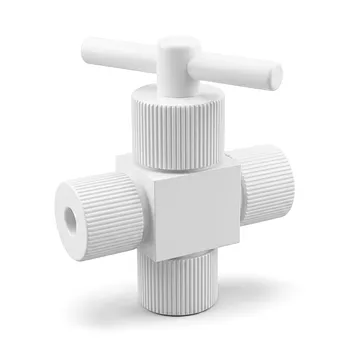
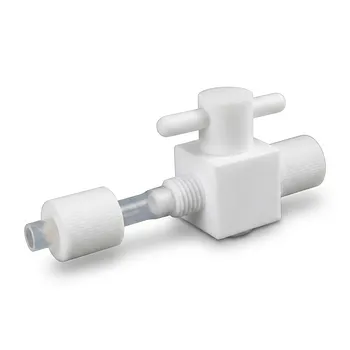
PTFE-lined plug valves are the superior choice for handling viscous media and slurries because their non-stick, self-lubricating surfaces prevent the internal plug from "freezing" or sticking, even after long periods of inactivity. The tapered geometry of the plug allows for adjustable compression to maintain a bubble-tight shutoff, while the chemically inert lining ensures that thick or reactive media do not accumulate or corrode the valve internals.
Core Takeaway: By combining the mechanical strength of a metal body with the low-friction, non-reactive properties of PTFE, these valves eliminate the common failure points associated with "stiction" and media buildup in slurry applications.
Overcoming Mechanical Resistance in Thick Media
Elimination of "Stiction"
Viscous fluids often act as adhesives, causing standard valves to seize when left in one position. The self-lubricating nature of PTFE ensures a low coefficient of friction, allowing the plug to rotate 90 degrees with minimal torque even after extended closure.
Tapered Geometry for Superior Sealing
The plug features a tapered design that fits precisely into the lined body. This geometry allows operators to adjust compression, ensuring a tight shutoff that can effectively displace or "wipe" viscous film from the sealing surfaces during rotation.
Minimizing Media Accumulation
The non-reactive, smooth surface of the PTFE lining prevents slurries from "scaling" or building up on the valve walls. By minimizing accumulation, the valve maintains a consistent flow path and prevents the internal blockages that typically plague metallic valves in slurry service.
Structural and Chemical Integrity
High-Pressure and Impact Resistance
While all-plastic valves may fail under the high pressures required to move viscous media, these valves use a robust metal outer body. This provides the necessary mechanical strength to handle impact and high-pressure surges while the PTFE lining protects the metal from the media.
Exceptional Chemical Inertia
Slurries in the chemical processing industry are often aggressive or acidic. PTFE is virtually inert, providing a barrier that prevents corrosion and chemical attack, which significantly extends the operational lifespan of the equipment.
Thermal Stability
These valves are designed to remain functional across a wide range of temperatures, often up to 250 degrees Celsius. This versatility is critical for viscous media that may need to be transported at high temperatures to maintain a lower, more manageable viscosity.
Understanding the Trade-offs
Abrasive Wear in High-Solid Slurries
While PTFE is excellent for chemical resistance, it is a relatively soft material. In slurries with highly abrasive or sharp solids, the lining may experience accelerated wear compared to hardened metal alloys or ceramic-lined valves.
Temperature-Pressure Limitations
The performance of PTFE is dependent on the relationship between temperature and pressure. As temperatures approach the 250°C limit, the maximum allowable pressure typically decreases, requiring careful engineering oversight to avoid lining deformation or "cold flow."
How to Apply This to Your Project
Making the Right Choice for Your Goal
To determine if a PTFE-lined plug valve is the correct solution for your specific application, consider the following objectives:
- If your primary focus is preventing valve seizure: Prioritize the self-lubricating PTFE plug to ensure the valve remains operable after long periods of being closed.
- If your primary focus is handling aggressive chemicals: Utilize the PTFE lining's inert properties to eliminate the risk of internal corrosion from acids or solvents.
- If your primary focus is flow efficiency: Choose a design with a full-bore through-hole to minimize pressure drop and allow for the high flow rates required for thick slurries.
- If your primary focus is long-term cost reduction: Invest in the metal-backed PTFE design to reduce maintenance frequency and downtime caused by leaks or sticking.
By matching the unique non-stick and chemical-resistant properties of PTFE with the mechanical reliability of a plug design, you can ensure a stable and low-maintenance flow control system for the most challenging industrial media.
Summary Table:
| Feature | Operational Advantage | Impact on Efficiency |
|---|---|---|
| Self-Lubricating PTFE | Eliminates "stiction" and valve seizing | Minimal torque required even after long inactivity |
| Tapered Plug Design | Adjustable compression and sealing | Ensures bubble-tight shutoff and wipes away film |
| Chemical Inertia | Resistance to aggressive acids and slurries | Prevents internal corrosion and extends service life |
| Metal Outer Body | High mechanical and impact strength | Handles high-pressure surges without deformation |
| Smooth Non-Stick Wall | Minimizes media accumulation and scaling | Maintains a consistent flow path and prevents blockages |
Optimize Your Fluid Handling with KINTEK’s Fluoropolymer Expertise
Facing challenges with valve seizure or corrosive media? KINTEK provides the ultimate solution with our exclusive focus on high-performance fluoropolymer materials. From everyday basic labware like beakers, crucibles, and centrifuge tubes to comprehensive fluid transfer components including PTFE and PFA tubing, fittings, and valves, we ensure your operations remain seamless.
Whether you need sample prep tools, high-purity trace analysis instruments, or advanced custom-machined parts via end-to-end CNC fabrication, KINTEK delivers precision-engineered laboratory supplies tailored to your exact specifications. From standard reaction apparatus to bespoke electrochemical cells and microwave digestion vessels, we support your most demanding projects with absolute durability.
Ready to upgrade your laboratory setup? Contact us today to discuss your custom requirements and high-volume needs!
Related Products
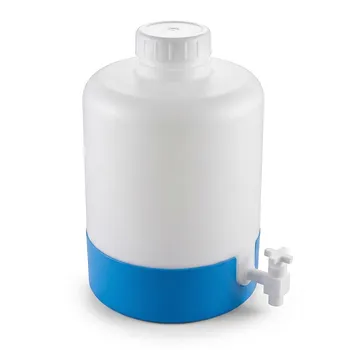
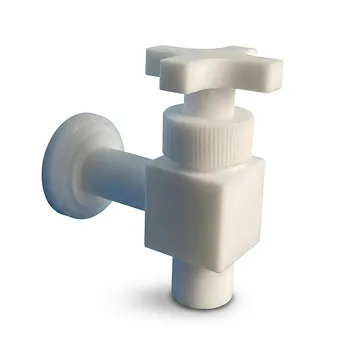
- High Purity PTFE Faucet Corrosion Resistant Polytetrafluoroethylene Drum Valve Customizable Lab Chemical Fluid Control
- High Corrosion Resistant PTFE Faucet Polytetrafluoroethylene Valve for Chemical Storage Drums and Fluid Transfer Systems Customizable Industrial Grade
- Corrosion Resistant PTFE Polytetrafluoroethylene Valve and Customizable Laboratory Fluid Dispensing Faucet for Aggressive Chemical Handling in Industrial Storage Tanks and Plastic Drums
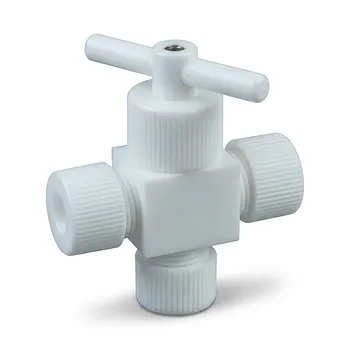
- Custom PTFE Valve 2-Way 3-Way Corrosion Resistant Low Background Virgin Fluoropolymer Industrial Fluid Control
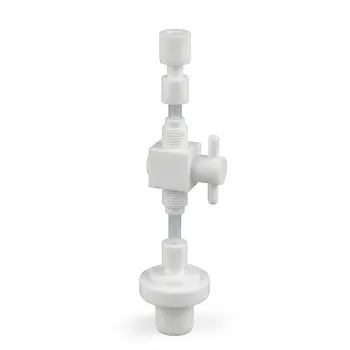
- High Purity PFA PTFE Flare Stop Valves Customizable 2-Way 3-Way Reducing Fluoropolymer Fluid Control Solutions
People Also Ask
- What are the key properties of PTFE valves? Ensure Purity, Safety, and Reliability in Demanding Processes
- What is the typical operating temperature and pressure range for PTFE valves? Key Specs for Optimal Performance
- What industries commonly use PTFE valves and components? Essential for Chemical & Purity Applications
- What specific advantages do PTFE valves offer? Unmatched Corrosion Resistance for Industrial Chemical Handling
- How do PTFE valves and components support high-purity liquid transfer? Ensure Product Integrity with Inert Materials