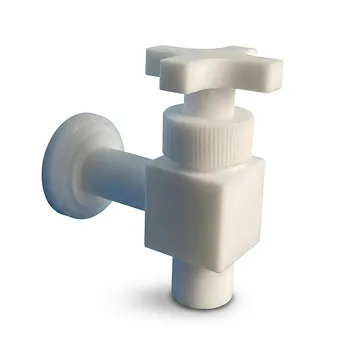
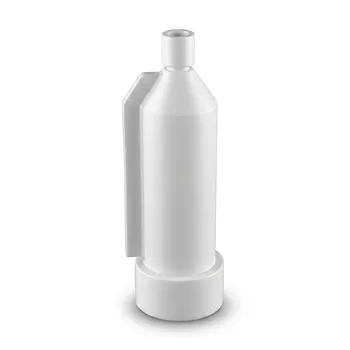
PTFE’s dominance in high-performance valve technology stems from its unique combination of chemical inertness, extreme thermal range, and the lowest coefficient of friction among solid materials.
PTFE (Polytetrafluoroethylene) provides a carbon-fluorine backbone that resists virtually all industrial chemicals while maintaining a non-stick surface. These properties ensure that valve components—such as seats, balls, and seals—operate reliably without sticking or corroding in the most aggressive environments.
Core Takeaway: PTFE is the industry standard for high-performance valves because it eliminates common failure points like chemical corrosion and mechanical seizing, operating effectively across a vast temperature range where traditional elastomers and metals fail.
The Role of Chemical Inertness and Stability
Resistance to Aggressive Media
PTFE is a fully fluorinated thermoplastic, meaning it is chemically inert to almost all acids, bases, solvents, and oxidizers. This allows valves to handle corrosive fluids that would otherwise degrade metal or standard plastic components.
Maintaining System Purity
Because PTFE is hydrophobic and non-reactive, it does not contaminate the media flowing through the valve. This makes it ideal for sanitary processes, etching, and high-purity laboratory environments.
Machinability and Complex Geometry
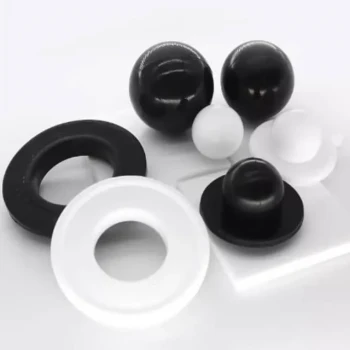
Despite its stability, PTFE can be easily machined into intricate designs. This allows for the production of custom valve balls, rods, and seats that meet specific engineering tolerances.
Mechanical Advantages for Dynamic Valve Components
Minimizing Torque and Wear
With a coefficient of friction as low as 0.05 to 0.10 against steel, PTFE significantly reduces the torque required to actuate a valve. This low-friction profile minimizes wear on moving parts and extends the overall service life of the valve assembly.
Non-Stick and Anti-Adhesive Surface
The non-stick nature of PTFE prevents material buildup on valve seats and balls. This ensures a consistent seal over time and makes the components significantly easier to clean during maintenance cycles.
Fatigue and UV Resistance
PTFE resists fatigue and degradation from ultraviolet (UV) rays. This durability ensures that valves located in outdoor or high-stress environments maintain their structural integrity without becoming brittle.
Operational Resilience in Extreme Conditions
Broad Temperature Operating Windows
PTFE maintains its form and function in temperatures ranging from -250°F to over 500°F (-260°C to +260°C). This stability allows for use in cryogenic applications as well as high-heat industrial processes.
Dielectric and Electrical Insulation
The material provides high electrical insulation, which is critical for valves used in sensitive electronic or semiconductor manufacturing systems. It prevents electrical discharge or interference within the fluid path.
Understanding the Trade-offs
Cold Flow and Deformation
While PTFE is highly stable, it is susceptible to "cold flow" or creep, where the material slowly deforms under a constant heavy load. In high-pressure valve applications, this may require the use of reinforced PTFE (filled with glass or carbon) to maintain dimensional stability.
Thermal Expansion Disparity
PTFE has a higher rate of thermal expansion than the metal housings it often sits within. Engineers must account for these dimensional changes during temperature swings to prevent leakage or mechanical binding.
Pressure Limitations
Unfilled PTFE may not be suitable for extremely high-pressure throttling applications. In these scenarios, the material can be prone to erosion or "wiredrawing" if the fluid velocity is excessively high.
How to Apply PTFE to Your Valve Project
Selecting the Right Grade
- If your primary focus is Chemical Resistance: Utilize virgin PTFE to ensure maximum inertness and prevent contamination in sensitive processes.
- If your primary focus is Mechanical Longevity: Opt for reinforced or "filled" PTFE (such as glass-filled) to reduce cold flow and increase wear resistance in high-cycle valves.
- If your primary focus is Low Actuation Torque: Ensure the contact surfaces are polished PTFE to leverage its minimum coefficient of friction for easier automation.
By leveraging the unique molecular stability of PTFE, you can design valve systems that are virtually immune to the corrosive and mechanical stresses of modern industry.
Summary Table:
| Property | Benefit for Valve Performance | Key Application Note |
|---|---|---|
| Chemical Inertness | Prevents corrosion and media contamination | Ideal for acids, bases, and solvents |
| Low Friction | Reduces actuation torque and mechanical wear | Extends service life of moving parts |
| Thermal Range | Stable from -260°C to +260°C | Suitable for cryogenic and high-heat use |
| Non-Stick Surface | Prevents material buildup and clogging | Simplifies cleaning and maintenance |
| Machinability | High precision for complex geometries | Allows for custom seats, balls, and rods |
Elevate Your Lab Systems with KINTEK’s Precision PTFE Solutions
Don’t let material failure compromise your fluid control. KINTEK manufactures virtually all imaginable laboratory supplies crafted from high-performance PTFE and PFA.
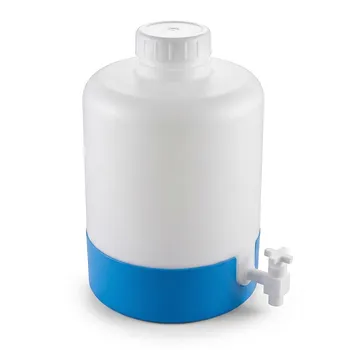
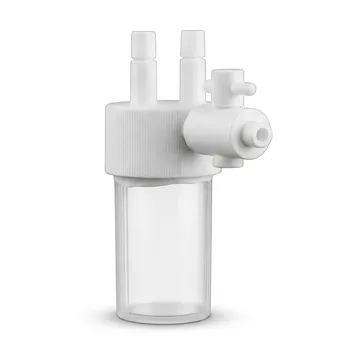
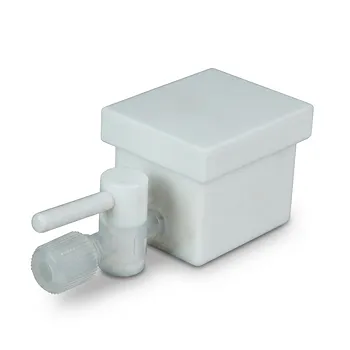
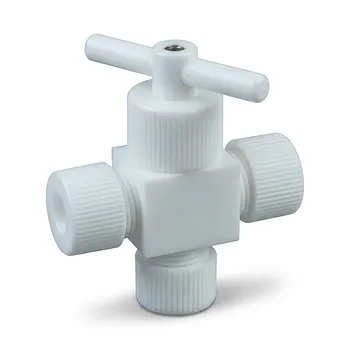
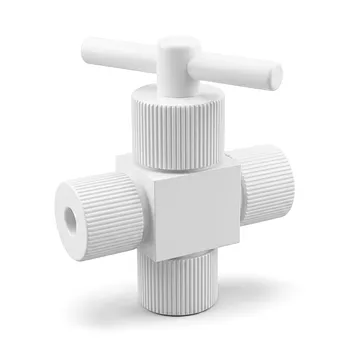
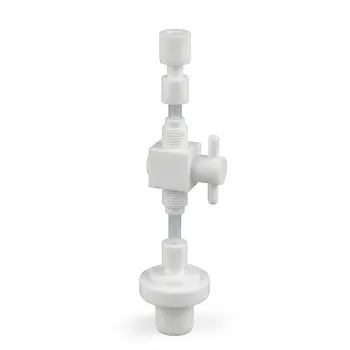
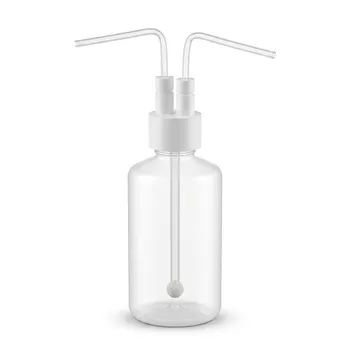
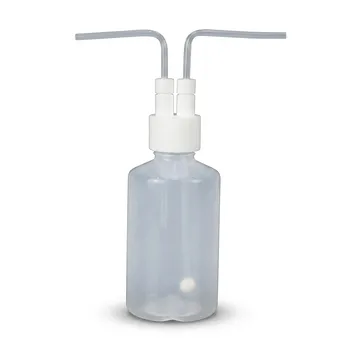
Whether you need everyday basic labware (beakers, cylinders, reagent bottles), comprehensive fluid transfer components (tubing, fittings, valves), or advanced reaction apparatus like custom electrochemical cells and microwave digestion vessels, we deliver. Backed by end-to-end custom CNC fabrication, we provide everything from complex non-standard machined parts to high-volume orders with an exclusive focus on fluoropolymer performance.
Contact our experts today to discuss your bespoke laboratory setup!
Related Products
- Custom PTFE Insulating Gaskets and Corrosion Resistant Fluoropolymer Seals for Industrial Electrical Applications
- Customizable PTFE Seals Filter Holders for Versatile Applications
- Custom PTFE Insulating Gaskets Corrosion Resistant Teflon Seals Tailored Engineering Plastic Components
- Custom PTFE Sealing Caps and Corrosion Resistant Low Background Teflon Adapters
- Customizable High Temperature Resistant Anti Static PTFE Insulating Gaskets Flame Retardant Corrosion Proof Industrial Seals
People Also Ask
- What are the three primary types of PTFE available for gaskets and seals? Choose the Right Material for Your Application
- Why is PTFE an ideal material choice for sealing gaskets, valves, and fluid transfer tubing exposed to extremely aggressive chemicals? Discover Its Superior Chemical Resistance and Reliability
- How is PTFE utilized in seals and gaskets? Leverage Its Chemical & Temperature Resistance
- What are the key properties of PTFE that make it suitable for seals and gaskets? Unlock Superior Sealing Performance
- How are custom PTFE parts used in the automotive sector? Enhance Vehicle Performance & Durability