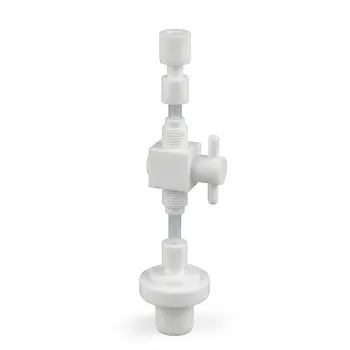
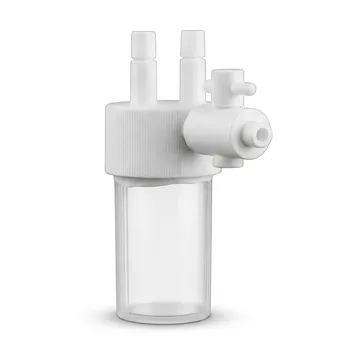
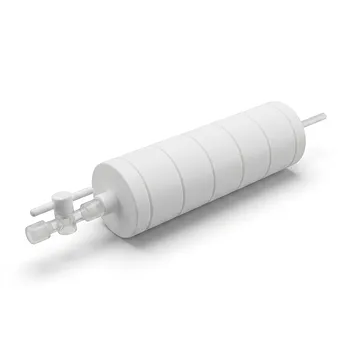
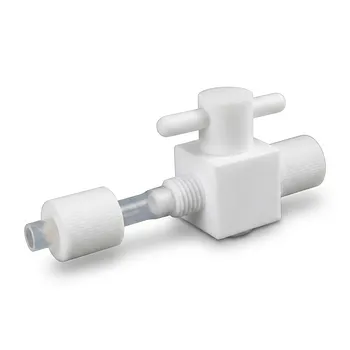
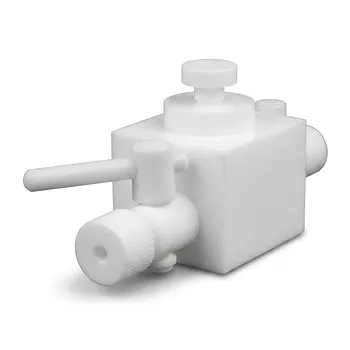
PTFE (Polytetrafluoroethylene) valves are most effective in heavy industrial applications characterized by extreme chemical corrosion and abrasive materials, specifically within the pulp and paper and mining sectors. In pulp and paper production, these valves are essential for handling aggressive bleaching agents like chlorine dioxide, while in mining, they manage acidic slurries and leaching solutions such as sulfuric acid.
PTFE-lined valves provide a chemically inert barrier that protects a valve's metal housing from oxidative attack and abrasion. They serve as a highly durable and cost-effective alternative to expensive high-grade alloys in environments where fluid purity and equipment longevity are critical.
Pulp and Paper Production: Managing Corrosive Bleaching
Resistance to Oxidative Attack
The pulp and paper industry relies heavily on oxidizing bleaching chemicals such as chlorine dioxide and hydrogen peroxide to process wood fibers. PTFE valves are uniquely suited for these environments because the material is virtually non-reactive, preventing the chemical degradation that would typically destroy standard metal valves.
Durability in Chemical Processing
By using PTFE-lined components, facilities can maintain consistent flow control without the risk of metal contamination in the pulp. These valves ensure that the structural integrity of the piping system remains intact even during continuous exposure to high-concentration bleaches.
Mining and Metallurgy: Handling Harsh Slurries
Managing Acidic Leaching Solutions
In mining operations, metals are often extracted using acidic leaching solutions like sulfuric acid and cyanide. PTFE valves are the primary choice for regulating these flows because they can withstand the extreme acidity that would lead to rapid pitting and failure in stainless steel or carbon steel alternatives.
Protection Against Abrasive Media
Mining fluids are frequently slurries containing suspended solids, which can be highly abrasive to internal valve components. The PTFE liner acts as a protective shield for the underlying metal substrate, absorbing the impact of abrasive particles and extending the operational lifespan of the equipment.
Broader Industrial Utility and Versatility
Economic Alternative to Exotic Alloys
For many heavy industrial applications, PTFE-lined valves offer a more economical solution compared to valves made entirely of high-grade alloys. They provide the necessary chemical resistance at a fraction of the material cost, making them a preferred choice for large-scale operations in petrochemical and fertilizer plants.
Maintaining High-Purity Standards
In high-value industries like pharmaceuticals and semiconductor manufacturing, PTFE valves are valued for their non-leaching properties. They ensure that sensitive formulations or high-purity liquids are transferred without the introduction of impurities or metallic ions, which is critical for maintaining product quality.
Understanding the Trade-offs
Temperature and Pressure Limitations
While PTFE is highly resistant to chemicals, it is a polymer and has lower mechanical strength than metal. In applications involving extreme temperatures or very high pressures, the PTFE liner may be subject to "cold flow" or deformation, potentially leading to seal failure.
Vacuum and Mechanical Stress
PTFE-lined valves can face challenges in high-vacuum environments, where the liner may pull away from the metal housing if not properly bonded. Additionally, they are not always suitable for applications with extremely high-velocity solids, which can eventually tear the liner despite its inherent durability.
How to Apply This to Your Project
Selecting the right valve depends on the specific chemical and mechanical demands of your industrial environment.
- If your primary focus is corrosion resistance in bleaching or leaching: Prioritize PTFE-lined ball or butterfly valves to protect your infrastructure from aggressive oxidative chemicals.
- If your primary focus is cost-efficiency over exotic metals: Utilize PTFE-coated or lined valves as a high-performance substitute for expensive nickel-based alloys in corrosive service.
- If your primary focus is maintaining fluid purity: Deploy PTFE valves in high-purity transfer lines to eliminate the risk of metallic contamination in your final product.
By matching the chemical inertness of PTFE to your specific corrosive challenges, you can significantly reduce maintenance downtime and ensure long-term system reliability.
Summary Table:
| Industry | Key Application | Primary Benefit of PTFE |
|---|---|---|
| Pulp & Paper | Bleaching (Chlorine Dioxide) | Resists oxidative attack & prevents contamination |
| Mining | Acid Leaching (Sulfuric Acid) | Extreme chemical inertness against harsh acids |
| Metallurgy | Slurry Handling | Protects valve housing from abrasive particulates |
| Semiconductor | High-Purity Fluid Transfer | Non-leaching properties maintain liquid integrity |
| Chemical | Petrochemical/Fertilizer | Economical alternative to expensive high-grade alloys |
Optimize Your Industrial Performance with KINTEK
Ensure long-term reliability in your most corrosive environments with high-performance fluoropolymer solutions from KINTEK. From everyday basic labware (beakers, measuring cylinders, and reagent bottles) to complex fluid transfer components including PTFE and PFA valves, tubing, and fittings, we provide the chemical inertness your project demands.
Whether you need standard sample prep tools (filters, pipettes, spatulas) or advanced reaction apparatus like custom electrochemical cells and microwave digestion vessels, KINTEK is your ultimate partner. Our end-to-end custom CNC fabrication allows us to deliver everything from high-volume consumables to bespoke, non-standard machined parts tailored to your exact specifications.
Ready to upgrade your system with precision-engineered fluoropolymers?
Contact KINTEK today for a custom quote!
Related Products
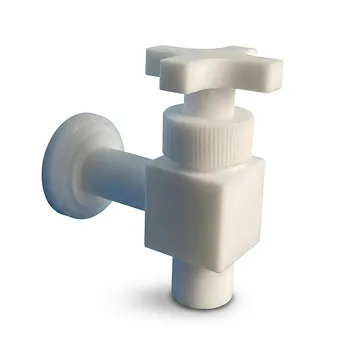
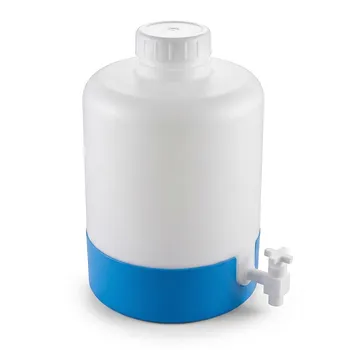
- High Corrosion Resistant PTFE Faucet Polytetrafluoroethylene Valve for Chemical Storage Drums and Fluid Transfer Systems Customizable Industrial Grade
- Corrosion Resistant PTFE Polytetrafluoroethylene Valve and Customizable Laboratory Fluid Dispensing Faucet for Aggressive Chemical Handling in Industrial Storage Tanks and Plastic Drums
- High Purity PTFE Faucet Corrosion Resistant Polytetrafluoroethylene Drum Valve Customizable Lab Chemical Fluid Control
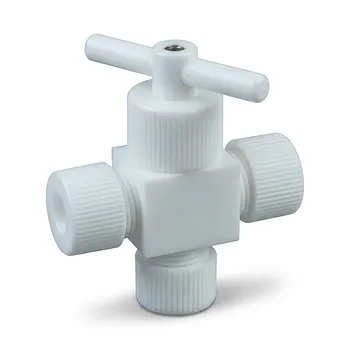
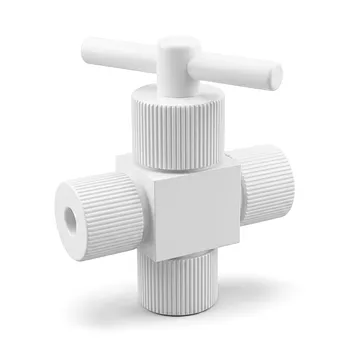
- Custom PTFE Valve 2-Way 3-Way Corrosion Resistant Low Background Virgin Fluoropolymer Industrial Fluid Control
- Corrosion Resistant PTFE Valves Customizable 2 Way 3 Way 4 Way High Temperature Teflon Fluid Control Solutions
People Also Ask
- What is the typical operating temperature and pressure range for PTFE valves? Key Specs for Optimal Performance
- What specific advantages do PTFE valves offer? Unmatched Corrosion Resistance for Industrial Chemical Handling
- How do PTFE valves and components support high-purity liquid transfer? Ensure Product Integrity with Inert Materials
- What industries commonly use PTFE valves and components? Essential for Chemical & Purity Applications
- What are the key properties of PTFE valves? Ensure Purity, Safety, and Reliability in Demanding Processes