The sealing mechanism of a PTFE-lined butterfly valve relies on a high-interference fit between a PTFE-encapsulated disc and a matching PTFE body liner. When the valve is closed, the disc rotates so that its outer periphery is compressed directly against the liner, which covers the entire internal body and the flange faces. To ensure a bubble-tight seal, a resilient elastomer energizer is typically embedded behind the liner to provide constant pressure against the disc.
A PTFE-lined butterfly valve achieves a leak-proof seal by utilizing the compressive force of a PTFE-encapsulated disc against a flexible, energized liner. This design ensures bi-directional sealing and prevents media contact with the valve’s metallic components.
The Mechanics of the Primary Seal
The Disc and Liner Interface
The primary seal is formed when the PTFE-encapsulated circular disc rotates into the closed position, perpendicular to the flow. The disc’s edge is designed to be slightly larger than the opening of the PTFE liner, creating a physical interference.
As the disc settles into the seat, the PTFE material on both surfaces deforms slightly to fill any microscopic irregularities. This metal-to-metal-free contact ensures that the corrosive media never touches the structural body of the valve.
The Role of the Resilient Seat Energizer
Behind the PTFE liner sits a resilient seat energizer, which is usually made of a high-quality elastomer. This component acts like a spring, providing a continuous "push" that maintains the interference fit between the liner and the disc.
This energizing force is critical because it ensures a reliable seal regardless of fluctuations in line pressure or temperature. It also makes the sealing performance independent of flange bolting torque, meaning the seal won't fail just because the exterior bolts are tightened differently.
Protecting the System Integrity
Internal vs. Fugitive Emission Sealing
The sealing mechanism is designed to handle two distinct types of leaks: internal bypass and fugitive emissions. The disc-to-liner contact stops internal flow, while the full-width liner design extends to the flange faces to prevent leaks to the atmosphere.
By lining the flange faces, the valve creates its own gasket surface. This eliminates the need for additional gaskets and reduces the number of potential leak paths where the valve meets the piping system.
Material Strength and Flexibility
PTFE is chosen because it is both chemically inert and mechanically flexible. Its ability to conform to the sealing surface allows for a tighter shut-off than many hard-seated metal valves.
This flexibility is essential for "quick shut-off" applications. The disc can move rapidly from a parallel (open) to a perpendicular (closed) position while still achieving a secure, repeatable seal.
Understanding the Trade-offs
Temperature and Pressure Limitations
While PTFE offers superior chemical resistance, it is subject to temperature-related expansion and contraction. At extreme temperatures, the material may "cold flow" or lose its shape, which can compromise the interference fit if not properly compensated by the energizer.
PTFE-lined valves are generally rated for lower pressure and temperature ranges compared to high-performance metal-seated valves. Exceeding these limits can lead to permanent deformation of the liner or increased operating torque.
Mechanical Wear and Torque
The high-interference design required for a tight seal creates significant friction during operation. This results in higher "breakout torque," meaning more force is required to start the opening of the valve after it has been closed for a period.
Over time, the constant friction between the disc and the liner can lead to mechanical wear. If the media contains abrasive solids, the PTFE surfaces may degrade faster than metal components, eventually requiring a liner replacement.
How to Apply This to Your Project
Selecting the right valve depends on your specific operational environment and the nature of the fluid being transported.
- If your primary focus is chemical compatibility: PTFE-lined valves are the gold standard for handling highly corrosive acids and bases that would destroy standard metallic seats.
- If your primary focus is high-temperature steam: Consider a high-performance butterfly valve with metal or reinforced seats, as pure PTFE may soften and fail under extreme heat.
- If your primary focus is preventing contamination: The full-body PTFE lining ensures that the media remains pure and untouched by the valve's structural carbon or stainless steel.
By understanding the synergy between the encapsulated disc and the energized liner, you can ensure long-term reliability in even the most demanding chemical processing environments.
Summary Table:
| Component | Function | Key Benefit |
|---|---|---|
| PTFE-Encapsulated Disc | Compresses against the liner | Creates a primary bubble-tight seal |
| Resilient Energizer | Provides constant elastic pressure | Maintains seal integrity across temperatures |
| Full-Body PTFE Liner | Covers internal body and flanges | Prevents corrosion and eliminates external gaskets |
| High-Interference Fit | Creates physical deformation of PTFE | Fills microscopic irregularities for zero leakage |
At KINTEK, we specialize in high-performance fluoropolymer materials, offering an exhaustive range of laboratory supplies from basic labware like beakers, crucibles, and reagent bottles to complex fluid transfer components including tubing, fittings, and valves. Whether you need standard PTFE-lined butterfly valves for corrosive media or bespoke non-standard machined parts via our end-to-end custom CNC fabrication, we ensure your high-purity applications remain secure. From sample prep tools to advanced reaction apparatus, we deliver everything your lab needs with an absolute focus on PTFE and PFA performance. Contact our experts today to optimize your laboratory setup and discover the value of KINTEK’s precision engineering.
Related Products
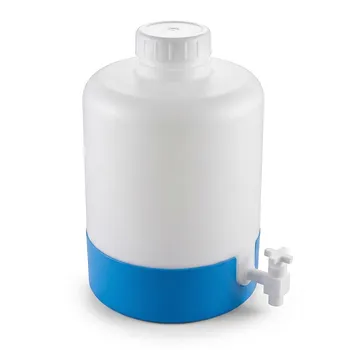
- High Corrosion Resistant PTFE Faucet Polytetrafluoroethylene Valve for Chemical Storage Drums and Fluid Transfer Systems Customizable Industrial Grade
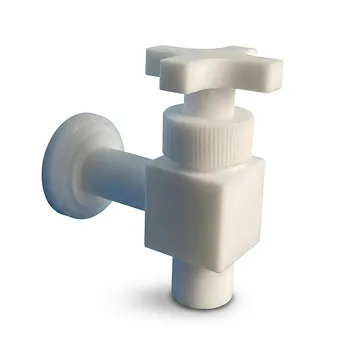
- High Purity PTFE Faucet Corrosion Resistant Polytetrafluoroethylene Drum Valve Customizable Lab Chemical Fluid Control
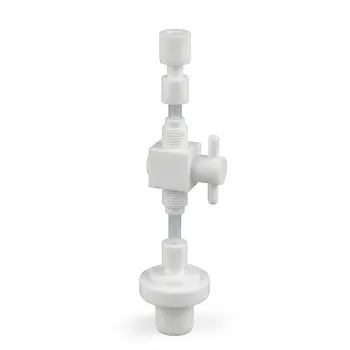
- High Purity PFA PTFE Flare Stop Valves Customizable 2-Way 3-Way Reducing Fluoropolymer Fluid Control Solutions
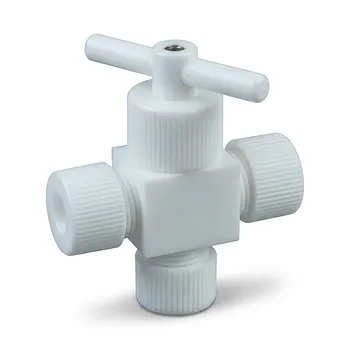
- Custom PTFE Valve 2-Way 3-Way Corrosion Resistant Low Background Virgin Fluoropolymer Industrial Fluid Control
- Corrosion Resistant PTFE Polytetrafluoroethylene Valve and Customizable Laboratory Fluid Dispensing Faucet for Aggressive Chemical Handling in Industrial Storage Tanks and Plastic Drums
People Also Ask
- What is the typical operating temperature and pressure range for PTFE valves? Key Specs for Optimal Performance
- What industries commonly use PTFE valves and components? Essential for Chemical & Purity Applications
- How do PTFE valves and components support high-purity liquid transfer? Ensure Product Integrity with Inert Materials
- What specific advantages do PTFE valves offer? Unmatched Corrosion Resistance for Industrial Chemical Handling
- What are the key properties of PTFE valves? Ensure Purity, Safety, and Reliability in Demanding Processes