All Questions
What Are The Benefits Of Using Ptfe Lined Check Valves In Water Pump Systems? Boost Reliability & Cut Costs
Discover how PTFE-lined check valves prevent backflow, resist corrosion, and reduce maintenance for water systems. Ideal for harsh or pure applications.
What Are The Sealing Capabilities Of Ptfe Lined Check Valves? Achieve Superior Corrosion Resistance
Explore PTFE lined check valve sealing performance, including chemical inertness, temperature range, and key limitations for corrosive fluid handling.
How Do Ptfe Lined Check Valves Differ From Traditional Swing Check Valves? A Guide To Superior Flow Control
Explore the key differences between PTFE lined and swing check valves: mechanism, chemical resistance, water hammer prevention, and application suitability.
What Are The Advantages Of Spring-Loaded Lift Check Valves? Achieve Reliable, Non-Slam Backflow Prevention
Discover the key benefits of spring-loaded lift check valves: versatile installation, non-slam closure to prevent water hammer, and compact design for tight spaces.
How Do Spring-Loaded Lift Check Valves Operate? The Key To Preventing Backflow And Water Hammer
Learn how spring-loaded lift check valves use spring tension to prevent backflow, ensure quiet operation, and allow installation in any orientation.
What Is The Function Of Check Valves In Water Pump Systems? Protect Your Pump And Prevent Backflow
Learn how check valves prevent backflow, protect pumps from damage, and ensure system efficiency in water pump systems.
What Media Restrictions Apply To Ptfe Lined Butterfly Valves? Ensure Long-Term Reliability For Corrosive Fluids
Learn the critical limits for PTFE lined butterfly valves: abrasive media and temperature. Ensure proper valve selection for corrosive chemical applications.
What Pressure Considerations Apply To Ptfe Lined Butterfly Valves? Avoid Liner Failure And Ensure Safe Operation
Learn the critical pressure and temperature limits for PTFE lined butterfly valves to prevent liner collapse, rupture, and ensure long-term reliability in corrosive systems.
Why Should Negative Pressure Be Avoided With Ptfe Lined Butterfly Valves? Prevent Catastrophic Liner Failure
Learn how vacuum conditions destroy PTFE lined butterfly valves by delaminating liners, causing seal failure, and obstructing valve operation.
What Temperature Limitations Exist For Ptfe Lined Butterfly Valves? Ensure Safe, Leak-Free Operation
Learn the critical temperature limits for PTFE lined butterfly valves. Avoid failure by adhering to the 120°C continuous and 150°C intermittent max.
How Does The Operating Mechanism Of Ptfe Lined Butterfly Valves Work? A Guide To Corrosion-Resistant Flow Control
Learn how PTFE lined butterfly valves use a quarter-turn mechanism and inert liner for reliable, leak-tight shut-off in corrosive and high-purity applications.
What Is The Purpose Of The Holes In Ptfe Lined Butterfly Valves? Ensure Perfect Alignment For Leak-Proof Sealing
Discover why the alignment holes in PTFE lined butterfly valves are critical for protecting the liner and ensuring a leak-proof seal in corrosive applications.
How Are Ptfe Lined Butterfly Valves Assembled With Bolts? A Guide To Secure, Leak-Free Installation
Learn the correct method for assembling PTFE lined butterfly valves with full-threaded stud bolts to ensure a perfect seal and protect the liner.
What Are The Primary Functions Of Ptfe Lined Butterfly Valves? Achieve Reliable Flow Control In Hostile Environments
Learn how PTFE lined butterfly valves provide leak-proof shutoff and precise flow control for corrosive, high-purity, and high-temperature applications.
What Industries Benefit From Using Pure Ptfe In Valve Components And Why? Ensure Absolute Purity In Critical Processes
Discover why pharmaceutical, food & beverage, and semiconductor industries rely on pure PTFE valves for contamination-free operations and regulatory compliance.
What Are The Key Considerations When Choosing Between Pure Ptfe And Additive-Enhanced Ptfe In Valve Manufacturing? Optimize Performance And Purity
Compare pure vs. enhanced PTFE for valves. Learn when to prioritize chemical purity or mechanical strength for your application in semiconductor, medical, and industrial settings.
How Do Lined Valves Compare To Plastic Pipes In Terms Of Pressure And Temperature Resistance? Unlock Superior Performance
Discover why lined valves handle high pressure and temperature simultaneously, while plastic pipes face a critical inverse relationship between the two factors.
What Are The Key Features Of A Lined Plug Valve? Robust Corrosion Resistance & Maximum Flow
Discover the key features of Lined Plug Valves: PFA liners for corrosion resistance, full-port design for max flow, and quarter-turn operation for reliable shut-off.
What Are The Advantages Of Using Teflon-Lined Valves? Superior Corrosion Resistance And Purity
Discover the key benefits of Teflon-lined valves: exceptional chemical resistance, high-temperature stability, and non-stick surfaces for pure media handling.
What Material Is Commonly Used For Lining Valves, And What Are Its Properties? Discover The Power Of Ptfe Liners
Explore why PTFE (Teflon) is the industry standard for valve linings, offering unmatched chemical resistance, low friction, and high purity.
What Factors Should Be Considered When Choosing A Ptfe-Lined Valve? Ensure Optimal Performance And Reliability
Learn the key factors for selecting a PTFE-lined valve, including chemical compatibility, temperature/pressure ratings, and flow control for your system.
How Do Ptfe-Lined Valves Compare To Traditional Metallic Valves? Maximize Performance In Corrosive Applications
PTFE-lined valves offer superior chemical inertness and non-stick properties for corrosive media, outperforming metal valves in demanding applications.
What Industries Commonly Use Ptfe-Lined Valves? Essential For Corrosive & High-Purity Applications
Learn why chemical, pharmaceutical, food & beverage, and water treatment industries rely on PTFE-lined valves for corrosion resistance and purity.
How Do Ptfe-Lined Valves Benefit The Environment? Prevent Pollution And Reduce Waste
Discover how PTFE-lined valves prevent hazardous leaks, extend equipment life, and reduce industrial waste for a more sustainable operation.
Why Are Ptfe-Lined Valves Considered Low Maintenance? Achieve Maximum Uptime & Lower Costs
Discover how PTFE-lined valves reduce maintenance with chemical inertness, self-lubrication, and robust sealing for lower downtime and TCO.
What Temperature Range Can Ptfe-Lined Valves Operate Within? Key Limits For Safe & Reliable Performance
Learn the safe operating temperature range for PTFE-lined valves (-50°C to 200°C) and the critical factors that influence their performance.
How Do Ptfe-Lined Valves Prevent Leakage And Contamination? Ensure Purity And Protect Equipment
Learn how PTFE-lined valves create a chemically inert barrier to prevent fluid contamination and equipment corrosion in demanding industries.
What Is Ptfe And Why Is It Used In Lined Valves? Achieve Superior Corrosion Resistance And Purity
Discover how PTFE-lined valves use a non-reactive, non-stick barrier to protect against corrosion, prevent contamination, and extend valve life.
What Are The Advantages Of Using Ptfe-Lined Valves For Corrosive Fluids? Achieve Superior Chemical Resistance And Reliability
Discover the key benefits of PTFE-lined valves, including unmatched chemical inertness, non-stick surfaces, and reliable performance with aggressive fluids.
What Are The Long-Term Benefits Of Using Ptfe Lined Butterfly Valves? Achieve Lower Costs & Superior Reliability
Discover how PTFE lined butterfly valves deliver long-term value through chemical resistance, reduced maintenance, and extended service life for industrial systems.
How Can Ptfe Lined Butterfly Valves Be Customized For Different Applications? Tailor Valves For Your Specific Needs
Learn how to customize PTFE lined butterfly valves for specific chemical, pressure, and flow requirements in industrial applications.
What Are The Installation Advantages Of Ptfe Lined Butterfly Valves? Simplify Setup & Save On Costs
Discover how PTFE lined butterfly valves' compact, lightweight design enables easy installation in tight spaces, reducing labor and project costs.
How Do Ptfe Lined Butterfly Valves Enhance Safety In Industrial Settings? Prevent Leaks And Corrosion
Learn how PTFE lined butterfly valves provide a chemically inert barrier for superior leak prevention and corrosion resistance in harsh industrial environments.
What Industries Benefit From The Chemical Resistance Of Ptfe Lined Butterfly Valves? Key Applications & Selection Guide
Learn how PTFE lined butterfly valves provide critical chemical resistance and purity for chemical, pharmaceutical, semiconductor, and other demanding industries.
Why Are Ptfe Lined Butterfly Valves Considered Cost-Effective? Maximize Roi With Lower Lifetime Costs
PTFE lined butterfly valves offer superior long-term value by reducing maintenance, downtime, and replacement needs in corrosive applications.
How Do Ptfe Lined Butterfly Valves Provide Protection Against Chemicals And Rust? Achieve Superior Corrosion Resistance
Learn how PTFE-lined butterfly valves use a chemically inert barrier to prevent corrosion and rust, ensuring long-term reliability in harsh chemical environments.
What Temperature Range Can Ptfe Lined Butterfly Valves Handle? The Critical Limits For Safe Operation
Learn the practical temperature limits of PTFE lined butterfly valves: why the safe operating max is 120°C, not the material's theoretical 260°C.
How Does The Ptfe Lining In Butterfly Valves Protect Against Harsh Conditions? Ensure Long-Term Reliability
Learn how PTFE-lined butterfly valves use chemical inertness, temperature stability, and non-stick surfaces to resist corrosion and ensure purity.
What Is A Ptfe Lined Butterfly Valve And How Does It Work? Control Corrosive & Pure Fluids Safely
Learn how PTFE lined butterfly valves use a chemically inert Teflon liner to isolate aggressive media, ensuring corrosion resistance and product purity.
What Are The Main Advantages Of Ptfe Lined Butterfly Valves In Industrial Applications? Achieve Superior Corrosion Resistance & Cost Savings
Discover how PTFE lined butterfly valves offer exceptional chemical resistance, tight sealing, and cost-effectiveness for corrosive and high-purity fluid handling.
What Are The Options For Operating Ptfe Ball Valves? Manual Vs. Automated Control For Your System
Compare manual lever and pneumatic actuator options for PTFE ball valves. Learn which operation method is best for automation, speed, and simplicity.
How Is Flow Rate Controlled In Ptfe Ball Valves? Leverage Simple, Reliable Rotary Control
Learn how PTFE ball valves use a rotating ball with a bore to regulate flow, from simple on/off to coarse throttling, for demanding applications.
What Type Of Sealing Is Used For The Ball Shaft In Ptfe Ball Valves? Discover The Maintenance-Free V-Ring System
Learn how a spring-loaded PTFE V-ring packing provides a durable, self-adjusting seal for PTFE ball valves, ensuring leak-free operation.
How Does The Ptfe Ball Valve Operate? A Guide To Reliable, Corrosion-Resistant Flow Control
Learn how a PTFE ball valve uses a simple quarter-turn mechanism and PTFE's chemical inertness for reliable, low-maintenance flow control in corrosive applications.
What Are The Key Features Of Ptfe Ball Valves? Superior Chemical Resistance & Reliable Flow Control
Discover the key features of PTFE ball valves, including unmatched chemical inertness, low-torque operation, and suitability for high-purity applications.
What Are The Primary Applications Of Ptfe-Lined Ball Valves? Control Corrosive & High-Purity Fluids
Explore key uses of PTFE-lined ball valves in chemical, pharmaceutical, and food industries for safe, reliable handling of aggressive media.
What Are The Main Components Constructed From Ptfe In These Valves? Ensure Ultimate Purity And Chemical Resistance
Learn about key PTFE valve components like the body, ball, stem, and seals for high-purity, corrosive, or low-friction applications.
What Are The Overall Benefits Of Using Ptfe-Lined Butterfly Valves In Industrial Processes? Enhance Corrosive Fluid Control
Discover the key benefits of PTFE-lined butterfly valves: superior chemical resistance, low maintenance, and cost-effective operation for demanding industrial processes.
In What Types Of Industrial Applications Are Ptfe-Lined Butterfly Valves Versatile? Handle Aggressive & Pure Media
Explore the versatility of PTFE-lined butterfly valves in chemical, pharmaceutical, food & beverage, and water treatment applications.
What Temperature Range Can Ptfe-Lined Butterfly Valves Withstand? Ensuring Safe & Reliable Operation
PTFE-lined butterfly valves safely withstand up to 120°C continuously. Learn the key factors for reliable performance and preventing valve failure.
How Do Ptfe-Lined Butterfly Valves Minimize Maintenance Requirements? Reduce Downtime And Extend Service Life
Discover how PTFE-lined butterfly valves use self-lubrication, chemical inertness, and non-stick properties to prevent wear, corrosion, and clogging, slashing maintenance needs.
What Makes Ptfe-Lined Butterfly Valves Durable? Unmatched Chemical & Thermal Resistance
Discover how PTFE-lined butterfly valves achieve exceptional durability through superior chemical inertness, thermal stability, and low-friction design.
Why Are Ptfe-Lined Butterfly Valves Resistant To Corrosion? The Power Of An Inert Barrier
Discover how PTFE-lined butterfly valves use a chemically inert barrier to isolate metal bodies from corrosive fluids, providing cost-effective corrosion resistance.
What Is A Ptfe-Lined Butterfly Valve And How Is It Constructed? Control Corrosive & High-Purity Fluids
Learn how PTFE-lined butterfly valves use a PTFE liner to safely handle corrosive chemicals, ensuring tight shut-off and high-purity flow control.
What Are The Advantages Of Ptfe-Lined Butterfly Valves? Superior Chemical Resistance & Sealing For Harsh Applications
Explore the key benefits of PTFE-lined butterfly valves, including exceptional chemical inertness, reliable sealing, and durability in corrosive environments.
Are Ptfe Butterfly Valves Suitable For High-Pressure Applications? Balancing Chemical Resistance & Pressure Limits
PTFE butterfly valves are ideal for corrosive applications, but their pressure rating is typically limited to 300 psi. Learn the key trade-offs.
How Often Should Ptfe Butterfly Valves Be Maintained? Optimize Your Maintenance Schedule
Learn the key factors and recommended frequencies for PTFE butterfly valve maintenance to prevent downtime and ensure safety.
Can Ptfe Butterfly Valves Be Used For All Types Of Fluids? Maximize Chemical Resistance And Purity
Learn when PTFE butterfly valves excel and their limitations. Ideal for corrosive chemicals, high-purity applications, but not for abrasive slurries.
Why Is Ptfe An Ideal Material For Butterfly Valves? Superior Sealing And Chemical Resistance
Discover why PTFE's chemical inertness and low friction make it the top choice for reliable, long-lasting butterfly valves in demanding industries.
What Are The Benefits Of Ptfe Butterfly Valves In Industrial Applications? Enhance Safety, Purity & Efficiency
Discover how PTFE butterfly valves offer superior chemical resistance, non-stick surfaces, and thermal stability for reliable flow control in demanding industries.
How Can Wear And Tear In Ptfe Butterfly Valves Be Addressed? Prevent Failures And Extend Valve Life
Learn effective strategies to prevent and address wear in PTFE butterfly valves, including proactive maintenance, correct selection, and material upgrades.
What Causes Wear And Tear In Ptfe Butterfly Valves? Avoid Premature Failure And Extend Valve Life
Learn the primary causes of PTFE butterfly valve wear, including abrasive media, operational stress, and improper selection, to prevent costly downtime.
What Are The Symptoms Of Wear And Tear In Ptfe Butterfly Valves? Identify Leaks & High Torque
Learn the key signs of PTFE butterfly valve wear, including seal leakage and increased operating torque, to prevent costly downtime and failures.
How Can Leaking In A Ptfe Butterfly Valve Be Fixed? A Guide To Reliable Sealing Solutions
Learn step-by-step methods to fix a leaking PTFE butterfly valve, from replacing worn seals to proper bolt torque for lasting performance.
What Causes A Ptfe Butterfly Valve To Leak? Diagnose And Prevent Seal Failure
Learn the 3 main causes of PTFE butterfly valve leaks: damaged seat, valve body/disc damage, or improper flange installation. Prevent costly downtime.
What Are The Symptoms Of A Leaking Ptfe Butterfly Valve? Identify External & Internal Leaks
Learn the key symptoms of a failing PTFE butterfly valve, including external leaks, internal passing, and operational issues like stiffness.
How Can Sticking Or Hard Operation Of A Ptfe Butterfly Valve Be Resolved? A 3-Step Guide To Restore Smooth Performance
Learn how to fix a sticking PTFE butterfly valve with a systematic 3-step guide: cleaning, alignment, and lubrication for reliable operation.
What Causes A Ptfe Butterfly Valve To Stick Or Become Hard To Operate? Diagnose And Fix Common Issues
Learn the primary causes of PTFE butterfly valve sticking: debris buildup, misalignment, and poor lubrication. Get a systematic troubleshooting guide.
What Are The Symptoms Of A Sticking Ptfe Butterfly Valve? Diagnose High Torque & Sticking Issues
Learn the key symptoms of a sticking PTFE butterfly valve, including high torque, breakaway sticking, and jerky motion, to diagnose root causes like PTFE cold flow.
What Are The Benefits Of Regular And Preventive Maintenance For Ptfe Butterfly Valves? Ensure Long-Term Reliability
Learn how preventive maintenance for PTFE butterfly valves extends service life, prevents costly downtime, and ensures system integrity.
How Often Should Torque Settings On Bolts Be Checked In Ptfe Butterfly Valves? Prevent Leaks With Proper Ptfe Maintenance
Learn the critical schedule for checking bolt torque on PTFE butterfly valves to prevent leaks caused by material cold flow and ensure long-term seal integrity.
What Is The Importance Of Torque Checks In Ptfe Butterfly Valves? Prevent Leaks & Extend Valve Life
Learn why torque checks are critical for PTFE butterfly valves to prevent leaks from cold flow, vibration, and thermal cycling.
How Should Seals And Gaskets Be Maintained In Ptfe Butterfly Valves? A Proactive Guide To Prevent Downtime
Learn best practices for PTFE butterfly valve seal and gasket maintenance, including proactive inspection schedules and replacement strategies to ensure reliability.
Why Is The Integrity Of Seals And Gaskets Important In Ptfe Butterfly Valves? Ensure System Safety And Efficiency
Learn how PTFE seal integrity prevents leaks, ensures safety, and maintains efficiency in demanding industrial valve applications.
What Are The Different Operation Mechanisms For Ptfe Butterfly Valves? Choose The Right Operator For Your System
Explore the 4 main PTFE butterfly valve operators: manual, pneumatic, electric, and hydraulic. Learn how to select the best mechanism for speed, precision, and cost.
How Do Ptfe Properties Benefit Butterfly Valve Performance? Enhance Durability & Efficiency
Discover how PTFE's chemical inertness, low friction, and thermal stability create durable, low-maintenance butterfly valves for demanding applications.
What Maintenance Practices Ensure Optimal Ptfe Butterfly Valve Performance? Maximize Lifespan & Reliability
Learn key PTFE butterfly valve maintenance practices: inspections, cleaning, lubrication, and seal replacement to prevent failure and ensure peak performance.
What Are Important Installation Tips For Ptfe Butterfly Valves? Ensure A Leak-Free, Long-Lasting Seal
Key PTFE butterfly valve installation steps: pre-checks, alignment, correct torque. Avoid cold flow deformation and seal failure for reliable performance.
What Factors Should Be Considered When Selecting A Ptfe Butterfly Valve? Ensure Peak Performance & Reliability
Learn the 5 key specs for selecting a PTFE butterfly valve: sizing, pressure/temperature ratings, connection type, actuation, and material compatibility.
What Industries Commonly Use Ptfe Butterfly Valves And Why? For Superior Chemical Resistance & Purity
Learn why chemical, pharmaceutical, food & beverage, and oil & gas industries rely on PTFE butterfly valves for unmatched purity and corrosion resistance.
What Makes Ptfe Butterfly Valves Special Compared To Other Types? Unmatched Chemical & Thermal Performance
Discover why PTFE butterfly valves offer superior chemical resistance, high-temperature stability, and zero-leakage sealing for demanding industrial applications.
What Are The General Conclusions About Ptfe And Peek For Ball Valve Seats? Ptfe Vs. Peek For Valve Performance
PTFE vs. PEEK ball valve seats: a guide to choosing based on chemical resistance, temperature, pressure, and mechanical strength for your application.
How Does Peek Compare To Ptfe For Ball Valve Seats? Choose The Right Material For Your Application
Compare PEEK vs. PTFE ball valve seats: PEEK excels in high temp/pressure, PTFE leads in chemical resistance. Select the best material for your needs.
What Are The Limitations Of Ptfe In Ball Valve Seat Applications? Avoid Costly Seal Failures
Understand PTFE's key limitations: cold creep, pressure limits, explosive decompression, and radiation sensitivity. Choose the right valve seat material for reliability.
What Are The Advantages Of Using Ptfe For Ball Valve Seats? Superior Sealing & Chemical Resistance
Explore PTFE ball valve seat advantages: unmatched chemical inertness, low friction, and reliable sealing for industrial fluid control systems.
What Are The Two Main Categories Of Polymers Used For Ball Valve Seats? Ptfe Vs. Peek For Optimal Performance
Learn the key differences between PTFE and PEEK ball valve seats to make the right choice for your application's pressure, temperature, and chemical needs.
What Materials Are Used To Overcome The Limitations Of Standard Ptfe In Ball Valve Seats? Upgrade To High-Performance Polymers
Learn about advanced materials like filled PTFE, PEEK, and Nylon for high-pressure, high-temperature ball valve seats that surpass standard PTFE limits.
What Is The Standard Seat Material For Ball Valves And Why Is It Used? Discover The Ideal Choice For Your Application
Learn why PTFE is the standard ball valve seat material, its key benefits in chemical resistance and sealing, and critical temperature limitations.
What Is A Floating Ball Valve And How Does It Seal Line Pressure? A Guide To Pressure-Actuated Sealing
Learn how a floating ball valve uses upstream line pressure to create a tight seal. Explore its design, advantages, and ideal applications.
Why Is Material Selection Critical For Valve Seat Performance? Ensure Long-Term Reliability And Prevent Leaks
Learn how the right valve seat material prevents leaks and downtime by matching fluid, temperature, and pressure demands for optimal seal integrity.
What Are The Advantages And Disadvantages Of Virgin Ptfe As A Valve Seat Material? Maximize Performance & Avoid Failure
Explore the pros and cons of Virgin PTFE valve seats: elite chemical resistance vs. poor mechanical strength and creep. Make the right choice for your system.
What Factors Should Be Considered When Selecting Between Ptfe And Epdm Valve Seats For Butterfly Valves? Ensure Long-Term Reliability And Avoid Costly Failures
Compare PTFE vs. EPDM valve seats for butterfly valves. Learn how chemical compatibility, temperature range, and cost impact your selection to prevent leaks and downtime.
Why Is Epdm The Preferred Choice For Pneumatic Butterfly Valves In Water Treatment Systems? | Kintek
Discover why EPDM's flexibility and water resistance make it the ideal seat material for reliable, leak-proof butterfly valves in water and steam applications.
In What Types Of Applications Is Epdm More Effective Than Ptfe For Wafer Style Butterfly Valves? Optimize For Water & Steam Systems
Learn when to choose EPDM over PTFE for wafer butterfly valves in HVAC, water treatment, and steam applications for superior sealing and cost-efficiency.
Why Is Ptfe Preferred For Electric Actuated Butterfly Valves? For Unmatched Reliability In Harsh Conditions
Discover why PTFE's chemical inertness, thermal stability, and low friction make it ideal for electric actuated butterfly valves in demanding industries.
What Are The Key Properties Of Ptfe And Epdm That Influence Their Use In Butterfly Valves? Choose The Right Valve Seat Material
Learn the critical differences between PTFE and EPDM butterfly valve seats for chemical, water, steam, and high-temperature applications.
What Are The Advantages Of Using Epdm In Wafer Style And Lugged Butterfly Valves? Superior Sealing For Water & Steam
Learn why EPDM is the industry standard for butterfly valve seats in water-based systems like HVAC and water treatment, offering durability and reliability.
What Are The Advantages Of Using Ptfe In Electric Actuated Butterfly Valves? Boost Actuator Life & Chemical Resistance
Discover how PTFE's low friction, chemical inertness, and thermal stability enhance electric butterfly valve performance and actuator longevity.
How Do Ptfe And Epdm Valve Seats Perform In Actuated Butterfly Valves? Choose The Right Seal For Your Media
Compare PTFE vs. EPDM valve seats for actuated butterfly valves. Learn which material is best for chemicals, high-temp, water, or steam applications.
What Factors Should Be Considered When Choosing Between Ptfe And Epdm Valve Seats? Ensure Reliable Fluid Control
Learn the key differences between PTFE and EPDM valve seats, including chemical compatibility, temperature range, and sealing performance, to prevent valve failure.
Related Products
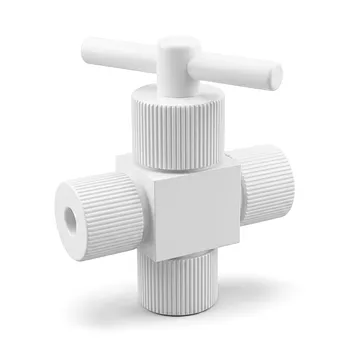
Corrosion Resistant PTFE Valves Customizable 2 Way 3 Way 4 Way High Temperature Teflon Fluid Control Solutions
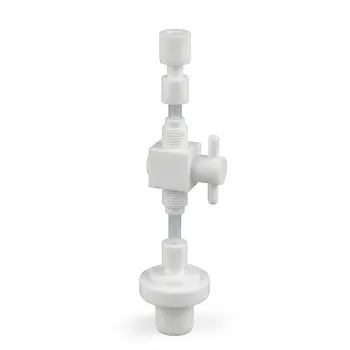
High Purity PFA PTFE Flare Stop Valves Customizable 2-Way 3-Way Reducing Fluoropolymer Fluid Control Solutions
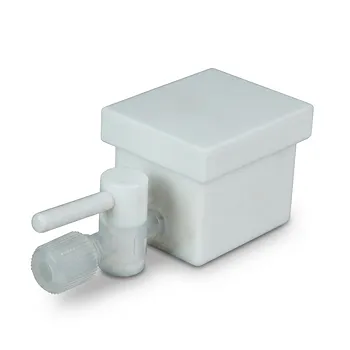
Custom PTFE Corrosion Resistant Insulating Electrophoresis Reaction Cell with Septum and Valves for Low Background Trace Analysis
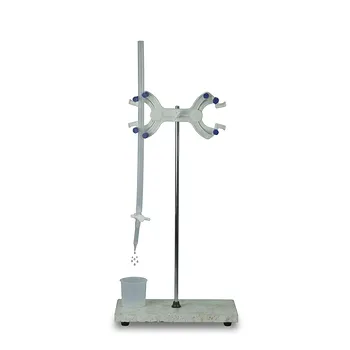
High Purity PFA Translucent Volumetric Burette with PTFE Valve for Acid Base Titration and Corrosive Reagent Handling
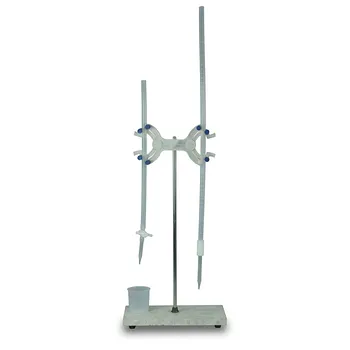
PFA Acid and Base Burette with PTFE Valve for Corrosive Chemical Analysis and Hydrofluoric Acid Resistance Customizable Labware