All Questions
How Do Ptfe And Epdm Valve Seats Impact Efficiency? Choose The Right Seal For Reliable Performance
Learn how PTFE and EPDM valve seats affect butterfly valve efficiency. Choose the right material for chemical resistance, temperature stability, and long-term reliability.
In Which Applications Are Epdm Valve Seats Most Suitable? A Guide To Water & Steam Systems
Learn why EPDM valve seats are the industry standard for water-based applications, including HVAC, water treatment, and distribution systems.
In Which Applications Are Ptfe Valve Seats Most Suitable? Master Chemical & Thermal Resilience
Discover the ideal applications for PTFE valve seats, from chemical processing to pharmaceuticals, where chemical inertness and high-temperature stability are critical.
What Are The Main Properties Of Epdm Valve Seats In Butterfly Valves? A Guide To Superior Water & Steam Sealing
Explore the key properties of EPDM valve seats, including superior water/steam resistance, flexibility, and chemical compatibility for butterfly valves.
What Are The Main Properties Of Ptfe Valve Seats In Butterfly Valves? Ensure Reliability In Harsh Environments
Explore the key properties of PTFE valve seats: chemical resistance, thermal stability, and low friction. Learn how they ensure reliability in demanding applications.
What Are The Key Differences Between Ptfe And Epdm Valve Seats? Choose The Right Material For Your Application
Learn the critical differences between PTFE and EPDM valve seats for butterfly valves, including chemical compatibility, temperature limits, and ideal applications.
What Are The Main Differences Between Rptfe And Standard Ptfe For Valve Seats? Choose The Right Material For Your System
Learn the key differences between RPTFE and PTFE valve seats: chemical purity vs. high pressure/temperature performance for industrial applications.
In Which Industries Is Rptfe Particularly Suitable For Throttle Valves? Ensure Purity And Durability
Discover why RPTFE throttle valves are essential for food, dairy, pharmaceutical, and chemical processing industries requiring superior chemical resistance.
What Is Rptfe And Why Is It Commonly Used For Valve Seats? Enhance Durability In Demanding Applications
Discover how RPTFE (Reinforced PTFE) offers superior strength, higher temperature/pressure ratings, and extended service life for valve seats compared to virgin PTFE.
What Makes Ptfe Lined Valves Suitable For Handling Aggressive Media? Superior Chemical Resistance For Harsh Fluids
Learn how PTFE-lined valves use a chemically inert barrier to safely handle corrosive acids, bases, and solvents, ensuring process integrity and media purity.
What Are The Main Industries That Utilize Ptfe Lined Valves? Ensure Safety And Purity In Critical Processes
Discover how chemical, pharmaceutical, semiconductor, and other key industries use PTFE lined valves for superior corrosion resistance and product purity.
What Is The Function Of Ptfe Lined Check Valves? Ensure Unidirectional Flow And Corrosion Resistance
Learn how PTFE lined check valves prevent backflow and protect systems from corrosive chemicals in semiconductor, medical, and lab applications.
What Industries Commonly Use Ptfe Lined Diaphragm Valves And Why? Ensure Purity & Corrosion Resistance
Discover why pharma, biotech, chemical, and food & beverage industries rely on PTFE lined diaphragm valves for contamination-free, corrosion-resistant fluid handling.
Where Are Ptfe Lined Butterfly Valves Most Beneficial? Superior Corrosion Resistance For Harsh Chemicals
Discover the key benefits of PTFE lined butterfly valves, including unmatched chemical inertness, prevention of media contamination, and high thermal stability.
What Are The Typical Applications Of Ptfe Lined Ball Valves? Essential For Corrosive & High-Purity Systems
Discover key uses of PTFE lined ball valves in chemical, pharmaceutical, and food industries for handling corrosive fluids and ensuring product purity.
What Are The Different Types Of Ptfe Lined Valves And Their Key Features? Choose The Right Valve For Your Corrosive Process
Explore PTFE lined ball, butterfly, plug, diaphragm, and check valves. Learn their key features to select the right valve for corrosive or high-purity applications.
Why Are Ptfe Lined Valves Preferred Globally? Achieve Superior Corrosion Resistance & Cost Savings
Discover why PTFE lined valves are the top choice for handling corrosive chemicals, offering elite performance at a fraction of the cost of exotic alloys.
What Are Ptfe Lined Valves And What Is Their Primary Purpose? Achieve Superior Corrosion Resistance
Learn how PTFE lined valves combine metal strength with PTFE's chemical inertness for safe handling of aggressive acids and high-purity media.
What Is The Role Of Valves In Industrial Piping Systems? Ensure Safety, Control, And Efficiency
Discover the three primary functions of valves in industrial systems: isolation, regulation, and protection for safe, efficient fluid control.
Why Are Ptfe Ball Valves Not Recommended For Slurries? Prevent Abrasive Damage And Valve Failure
Learn why PTFE ball valves fail with slurries due to abrasive particle damage to soft seals, leading to leaks and jamming. Discover better alternatives.
What Temperature Limitation Should Be Considered For Ptfe Ball Valves? Maintain A Reliable Seal Under Thermal Stress
Learn the practical temperature limits for PTFE ball valves, including the critical impact of thermal swings on sealing integrity and long-term reliability.
What Are The Disadvantages Of Ptfe Ball Valves? Key Limitations In Chemical & Industrial Applications
Explore the limitations of PTFE ball valves, including cold flow, thermal expansion, and poor performance with abrasive media or throttling.
Why Can Ptfe Ball Valves Be Used In Corrosive Media? Unmatched Chemical Resistance For Safe Fluid Control
Discover how PTFE ball valves provide superior protection against corrosive chemicals, ensuring media purity and leak-free operation in demanding applications.
What Are The Advantages Of Ptfe Ball Valves? Superior Chemical Resistance & Low-Torque Operation
Discover the key benefits of PTFE ball valves: unmatched chemical resistance, low-torque operation, and reliable sealing for demanding industrial applications.
What Are The Main Differences Between Nbr And Ptfe Seats In Butterfly Valves? Select The Right Seal For Your System
Learn the key differences between NBR and PTFE valve seats, including chemical resistance, temperature tolerance, and cost, to choose the right one for your application.
Why Are Ptfe Seats Preferred In Electric Actuated Butterfly Valves? Enhance Valve Performance And Actuator Lifespan
Learn why PTFE seats are ideal for electric actuated butterfly valves, offering superior chemical resistance, low friction, and high-temperature stability.
What Makes Ptfe Seats Suitable For Demanding Environments In Butterfly Valves? Unlock Chemical & Thermal Resilience
Explore how PTFE seats in butterfly valves provide superior chemical inertness, thermal stability, and low friction for harsh applications.
Why Is Ptfe Considered A Preferred Material For High-Temperature Applications In Butterfly Valves? Superior Thermal & Chemical Stability
Discover why PTFE is the top choice for high-temp butterfly valves, offering thermal stability up to 260°C, chemical inertness, and reliable sealing.
How Do Nbr And Ptfe Seat Materials Impact Valve Performance? Choose The Right Butterfly Valve For Your System
Learn the key differences between NBR and PTFE valve seats and wafer vs. lug body styles to optimize performance, safety, and cost for your application.
What Are The Cost Implications Of Choosing Ptfe Over Nbr For Butterfly Valve Seats? A Guide To True Cost Of Ownership
Compare PTFE vs. NBR valve seat costs: initial price vs. long-term value. Learn which material saves money based on chemical resistance, temperature, and reliability.
How Does Temperature Tolerance Differ Between Nbr And Ptfe Seat Materials? A Guide To Extreme Conditions
PTFE seals withstand extreme temperatures from -200°C to 260°C, far exceeding NBR's moderate range. Learn which material is right for your application.
Why Is Ptfe Often Used In Electric Actuated Butterfly Valves? Achieve Reliable, Automated Flow Control
Discover why PTFE's low friction, chemical inertness, and temperature stability make it ideal for electric actuated butterfly valve seats in demanding industries.
What Factors Should Be Considered When Choosing Between Nbr And Ptfe Seat Materials For Butterfly Valves?
Learn the key differences between NBR and PTFE butterfly valve seats to make the right choice for your application's chemical, temperature, and pressure needs.
How Does The Chemical Resistance Of Nbr Compare To Ptfe In Butterfly Valve Seats? Select The Right Material For Your Media.
NBR vs. PTFE valve seats: Learn why PTFE offers superior chemical resistance for corrosive media, while NBR is cost-effective for general-purpose use.
In What Types Of Environments Are Ptfe Seat Butterfly Valves Most Suitable? Ideal For Corrosive, High-Purity Applications
PTFE seat butterfly valves excel in corrosive chemical, pharmaceutical, and food & beverage environments requiring high purity and reliable sealing.
How Does Ptfe Contribute To The Sealing Performance Of Ball Valves? Achieve Leak-Free, Durable Sealing
Learn how PTFE's chemical inertness, low friction, and flexibility create superior seals in ball valves for corrosive, high-pressure, and high-cycle applications.
What Are The Main Advantages Of Using Nbr Seat Butterfly Valves? A Cost-Effective Choice For Oil & Fuel Systems
Discover the key benefits of NBR seat butterfly valves, including excellent oil resistance, high flexibility, and significant cost savings for industrial applications.
What Role Do Ptfe Lined Ball Valves Play In Natural Gas Transmission? Ensuring Safety And Reliability
Discover how PTFE lined ball valves provide critical leak prevention, corrosion resistance, and flow control for safe, reliable natural gas transmission.
What Are The Key Differences Between Nbr And Ptfe Seat Materials In Butterfly Valves? Choose The Right Material For Your System
Compare NBR vs. PTFE valve seats for chemical resistance, temperature range, and cost to select the best material for your application.
Why Are Ptfe Lined Ball Valves Suitable For The Food And Pharmaceutical Industries? Ensuring Purity And Compliance
Discover why PTFE-lined ball valves are ideal for food & pharma: FDA-compliant, chemically inert, and easy to sanitize for sterile processing.
In Which Industries Are Ptfe Lined Ball Valves Commonly Used? Master Corrosive & High-Purity Fluid Control
Discover why PTFE lined ball valves are essential in chemical, pharmaceutical, food & beverage, and water treatment industries for handling corrosive fluids.
What Are The Advantages Of Using A Ptfe Lined Ball Valve? Achieve Superior Corrosion Resistance & Leak-Proof Sealing
Discover the key benefits of PTFE lined ball valves: total media isolation for corrosion resistance, bubble-tight sealing, and low-friction operation for challenging fluids.
How Does A Ptfe Lined Ball Valve Work? A Guide To Corrosion-Free Flow Control
Learn how PTFE-lined ball valves work, using a PTFE barrier to isolate metal parts from corrosive or high-purity fluids for reliable, contamination-free operation.
What Is A Ptfe Lined Ball Valve? A Corrosion-Resistant Solution For Harsh Chemicals
Learn how PTFE lined ball valves use a Teflon® barrier to safely control aggressive acids, solvents, and other corrosive media in industrial applications.
What Are The Limitations Of Pom As A Ball Valve Seat Material? Key Risks & Safer Alternatives
Understand POM's critical limits: temperature range and oxygen incompatibility. Learn when to use PEEK or PTFE for safe, reliable valve performance.
Which Ball Valve Seat Material Is Best For High-Temperature Applications? Peek Offers Superior Thermal Stability
Discover why PEEK is the top choice for high-temperature ball valve seats, offering reliable performance up to 260°C and superior mechanical strength.
What Is The Difference Between A Ball Valve Seat And An O-Ring? Master Valve Sealing For Reliable Performance
Learn the key differences between ball valve seats (dynamic seals) and O-rings (static seals) to improve valve selection, maintenance, and troubleshooting.
What Are The Pressure Limitations For Ptfe Ball Valve Seats? Understanding The Critical Role Of Valve Size
PTFE ball valve seat pressure limits depend on valve size. Learn the maximum ratings for small and large bore valves and when to choose alternatives.
What Are The Temperature Ranges For Ptfe, Peek, And Pom Ball Valve Seats? A Guide To Material Selection
Compare PTFE, PEEK, and POM ball valve seat temperature ranges, pressure ratings, and chemical compatibility for optimal performance.
What Is Fluid Compatibility In Ball Valve Seats? Ensure Reliable Sealing And Prevent Failure
Learn why fluid compatibility is critical for ball valve seat materials. Avoid swelling, hardening, and failure by selecting the right polymer for your system.
What Are The Three Main Factors To Consider When Selecting Ball Valve Seat Materials? Ensure System Reliability
Learn the 3 critical factors—chemical compatibility, temperature, and pressure—for choosing the right ball valve seat material to prevent failure.
What Is The Importance Of Selecting The Right Ball Valve Seat Materials? Ensure A Leak-Proof Seal
Learn how to select the right ball valve seat material based on chemical compatibility, temperature, and pressure to prevent failure and ensure safety.
What Are The Benefits Of Using Ptfe In Ball Valve Seats And Y Strainer Seals? Achieve Superior Chemical Resistance And Low Friction
Discover how PTFE's chemical inertness, low friction, and temperature stability create durable, leak-proof seals for valves and strainers in demanding industries.
How Is Ptfe Used In Ball Valves And Y Strainers? Essential For Leak-Proof Seals & Chemical Resistance
Discover how PTFE's chemical inertness, low friction, and temperature stability make it the ideal material for seals in ball valves and Y strainers.
Related Products
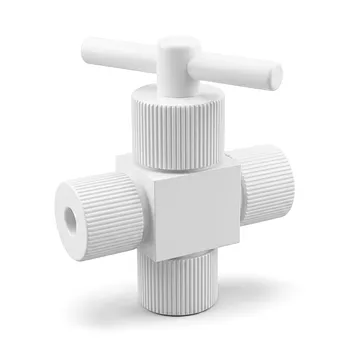
Corrosion Resistant PTFE Valves Customizable 2 Way 3 Way 4 Way High Temperature Teflon Fluid Control Solutions
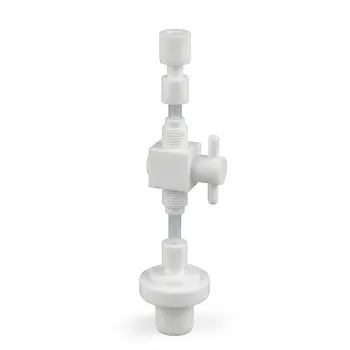
High Purity PFA PTFE Flare Stop Valves Customizable 2-Way 3-Way Reducing Fluoropolymer Fluid Control Solutions
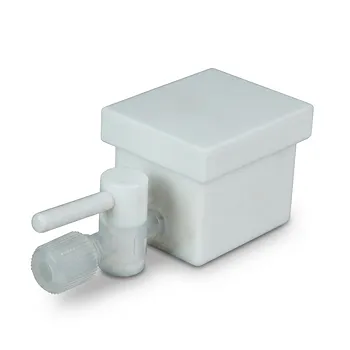
Custom PTFE Corrosion Resistant Insulating Electrophoresis Reaction Cell with Septum and Valves for Low Background Trace Analysis
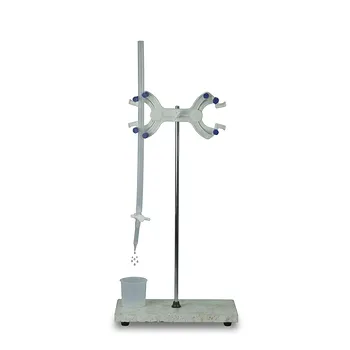
High Purity PFA Translucent Volumetric Burette with PTFE Valve for Acid Base Titration and Corrosive Reagent Handling
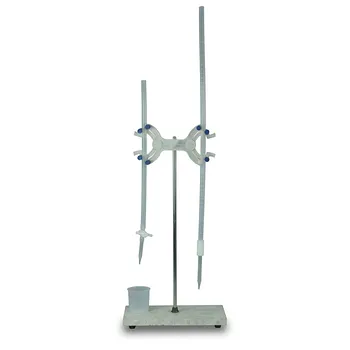
PFA Acid and Base Burette with PTFE Valve for Corrosive Chemical Analysis and Hydrofluoric Acid Resistance Customizable Labware