The fundamental reason PTFE-lined valves are suitable for aggressive media is the exceptional chemical inertness of Polytetrafluoroethylene (PTFE). This lining creates a non-reactive, protective barrier that isolates the valve's structural metal components from corrosive or high-purity fluids. It effectively prevents chemical attack on the valve body and ensures the purity of the media being transported.
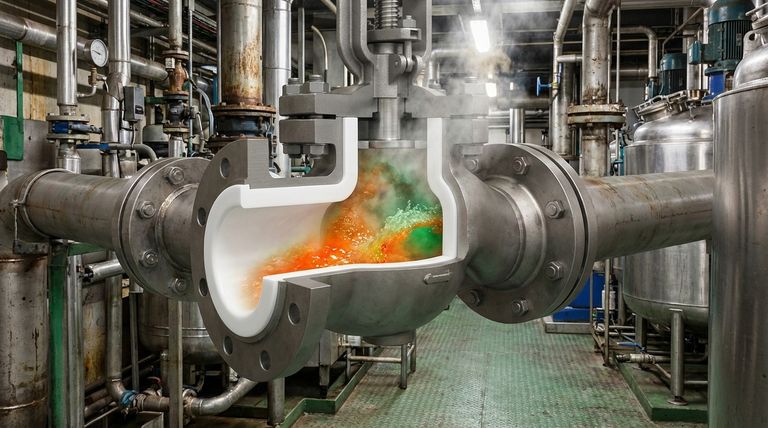
The core function of a PTFE-lined valve is not just to resist chemicals, but to create a complete and impassable shield. This design ensures the valve's long-term structural integrity while simultaneously protecting the purity of the fluid passing through it.
The Principle of the Protective Barrier
A PTFE-lined valve combines the mechanical strength of a metal body (like steel or ductile iron) with the superior chemical resistance of a PTFE liner. This composite design offers the best of both worlds.
How the Lining Functions
The valve's interior surfaces, which come into contact with the fluid, are completely covered by a thick, seamless layer of PTFE. This lining prevents any contact between the aggressive media and the metal valve body.
The PTFE is locked into place, ensuring it remains stable even under pressure, vacuum, and temperature fluctuations. This prevents corrosion, chemical attack, and eventual valve failure.
The Chemical Inertness of PTFE
PTFE is one of the most non-reactive materials known. Its molecular structure makes it impervious to a vast range of chemicals, including strong acids, bases, solvents, and other corrosive substances.
Because it does not react with the media, the PTFE liner will not swell, crack, or degrade over time, ensuring a reliable and long-lasting seal.
Maintaining Media Purity
The non-reactive nature of PTFE is also critical for applications where fluid purity is paramount, such as in the pharmaceutical, food, or semiconductor industries.
The liner does not leach particles or chemicals into the media, preventing contamination and ensuring the final product meets its quality specifications.
Key Properties That Ensure Reliability
Beyond its primary function as a chemical barrier, PTFE possesses several other properties that make it ideal for demanding industrial environments.
Broad Spectrum Resistance
PTFE is resistant to nearly all industrial chemicals, including highly aggressive substances like sulfuric acid, hydrochloric acid, sour gas, and acetone. This makes it a versatile solution for a wide variety of chemical processing applications.
Temperature and Pressure Tolerance
PTFE maintains its chemical resistance and physical stability across a wide temperature range. When combined with an energized spring or a robust valve body, it can handle applications involving both extreme temperatures and high pressures.
Abrasion Resistance
The lining is also durable enough to withstand the abrasive forces of fluids containing suspended solids, protecting the underlying metal from erosion.
Understanding the Trade-offs and Limitations
While extremely capable, PTFE-lined valves are not a universal solution. Understanding their limitations is critical for proper application and safety.
Chemical Exceptions
PTFE is exceptionally resistant, but it can be attacked by a few rare substances. These include molten alkali metals (like sodium) and highly reactive fluorinating agents. Always verify chemical compatibility for niche or unusual applications.
Permeation
For certain applications involving small-molecule gases (like chlorine or hydrogen), slow permeation through the PTFE liner can occur over long periods. In such critical services, this factor must be considered in the system design.
Mechanical Constraints
The overall performance of the valve is still governed by the mechanical limits of its body and other components. The pressure and temperature ratings of the entire valve assembly, not just the PTFE liner, must be respected to ensure safe operation.
Making the Right Choice for Your Application
Selecting the correct valve requires matching its capabilities to your primary operational goal.
- If your primary focus is handling highly corrosive acids and bases: A PTFE-lined valve offers one of the most reliable and cost-effective barriers against chemical attack for common industrial processes.
- If your primary focus is maintaining absolute media purity: The non-reactive and non-leaching properties of PTFE make it the ideal choice for high-purity applications where contamination is not an option.
- If your primary focus is safety in volatile or sour gas applications: The proven chemical resistance of PTFE provides a durable and trustworthy seal to prevent dangerous leaks in harsh environments.
By leveraging the unique properties of PTFE, you can ensure safe, reliable, and efficient control of your most challenging process fluids.
Summary Table:
| Property | Benefit for Handling Aggressive Media |
|---|---|
| Chemical Inertness | Resists nearly all industrial chemicals, including strong acids and solvents. |
| Protective Barrier | Isolates metal valve body from corrosive fluids, preventing failure. |
| Media Purity | Non-reactive and non-leaching, ideal for pharmaceutical and semiconductor use. |
| Temperature Tolerance | Maintains performance across a wide temperature range. |
| Abrasion Resistance | Withstands fluids with suspended solids. |
Need a reliable valve for your most aggressive media?
KINTEK specializes in manufacturing high-performance PTFE components, including custom-fabricated seals, liners, and labware. Our PTFE-lined valves are engineered to provide a complete, impassable shield against corrosive chemicals, protecting your equipment and ensuring product purity in semiconductor, medical, laboratory, and industrial applications.
We prioritize precision production and offer custom fabrication from prototypes to high-volume orders to meet your exact specifications.
Contact KINTEK today to discuss your specific requirements and ensure safe, efficient control of your challenging process fluids.
Visual Guide

Related Products
- PTFE Lined High Pressure Digestion Vessel 50ml High Temperature Hydrothermal Synthesis Tank
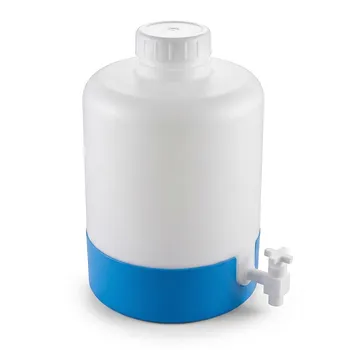
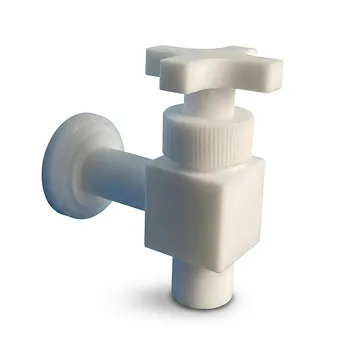
- High Corrosion Resistant PTFE Faucet Polytetrafluoroethylene Valve for Chemical Storage Drums and Fluid Transfer Systems Customizable Industrial Grade
- High Purity PTFE Faucet Corrosion Resistant Polytetrafluoroethylene Drum Valve Customizable Lab Chemical Fluid Control
- Corrosion Resistant PTFE Polytetrafluoroethylene Valve and Customizable Laboratory Fluid Dispensing Faucet for Aggressive Chemical Handling in Industrial Storage Tanks and Plastic Drums
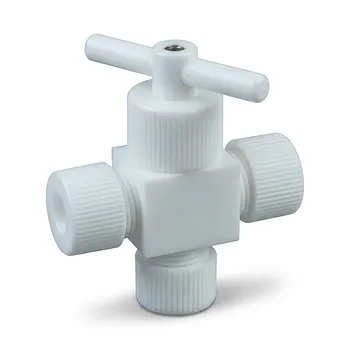
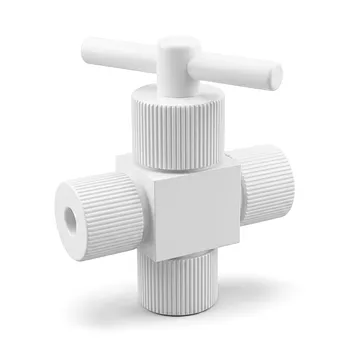
- Custom PTFE Valve 2-Way 3-Way Corrosion Resistant Low Background Virgin Fluoropolymer Industrial Fluid Control
People Also Ask
- What are the benefits of using a PTFE-lined vessel for carbon-sulfur cathode treatment? Maximize Purity & Performance
- Why are PTFE-lined pressure digestion vessels required for the preparation of Ag/CeO2 catalysts? Purity & Performance
- What safety features are typically incorporated into high-pressure PTFE digestion vessel designs? Ensure Lab Safety
- What is the function of PTFE lined high-pressure vessels in g-C3N4 synthesis? Achieve High-Purity Material Growth
- Role of High-Pressure Digestion Tanks in Perovskite Synthesis: Achieve Superior Stability and Latent Heat