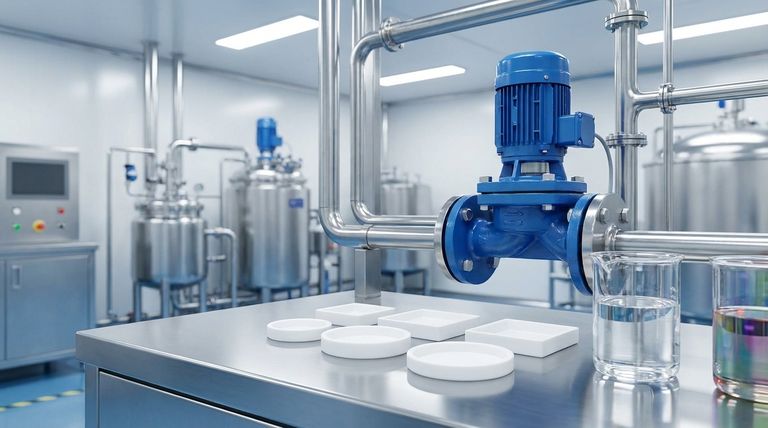
In short, industries use PTFE lined diaphragm valves whenever they need to handle either ultra-pure or highly corrosive fluids without risk of contamination or chemical attack. The primary users are the pharmaceutical, biotech, food & beverage, and chemical processing sectors, which rely on the valve's unique combination of a chemically inert lining and a hygienic, pocket-free design.
The core challenge in many advanced industries is controlling aggressive or sensitive fluids while maintaining absolute process integrity. PTFE lined diaphragm valves are the definitive solution, as they merge the exceptional chemical resistance of PTFE with a mechanical design that eliminates crevices where contaminants or corrosive media could accumulate.
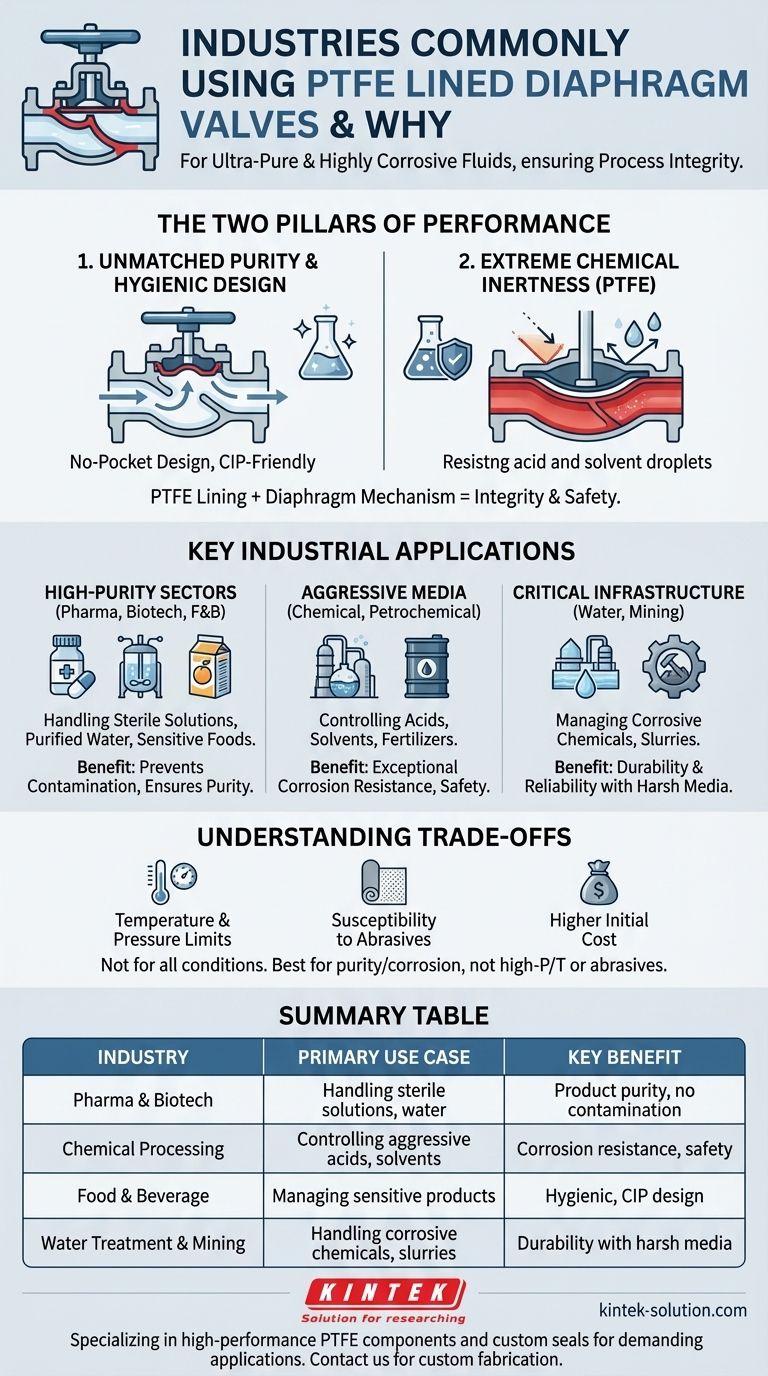
The Two Pillars of a PTFE Lined Diaphragm Valve
To understand why these valves are so critical, we need to look at their two fundamental advantages: the material of the lining (PTFE) and the mechanics of the valve (diaphragm).
Unmatched Purity and Hygienic Design
The diaphragm valve mechanism is inherently clean. A flexible diaphragm isolates the fluid from the valve's working parts (like the stem and actuator).
This creates a smooth, crevice-free internal pathway. There are no pockets or dead spaces for media to become trapped, which is essential for preventing bacterial growth or cross-contamination between batches.
This "no-pocket" design makes them ideal for Clean-in-Place (CIP) systems common in hygienic industries, where equipment must be thoroughly sanitized without disassembly.
Extreme Chemical Inertness
PTFE (Polytetrafluoroethylene) is one of the most chemically resistant materials known. It is effectively inert to nearly all industrial chemicals, acids, and solvents.
Lining the interior of a valve with PTFE protects the structural body (typically made of metal) from corrosion. This ensures the valve's longevity and, more importantly, prevents the fluid from being contaminated by leached metals.
This property makes them indispensable for handling aggressive and hazardous substances safely and efficiently.
Key Industrial Applications
Different industries leverage these valves to solve specific challenges related to their unique processes.
High-Purity Sectors: Pharma, Biotech, and Food & Beverage
For these industries, preventing contamination is the primary driver. The non-reactive, non-stick surface of PTFE combined with the valve's hygienic design ensures product purity.
They are used to handle purified water, sterile solutions, and sensitive food products like juices and dairy, where even minor contamination can ruin an entire batch.
Aggressive Media Sectors: Chemical and Petrochemical Processing
Here, the main concern is corrosion resistance and safety. These valves are used to control the flow of harsh chemicals, fertilizers, and petrochemicals.
The PTFE lining prevents the aggressive media from eating through the valve, ensuring operational safety and preventing costly and dangerous leaks.
Critical Infrastructure: Water Treatment and Mining
In wastewater and municipal water treatment, these valves handle corrosive chemicals like chlorine and other disinfectants with exceptional reliability.
In mining, they are used to manage corrosive slurries and chemical reagents used in metallurgical processes, where both chemical resistance and durability are required.
Understanding the Trade-offs
While highly effective, these valves are not a universal solution. Understanding their limitations is key to proper application.
Temperature and Pressure Limitations
PTFE is a polymer, and its performance is dependent on temperature and pressure. It has a lower operating temperature and pressure range compared to all-metal valves. Exceeding these limits can compromise the integrity of the lining.
Susceptibility to Abrasives
While excellent for corrosive fluids, PTFE is a relatively soft material. It is not ideal for services with sharp, highly abrasive particles, which can physically damage the lining over time and lead to failure.
Cost Considerations
PTFE lined diaphragm valves are specialized components. They often carry a higher initial cost than standard valves. However, this cost is frequently justified by their extended service life, reduced maintenance, and the prevention of process contamination or hazardous leaks.
Making the Right Choice for Your Process
The decision to use a PTFE lined diaphragm valve should be based on the specific demands of your application.
- If your primary focus is process purity and preventing contamination: These valves are the industry standard for ensuring hygienic, sterile, and contamination-free fluid handling.
- If your primary focus is handling highly corrosive chemicals safely: The inert PTFE lining offers unparalleled protection against chemical attack, making it a superior choice for safety and long-term reliability.
- If your primary focus is on high-pressure or high-temperature service with non-corrosive media: A standard metal valve, such as a globe or ball valve, is likely a more suitable and cost-effective option.
Ultimately, selecting the correct valve is about matching the engineering to the specific chemical and physical demands of your system to ensure safety and integrity.
Summary Table:
| Industry | Primary Use Case | Key Benefit |
|---|---|---|
| Pharmaceutical & Biotech | Handling sterile solutions, purified water | Ensures product purity, prevents contamination |
| Chemical Processing | Controlling aggressive acids, solvents | Exceptional corrosion resistance, safety |
| Food & Beverage | Managing sensitive products (juices, dairy) | Hygienic, clean-in-place (CIP) design |
| Water Treatment & Mining | Handling corrosive chemicals, slurries | Durability and reliability with harsh media |
Need a reliable valve for aggressive or ultra-pure fluids?
KINTEK specializes in manufacturing high-performance PTFE components, including custom seals and liners for demanding applications in the semiconductor, medical, laboratory, and industrial sectors. Our precision production ensures your equipment handles corrosive or sensitive media safely and without contamination.
Contact us today to discuss your specific requirements for custom fabrication, from prototypes to high-volume orders. Let our expertise enhance your process integrity and safety.
Visual Guide
Related Products
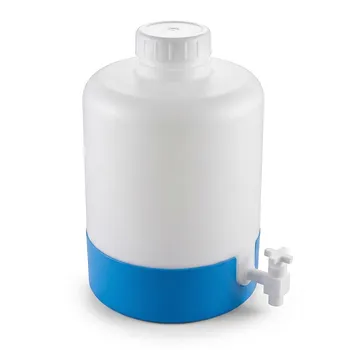
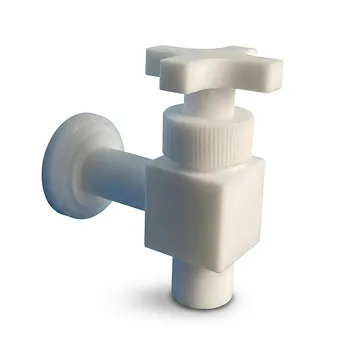
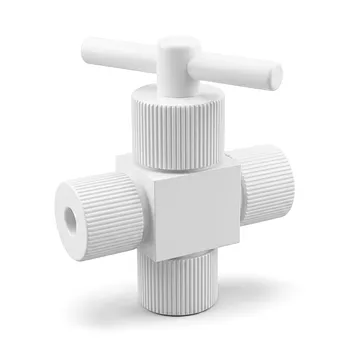
- High Purity PTFE Faucet Corrosion Resistant Polytetrafluoroethylene Drum Valve Customizable Lab Chemical Fluid Control
- High Corrosion Resistant PTFE Faucet Polytetrafluoroethylene Valve for Chemical Storage Drums and Fluid Transfer Systems Customizable Industrial Grade
- PTFE Lined High Pressure Digestion Vessel 50ml High Temperature Hydrothermal Synthesis Tank
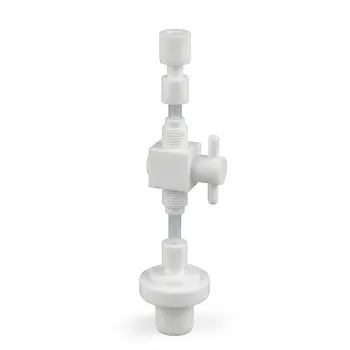
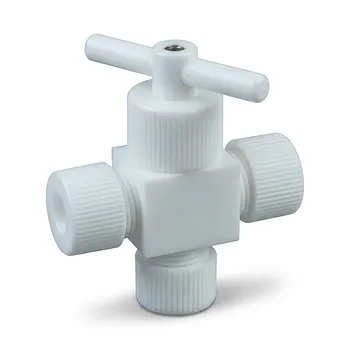
- High Purity PFA PTFE Flare Stop Valves Customizable 2-Way 3-Way Reducing Fluoropolymer Fluid Control Solutions
- Corrosion Resistant PTFE Polytetrafluoroethylene Valve and Customizable Laboratory Fluid Dispensing Faucet for Aggressive Chemical Handling in Industrial Storage Tanks and Plastic Drums
People Also Ask
- What are the key properties of PTFE valves? Ensure Purity, Safety, and Reliability in Demanding Processes
- What is the typical operating temperature and pressure range for PTFE valves? Key Specs for Optimal Performance
- What industries commonly use PTFE valves and components? Essential for Chemical & Purity Applications
- What specific advantages do PTFE valves offer? Unmatched Corrosion Resistance for Industrial Chemical Handling
- How do PTFE valves and components support high-purity liquid transfer? Ensure Product Integrity with Inert Materials