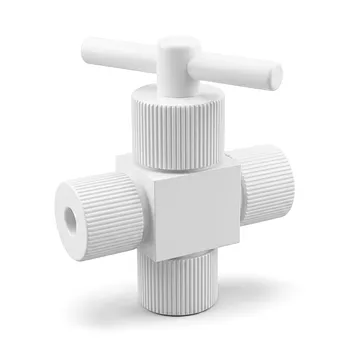
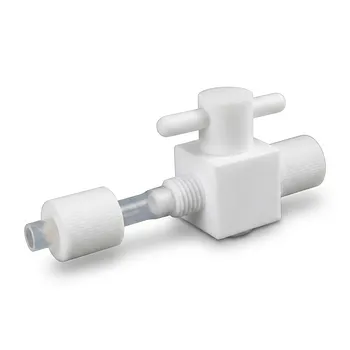
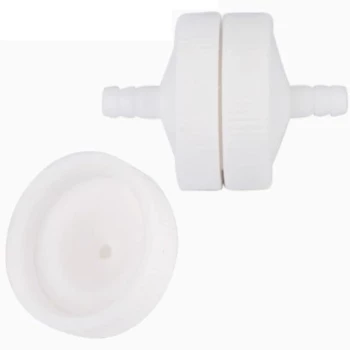
In short, PTFE-lined ball valves are specified for food and pharmaceutical industries because the PTFE material is FDA-compliant, chemically inert, and exceptionally easy to sanitize. This unique combination of properties directly addresses the core requirements of these highly regulated fields: ensuring absolute product purity and maintaining sterile processing environments.
The suitability of PTFE is not about a single feature, but its powerful combination of regulatory compliance, chemical non-reactivity, and a non-stick surface. This synergy guarantees product integrity while meeting the demanding operational needs of sterile applications.

The Foundation: Regulatory Compliance and Purity
In industries where consumer safety is paramount, material choice is dictated by strict regulations. PTFE's fundamental properties make it an ideal candidate from a compliance standpoint.
Meeting FDA and USDA Standards
The most critical factor is that virgin PTFE complies with FDA standards for materials intended for food contact. This is a non-negotiable requirement for any component within the processing line.
This approval confirms that the material is safe and will not leach harmful substances into the product. It is recognized as non-toxic, non-carcinogenic, and non-allergenic.
Ensuring Product Integrity
Beyond official compliance, PTFE is inherently non-contaminating. It is a highly pure polymer that does not impart any taste, color, or odor to the substances it touches.
This ensures that the final product—be it a medication or a food item—remains exactly as intended, free from any alteration caused by the processing equipment.
Critical Operational Advantages in Sterile Environments
While compliance is the ticket to entry, PTFE’s physical properties provide tangible benefits that simplify operations and enhance safety in sterile manufacturing.
Unmatched Chemical Inertness
PTFE is one of the most non-reactive materials known. It does not react with sensitive pharmaceutical compounds, active ingredients, or food products.
Crucially, this inertness extends to the aggressive cleaning agents and sterilization processes (like Steam-in-Place or Clean-in-Place) used to maintain hygiene. The valve lining will not corrode or degrade, ensuring a long service life and consistent performance.
Superior Non-Stick Surface
The non-stick quality of PTFE is vital. Its surface is exceptionally smooth and non-wetting, which prevents products from adhering to the valve's internal components.
This property dramatically simplifies cleaning and sanitization, reducing the time and resources needed for changeovers. It also minimizes the risk of cross-contamination between different product batches.
Resistance to Microbial Growth
The microscopic structure of a PTFE surface is smooth, lacking the tiny pits and crevices where bacteria can harbor and multiply.
This inherent resistance to bacterial growth is a significant advantage in maintaining the strict hygiene standards required in both food and pharmaceutical production.
Understanding the Trade-offs
While PTFE is an excellent choice for these applications, it is essential to understand its limitations to ensure proper use. Objectivity requires acknowledging where it may not be the ideal fit.
Susceptibility to Abrasives
PTFE is a relatively soft material. It is not well-suited for applications involving abrasive slurries or fluids containing hard particulates, as these can physically damage the liner over time.
Temperature and Pressure Boundaries
While it has good temperature resistance, PTFE does have operational limits. In applications involving very high pressures combined with high temperatures, the material can be subject to deformation or "creep," which could compromise the seal.
Installation Sensitivity
Lined components require careful handling. Any damage to the PTFE liner during installation, such as a deep scratch, can create a potential failure point and a site for contamination.
Making the Right Choice for Your Application
Selecting the correct valve material is a critical decision based on your specific process requirements. PTFE provides a powerful solution centered on safety and purity.
- If your primary focus is absolute product purity and avoiding contamination: PTFE's inertness and FDA compliance make it the default and most reliable choice.
- If your process involves aggressive sterilization or harsh cleaning chemicals: PTFE's broad chemical resistance ensures the valve will not degrade, providing long-term operational integrity.
- If your medium is highly viscous or prone to sticking: The non-stick surface of PTFE will significantly improve flow and simplify your cleaning protocols.
Ultimately, selecting PTFE-lined components is a decision to prioritize safety, compliance, and operational hygiene in the most demanding applications.
Summary Table:
| Key Property | Benefit for Food & Pharma |
|---|---|
| FDA Compliance | Guarantees material safety for product contact, meeting strict regulations. |
| Chemical Inertness | Resists reaction with sensitive products and aggressive cleaning agents. |
| Non-Stick Surface | Prevents product adhesion, simplifies cleaning, and reduces contamination risk. |
| Resistance to Microbial Growth | Smooth surface minimizes areas for bacteria to harbor, supporting hygiene. |
Ensure the purity and compliance of your process lines with precision-engineered PTFE components from KINTEK.
Whether you are in the semiconductor, medical, laboratory, or industrial sector, our expertise in manufacturing high-quality PTFE seals, liners, labware, and custom components is your guarantee of product integrity. We specialize in custom fabrication, from prototypes to high-volume orders, ensuring a perfect fit for your specific application.
Contact us today to discuss how our PTFE solutions can enhance the safety and efficiency of your operations.
Visual Guide

Related Products
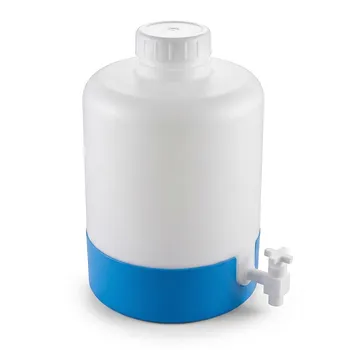
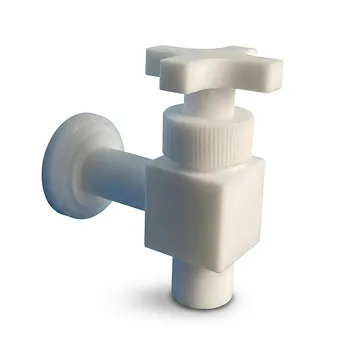
- High Purity PTFE Faucet Corrosion Resistant Polytetrafluoroethylene Drum Valve Customizable Lab Chemical Fluid Control
- High Corrosion Resistant PTFE Faucet Polytetrafluoroethylene Valve for Chemical Storage Drums and Fluid Transfer Systems Customizable Industrial Grade
- Corrosion Resistant PTFE Polytetrafluoroethylene Valve and Customizable Laboratory Fluid Dispensing Faucet for Aggressive Chemical Handling in Industrial Storage Tanks and Plastic Drums
- PTFE Lined High Pressure Digestion Vessel 50ml High Temperature Hydrothermal Synthesis Tank
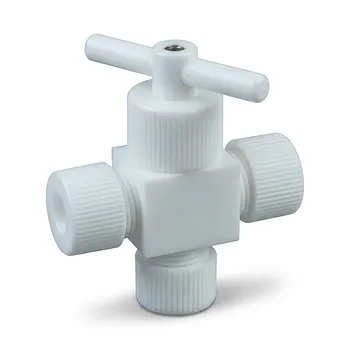
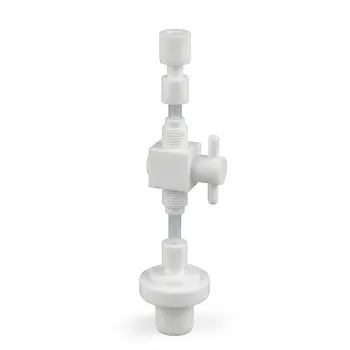
- Custom PTFE Valve 2-Way 3-Way Corrosion Resistant Low Background Virgin Fluoropolymer Industrial Fluid Control
People Also Ask
- What are the key properties of PTFE valves? Ensure Purity, Safety, and Reliability in Demanding Processes
- What is the typical operating temperature and pressure range for PTFE valves? Key Specs for Optimal Performance
- What industries commonly use PTFE valves and components? Essential for Chemical & Purity Applications
- What specific advantages do PTFE valves offer? Unmatched Corrosion Resistance for Industrial Chemical Handling
- How do PTFE valves and components support high-purity liquid transfer? Ensure Product Integrity with Inert Materials