All Questions
What Are Ptfe T-Seals And Where Are They Typically Used? A Guide To High-Performance Sealing
Explore PTFE T-seals: their unique T-shape design, superior chemical & temperature resistance, and critical applications in demanding industries.
How Do Bi-Directional Ptfe Lip Seals Differ From Unidirectional Seals? Choose The Right Seal For Your Application
Learn the key differences between unidirectional and bi-directional PTFE lip seals, including design, function, and application guidelines.
What Are The Characteristics Of Unidirectional Ptfe Lip Seals? Superior One-Way Sealing For Demanding Applications
Explore the key characteristics of unidirectional PTFE lip seals: low friction, extreme temperature & chemical resistance, and high-pressure capability.
What Are The Main Industries That Use Ptfe Lip Seals? Solve Extreme Sealing Challenges
Discover why PTFE lip seals are essential for aerospace, oil & gas, chemical, and medical industries. Learn their benefits for extreme conditions.
What Types Of Working Conditions Can Ptfe Seals Adapt To? Conquer Extreme Heat, Cold, And Chemicals
Discover how PTFE seals excel in extreme temperatures (-200°C to +260°C), high pressure, and aggressive chemicals for reliable performance in demanding applications.
How Do Ptfe Seals Help In Reducing Maintenance Costs For Ball Valves? Slash Downtime & Boost Reliability
Discover how PTFE seals in ball valves cut costs by reducing friction, eliminating lubrication needs, and resisting corrosion for longer service life.
How Do Ptfe Seals Compare To Traditional Sealing Materials In Terms Of Service Life? Extend Equipment Lifespan Dramatically
PTFE seals offer significantly longer service life than traditional materials due to superior chemical resistance, high-temperature tolerance, and low friction.
What Properties Of Ptfe Seals Contribute To Extending The Service Life Of Ball Valves? Achieve Long-Term Reliability
Discover how PTFE seals' chemical resistance, low friction, and self-lubrication extend ball valve life in demanding applications.
How Do Ptfe Seals Enhance Sealing Performance In Ball Valves? Achieve Superior, Leak-Proof Sealing
Discover how PTFE seals provide unmatched chemical resistance, low friction, and durability for reliable, long-lasting ball valve performance in demanding applications.
What Are The Advantages Of Ptfe Sealing Materials In Improving Ball Valve Performance? Boost Reliability & Lifespan
Discover how PTFE seals offer superior chemical resistance, low friction, and leak-proof performance to extend ball valve life and reduce maintenance.
How Might Nanotechnology Improve Ptfe Seal Performance? Achieve Unmatched Durability And Efficiency
Discover how nanotechnology enhances PTFE seals with lower friction, superior chemical resistance, and longer service life for demanding applications.
What Makes Ptfe Seals Suitable For Food And Pharmaceutical Applications? Ensure Purity And Compliance
Learn why PTFE seals are ideal for food & pharma: non-toxic, chemically inert, high-temperature resistant, and non-stick for superior hygiene.
Why Is Ptfe's Temperature Stability Important For Sealing Applications? Ensure Leak-Proof Performance From -200°C To 260°C
Discover how PTFE's exceptional temperature stability prevents leaks in extreme environments, maintaining flexibility and integrity from cryogenic to high heat.
What Are The Future Development Trends For Ptfe Seal Technology? Advanced Materials & Precision Manufacturing
Explore the future of PTFE seals: engineered composites, 3D printing, and sustainable manufacturing for superior performance in demanding industries.
What Are The Main Advantages Of Using Ptfe Seals? Superior Performance For Demanding Applications
Discover the key benefits of PTFE seals: extreme chemical resistance, wide temperature range, low friction, and exceptional durability for demanding industries.
Which Industries Commonly Use Ptfe Seals And Why? Unlock Unmatched Performance In Harsh Environments
Discover why aerospace, oil & gas, medical, and chemical industries rely on PTFE seals for extreme temperature, chemical resistance, and low friction.
What Types Of Ptfe Seals Are Commonly Used In Industrial Applications? Choose The Right Seal For Your Needs
Discover common PTFE seal types for industrial use: static O-rings, dynamic lip seals, and specialized spring-energized seals for extreme conditions.
How Do Ptfe-Coated O-Rings Contribute To System Reliability? Enhance Seal Life And Performance
Learn how PTFE-coated O-rings improve reliability by reducing installation damage, providing chemical resistance, and minimizing wear in demanding applications.
What Makes Ptfe-Coated O-Rings Valuable In The Oil And Gas Industry? Enhance Seal Life In Harsh Conditions
Discover how PTFE-coated O-rings combine chemical resistance, extreme temperature stability, and low friction for reliable sealing in oil and gas applications.
Why Are Ptfe-Coated O-Rings Particularly Suitable For Food Processing Applications? Ensure Ultimate Hygiene & Safety
Discover why PTFE-coated O-rings are ideal for food processing, offering non-stick surfaces, chemical inertness, and FDA compliance for superior hygiene.
What Are The Primary Industrial Applications Of Ptfe-Coated O-Rings? Solve Critical Sealing Challenges
Discover how PTFE-coated O-rings provide low friction, chemical resistance, and thermal stability for demanding applications in aerospace, chemical, and food industries.
What Are The Uv Resistance Properties Of Ptfe-Coated O-Rings? Achieve Superior Outdoor Sealing Performance
Learn why PTFE-coated O-rings offer excellent UV resistance for static outdoor applications and the critical role of the core elastomer.
What Electrical Properties Do Ptfe-Coated O-Rings Possess? Superior Surface Insulation For Static Seals
Learn how PTFE-coated O-rings provide excellent electrical insulation and low friction, but are best suited for static, not dynamic, applications.
How Does The Low Friction Property Of Ptfe Benefit O-Rings? Extend Seal Life And Boost Efficiency
Discover how PTFE's low friction reduces wear, saves energy, and prevents heat in O-rings for superior dynamic sealing performance in demanding applications.
What Temperature Range Can Ptfe-Coated O-Rings Withstand? Unlocking The True Limits Of Your Seals
PTFE coatings can handle -200°C to 260°C, but the base O-ring material dictates the seal's true temperature and chemical resistance.
What Are The Main Chemical Resistance Properties Of Ptfe-Coated O-Rings? Uncover The True Role Of The Coating
PTFE-coated O-ring chemical resistance depends on the core elastomer, not the coating. Learn how to properly specify seals for your application.
What Are The Advantages Of Ptfe-Coated O-Rings Compared To Ffkm Materials? Lower Cost Vs. Ultimate Performance
Explore the key differences between PTFE-coated and FFKM O-rings, including cost, friction, and reliability for semiconductor, medical, and lab applications.
What Are The Key Properties Of Ptfe As An O-Ring Material? Maximize Performance In Harsh Environments
Discover PTFE O-ring properties: extreme chemical inertness, wide temperature range (-70°C to +250°C), low friction, and key design considerations for sealing success.
What Is A Ptfe Coated O-Ring? A Hybrid Seal For Low Friction & Chemical Resistance
Learn how PTFE coated O-rings combine rubber's flexibility with PTFE's low friction and chemical resistance for superior sealing performance.
What Precautions Should Be Taken When Specifying Ptfe Lip Seals? Ensure Long-Term Reliability For Your Application
Learn key precautions for specifying PTFE lip seals, including shaft optimization, material selection, and proper installation to prevent premature failure.
What Is The Role Of Factory Run Tests For Ptfe Lip Seals? De-Risk Your Critical Sealing Applications
Learn how factory run tests validate PTFE lip seal design for demanding applications, preventing costly failures in semiconductor, medical, and industrial equipment.
In What Applications Are Ptfe Crimped Designs Commonly Used? Sealing Solutions For Extreme Environments
Discover where PTFE crimped seals excel: chemical pumps, automotive seals, and gears. Learn how PTFE's chemical inertness and low friction solve critical sealing challenges.
What Are The Operational Benefits Of Ptfe Lip Seals? Unlock Reliability In Extreme Conditions
Discover how PTFE lip seals deliver superior performance in high temperature, pressure, and speed applications with unmatched chemical resistance.
What Are The Properties Of Ptfe Lip Seals When Blended With Fillers? Enhance Performance For Demanding Seals
Discover how fillers transform PTFE lip seals, boosting wear resistance, compressive strength, and reducing friction for superior performance in harsh environments.
What Future Developments Are Expected For Teflon O-Rings? Advanced Composites & Smarter Designs
Explore the future of Teflon O-rings: advanced PTFE composites and innovative energized seal designs for superior chemical, thermal, and mechanical performance.
How Should Teflon O-Rings Be Maintained? A Proactive Guide To Prevent Seal Failure
Learn the unique maintenance strategy for Teflon O-rings, focusing on inspection for cold flow and deformation to ensure system integrity.
What Factors Should Be Considered When Selecting Teflon O-Rings? Solid Vs. Encapsulated Ptfe Seals
Compare solid vs. encapsulated Teflon O-rings for chemical resistance, temperature range, and flexibility. Choose the right PTFE seal for your application.
In Which Industries Are Teflon O-Rings Commonly Used? Sealing Solutions For Extreme Conditions
Discover how Teflon (PTFE) O-rings provide reliable seals in chemical, pharmaceutical, food & beverage, and semiconductor industries.
What Advantages Do Teflon O-Rings Offer? Superior Sealing For Extreme Conditions
Discover the key benefits of Teflon (PTFE) O-rings: unmatched chemical resistance, extreme temperature range, and low friction for demanding applications.
What Is A Teflon O-Ring And What Is Its Primary Function? A Guide To Superior Sealing
Learn the difference between solid PTFE and encapsulated Teflon O-rings. Choose the right seal for chemicals, temperature, and pressure.
How Are Ptfe Seals Enhanced For Mechanical Applications? Boost Durability & Performance With Filled Ptfe
Learn how fillers like carbon, glass, and bronze enhance PTFE seals for superior wear resistance, dimensional stability, and strength in demanding applications.
Where Are Ptfe Seals Commonly Used? Critical Sealing Solutions For Extreme Environments
Discover the essential applications of PTFE seals in chemical processing, aerospace, medical devices, and more, driven by their chemical inertness and extreme temperature resistance.
What Are The Key Advantages Of Ptfe Rotary Shaft Seals In Automotive Use? Boost Performance & Efficiency
Discover how PTFE rotary shaft seals deliver superior high-temperature stability, low friction, and chemical resistance for demanding automotive applications.
How Do Ptfe Seals Contribute To Reducing Vehicle Emissions? Achieve Cleaner, More Efficient Vehicles
Discover how PTFE seals prevent leaks, reduce wear, and ensure long-term compliance with emission standards by withstanding extreme automotive conditions.
Why Are Ptfe Seals Preferred For High Surface Speed Applications? Achieve Superior Sealing Performance
Discover why PTFE seals are ideal for high-speed applications, offering low friction, high heat resistance, and exceptional durability for demanding environments.
What Makes Ptfe Seals Suitable For High-Temperature Applications? Unmatched Thermal & Chemical Stability
Discover why PTFE seals excel in extreme heat (up to 260°C/500°F) with high melting point, chemical inertness, and low friction.
How Do Ptfe Seals Perform In Chemically Aggressive Environments? Ensure Unmatched Chemical Resistance
Discover why PTFE seals are the top choice for harsh chemicals, offering inertness against acids, bases, solvents, and fuels.
Why Are Ptfe Shaft Seals Known For Their Low Friction? Achieve Maximum Efficiency And Longevity
Learn how PTFE's self-lubricating nature provides low friction, reducing wear, saving energy, and enabling reliable dry-running performance.
What Are Some Common Automotive Applications Of Ptfe Seals? Solve High-Temp, High-Speed Sealing Challenges
Discover how PTFE seals enhance reliability in automotive engines, transmissions, fuel systems, and more with superior chemical & temperature resistance.
What Are The Key Characteristics Of Ptfe As A Sealing Material? Unlock Superior Chemical & Thermal Resistance
Explore PTFE's key sealing properties: extreme chemical inertness, wide temperature range, low friction, and non-stick surface for demanding applications.
In Which Industries Are Ptfe Seals Commonly Used? Essential For Extreme Environments
Discover why PTFE seals are critical in semiconductor, aerospace, medical, chemical, and oil & gas industries for unmatched reliability.
What Makes Ptfe Seals Dimensionally Stable? Engineered Rigidity For Demanding Seals
Learn how PTFE's molecular properties and precision manufacturing ensure dimensional stability for reliable performance in critical applications.
How Does The Non-Stick Surface Of Ptfe Benefit Seals? Unlock Self-Cleaning Performance And Reliability
Discover how PTFE's non-stick surface prevents contamination, reduces maintenance, and extends seal life in demanding applications.
Why Is Ptfe's Low Friction Coefficient Advantageous For Seals? Boost Efficiency & Reduce Wear
Discover how PTFE's low friction seals minimize energy loss, prevent component wear, and ensure reliable operation in demanding environments.
What Temperature Range Can Ptfe Seals Withstand? -200°C To 260°C & Beyond
Learn the operational temperature range of PTFE seals, from -200°C to 260°C, and how filler materials and design impact performance.
How Does Ptfe's Chemical Resistance Benefit Seals? Ensure Leak-Free Performance In Harsh Environments
Discover how PTFE seals' chemical inertness, wide temperature range, and low friction prevent leaks and ensure reliability in corrosive applications.
What Are The Key Benefits Of Using Ptfe For Seals? Unlock Superior Performance In Extreme Conditions
Discover how PTFE seals offer unmatched chemical resistance, extreme temperature tolerance, and ultra-low friction for demanding applications.
What Are The Notable Performance Characteristics Of Ptfe Seals? Unlock Unmatched Chemical & Thermal Resistance
Discover the key properties of PTFE seals: extreme chemical resistance, wide temperature range (-200°C to 260°C), and the lowest friction coefficient.
What Types Of Fillings Can Be Incorporated Into Ptfe Seals? Enhance Performance With Glass, Carbon & Polymer Fillers
Learn how glass, carbon, and polymer fillers boost PTFE seal performance in wear resistance, compressive strength, and thermal stability for demanding applications.
What Temperature Range Can Ptfe Seals Typically Operate In? From Cryogenic -200°C To High-Temp 260°C
Learn the wide operating temperature range of PTFE seals (-200°C to 260°C), key factors affecting performance, and how to select the right seal for your application.
What Are The Key Benefits Of Using Ptfe In Seals? Achieve Unmatched Reliability In Extreme Conditions
Discover the top benefits of PTFE seals: superior chemical resistance, extreme temperature range, low friction, and high durability for demanding applications.
Why Is An Energizer Often Used With Ptfe Seals? To Overcome Ptfe's Lack Of Resilience
Learn why PTFE seals need an energizer for constant sealing force. Essential for chemical resistance, low friction, and reliable performance in demanding applications.
What Materials Are Commonly Used To Fortify Ptfe Seals? Enhance Performance With Glass, Carbon, Graphite & Bronze
Discover how fillers like glass fiber, carbon, and bronze fortify PTFE seals for superior wear resistance, strength, and flexibility in demanding applications.
What Are The Main Properties Of Ptfe That Make It Valuable As A Sealing Material? Discover The Ultimate Sealing Solution
Explore the key properties of PTFE for sealing: extreme chemical inertness, wide temperature range, and low friction for demanding applications.
What Are The Design And Fitting Guidelines For Installing Ptfe Piston Rings? Ensure A Leak-Free, Long-Lasting Seal
Learn the critical PTFE piston ring installation guidelines for groove prep, surface finish, and handling to achieve maximum seal performance and lifespan.
Which Contact Surfaces Provide The Best Wear Resistance For Ptfe Piston Rings? Design A High-Performance System
Discover the optimal contact surface materials and surface finishes for PTFE piston rings to achieve maximum wear resistance and long service life.
What Factors Influence The Selection Of Ptfe Compounds For Piston Rings? Match Your Application's Demands
Learn how to select the right PTFE compound for piston rings based on mating surface, operating medium, pressure, speed, and temperature.
What Are The Operational Limit Values For Ptfe Piston Rings? Optimize Speed, Pressure & Temperature
Learn the key operational limits for PTFE piston rings: speed up to 5.2 m/s, temperature -60°C to +200°C, and pressure up to 100 bar for reliable performance.
How Do Ptfe Piston Rings Achieve Sealing Without Additional Components? Discover The Self-Clamping Principle
Learn how PTFE piston rings use self-clamping via inherent tension and pressure activation for reliable, oil-free sealing in demanding applications.
What Industries Use Ptfe Piston Rings? Key Applications For Oil-Free & Corrosive Environments
Discover the industries and applications that rely on PTFE piston rings for oil-free operation and chemical resistance in compressors, automotive, and medical sectors.
What Are The Key Benefits Of Using Ptfe For Piston Rings In Oil-Free Compressors? Achieve Clean, Efficient Compression
Discover how PTFE's self-lubrication, thermal stability, and chemical inertness enable reliable, oil-free compressor performance for pure gas delivery.
In What Types Of Environments Should Ptfe Seals Be Considered? Ensure Reliability In Extreme Conditions
Learn when to use PTFE seals for superior performance in extreme temperatures, harsh chemicals, high pressure, and high-speed applications.
Which Type Of Seal Is Best Suited For High-Speed Applications? Ptfe Seals For Speeds Up To 35 M/S
Discover why PTFE seals are the top choice for high-speed applications, offering minimal friction and superior heat resistance to prevent premature failure.
What Makes Ptfe Superior In Terms Of Chemical Resistance Compared To Rubber Seals? The Key To Unmatched Reliability
Discover why PTFE's inert molecular structure provides near-universal chemical resistance, while rubber seals are vulnerable to degradation from specific chemicals.
How Does The Operating Temperature Range Of Ptfe Compare To Rubber Seals? The Ultimate Guide To Extreme-Temperature Sealing
PTFE seals operate from -100°F to 500°F, far exceeding rubber's thermal limits. Learn when to choose PTFE for extreme temperature applications.
What Are The Main Advantages Of Using Ptfe Over Rubber In Rotary Shaft Seals? Superior Performance In Extreme Conditions
Discover why PTFE seals outperform rubber in extreme temperatures, aggressive chemicals, and high-speed applications. Learn the key advantages for your equipment.
What Speed Capability Do Ptfe Oil Seals Have? Handle High-Speeds Up To 30 M/S
PTFE oil seals excel in high-speed applications, handling up to 30 m/s with low friction and high-temperature resistance for demanding environments.
What Are The Friction Characteristics Of Ptfe Oil Seals? Unlock Superior Performance With Low-Friction Seals
Explore the low-friction, self-lubricating properties of PTFE oil seals. Learn how they reduce wear, save energy, and ensure reliable performance.
What Unique Feature Does The Ptfe Oil Seal Have For Fluid Retention? Active Hydrodynamic Sealing Explained
Discover how PTFE oil seals use reverse-thread grooves for active fluid retention, enabling superior performance in high-pressure and high-speed applications.
How Does The Ptfe Oil Seal's Design Handle Shaft Eccentricity? Achieve Reliable Sealing Under Dynamic Conditions
Discover how PTFE oil seals use a wide-lip design to maintain a stable oil film and handle shaft eccentricity up to 0.4mm, ensuring leak-free performance.
What Are The Structural Differences Between Ptfe Oil Seals And Rubber Oil Seals? A Guide To Lip Design & Performance
Explore the core structural differences between PTFE and rubber oil seals, focusing on lip design, sealing mechanisms, and performance in demanding applications.
What Purity Standards Do Ptfe Bellow Seals Meet? Ensure Compliance In Critical Applications
Learn about the FDA, ISO, and ASTM standards PTFE bellow seals meet for pharmaceutical, medical, and semiconductor purity requirements.
What Environmental Resistance Properties Do Ptfe Bellow Seals Have? Withstand Harsh Chemicals & Extreme Temperatures
Discover the exceptional environmental resistance of PTFE bellow seals, including chemical inertness, UV stability, and a wide temperature range from -200°C to +260°C.
What Chemical Resistance Properties Does Ptfe Bellow Seal Possess? Unmatched Protection Against Corrosive Media
Learn how PTFE bellow seals resist concentrated acids, bases, solvents, and oxidizers. Understand their few critical limitations for safe deployment.
What Lubrication Characteristics Does Ptfe Offer For Mechanical Seals? Achieve Oil-Free, Low-Friction Sealing
Discover PTFE's unmatched lubrication for mechanical seals: lowest coefficient of friction, non-adhesion, and chemical inertness for demanding applications.
What Electrical Properties Do Ptfe Mechanical Seals Possess? Superior Insulation For Demanding Applications
PTFE seals offer exceptional electrical insulation with high volume resistance (10¹⁸ ohm/cm), low dielectric loss, and stable performance across temperatures and frequencies.
What Temperature Range Can Welded Ptfe Bellow Seals Withstand? Unmatched Performance From -200°C To +260°C
Discover the extreme thermal range of PTFE bellow seals: cryogenic -200°C to high-temp +260°C. Ideal for semiconductor, medical, and industrial sealing.
What Are The Main Advantages Of Ptfe Mechanical Seals? Superior Chemical & Temperature Resistance
Discover the key benefits of PTFE mechanical seals: unmatched chemical inertness, extreme temperature & pressure tolerance, and low friction for efficiency.
What Are The Operating Parameters For Ptfe Bellow Mechanical Seals? A Guide To Reliable Performance In Corrosive Environments
Learn the key operating parameters for PTFE bellow seals: temperature range, pressure limits, speed, and sizing for handling corrosive chemicals.
What Is The Typical Application Of Ptfe Bellow Mechanical Seals In Pumps? Sealing Corrosive Fluids
Learn why PTFE bellow seals are essential for pumps handling aggressive chemicals. Discover their ideal applications, limits, and key benefits.
What Are The Main Features Of Ptfe Bellow Mechanical Seals? A Guide To Extreme Chemical Resistance And Reliability
Discover the key features of PTFE bellow seals: unmatched chemical resistance, low friction, and flexible design for demanding applications.
In Which Industries Are Ptfe Bellow Mechanical Seals Commonly Used? The Ultimate Solution For Corrosive Fluids
Discover why PTFE bellow seals are essential for chemical, pharmaceutical, and aerospace industries. Learn their benefits, limits, and ideal applications.
What Are The Key Properties Of Ptfe That Make It Suitable For Mechanical Seals? Unlock Superior Sealing Performance
Discover why PTFE's chemical inertness, low friction, and wide temperature range make it the ideal material for reliable, long-lasting mechanical seals.
What Factors Should Be Considered When Selecting Ptfe Sealing Solutions? Ensure Reliability In Demanding Environments
Learn the key factors for choosing PTFE seals: chemical inertness, thermal stability, low friction, and managing creep. Optimize for semiconductor, medical, and industrial use.
How Do Energized Ptfe Seals Work? Achieve Reliable Sealing From Zero To High Pressure
Discover how energized PTFE seals combine mechanical force and system pressure for leak-proof performance in extreme temperatures and harsh chemicals.
How Can Ptfe Be Modified To Enhance Its Sealing Properties? Boost Durability & Performance
Learn how PTFE fillers like carbon, glass, and bronze combat cold flow and wear to create high-performance seals for demanding applications.
What Are The Advantages Of Ptfe-Based Seals? Unmatched Performance In Extreme Conditions
Discover why PTFE seals excel with superior chemical resistance, extreme temperature tolerance, and the lowest friction for demanding applications.
What Are Some Common Ptfe-Based Sealing Components And Their Functions? Discover High-Performance Sealing Solutions
Explore common PTFE sealing components like piston seals, wipers, and guide strips. Learn their functions and how they ensure reliability in harsh environments.
Why Is Ptfe Considered An Ideal Material For Demanding Hydraulic And Pneumatic Applications? Ensure Superior Sealing Performance And Reliability
Discover how PTFE's chemical inertness, low friction, and extreme temperature stability solve critical challenges in hydraulic and pneumatic systems.
What Materials Are Used For Hydraulic And Pneumatic Sealing? Choose The Right Seal For Extreme Conditions
Explore common hydraulic seal materials like NBR, PU, FKM, and PTFE. Learn how to select the right material for temperature, pressure, and chemical resistance.
Related Products
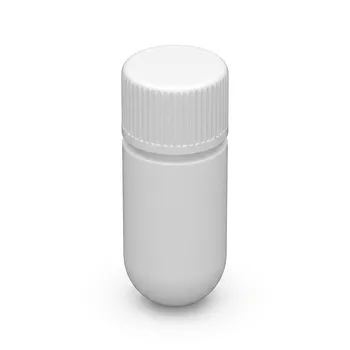
PTFE Centrifuge Tube 1.5ml U Bottom Corrosion Resistant Screw Seal Custom High Purity Labware

High Temperature Chemical Resistant 50ml PTFE Syringe Customized Teflon Injector with Threaded Seal for Trace Analysis
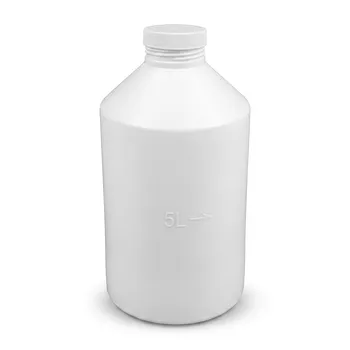
Large Capacity 5L PTFE Storage Tank and Custom Reagent Bottle Corrosion Resistant Leakproof Screw Seal Laboratory Container with PTFE Cap

PTFE Deep Evaporating Dishes Customizable Laboratory and Industrial Solutions
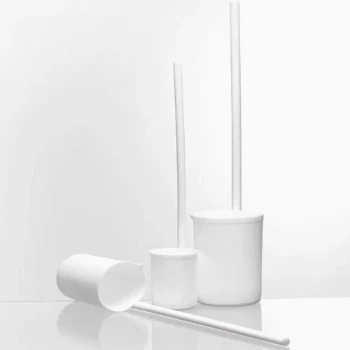
PTFE Chemical Solvent Sampling Spoon