All Questions
What New Technologies Are Being Applied To Ptfe O-Ring Seals? Enhance Performance With Nanomaterials & 3D Printing
Discover how nanomaterials and 3D printing are revolutionizing PTFE O-ring seals, offering superior wear resistance and custom geometries for demanding applications.
What Are The Future Trends For Ptfe O-Ring Seal Technology? Advanced Composites, 3D Printing & Sustainability
Explore the future of PTFE seals: advanced composites, 3D printing for complex designs, and sustainable manufacturing for superior performance.
What Is The Development History Of Ptfe O-Ring Seals? From Simple Shapes To High-Performance Seals
Explore the evolution of PTFE seals, from solving elastomer failures to advanced designs for extreme chemical, temperature, and low-friction applications.
What Are Some Application Examples Of Ptfe O-Ring Seals In Mechanical Equipment? Solve Extreme Sealing Challenges
Discover PTFE O-ring applications in pumps, valves, and cryogenic systems. Learn why PTFE is chosen for chemical, temperature, and friction challenges.
What Are The Key Considerations For Chemical Industry Applications Of Ptfe O-Ring Seals? Ensure Reliability In Aggressive Environments
Learn critical design factors for PTFE O-ring seals in chemical applications, including chemical inertness, temperature resistance, and mechanical design requirements.
What Special Requirements Do Aerospace Applications Have For Ptfe O-Ring Seals? Ensuring Reliability In Extreme Environments
Learn the critical requirements for PTFE O-rings in aerospace, including extreme temperature resistance, chemical inertness, and pressure cycling reliability.
How Are Ptfe O-Ring Seals Used In The Automotive Industry? Critical Sealing Solutions For High-Performance Vehicles
Explore how PTFE O-rings and seals provide superior performance in demanding automotive applications, from engines and transmissions to EVs.
What Are The Material Options For Ptfe O-Ring Seals? A Guide To High-Performance Filled Ptfe Compounds
Explore PTFE O-ring seal materials. Learn how fillers like glass, carbon, and bronze enhance performance for chemical resistance, temperature, and wear.
What Factors Are Important When Selecting Ptfe O-Ring Seals? Ensure Long-Term Reliability In Harsh Environments
Learn the key factors for selecting PTFE O-ring seals, including chemical compatibility, temperature range, and proper installation to prevent failure.
What Are The Main Application Areas Of Ptfe O-Ring Seals? Critical Seals For Demanding Industries
Explore the key applications of PTFE O-rings in aerospace, chemical, medical, and industrial sectors for extreme temperature and chemical resistance.
What Is The Basic Structure And Working Principle Of Ptfe O-Ring Seals? Unlock Superior Sealing Performance
Learn how PTFE O-rings combine an elastic core with a PTFE jacket for extreme chemical resistance, low friction, and high-temperature sealing.
What Additional Benefits Do Ptfe And Peek Backup Rings Offer? Maximize Seal Performance In Extreme Conditions
Explore the key advantages of PTFE and PEEK backup rings, including low friction, chemical resistance, and high-temperature performance for demanding applications.
Are Ptfe And Peek Backup Rings Usually Pure, Or Do They Contain Fillers? Discover The Role Of Fillers In High-Performance Seals
Learn why PTFE and PEEK backup rings are almost always filled with materials like glass or carbon fiber to enhance compressive strength and prevent extrusion in high-pressure sealing applications.
Why Are Ptfe And Peek Suitable For Backup Rings? Ensure Seal Integrity In Extreme Conditions
Discover why PTFE and PEEK backup rings prevent seal extrusion with high compressive strength, chemical resistance, and thermal stability for demanding applications.
What Are The Two Most Common Materials Used For Backup Rings? Ptfe Vs. Peek For Superior Sealing
Compare PTFE and PEEK backup rings for sealing applications. Learn which material offers the best extrusion resistance, chemical compatibility, and temperature performance.
What Key Offerings Are Associated With Teflon-Encapsulated O-Rings? Beyond The Part To Full-System Support
Discover the critical support services for Teflon-encapsulated O-rings, including custom design, prototyping, and inventory management for demanding applications.
What Future Developments Are Expected For Teflon-Encapsulated O-Rings? Enhanced Materials & Precision Manufacturing
Explore the future of Teflon-encapsulated O-rings: advanced polymers for better abrasion resistance and new elastomers for wider temperature ranges.
What Quality Standards Are Followed In The Manufacturing Of Teflon-Encapsulated O-Rings? Ensure Compliance For Critical Applications
Learn about FDA, USP Class VI, and other key quality standards for Teflon-encapsulated O-rings used in medical, pharmaceutical, and food processing industries.
How Are Teflon-Encapsulated O-Rings Utilized In Heavy Equipment And Hydraulics? Achieve Superior Sealing And Reduce Downtime
Discover how Teflon-encapsulated O-rings provide robust, chemical-resistant seals for heavy-duty hydraulic systems, preventing leaks and extending equipment life.
What Role Do Teflon-Encapsulated O-Rings Play In The Oil And Gas And Chemical Processing Industries? A Critical Sealing Solution
Learn how Teflon-encapsulated O-rings provide chemical resistance and sealing reliability in harsh oil & gas and chemical processing applications.
How Do Teflon-Encapsulated O-Rings Benefit The Food And Beverage Industry? Ensure Superior Sealing And Hygiene
Discover how Teflon-encapsulated O-rings provide chemical resistance, high-temperature stability, and superior hygiene for food and beverage applications.
Why Are Teflon-Encapsulated O-Rings Suitable For Medical Equipment? Ensure Patient Safety & Chemical Resistance
Discover how Teflon-encapsulated O-rings combine biocompatibility, chemical resistance, and reliable sealing for medical devices, meeting FDA and USP Class VI standards.
What Are The Advantages Of Teflon-Encapsulated O-Rings? Superior Sealing For Demanding Industrial Applications
Discover the benefits of Teflon-encapsulated O-rings, including extreme chemical resistance, wide temperature range, and low-friction performance.
What Industries Commonly Use Teflon-Encapsulated O-Rings? Critical Seals For Extreme Conditions
Discover the key industries—chemical, oil & gas, pharmaceutical, food & beverage, aerospace—that rely on Teflon-encapsulated O-rings for superior chemical resistance and purity.
What Are Teflon Encapsulated O-Rings And What Materials Are They Crafted With? Superior Seals For Harsh Environments
Learn about Teflon encapsulated O-rings: composite seals with a Teflon jacket for chemical resistance and an elastomer core for flexibility.
What Makes Ptfe Stand Out Among Materials Used In Sealing Technology? Unmatched Chemical & Thermal Resistance
Discover why PTFE seals excel in extreme conditions with superior chemical inertness, temperature resilience (-200°C to +260°C), and the lowest friction of any solid material.
What Are The Limitations Of Using Ptfe In Sealing Applications? Overcome Mechanical Weaknesses For Reliable Sealing
Learn the key mechanical limitations of PTFE seals, including creep, poor elasticity, and low tensile strength, and how to overcome them for your application.
How Do The Non-Stick Properties Of Ptfe Benefit Sealing Technology? Enhance Seal Life And Purity
Discover how PTFE's non-stick surface prevents contamination, reduces wear, and ensures chemical purity in seals for demanding industries.
What Are The Advantages Of Ptfe's Chemical Resistance In Sealing Applications? Ensure Unmatched Reliability In Harsh Environments
Discover how PTFE's near-total chemical inertness prevents leaks, ensures purity, and extends seal life in aggressive chemical, pharmaceutical, and semiconductor applications.
What Are The Key Properties Of Ptfe That Make It Suitable For Sealing Technology? Unlock Superior Performance In Extreme Conditions
Discover how PTFE's extreme temperature resistance, chemical inertness, and low friction make it the ideal sealing material for demanding applications.
What Is The Overall Operating Temperature Range For Ptfe Seals, Gaskets, And O-Rings? Achieve Sealing Integrity From -200°C To +260°C
Learn the definitive -200°C to +260°C operating range for PTFE seals and the critical design factors for high & low-temperature performance.
What Additional Properties Do Ptfe O-Rings Require Besides Thermal Resistance? Master Chemical And Mechanical Sealing
Explore PTFE O-ring properties: chemical inertness, low friction, mechanical strength, and trade-offs like rigidity for superior sealing performance.
What Is The Temperature Range For Ptfe O-Rings? Withstand Extremes From -200°C To 260°C
Learn the effective temperature range of PTFE O-rings, from cryogenic -200°C to high heat 260°C, and key factors for application success.
How Does The Temperature Range Of Ptfe Seals Benefit Various Industries? Ensure Reliability From -200°C To 250°C
Discover how PTFE seals maintain integrity from cryogenic -200°C to high-heat 250°C, providing critical reliability for aerospace, automotive, and chemical industries.
What Is The Typical Temperature Range For Ptfe Seals? -200°C To 260°C Performance
Learn the operational temperature range for PTFE seals, from -200°C to 260°C, and why they excel in extreme cryogenic and high-heat applications.
What Are The Key Properties Of Ptfe That Make It Suitable For Seals And Gaskets? Unlock Superior Sealing Performance
Explore PTFE's key properties for seals & gaskets: chemical inertness, thermal stability (-200°C to 260°C), and low friction for demanding applications.
What Advantages Do Ptfe Spring-Energized Seals Offer In Harsh Environments? Unlock Unmatched Reliability
Discover how PTFE spring-energized seals provide superior sealing in extreme temperatures, high pressures, and with aggressive chemicals for critical industries.
How Do Ptfe Spring-Energized Seals Perform In Defense And Nuclear Environments? Engineered For Extreme Reliability.
Learn how PTFE spring-energized seals maintain integrity in extreme radiation, pressure, and temperature for defense and nuclear systems.
Why Are Ptfe Spring-Energized Seals Ideal For Semiconductor Manufacturing? Ensure Purity And Maximize Yield
Discover why PTFE spring-energized seals are essential for semiconductor manufacturing, offering chemical inertness, low outgassing, and plasma stability.
What Makes Ptfe Spring-Energized Seals Suitable For Oil And Gas Applications? Unmatched Reliability In Extreme Conditions
Discover why PTFE spring-energized seals excel in oil and gas with superior chemical resistance, low friction, and HPHT performance.
In Which Aerospace Applications Are Ptfe Spring-Energized Seals Used? Ensuring Reliability In Extreme Environments
Explore the critical uses of PTFE spring-energized seals in aerospace, from jet engines to cryogenic systems, for superior performance in extreme conditions.
Why Are Ptfe Spring-Energized Seals Preferred For Dynamic Sealing Applications? For Superior, Long-Lasting Performance
Discover why PTFE spring-energized seals excel in dynamic applications with low friction, chemical resistance, and reliable performance across extreme conditions.
What Are The Benefits Of Ptfe Spring-Energized Seals? Superior Chemical & Thermal Resilience For Harsh Environments
Discover how PTFE spring-energized seals provide unmatched chemical resistance and thermal stability from -459°F to 500°F+, ensuring reliability in extreme conditions.
How Do Fep And Ptfe Encapsulated O-Rings Contribute To Equipment Longevity? Prevent Costly Downtime With Superior Seals
Discover how FEP and PTFE encapsulated O-rings extend equipment life by combining chemical inertness and low friction to prevent seal failure in harsh environments.
What Are The Advantages Of Using Ptfe For Spring-Energized Seal Jackets? Superior Performance In Extreme Conditions
Discover why PTFE is the premier material for spring-energized seals, offering chemical inertness, extreme temperature stability, and low friction.
What Temperature Ranges Can Fep And Ptfe Encapsulated O-Rings Withstand? A Guide To Extreme Environment Sealing
Learn the temperature limits of FEP & PFA encapsulated O-rings: from -60°C to 260°C. Choose the right jacket & core for your application.
What Are Spring-Energized Seals, And Why Are They Used In Extreme Environments?
Discover how spring-energized seals with PTFE jackets provide reliable sealing in extreme temperatures, pressures, and chemical environments.
Why Are Fep And Ptfe Encapsulated O-Rings Used In The Food And Pharmaceutical Industries? Ensure Purity And Compliance
Learn why FEP/PTFE encapsulated O-rings are essential for sanitary sealing, offering chemical inertness, FDA compliance, and durability for CIP/SIP processes.
What Makes Fep And Ptfe Encapsulated O-Rings Suitable For Chemical Processing? Achieve Leak-Free Sealing In Corrosive Environments
Discover how FEP/PTFE encapsulated O-rings combine chemical inertness with reliable elasticity for superior sealing against acids, bases, and solvents.
How Do Fep And Ptfe Encapsulated O-Rings Compare To Traditional O-Rings? A Hybrid Solution For Harsh Environments
Discover the advantages of FEP/PTFE encapsulated O-rings, including superior chemical resistance, wider temperature range, and low friction versus traditional seals.
What Industries Commonly Use Ptfe-Encapsulated O-Rings? Ensure Reliability In Demanding Applications
Discover the key industries that rely on PTFE-encapsulated O-rings for superior chemical resistance, high purity, and extreme temperature performance.
What Are The Benefits Of Ptfe-Encapsulated O-Rings? Superior Sealing For Harsh Chemical & High-Temp Environments
Discover how PTFE-encapsulated O-rings combine chemical inertness, wide temperature range, and low friction for reliable sealing in demanding applications.
What Industries Commonly Use Fep-Encapsulated O-Rings? Solve Sealing Challenges In Harsh Environments
Discover how FEP-encapsulated O-rings provide superior chemical resistance and temperature performance for chemical, pharmaceutical, and aerospace industries.
What Are Fep And Ptfe Encapsulated O-Rings? Superior Seals For Harsh Chemical & Thermal Environments
Learn how FEP & PTFE encapsulated O-rings combine chemical resistance with flexibility for reliable sealing in demanding applications.
What Are Some Common Configurations Of Teflon Back-Up Rings? Achieve Superior O-Ring Support And Extrusion Resistance
Learn about the 3 core Teflon back-up ring types: solid, single turn, and spiral. Choose the right configuration to prevent O-ring extrusion in high-pressure systems.
When Are Filled Teflon Back-Up Rings Recommended? Essential For High-Pressure & High-Temperature Seals
Learn when to use filled Teflon back-up rings for sealing systems exceeding 3,000 psi or 275°F. Prevent o-ring extrusion and ensure reliability.
What Are The Three Basic Types Of Teflon Back-Up Rings? Choose The Right Design For Your Sealing System
Learn about solid, scarf cut, and spiral cut Teflon back-up rings. Select the right type for static or dynamic applications to prevent O-ring extrusion.
What Is The Primary Function Of Teflon Back-Up Rings? Prevent O-Ring Extrusion In High-Pressure Systems
Learn how Teflon back-up rings support o-rings to prevent extrusion and ensure seal integrity in high-pressure, high-temperature, and chemical environments.
What Are The Advantages Of Using Teflon Backup Rings In Chemical Processing? Protect Seals From Harsh Chemicals & Extreme Temperatures
Discover the key benefits of Teflon (PTFE) backup rings: superior chemical resistance, wide temperature range, and low friction for reliable sealing in harsh environments.
How Does The Material Composition Of Teflon Backup Rings Vary? A Guide To Virgin Vs. Filled Ptfe
Learn the key differences between Virgin and Filled PTFE backup rings, including their chemical resistance, mechanical strength, and ideal applications.
Are Teflon Backup Rings Suitable For Food Processing Applications? Ensure Safety And Reliability
Discover why FDA-compliant Teflon (PTFE) backup rings are ideal for food processing, offering non-toxicity, chemical inertness, and superior hygiene.
What Temperature Range Can Teflon Backup Rings Withstand? Master Extreme Thermal Performance
Learn the temperature limits of Teflon (PTFE) backup rings (-200°C to 260°C) and how to select the right type for extreme conditions.
In Which Industries Are Teflon Backup Rings Commonly Used? Prevent Seal Failure In High-Pressure Systems
Discover how Teflon backup rings prevent seal extrusion in aerospace, automotive, chemical, and food processing industries for reliable performance.
What Types Of Teflon Backup Rings Are Available And Their Uses? Ensure Sealing Integrity In High-Pressure Systems
Explore Solid, Split, Spiral, and Contoured Teflon backup rings. Learn how each type prevents O-ring extrusion in demanding hydraulic, aerospace, and chemical applications.
What Are The Key Technical Features Of Teflon Backup Rings? Essential Support For High-Pressure Seals
Discover the critical features of Teflon backup rings: extreme temperature tolerance, chemical inertness, low friction, and durability for reliable sealing systems.
What Is The Role Of Teflon Backup Rings In Sealing Technology? Prevent Seal Extrusion & Boost Reliability
Learn how Teflon backup rings prevent O-ring extrusion in high-pressure systems, ensuring seal integrity and system reliability.
What Are The Pressure And Temperature Limits For Ptfe Backup Rings? A Guide To Selecting The Right Material
Learn the pressure (up to 5,800 psi) and temperature (-328°F to 500°F) limits for PTFE backup rings, including virgin vs. filled grades.
What Are The Pressure And Temperature Limits For Peek Backup Rings? Achieve Superior Sealing In Extreme Conditions
Learn the high-pressure (20,000 psi) and high-temperature (500°F) limits of PEEK backup rings for demanding sealing applications.
What Are The Key Factors To Consider When Choosing A Backup Ring Material? Ensure Seal Integrity In High-Pressure Systems
Learn how to select the right backup ring material (PTFE, PEEK, Nylon) based on pressure, temperature, and chemical compatibility for optimal seal performance.
What Challenges Should Be Identified For An O-Ring Application? A Guide To Ensuring Seal Success
Learn to identify O-ring application challenges like chemical exposure, temperature extremes, and pressure to prevent seal failure and ensure reliability.
What Are The Key Considerations When Choosing An O-Ring? A Guide To Reliable Sealing Performance
Learn how to select the right O-ring by evaluating material, size, and application demands like chemical compatibility, temperature, and pressure.
What Are Common Applications Of Ptfe O-Rings? Ideal For Extreme Chemical & Temperature Seals
Explore PTFE O-ring uses in chemical, medical, and aerospace for superior chemical inertness, extreme temperature tolerance, and static sealing reliability.
Why Are Ptfe O-Rings Suitable For Food Production Machinery? Ensuring Purity And Performance
Discover why FDA-compliant virgin PTFE O-rings are ideal for food machinery, offering chemical inertness, temperature resistance, and non-stick properties.
Why Don't Ptfe O-Rings Swell? Discover The Key To Unmatched Chemical Stability
Learn why PTFE O-rings resist swelling due to their hydrophobic, inert molecular structure, ensuring dimensional stability in harsh chemical environments.
What Temperature Range Can Ptfe O-Rings Withstand? Unlock Extreme Thermal Performance From -200°C To 260°C
Learn the precise temperature range of PTFE O-rings, from cryogenic -200°C to high-heat 260°C, and how construction affects performance.
What Makes Ptfe O-Rings Durable Over Time? The Secret To Long-Lasting Seals In Harsh Conditions
Discover why PTFE O-rings offer unmatched chemical inertness, extreme temperature stability, and low compression set for superior long-term sealing performance.
What Are The Key Advantages Of Ptfe O-Rings? Superior Chemical & Thermal Resistance
Discover the key benefits of PTFE O-rings, including unmatched chemical inertness, extreme temperature tolerance, and low friction.
How Does Ptfe Compare To Elastomeric Materials For O-Rings? A Guide To Extreme Sealing
PTFE vs. elastomer O-rings: Learn when to choose PTFE for extreme chemical and thermal resistance, and when elastomers are better for dynamic sealing.
What Are O-Rings And Their Primary Function? The Key To Leak-Free Sealing In Any System
Learn how O-rings work, their core sealing principle, and how to select the right material for your application's temperature and chemical resistance.
What Is Ptfe And Why Is It Suitable For O-Rings? Achieve Unmatched Chemical & Temperature Resistance
Discover why PTFE is the ideal material for O-rings in harsh environments, offering superior chemical inertness, high-temperature stability, and low friction.
What Factors Should Be Considered When Choosing Between Solid Teflon O-Rings And Teflon Encapsulated O-Rings?
Compare solid vs. encapsulated Teflon O-rings for chemical resistance, sealing force, and durability. Choose the right seal for your application.
In What Applications Are Teflon Encapsulated O-Rings Most Suitable? Ideal For Harsh Chemical Seals
Discover where Teflon encapsulated O-rings excel: sealing aggressive chemicals in static applications with superior chemical resistance and reliability.
In What Applications Are Solid Teflon O-Rings Most Suitable? Maximize Performance In Extreme Conditions
Learn when to use solid Teflon O-rings for superior chemical resistance, extreme temperature tolerance, and low friction in demanding applications.
What Are The Disadvantages Of Teflon Encapsulated O-Rings? Key Weaknesses And Safer Alternatives
Learn the main drawbacks of Teflon encapsulated O-rings, including physical fragility, limited elasticity, chemical vulnerabilities, and higher cost.
What Are The Advantages Of Teflon Encapsulated O-Rings? Superior Sealing For Extreme Conditions
Discover the key benefits of Teflon encapsulated O-rings, including unmatched chemical resistance, extreme temperature tolerance, and low friction.
What Are The Disadvantages Of Solid Teflon O-Rings? Key Limitations For Reliable Sealing
Understand the key drawbacks of solid PTFE O-rings, including lack of elasticity, cold flow, and installation challenges, to prevent seal failure.
What Are The Advantages Of Solid Teflon O-Rings? Achieve Unmatched Chemical & Thermal Resistance
Discover the key benefits of solid Teflon O-rings, including extreme chemical inertness, wide temperature tolerance, and low friction for static seals.
What Are The Main Differences Between Solid Teflon O-Rings And Teflon Encapsulated O-Rings? Choose The Right Seal For Harsh Environments
Compare solid vs. encapsulated Teflon O-rings: chemical resistance, flexibility, temperature range, and application suitability for reliable sealing.
What Industries Use Ptfe V-Rings? Critical Sealing Solutions For Demanding Applications
Discover why chemical, pharmaceutical, food & beverage, and automotive industries rely on PTFE V-Rings for unmatched chemical resistance, temperature tolerance, and purity.
Why Choose Ptfe V-Ring Seals? Unmatched Reliability For Extreme Conditions
Discover how PTFE V-Ring seals provide superior chemical resistance, extreme temperature tolerance, and low friction for demanding industries.
What Are The Key Features Of Ptfe V-Rings? Master Sealing In Extreme Environments
Discover the 5 key features of PTFE V-Rings, including unmatched chemical resistance, extreme temperature tolerance, and low friction.
What Are The Applications Of Ptfe V-Rings? Sealing Solutions For Extreme Environments
Explore the key applications of PTFE V-Rings in high-speed, chemical, and extreme temperature environments for reliable sealing performance.
Are Ptfe V-Rings Customizable? Engineer A Perfect Seal For Your Unique Application
Discover how PTFE V-Rings can be customized in size, shape, and material composition for superior performance in demanding environments.
What Material Is Used To Make Ptfe V-Rings? Pure Ptfe For Superior Chemical & Thermal Sealing
PTFE V-Rings are made from pure Polytetrafluoroethylene for unmatched chemical resistance, low friction, and a wide temperature range.
What Is Another Name For Ptfe V Ring? It's Also Known As A Teflon V Ring
Learn the key synonyms for a PTFE V Ring, including Teflon V Ring and TFE V Ring, to ensure you source the right component.
Related Products
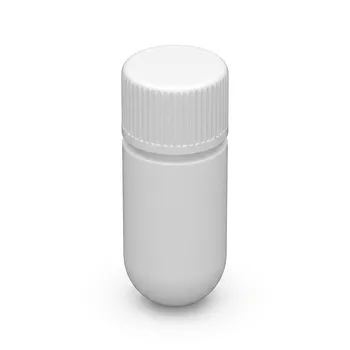
PTFE Centrifuge Tube 1.5ml U Bottom Corrosion Resistant Screw Seal Custom High Purity Labware
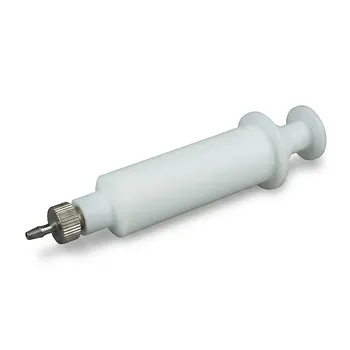
High Temperature Chemical Resistant 50ml PTFE Syringe Customized Teflon Injector with Threaded Seal for Trace Analysis
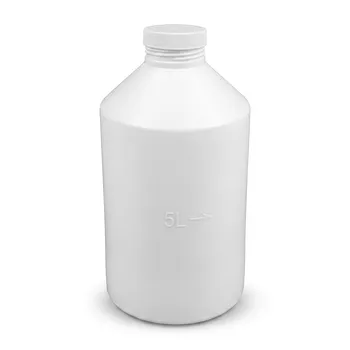
Large Capacity 5L PTFE Storage Tank and Custom Reagent Bottle Corrosion Resistant Leakproof Screw Seal Laboratory Container with PTFE Cap
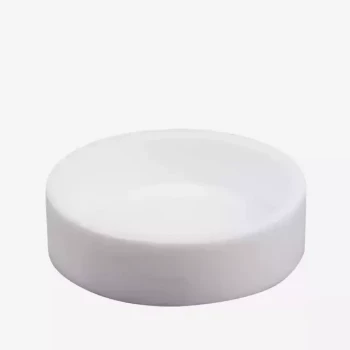
PTFE Deep Evaporating Dishes Customizable Laboratory and Industrial Solutions
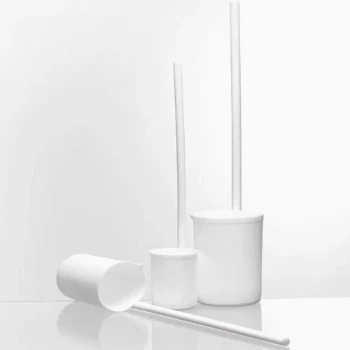
PTFE Chemical Solvent Sampling Spoon