In short, they perform exceptionally well. PTFE spring-energized seals are specifically engineered to maintain their mechanical integrity and sealing force under the extreme conditions characteristic of defense and nuclear environments, including ionizing radiation, high-pressure cycling, and wide temperature swings. Their unique design makes them a default choice for critical systems where failure is not an option.
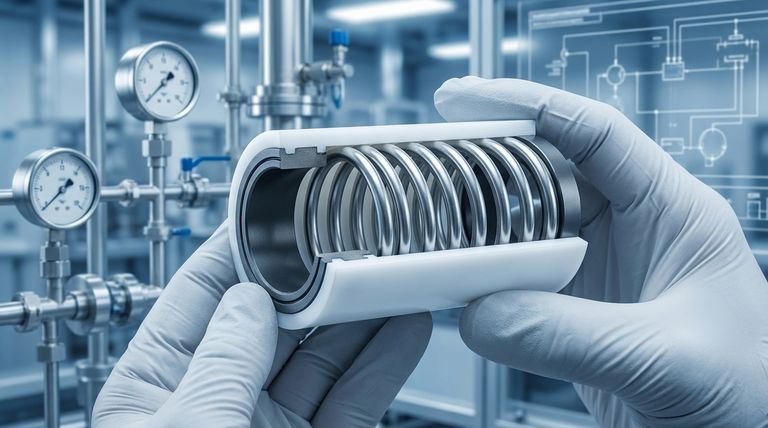
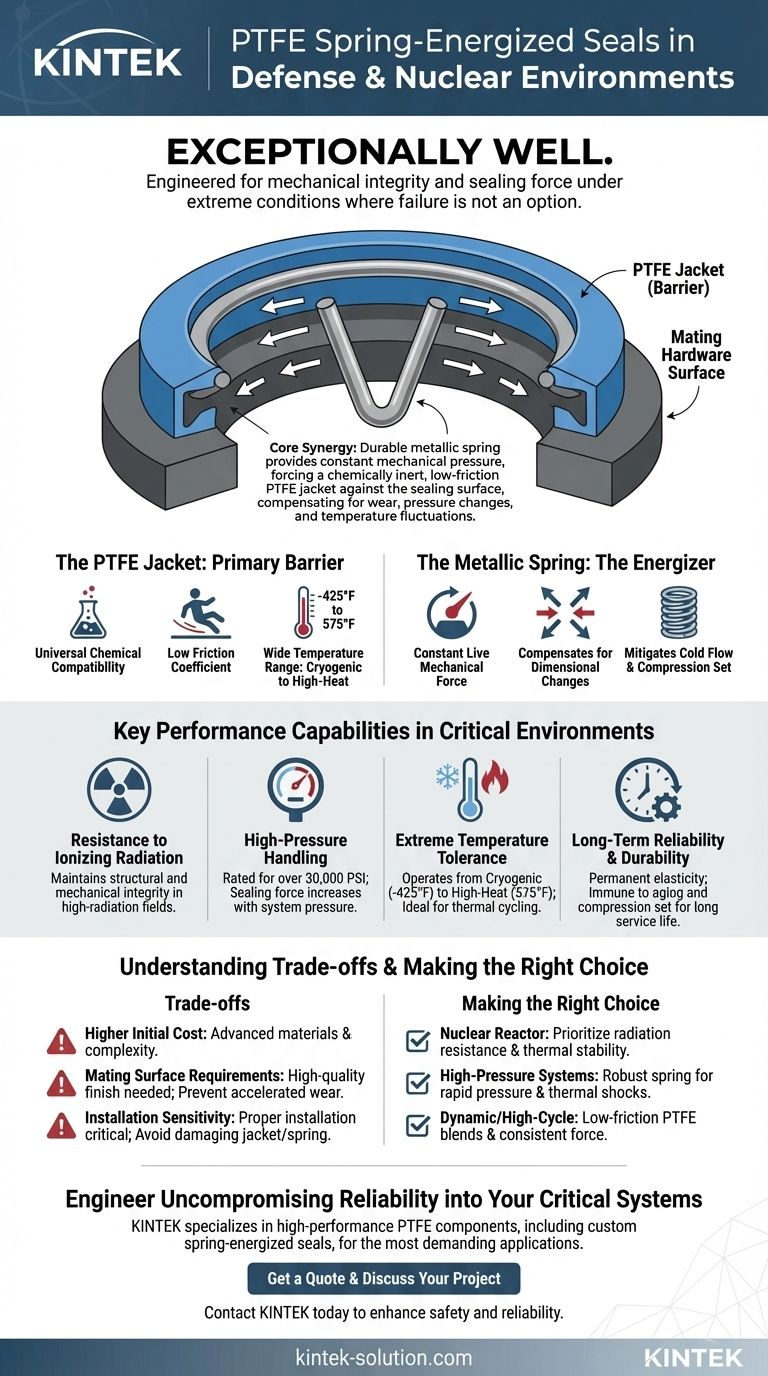
The core reason for their success lies in a simple yet powerful design synergy: a durable metallic spring provides constant mechanical pressure, forcing a chemically inert and low-friction PTFE jacket against the sealing surface. This combination overcomes the natural limitations of PTFE, creating a highly reliable seal that actively compensates for wear, pressure changes, and temperature fluctuations.
The Core Design: Why Spring-Energization is Critical
To understand the performance of these seals, you must first understand how their two key components work together to create a system far more capable than the sum of its parts.
The Role of the PTFE Jacket
The outer seal material, Polytetrafluoroethylene (PTFE), is the primary barrier. It is selected for its remarkable inherent properties.
It offers universal chemical compatibility, making it inert to aggressive fluids and gases. It also has an extremely low friction coefficient and can operate across a vast temperature range, from cryogenic (-425°F) to high-heat (575°F) conditions.
The Function of the Metallic Spring
The internal spring is the "energizer" and the key to the seal's reliability. It provides a constant, live mechanical force on the PTFE jacket lips.
This ensures a consistent, tight seal against the mating hardware, even when the system is not pressurized. It actively compensates for any dimensional changes caused by thermal expansion or contraction.
Overcoming Material Limitations
Standard PTFE seals can be prone to cold flow (a type of material creep) and compression set, where the material loses its "memory" and ability to spring back into shape.
The internal spring completely mitigates this weakness. It acts as the seal's permanent memory, ensuring the PTFE jacket maintains constant contact and sealing force, regardless of material relaxation, wear, or age-related embrittlement.
Key Performance Capabilities in Critical Environments
The combination of the spring and PTFE jacket delivers specific capabilities essential for defense and nuclear applications.
Resistance to Ionizing Radiation
In nuclear environments, from reactor controls to radiation-shielded enclosures, materials must resist degradation from radiation. PTFE spring-energized seals maintain their structural and mechanical integrity over long service periods in these high-radiation fields.
Performance Under High Pressure
These seals are engineered to handle extreme pressure differentials, with some designs rated for over 30,000 PSI. The spring ensures a baseline seal at low pressure, while system pressure itself acts on the seal to increase the sealing force, creating a highly effective and responsive system.
Extreme Temperature Tolerance
The operational range of these seals is exceptionally wide. They maintain flexibility and sealing force in cryogenic applications down to -425°F and in high-temperature service up to 575°F, making them ideal for systems that experience rapid and severe thermal cycling.
Long-Term Reliability and Durability
Unlike traditional elastomeric seals that can harden and fail with age, the spring-energized design offers permanent elasticity. This immunity to aging and compression set allows for high cycle rates and repeated installations, ensuring predictable performance over the life of the equipment.
Understanding the Trade-offs
While highly effective, specifying these seals requires acknowledging their specific engineering context. They are not a universal drop-in replacement for simpler seals without careful consideration.
Higher Initial Cost
These are advanced, multi-component seals designed for high-performance applications. Their manufacturing complexity and material costs are inherently higher than those of standard O-rings or simple elastomeric seals.
Mating Surface Requirements
To achieve optimal performance and prevent leakage, the hardware mating surfaces must have a high-quality finish. The constant force from the spring can cause accelerated wear on softer mating surfaces if the material compatibility and surface hardness are not correctly specified.
Installation Sensitivity
While durable, proper installation is critical. Care must be taken to avoid scratching the PTFE jacket or damaging the spring during assembly, as this can compromise the integrity of the sealing interface.
Making the Right Choice for Your Application
Selecting the correct seal configuration depends entirely on the specific demands of your system.
- If your primary focus is reliability in a nuclear reactor: Prioritize seals with materials specifically tested and rated for long-term radiation exposure and thermal stability.
- If your primary focus is performance in a high-pressure missile system: Specify a design with a robust spring energizer and jacket profile capable of withstanding rapid pressure cycling and extreme temperature shocks.
- If your primary focus is a dynamic, high-cycle application: Focus on low-friction PTFE blends and a spring design that provides a consistent sealing force to minimize wear on both the seal and the hardware.
Ultimately, leveraging a spring-energized PTFE seal is a decision to engineer reliability directly into a critical system from the start.
Summary Table:
| Capability | Performance Benefit |
|---|---|
| Radiation Resistance | Maintains structural integrity in high-radiation fields (e.g., reactor controls). |
| High-Pressure Handling | Rated for extreme pressures (over 30,000 PSI); sealing force increases with system pressure. |
| Extreme Temperature Tolerance | Operates from cryogenic (-425°F) to high-heat (575°F) conditions. |
| Long-Term Reliability | Spring provides permanent elasticity, immune to aging and compression set for long service life. |
Engineer Uncompromising Reliability into Your Critical Systems
When failure is not an option, the precision and performance of your components are paramount. KINTEK specializes in manufacturing high-performance PTFE components, including custom spring-energized seals, for the most demanding applications in the semiconductor, medical, laboratory, industrial, and defense sectors.
We prioritize precision production and offer custom fabrication from prototypes to high-volume orders, ensuring your seals meet the exact specifications required for extreme environments.
Contact KINTEK today to discuss your project requirements and discover how our expertise can enhance the safety and reliability of your critical systems.
Get a Quote & Discuss Your Project
Visual Guide
Related Products
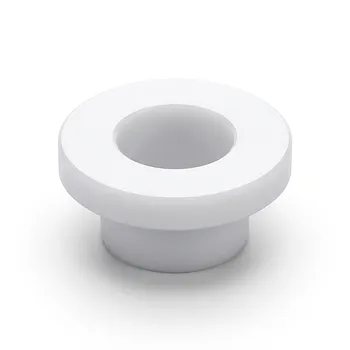
- Custom PTFE Insulating Gaskets and Corrosion Resistant Fluoropolymer Seals for Industrial Electrical Applications
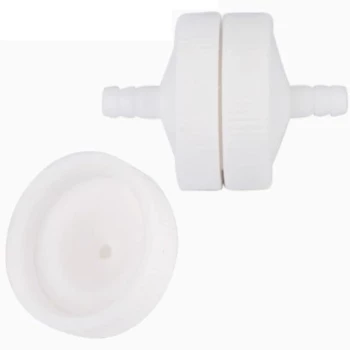
- Customizable PTFE Seals Filter Holders for Versatile Applications
- Customizable High Temperature Resistant Anti Static PTFE Insulating Gaskets Flame Retardant Corrosion Proof Industrial Seals
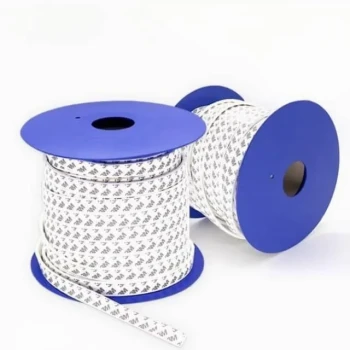
- Custom PTFE Sealing Tapes for Industrial and High Tech Applications
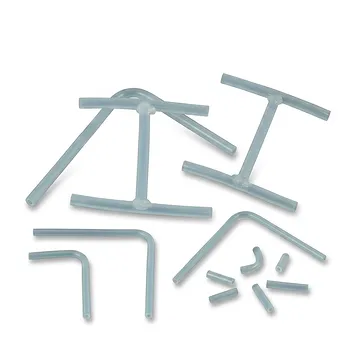
- High Performance PFA Coiled Spring Tubing and Custom PTFE Fabrication Services with Welded Fittings and Precision Bent Components
People Also Ask
- What are the three primary types of PTFE available for gaskets and seals? Choose the Right Material for Your Application
- Why is PTFE an ideal material choice for sealing gaskets, valves, and fluid transfer tubing exposed to extremely aggressive chemicals? Discover Its Superior Chemical Resistance and Reliability
- How is PTFE utilized in seals and gaskets? Leverage Its Chemical & Temperature Resistance
- What are the key properties of PTFE that make it suitable for seals and gaskets? Unlock Superior Sealing Performance
- How are custom PTFE parts used in the automotive sector? Enhance Vehicle Performance & Durability