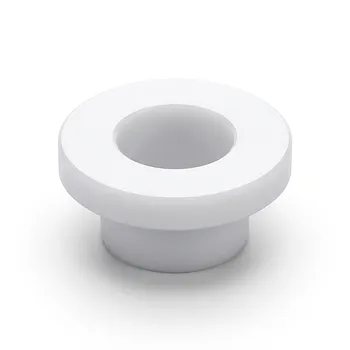
At its core, the remarkable durability of a solid PTFE O-ring stems from its fundamental material properties: exceptional chemical inertness, a vast operational temperature range, and an inherent resistance to taking a compression set over time. This unique combination allows it to maintain a reliable seal for years without degrading, even when exposed to highly corrosive fluids or extreme temperatures.
The durability of PTFE isn't about being tough or flexible like rubber; it's about being chemically and thermally indifferent to its environment. This makes it a superior long-term solution for static seals in harsh conditions, but its rigidity introduces critical limitations in dynamic applications.
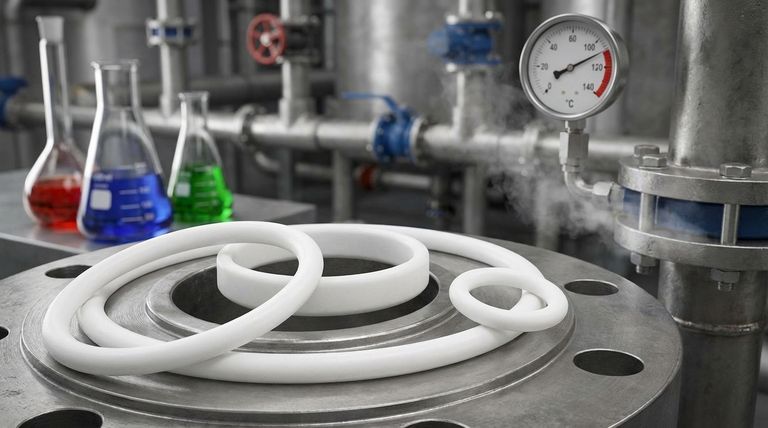
The Pillars of PTFE Durability
To understand why PTFE lasts so long, we must look at the specific characteristics of the Polytetrafluoroethylene material itself. These properties work in concert to resist the common causes of seal failure.
Unmatched Chemical Inertness
PTFE is one of the most non-reactive substances known. This means it does not react with, absorb, or degrade when exposed to the vast majority of industrial chemicals, acids, and caustic fluids.
This chemical resistance prevents the O-ring from swelling, softening, or becoming brittle over its service life, which are common failure modes for standard rubber seals. Its hydrophobic nature means it repels water, preventing moisture-related degradation.
Extreme Temperature Stability
PTFE O-rings maintain their integrity across an exceptionally wide temperature range, typically from -73°C to 204°C (-100°F to 400°F).
Unlike many elastomers, PTFE does not become brittle and crack at low temperatures, nor does it soften and extrude at high temperatures. This stability ensures a consistent seal despite thermal cycling.
Resistance to Compression Set
Compression set is the permanent deformation of a seal after being compressed for a long time. A material with a high compression set will not "spring back" to its original shape, leading to leaks.
PTFE has a very low compression set. It maintains its shape and sealing force over years of service, which is a primary contributor to its long-term reliability in static applications.
Environmental and Electrical Insulation
Beyond chemicals and temperature, PTFE is highly resistant to other environmental factors that cause degradation.
It is immune to UV radiation and weathering, giving it a very long shelf life and making it suitable for outdoor applications. It is also an excellent electrical insulator.
Understanding the Trade-offs: Rigidity and Wear
While incredibly durable in the right context, the properties that make PTFE resilient also create its most significant limitations. Ignoring these trade-offs is a common source of seal failure.
The Challenge of Inflexibility
PTFE is a relatively hard and rigid material, with a typical durometer of 60-65 Shore D. It is not a compressible elastomer like rubber.
This rigidity means it requires more compressive force to create a seal and is less forgiving of imperfections in hardware surfaces. It excels in high-pressure, static applications where this firmness is an asset.
Poor Dynamic Performance
While PTFE has a very low coefficient of friction (it's slippery), it has poor resistance to abrasive wear.
In dynamic applications with rubbing or rotating parts, a solid PTFE O-ring can wear down relatively quickly. It is not designed for continuous movement unless incorporated into a more complex seal design, like a spring-energized seal.
Clarification: Solid PTFE vs. PTFE-Coated
It is critical to distinguish between a solid PTFE O-ring and a standard rubber O-ring with a PTFE coating.
A PTFE coating on a rubber O-ring is primarily a lubricant for a one-time installation. The coating is thin, can easily flake off (contaminating systems), and does not provide the underlying rubber with any additional chemical or temperature resistance. The core O-ring material must be compatible with the application.
Making the Right Choice for Your Application
Choosing the correct seal is about matching the material's strengths to your operational demands.
- If your primary focus is sealing aggressive chemicals or extreme temperatures: Solid PTFE is an excellent choice, particularly for static face seals or flange applications where long-term reliability is paramount.
- If your primary focus is a dynamic or moving application: You must exercise caution. A standard PTFE O-ring will likely fail prematurely due to wear; consider other materials or specialized spring-energized PTFE seal designs.
- If your primary focus is a general-purpose, low-cost flexible seal: PTFE is likely the wrong choice. Standard elastomers like Nitrile (Buna-N) or Viton (FKM) offer better flexibility and value for less demanding conditions.
Ultimately, selecting a PTFE O-ring is a strategic decision to prioritize chemical and thermal resilience above all other factors.
Summary Table:
| Key Property | Benefit for Durability |
|---|---|
| Chemical Inertness | Resists swelling, softening, or degradation from most industrial chemicals and acids. |
| Temperature Stability | Maintains integrity from -73°C to 204°C (-100°F to 400°F), resisting thermal cycling. |
| Low Compression Set | Maintains shape and sealing force over years of compression, preventing leaks. |
| Environmental Resistance | Immune to UV radiation and weathering, suitable for outdoor use and long shelf life. |
Need a durable, high-performance PTFE seal for your demanding application?
At KINTEK, we specialize in manufacturing precision PTFE components—including seals, liners, and labware—for the semiconductor, medical, laboratory, and industrial sectors. Our expertise ensures your seals are engineered for exceptional chemical resistance and thermal stability, providing reliable, long-term performance in the harshest conditions.
We offer custom fabrication from prototypes to high-volume orders, ensuring a perfect fit and function for your specific needs.
Contact us today to discuss your project and discover how our PTFE solutions can enhance your system's reliability and longevity.
Visual Guide

Related Products
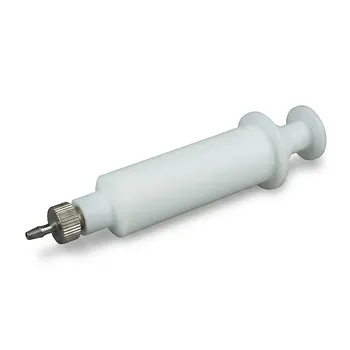
- High Temperature Chemical Resistant 50ml PTFE Syringe Customized Teflon Injector with Threaded Seal for Trace Analysis
- Customizable PTFE Rods for Advanced Industrial Applications
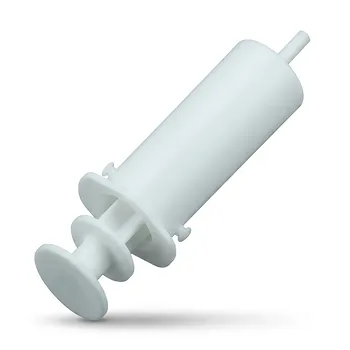
- High Purity Laboratory Grade PTFE Syringe Chemical Resistant Fluoropolymer Injector for Trace Analysis
- Custom PTFE Corrosion Resistant White Syringe with Threaded Luer Connector Compatibility
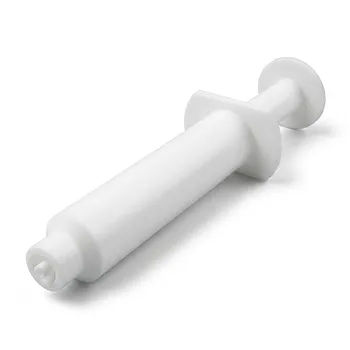
- Virgin PTFE Precision Syringe for Chemical Dispensing and Syringe Pump Integration with FEP Tubing Compatibility
People Also Ask
- In what medical devices is PTFE commonly used? Essential Components for Safety and Reliability
- Is PTFE approved for food contact applications? Ensuring Food Safety with Compliant PTFE
- How chemically resistant is PTFE? Discover its near-total inertness to most chemicals
- How does PTFE's flexibility affect its performance? Unlock Durability and Sealing Power
- Why is PTFE highly resistant to chemicals? Unmatched Inertness for Demanding Applications