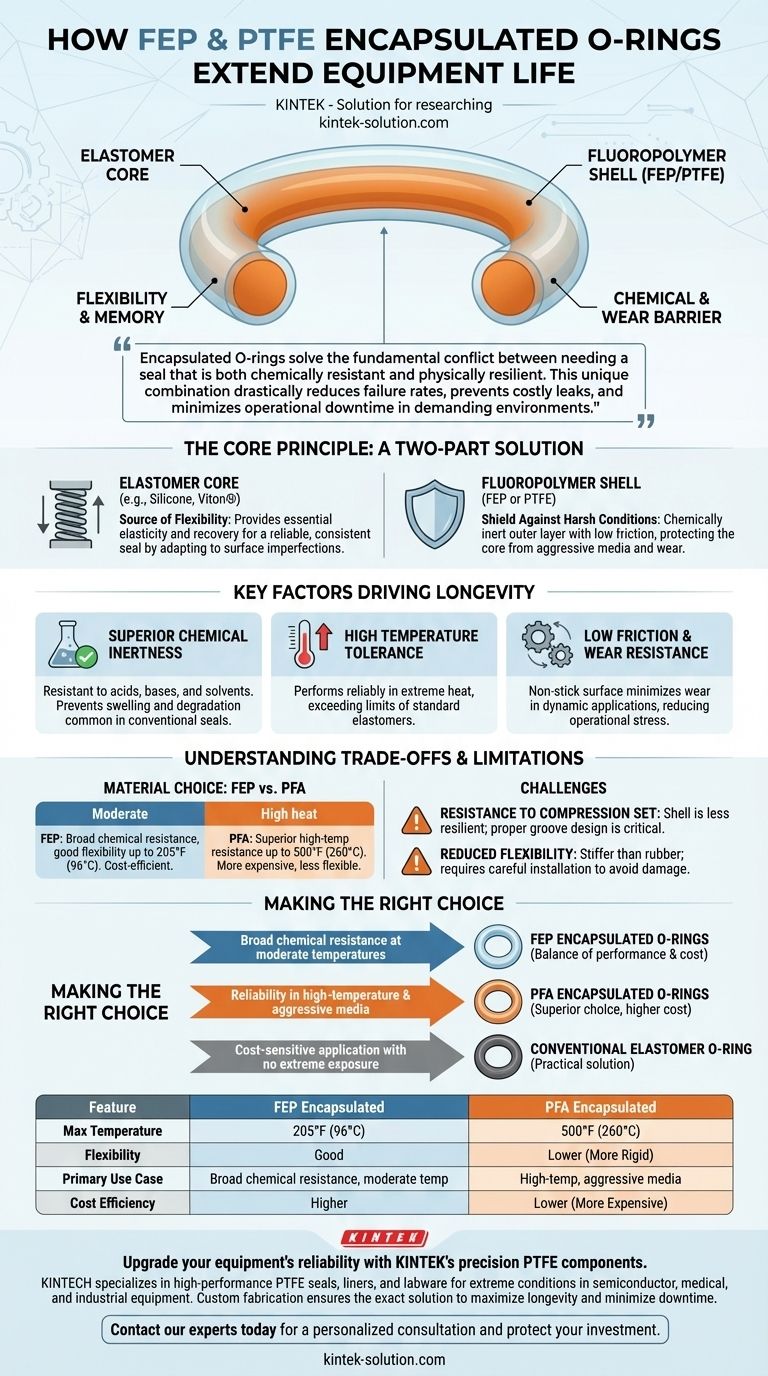
At their core, FEP and PTFE encapsulated O-rings extend equipment life by creating a nearly indestructible barrier. They achieve this by combining the flexibility and memory of an elastomer core with a seamless outer shell of fluoropolymer. This dual-material design directly prevents the most common causes of seal failure: chemical degradation from corrosive fluids and mechanical wear from friction.
Encapsulated O-rings solve the fundamental conflict between needing a seal that is both chemically resistant and physically resilient. This unique combination drastically reduces failure rates, prevents costly leaks, and minimizes operational downtime in demanding environments.

The Core Principle: A Two-Part Solution for Sealing
To understand their effectiveness, you must see these O-rings not as a single material, but as a composite system where each part serves a distinct purpose.
The Elastomer Core: The Source of Flexibility
The inner core, typically made of silicone or Viton®, provides the elasticity and recovery properties essential for a reliable seal.
This core allows the O-ring to compress into a groove and exert consistent pressure, adapting to surface imperfections and maintaining a leak-free connection.
The Fluoropolymer Shell: The Shield Against Harsh Conditions
The outer layer of FEP (Fluorinated Ethylene Propylene) or PTFE (Polytetrafluoroethylene) is what contacts the aggressive media.
This seamless shell is virtually chemically inert and has an extremely low coefficient of friction. It acts as an impenetrable shield, protecting the vulnerable elastomer core from degradation.
Key Factors Driving Equipment Longevity
The unique construction of encapsulated O-rings translates directly into a longer operational life for both the seal and the equipment it protects.
Superior Chemical Inertness
These seals are resistant to a vast range of aggressive chemicals, including acids, bases, and solvents.
Where a conventional rubber seal would swell, harden, or dissolve, an encapsulated O-ring maintains its integrity, ensuring reliable sealing in pumps, valves, and reactors.
High Temperature Tolerance
Standard elastomers can fail quickly when exposed to extreme temperatures.
The fluoropolymer encapsulation allows these O-rings to perform reliably at temperatures far beyond the limits of most conventional seals, preventing leaks and unscheduled maintenance.
Low Friction and Wear Resistance
The non-stick, low-friction surface of the PTFE or FEP shell minimizes wear and tear on moving parts.
In dynamic applications like pump shafts or valve stems, this reduces operational stress on the entire assembly, contributing to the longevity of the equipment itself.
Understanding the Trade-offs and Limitations
While highly effective, encapsulated O-rings are a specialized solution. Understanding their limitations is critical for proper application.
Material Choice: FEP vs. PFA
FEP encapsulation is an excellent choice for broad chemical resistance and offers good flexibility for temperatures up to 205°F (96°C).
For more demanding, high-temperature environments, PFA (Perfluoroalkoxy) is a better option, with resistance up to 500°F (260°C). However, PFA is more expensive and noticeably less flexible, which can make installation more difficult.
Resistance to Compression Set
While the core provides elasticity, the fluoropolymer shell is less resilient than rubber. If over-compressed or held at high temperatures for long periods, it can take a permanent "set."
This means proper groove design and avoiding excessive squeeze are more critical than with standard O-rings to ensure long-term performance.
Reduced Flexibility
The encapsulation makes these seals inherently stiffer than a standard all-rubber O-ring. This demands more careful and precise installation to avoid scratching or damaging the thin outer shell, which would compromise its protective capabilities.
Making the Right Choice for Your Application
To select the correct seal, you must align the material properties directly with your primary operational challenge.
- If your primary focus is broad chemical resistance at moderate temperatures: FEP encapsulated O-rings offer the best balance of performance, flexibility, and cost-efficiency.
- If your primary focus is reliability in high-temperature and aggressive media: PFA encapsulated O-rings are the superior choice, despite their higher cost and lower flexibility.
- If your primary focus is a cost-sensitive application with no extreme chemical or temperature exposure: A conventional, non-encapsulated elastomer O-ring is often the more practical and sufficient solution.
Choosing the right seal is a direct investment in the long-term reliability and profitability of your equipment.
Summary Table:
| Feature | FEP Encapsulated O-rings | PFA Encapsulated O-rings |
|---|---|---|
| Max Temperature | 205°F (96°C) | 500°F (260°C) |
| Flexibility | Good | Lower (More Rigid) |
| Primary Use Case | Broad chemical resistance at moderate temperatures | High-temperature, aggressive media |
| Cost Efficiency | Higher | Lower (More Expensive) |
Upgrade your equipment's reliability with KINTEK's precision PTFE components.
Facing challenges with chemical degradation, high temperatures, or frequent seal failure in your semiconductor, medical, or industrial equipment? KINTECH specializes in manufacturing high-performance PTFE seals, liners, and labware designed for extreme conditions. Our custom fabrication services—from prototypes to high-volume orders—ensure you get the exact encapsulated O-ring solution to maximize your equipment's longevity and minimize costly downtime.
Contact our experts today for a personalized consultation and see how our precision components can protect your investment.
Visual Guide
Related Products
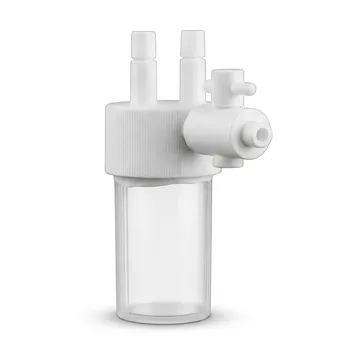
- Custom PTFE Reaction Lid with Integrated Valve and Fitting Corrosion Resistant No Leaching PFA FEP Bottle Cap System
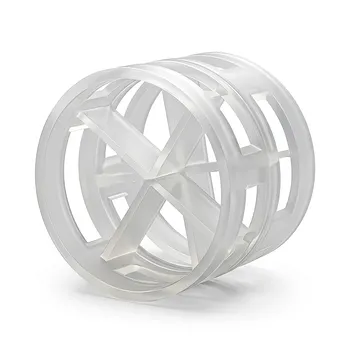
- High Purity PFA PTFE Raschig Rings for Chemical Distillation Tower Packing in Acidic and Alkaline Environments
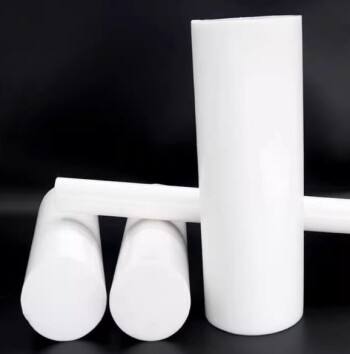
- Customizable PTFE Rods for Advanced Industrial Applications
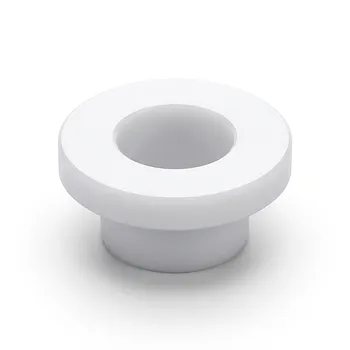
- Custom PTFE Insulating Gaskets and Corrosion Resistant Fluoropolymer Seals for Industrial Electrical Applications
- Customizable High Temperature Resistant Anti Static PTFE Insulating Gaskets Flame Retardant Corrosion Proof Industrial Seals
People Also Ask
- What are the advantages of PTFE lids for jacketed and process vessels? Achieve Superior Durability & Chemical Resistance
- What are the electrical insulation properties of PTFE caps? Superior Dielectric Performance for Demanding Applications
- What material grades are available for PTFE caps? Choose the Right Grade for Purity or Performance
- Why are high-precision PTFE valves and fittings preferred for fluid transport in chemical laboratory applications?
- What are the specialized types of PTFE caps and their uses? Ensure Sample Integrity and Safety