All Questions
What Design Considerations Are Necessary To Prevent The Extrusion Of Ptfe Seals In High-Pressure Systems? Expert Guide
Prevent PTFE seal extrusion in high-pressure systems. Learn about backup rings, filled compounds, and radial clearance for 5,000+ psi applications.
What Are The Surface Finish Requirements For Hardware Mating With Ptfe Seal Rings? Optimize Longevity And Performance
Discover the optimal surface finish (Ra) for PTFE seal rings to ensure leak-free performance and maximize the lifespan of your industrial hardware.
How Does Temperature Affect The Performance And Design Of Ptfe Seal Rings? Optimize For -200°C To +260°C Environments.
Learn how temperature impacts PTFE seals and how fillers, spring energizers, and groove design maintain integrity in extreme environments.
What Roles Do Backup Rings And Wear Rings Play In Ptfe Sealing Systems? Prevent Extrusion & Ensure System Integrity
Learn how backup and wear rings prevent material extrusion and mechanical wear to ensure the integrity of high-pressure PTFE sealing systems.
Why Are Energizers Integrated Into Ptfe Seal Ring Designs? Overcome Material Creep And Ensure Superior Sealing Performance
Learn why spring energizers are essential for PTFE seals to prevent material creep, compensate for wear, and maintain integrity in extreme conditions.
What Is The Fundamental Operating Principle Behind The Sealing Mechanism Of A Ptfe Seal Ring? High-Pressure Sealing Guide
Learn how PTFE seal rings utilize mechanical interference and self-energization to provide leak-proof, chemical-resistant sealing in lab systems.
How Do Fillers Improve The Performance Of Ptfe Seal Rings In Industrial Applications? Boost Strength And Wear Resistance
Discover how fillers enhance PTFE seal rings by reducing cold flow, increasing wear resistance 1,000x, and boosting strength for industrial use.
What Performance Characteristics Do Ptfe Rotary Shaft Seals Offer? Boost Efficiency In High-Speed Systems
Explore the benefits of PTFE rotary shaft seals: ultra-low friction, extreme thermal stability, and chemical resistance for high-speed systems.
What Are Common Design Practices For Ptfe Seal Rings To Manage Limited Elasticity And Thermal Expansion? Expert Guide.
Learn how to optimize PTFE seal design using spring energizers, fillers, and oversized glands to overcome elasticity and thermal expansion issues.
How Do Ptfe Seal Rings Maintain Sealing Integrity In Cryogenic And Vacuum Environments? Reliable Performance At Extreme Temps
Discover how PTFE seal rings prevent embrittlement and outgassing to maintain integrity in cryogenic and high-vacuum environments.
What Properties Make Ptfe Seal Rings Suitable For Food, Beverage, And Pharma? Ensure Purity & Regulatory Compliance
Discover why PTFE seal rings are essential for food and pharma: FDA compliance, chemical inertness, and resistance to high-temperature sterilization.
How Do Ptfe Seal Rings Contribute To The Efficiency And Reliability Of Fluid Power Systems? Minimize Friction & Wear.
Learn how PTFE seal rings enhance hydraulic and pneumatic systems through ultra-low friction, universal chemical resistance, and extreme durability.
What Specific Benefits Do Ptfe Seal Rings Provide For Aerospace And Defense Systems? Ensuring Mission-Critical Reliability
Discover how PTFE seal rings provide thermal stability, vacuum compatibility, and chemical inertness for aerospace and defense applications.
How Do Ptfe Seal Rings Perform In The High-Pressure And Corrosive Environments Of The Oil And Gas Sector? - Guide
Learn how PTFE seal rings handle 30,000 psi and corrosive sour gas in oil and gas applications. Discover benefits like ED resistance and durability.
What Advantages Do Ptfe Seal Rings Offer For Chemical Processing Equipment? Boost Reliability And Chemical Inertness
Discover how PTFE seal rings provide universal chemical resistance, low friction, and thermal stability for pumps, valves, and reactor systems.
How Do Fillers Such As Glass Fiber, Carbon, Bronze, And Graphite Enhance The Performance Of Ptfe Seal Rings? Key Benefits
Learn how glass fiber, carbon, bronze, and graphite fillers improve PTFE seal ring durability, wear resistance, and stability in extreme conditions.
Which Chemicals Are Ptfe Seal Rings Resistant To? Discover Universal Compatibility And Critical Substance Exceptions.
Learn about PTFE seal ring chemical resistance. Covers pH 0-14, acids, and solvents, plus critical exceptions like molten alkali metals.
What Is The Operational Temperature Range For Ptfe Seal Rings? Master Extreme Cryogenic And High-Heat Sealing
Explore the PTFE seal ring temperature range from -200°C to +260°C. Learn how to optimize performance for cryogenic and high-heat industrial uses.
What Are The Primary Material Characteristics And Design Configurations Of Ptfe Seal Rings? Expert Engineering Guide
Learn about PTFE seal rings: chemical inertness, thermal stability (-196°C to +260°C), and designs like spring-energized U-cups and filled compounds.
What Factors Affect Ptfe Seal Performance? Optimize Your System For Reliability & Longevity
Learn how material choice, energizer design, and hardware specifications work together to determine PTFE seal success in demanding applications.
What Are The Three Types Of Springs Used In Ptfe Seals? Optimize Your Seal Performance
Discover the 3 spring types for PTFE seals: cantilever, canted coil, and helical ribbon. Learn how to select the right one for your application's pressure and motion.
What Materials Are Used In Spring Energized Teflon Seals? A Guide To Ptfe Jackets & Metal Springs
Learn about PTFE, PEEK, and metal spring materials (stainless steel, Elgiloy, Hastelloy) for high-performance spring energized seals in demanding applications.
What Applications Are Suitable For Spring Energized Ptfe Seals? Master Extreme Sealing Challenges
Discover how spring-energized PTFE seals solve sealing problems in extreme temperatures, high pressures, and corrosive environments for industries like oil & gas, aerospace, and medical.
What Benefits Do Spring Energized Teflon Seals Provide? Unlock Reliable Sealing In Extreme Conditions
Discover how spring energized Teflon seals provide superior sealing in extreme temperatures, high pressures, and aggressive chemicals for critical applications.
What Are Spring Energized Teflon Seals? A Guide To High-Performance Sealing Solutions
Discover how spring-energized PTFE seals provide reliable sealing in extreme temperatures, high pressures, and aggressive chemical environments.
In What Types Of Systems Is Ptfe Packing Commonly Used? Essential Sealing For Extreme Chemical & Temperature Environments
Discover the key industries and applications where PTFE packing is essential for sealing pumps, valves, and reactors against aggressive chemicals and extreme temperatures.
What Advantages Do Graphite Packings Offer When Treated With Ptfe? Achieve Superior Sealing Performance
Discover how PTFE treatment enhances graphite packings with low friction, chemical resistance, and contamination-free operation for demanding industrial seals.
How Can Ptfe Packing Be Enhanced For Specific Applications? Tailor Performance With Fillers & Braids
Learn how to enhance PTFE packing with graphite, carbon, or glass fillers for high-temperature, high-pressure, or abrasive applications. Improve performance and lifespan.
What Are The Key Properties And Applications Of Ptfe Packing? Discover Its Versatility In Harsh Environments
Explore PTFE packing's chemical resistance, thermal stability, and low friction properties for industrial, food, and pharmaceutical applications.
What Is The Primary Difference Between Ptfe And Graphite Packing Materials? A Guide To Selecting The Right Seal
Compare PTFE vs. Graphite packing materials. Learn key differences in chemical resistance, temperature, friction, and strength for your application.
What Are The Common Characteristics Of Ptfe And Graphite Packing Materials? Key Similarities And Critical Differences
Compare PTFE vs. Graphite packing materials. Learn their shared traits like low friction and durability, plus key differences in temperature, conductivity, and chemical resistance.
How Do Teflon Bellow Mechanical Seals Enhance Equipment Efficiency In The Pulp And Paper Industry? Boost Reliability And Cut Costs
Learn how PTFE bellow seals combat chemical attack and abrasion in pulp & paper mills, reducing downtime and maintenance costs for pumps and agitators.
What Are The Benefits Of Using Teflon Bellow Mechanical Seals In High-Temperature Applications? Superior Sealing For Harsh Chemicals
Discover how PTFE bellow seals provide unmatched chemical resistance and high-temperature stability in pumps and mixers, eliminating elastomer failure.
How Do Teflon Bellow Mechanical Seals Contribute To Environmental Protection In Pulp And Paper Mills? Prevent Hazardous Leaks
Learn how Teflon bellow seals prevent chemical and wastewater leaks in pulp and paper mills, ensuring regulatory compliance and environmental safety.
What Are The Key Applications Of Teflon Bellow Mechanical Seals In Pulp And Paper Manufacturing? Enhance Reliability & Cut Downtime
Discover how Teflon bellow seals provide leak-free performance in pulp & paper's harsh chemical, abrasive, and high-temperature environments.
Why Are Teflon Bellow Mechanical Seals Suitable For Pulp And Paper Manufacturing?
Discover how Teflon bellow seals enhance durability and efficiency in pulp and paper manufacturing with superior chemical resistance and flexibility.
What Types Of Industrial Applications Are Teflon Bellow Mechanical Seals Best Suited For? Excel In Harsh Chemical & High-Speed Environments
Discover why Teflon Bellow Seals are ideal for aggressive chemical, high-temperature, and high-speed applications in chemical, pharmaceutical, and food processing.
How Should One Choose Between Teflon Bellow Mechanical Seals And Traditional Sealing Solutions? A Guide For Corrosive & High-Purity Applications
Learn when to choose a Teflon bellow seal vs. a traditional seal based on chemical resistance, purity needs, and cost for reliable performance.
What Are The Main Advantages Of Teflon Bellow Mechanical Seals? Achieve Unmatched Reliability In Harsh Environments
Discover why Teflon Bellow Seals offer superior chemical resistance, longer life, and reduced downtime compared to traditional sealing solutions.
What Design Considerations Are Important When Using Ptfe Seals? Optimize Your Sealing System Design
Learn key PTFE seal design considerations: managing plastic deformation, thermal expansion, and gland design for reliable performance in demanding applications.
What Are The Drawbacks Of Ptfe Seals? Key Limitations And Design Considerations
Learn the main drawbacks of PTFE seals, including lack of elasticity, high thermal expansion, and creep, and how to design around them.
How Does Ptfe Perform With Different Hydraulic Fluids And Environmental Exposures? Unmatched Chemical & Thermal Resilience
Explore PTFE's universal resistance to hydraulic fluids, extreme temperatures (-200°C to 260°C), and weathering. Understand its mechanical limits for optimal application.
Why Are Ptfe Seals Suitable For High-Velocity Applications? Superior Performance At Extreme Speeds
Discover how PTFE seals' low friction and high thermal stability prevent heat-induced failure in high-speed applications like turbochargers and cylinders.
What Are The Advantages Of Using Ptfe Seals In Fluid Power Applications? Solve Extreme Performance Challenges
Discover the key advantages of PTFE seals: low friction, high temperature tolerance, and chemical resistance for demanding hydraulic and pneumatic systems.
What Makes Ptfe O-Rings A Cost-Effective Option? Maximize Uptime And Reduce Long-Term Costs
Discover how PTFE O-rings' chemical inertness, extreme temperature range, and low friction deliver long-term savings by minimizing downtime and replacements.
What Factors Contribute To The Durability Of Ptfe O-Rings? Maximize Seal Life In Harsh Environments
Learn how PTFE O-rings provide extreme chemical inertness, thermal stability from -73°C to 204°C, and wear resistance for demanding applications.
Are Ptfe O-Rings Safe For Use In Food Processing Equipment? Ensure Compliance And Safety
Learn why FDA-certified PTFE O-rings are safe for food contact, offering chemical inertness, high-temperature stability, and hygienic non-stick surfaces.
How Does The Chemical Resistance Of Ptfe O-Rings Benefit Industrial Applications? Ensure Unmatched Sealing Integrity
Discover how PTFE O-rings' superior chemical inertness prevents leaks, extends equipment life, and ensures product purity in harsh industrial environments.
Why Are Ptfe O-Rings Suitable For High-Temperature Applications? Unmatched Thermal & Chemical Stability
Discover why PTFE O-rings excel in high-temp environments up to 260°C (500°F), maintaining chemical inertness and low friction.
What Are The Benefits Of Using Ptfe Seals In Demanding Industries? Solve Extreme Sealing Challenges
Discover how PTFE seals provide unmatched chemical resistance, extreme temperature stability, and low friction for aerospace, chemical, and automotive industries.
How Can Ptfe Seals Be Maintained For Longevity? Maximize Performance And Lifespan
Learn key PTFE seal maintenance practices like inspection, cleaning, and parameter monitoring to achieve 10,000-50,000+ hours of reliable service life.
What Are The Key Steps For Properly Installing Ptfe Seals? Ensure A Leak-Free, Long-Lasting Seal
Learn the critical phases for installing PTFE seals, from preparation to verification, to prevent leaks and premature failure in demanding applications.
What Are The Different Types Of Ptfe Seals? Choose The Right Seal For Your Application
Explore static PTFE gaskets, dynamic piston seals, spring-energized lip seals, and material grades to prevent leaks in demanding environments.
What Is Ptfe And Why Is It Used For Seals? The Ultimate Guide To High-Performance Sealing
Discover why PTFE seals offer unmatched chemical inertness, extreme temperature resistance, and low friction for demanding industrial applications.
How Should One Choose Between Peek And Ptfe Backup Rings? A Guide To Maximizing Seal Performance
Learn how to choose between PEEK and PTFE backup rings based on pressure, temperature, and chemical needs for reliable O-ring protection.
What Are The Application Advantages Of Ptfe Backup Rings? Boost System Reliability In Extreme Conditions
Learn how PTFE backup rings prevent seal extrusion, offer superior chemical resistance, and ensure stability in high-pressure, high-temperature systems.
What Are The Application Advantages Of Peek Backup Rings? Achieve Unmatched Sealing Integrity In Extreme Conditions
Discover how PEEK backup rings provide superior extrusion resistance, high-temperature stability, and durability for demanding hydraulic, aerospace, and automotive applications.
What Are The Key Material Properties Of Ptfe Backup Rings? Maximize Seal Performance & Reliability
Learn how PTFE backup rings' low friction, chemical inertness, and thermal stability prevent seal extrusion in high-pressure systems.
Why Are Ptfe Oil Seals Considered A Superior Choice For Many Applications? Unlock Reliability In Extreme Conditions
Discover why PTFE oil seals excel in extreme temperatures, harsh chemicals, and high-speed applications, offering superior performance and longevity.
What Environmental Factors Can Ptfe Oil Seals Resist? Unmatched Resistance For Extreme Conditions
Learn how PTFE oil seals withstand extreme temperatures, harsh chemicals, UV radiation, and moisture for superior reliability in demanding applications.
What Cost Benefits Do Ptfe Oil Seals Offer? Slash Your Total Cost Of Ownership
Discover how PTFE oil seals deliver long-term savings through superior durability, reduced downtime, and protection of critical equipment components.
How Do Ptfe Oil Seals Contribute To Improved Efficiency In Machinery? Boost Performance & Reduce Energy Costs
Discover how PTFE oil seals minimize friction, reduce energy consumption, and enable higher speeds for superior machinery efficiency and reliability.
In What Types Of Applications Are Ptfe Oil Seals Commonly Used? Essential For Extreme Conditions
Discover the critical applications for PTFE oil seals in automotive, aerospace, chemical processing, and more, where extreme temperatures, pressures, and chemicals are present.
How Do Ptfe Oil Seals Enhance Equipment Durability? Maximize Lifespan In Extreme Conditions
Learn how PTFE oil seals use extreme temperature resilience, chemical inertness, and low friction to prevent leaks and extend equipment life.
What Are The Main Advantages Of Using Ptfe Oil Seals? Superior Performance For Extreme Conditions
Discover how PTFE oil seals offer unmatched temperature stability, chemical resistance, and low friction for demanding applications in harsh environments.
Why Is Flexibility An Important Characteristic Of Ptfe Oil Seals? Ensure Reliable Performance In Demanding Conditions
Discover how PTFE oil seal flexibility prevents leaks by conforming to shaft imperfections, absorbing vibration, and withstanding extreme temperatures.
How Do The Non-Stick Properties Of Ptfe Oil Seals Contribute To Their Performance? Ensure Long-Term Reliability In Harsh Conditions
Discover how the non-stick surface of PTFE oil seals prevents contamination, reduces wear, and enhances performance in demanding industrial applications.
What Advantage Does The Low Friction Property Of Ptfe Oil Seals Provide? Extend Equipment Life & Save Energy
Learn how PTFE oil seals' low friction reduces wear, cuts energy consumption, and ensures reliable performance in demanding conditions like high speeds and poor lubrication.
How Does The Chemical Resistance Of Ptfe Oil Seals Benefit Their Use? Ensure Leak-Free Reliability In Harsh Chemical Environments
Discover how PTFE oil seals' superior chemical resistance prevents degradation, ensuring long-term performance and equipment protection against aggressive fluids.
What Temperature Range Can Ptfe Oil Seals Withstand? From -200°C To +260°C For Extreme Applications
Learn the operational temperature limits of PTFE oil seals, from cryogenic -200°C to high-heat 260°C, and key factors affecting their performance.
What Are The Key Characteristics Of Ptfe Oil Seals? Unlock Superior Performance In Extreme Conditions
Explore PTFE oil seals' unmatched thermal stability, chemical inertness, and low friction for high-speed, extreme environment applications.
How Can The Mechanical Properties Of Ptfe O-Rings Be Improved? Enhance Strength & Wear Resistance
Learn how reinforcing fillers like glass, carbon, and bronze improve PTFE O-ring strength, wear resistance, and creep resistance for demanding applications.
What Are The Mechanical Properties Of Ptfe O-Rings? A Guide To Low Friction, Chemical Resistance, And Trade-Offs
Explore the mechanical properties of PTFE O-rings, including low friction, chemical resistance, and limitations like creep, to select the right seal for your application.
What Are The Key Characteristics Of Ptfe O-Rings? Engineered For Extreme Chemical And Thermal Resistance
Explore the defining properties of PTFE O-rings: unmatched chemical inertness, extreme temperature stability, and low friction for demanding applications.
What Is The Maximum Velocity For Ptfe Piston Seals? It's Not A Single Number - Here's Why
Discover why PTFE piston seal velocity depends on the PV factor, not a fixed number. Learn how pressure, temperature, and material impact performance.
What Is The Maximum Pressure That Ptfe Piston Seals Can Handle? Understand The Full System Of Limits
PTFE piston seals typically handle up to 5,000 psi, but true performance depends on temperature, velocity, and energizer selection. Learn the full story.
What Materials Are Used In Ptfe Piston Seals? A Guide To The Two-Part System For Superior Performance
Learn how PTFE piston seals combine a PTFE jacket with an O-ring energizer for low friction, chemical resistance, and long life in demanding applications.
What Types Of Applications Are Ptfe Piston Seals Suitable For? The Ultimate Guide For Demanding Environments
Discover how PTFE piston seals excel in extreme temperatures, high pressures, and aggressive chemical environments for aerospace, oil & gas, and medical industries.
What Is The Temperature Range For Ptfe Piston Seals? Unlock The True Limits For Your Application
Learn the real temperature range for PTFE seals (-65°F to +400°F baseline) and the critical factors that determine actual performance in your system.
What Are Some Popular Material Choices For Ptfe Piston Rings? Enhance Performance With The Right Ptfe Compound
Compare 15% Glass, 40% Bronze, and 5% Moly filled PTFE piston rings. Learn which compound offers the best wear resistance, thermal conductivity, or low friction for your application.
What Is Required For The Proper Use Of Ptfe Piston Seals? Master The Two-Part System For Superior Performance
Learn why PTFE piston seals require an O-Ring energizer for reliable sealing in extreme temperatures, high pressure, and chemical environments.
What Are The Advantages Of Using Ptfe Piston Seals In High Duty Cycle Linear Actuators? Achieve Smooth, Long-Lasting Performance
Discover the key benefits of PTFE piston seals for high-duty cycle actuators: eliminate stick-slip, reduce wear, and ensure reliability over millions of cycles.
Why Are Ptfe Oil Scraper Rings Indispensable In Air Compressors? Achieve Pure, Efficient, And Reliable Air
Discover how PTFE oil scraper rings prevent oil contamination, reduce energy use, and ensure reliability in demanding compressor applications.
How Do Ptfe Oil Scraper Rings Compare To Metal Oil Scraper Rings? Optimize Your Compressor's Performance
Explore the key differences between PTFE and metal oil scraper rings, including friction, heat resistance, and application suitability for your machinery.
What Factors Should Be Considered When Choosing Ptfe Oil Scraper Rings For An Air Compressor? Ensure Peak Performance & Longevity
Learn how to select PTFE oil scraper rings based on operating conditions, precision fit, and application type for optimal compressor efficiency and reliability.
In What Types Of Air Compressors Are Ptfe Oil Scraper Rings Commonly Used? A Guide To High-Performance Sealing
Discover the critical applications of PTFE oil scraper rings in oil-free, high-pressure, and corrosive gas compressors for reliable, pure air delivery.
What Are The Key Advantages Of Ptfe Oil Scraper Rings? Superior Sealing, Low Friction & Durability
Discover the key advantages of PTFE oil scraper rings: superior thermal stability, chemical inertness, low friction, and durability for demanding applications.
What Are Ptfe Oil Scraper Rings And What Is Their Primary Function In Air Compressors? Achieve Oil-Free, High-Efficiency Compression
Learn how PTFE oil scraper rings ensure oil-free air purity and extend compressor life through superior lubrication control and low friction.
Where Is Ptfe Packing Typically Used? The Go-To Sealing Solution For Harsh Environments
Discover the key applications of PTFE packing in chemical, pharmaceutical, and food industries due to its superior chemical resistance and purity.
What Are The Common Applications Of Graphite Packing? Master Sealing For Extreme Conditions
Discover how graphite packing seals valves, pumps, and agitators in high-temperature, high-pressure, and corrosive environments.
What Is The Composition Of Graphite Packing? The Science Behind A High-Performance Seal
Learn how graphite packing's braided carbon structure provides superior thermal conductivity, chemical resistance, and low friction for demanding seals.
What Are The Main Differences Between Ptfe And Graphite Packing? Choose The Right Seal For Your Application
Compare PTFE vs. graphite packing for temperature, chemical resistance, and friction. Select the optimal material for reliability and performance.
Why Are Ptfe Energized Seals A Preferred Choice For Aerospace Engineers? Ensure Reliability In Extreme Conditions
Discover why PTFE energized seals are critical for aerospace, offering extreme temperature stability, chemical resistance, and reliable sealing in vacuum.
What Additional Qualities Make Ptfe Energized Seals Suitable For Aerospace Use? Ensuring Reliability In Extreme Environments
Discover why PTFE energized seals are essential for aerospace, offering extreme temperature resilience, chemical inertness, and persistent sealing force.
What Pressure Ranges Can Ptfe Energized Seals Withstand In Aerospace Applications? From Vacuum To 20,000 Psi
Learn how PTFE energized seals handle extreme aerospace pressures, from vacuum to 20,000 PSI, with temperature resistance from -200°C to +260°C.
How Does Ptfe Differ From Other Sealing Materials Like Elastomers Or Polyurethane? A Guide To Extreme Performance Seals
Discover the unique advantages of PTFE seals for extreme chemical and thermal applications, and when to choose them over elastomers or polyurethane.
What Makes Ptfe A Popular Choice For Sealing Applications? Discover Its Superior Chemical & Temperature Resistance
Explore PTFE's key sealing advantages: extreme chemical inertness, wide temperature range (-200°C to 260°C), and low friction for reliable performance.
In Which Aerospace Applications Are Ptfe Energized Seals Commonly Used? Critical Seals For Extreme Environments
Explore the vital role of PTFE energized seals in aerospace, from jet engines to flight controls, ensuring reliability in extreme temperatures and pressures.
What Are The Key Benefits Of Ptfe Energized Seals For The Aerospace Industry? Unmatched Reliability In Extreme Environments
Discover how PTFE energized seals provide superior performance in aerospace, withstanding extreme temperatures, aggressive chemicals, and high vacuum.
How Can Ptfe Rotary Shaft Seals Contribute To Operational Efficiency And Cost Savings? Maximize Uptime & Reduce Costs
Discover how PTFE seals reduce downtime, cut maintenance costs, and extend equipment life in harsh environments. Learn the ROI of durable sealing solutions.
Related Products
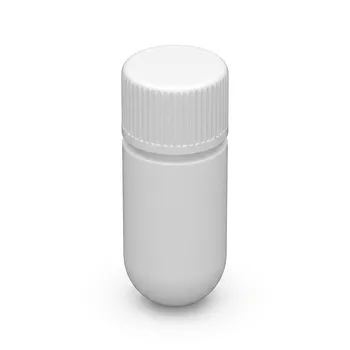
PTFE Centrifuge Tube 1.5ml U Bottom Corrosion Resistant Screw Seal Custom High Purity Labware

High Temperature Chemical Resistant 50ml PTFE Syringe Customized Teflon Injector with Threaded Seal for Trace Analysis
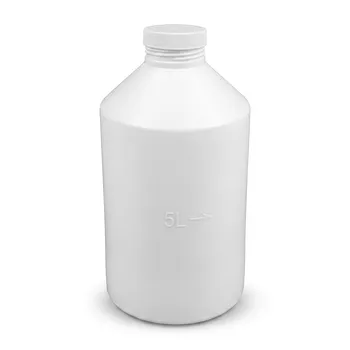
Large Capacity 5L PTFE Storage Tank and Custom Reagent Bottle Corrosion Resistant Leakproof Screw Seal Laboratory Container with PTFE Cap

PTFE Deep Evaporating Dishes Customizable Laboratory and Industrial Solutions
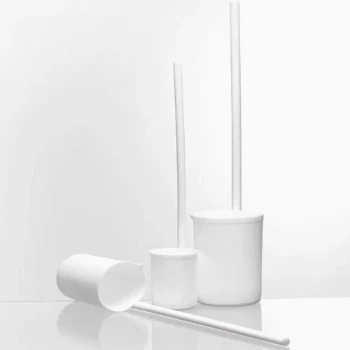
PTFE Chemical Solvent Sampling Spoon