PTFE seal rings are the industry standard for hygienic applications because they are chemically inert, non-toxic, and capable of withstanding extreme thermal environments. These materials ensure that no contaminants, tastes, or odors are transferred to the product, meeting the rigorous safety standards required by the FDA. Their unique surface properties also prevent microbial growth and resist the aggressive chemicals used during deep-cleaning cycles.
PTFE (Polytetrafluoroethylene) provides a "triple threat" of benefits for sanitary environments: it is chemically immune to almost all media, maintains its integrity during high-heat sterilization, and features a non-stick surface that prevents the accumulation of bacteria.
Ensuring Product Purity and Regulatory Compliance
FDA-Compliant Material Composition
Seals used in these sectors are typically manufactured from virgin or modified PTFE grades that are specifically designed to be non-contaminating. These materials are FDA-compliant and considered physiologically harmless, meaning they do not react with the food or drugs they contact.
Preservation of Sensory Profiles
A critical requirement in food and beverage production is the prevention of cross-contamination regarding flavor or scent. PTFE is odorless and tasteless, ensuring that the "sensory profile" of a product remains untainted as it moves through processing lines or reactors.
Elimination of Microbial Harbors
Unlike many other materials, PTFE creates an inert, non-toxic slide surface that lacks the microscopic depressions where bacteria might otherwise colonize. This smooth morphology is essential for maintaining a sanitary environment and preventing the growth of harmful microbes.
Durability Under Harsh Sterilization Protocols
Resilience to CIP and SIP Processes
Hygienic systems undergo frequent Clean-in-Place (CIP) and Sterilization-in-Place (SIP) cycles involving steam and aggressive acids or alkalis. PTFE seal rings are uniquely suited for this because they resist chemical attack from almost all cleaning agents and remain stable under high-pressure steam.
High-Temperature Stability
From baking and drying ovens to cryogenic cooling, PTFE maintains its flexibility and usability across a massive temperature range. It has a high upper temperature limit, allowing it to function reliably in heated segments of manufacturing where traditional elastomers would melt or degrade.
Non-Stick Surface for Cleaning Validation
The non-stick properties of PTFE reduce product buildup on the seals themselves. This facilitates easier cleaning validation, as there is less residue to remove, ensuring that pharmaceutical reactors and food lines can be cleared of previous batches quickly and thoroughly.
Understanding the Trade-offs
The Challenge of "Cold Flow"
While PTFE is exceptionally chemically resistant, it is a "soft" material that can be prone to creep or cold flow under heavy, continuous loads. This means that if a seal is improperly designed or over-torqued, it may deform over time, potentially leading to leaks if the system is not properly maintained.
Lack of Elastic Memory
Unlike rubber O-rings, PTFE does not have "elastic memory," meaning it does not easily spring back to its original shape once deformed. In applications with frequent pressure fluctuations, engineers often use spring-energized PTFE seals to provide the necessary mechanical "push" to maintain a tight seal.
Making the Right Choice for Your Goal
How to Apply This to Your Project
To maximize the lifespan and safety of your sealing components, consider the specific demands of your production line:
- If your primary focus is absolute purity and taste neutrality: Utilize virgin PTFE, as it offers the highest level of chemical purity and is the standard for direct food contact.
- If your primary focus is high-pressure or heavy-load durability: Opt for modified or filled PTFE grades, which reduce the risk of cold flow while still maintaining high levels of chemical resistance.
- If your primary focus is rapid sterilization cycles: Ensure your seals are rated specifically for SIP (Sterilization-in-Place) to guarantee they can handle the repeated thermal shock of high-pressure steam.
By aligning the specific grade of PTFE with your sterilization protocols and pressure requirements, you ensure a contamination-free production environment that meets the highest global safety standards.
Summary Table:
| Key Property | Industry Benefit | Application Feature |
|---|---|---|
| Chemical Inertness | Prevents contamination & off-tastes | FDA & Physiological safety compliance |
| Thermal Stability | Withstands extreme sterilization | Ideal for CIP (Clean-in-Place) & SIP cycles |
| Non-Stick Surface | Inhibits microbial & bacterial growth | Easy cleaning validation & reduced residue |
| Broad Temp Range | Maintains integrity from cryo to heat | Reliable in ovens, reactors, and cooling lines |
| Low Friction | Smooth product flow & low wear | Prevents particle shedding in sensitive media |
Upgrade Your Process Purity with KINTEK’s High-Performance Fluoropolymers
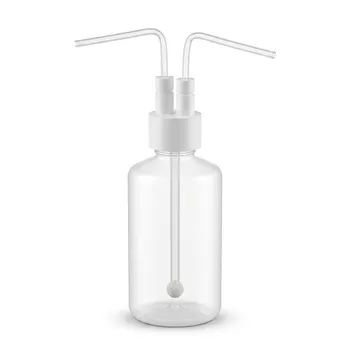
Ensure absolute compliance and durability in your most demanding hygienic environments. From everyday basic labware (beakers, measuring cylinders, crucibles, dishes, reagent/wash bottles, centrifuge and digestion tubes) to high-purity trace analysis instruments and comprehensive fluid transfer components (tubing, fittings, valves), KINTEK delivers unmatched precision.
We manufacture virtually all imaginable laboratory supplies crafted from PTFE and PFA, including sample prep tools (filters, pipettes, tweezers), general consumables (O-rings, gaskets, seal tapes), and advanced reaction apparatus like electrochemical cells and microwave digestion vessels. Backed by end-to-end custom CNC fabrication, we are equipped to deliver everything from complex non-standard machined parts to high-volume orders with an exclusive focus on high-performance materials.
Ready to optimize your production line? Contact KINTEK today for a custom consultation!
Related Products
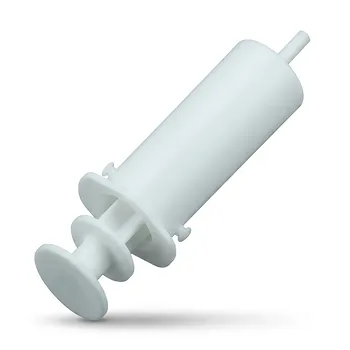
- High Temperature Chemical Resistant 50ml PTFE Syringe Customized Teflon Injector with Threaded Seal for Trace Analysis
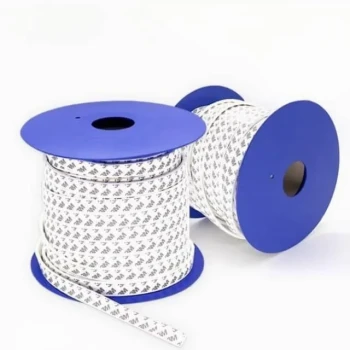
- Custom PTFE Sealing Tapes for Industrial and High Tech Applications
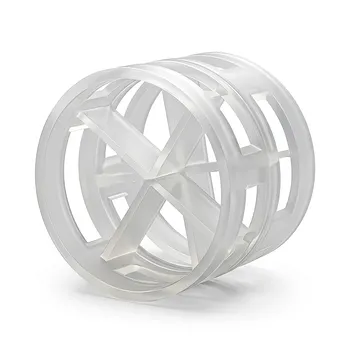
- High Purity PFA PTFE Raschig Rings for Chemical Distillation Tower Packing in Acidic and Alkaline Environments
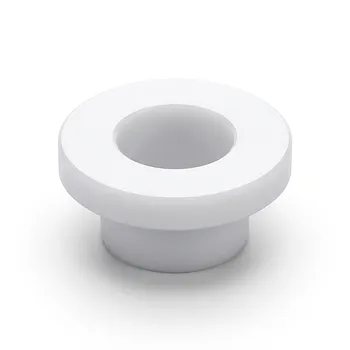
- Custom PTFE Insulating Gaskets and Corrosion Resistant Fluoropolymer Seals for Industrial Electrical Applications
- Custom PTFE Insulating Gaskets Corrosion Resistant Teflon Seals Tailored Engineering Plastic Components
People Also Ask
- In what medical devices is PTFE commonly used? Essential Components for Safety and Reliability
- Is PTFE approved for food contact applications? Ensuring Food Safety with Compliant PTFE
- What is notable about the coefficient of friction of PTFE? Achieve Unmatched Low-Friction Performance
- Why is PTFE highly resistant to chemicals? Unmatched Inertness for Demanding Applications
- How chemically resistant is PTFE? Discover its near-total inertness to most chemicals