Optimal performance for PTFE seal rings requires a mating hardware surface finish typically between 0.2 and 0.8 micrometers (Ra). While this range serves most industrial applications, critical seals for small-molecule gases like hydrogen may require finishes as smooth as 0.05 to 0.1 micrometers (2-4 RMS) to prevent microscopic leak paths. Achieving this balance is vital because a surface that is too rough will shred the seal, while a surface that is too smooth prevents the formation of a necessary lubricating transfer film.
Core Takeaway: To ensure maximum seal longevity and leakage control, hardware must be machined to a specific roughness that allows PTFE to deposit a microscopic "transfer film" into the metal's crevices without causing abrasive wear.
The Critical Balance of Surface Roughness
The "Goldilocks" Zone for PTFE
A surface roughness (Ra) of 0.2 to 0.8 µm is the standard recommendation for most dynamic PTFE sealing applications. This range provides enough texture for the PTFE to anchor itself and form a protective film, yet remains smooth enough to avoid immediate abrasive damage.
The Mechanism of the Transfer Film
PTFE relies on a unique physical property: as it rubs against metal, it fills the microscopic valleys of the hardware with its own material. This transfer film allows the PTFE seal to eventually rub against a layer of PTFE rather than raw metal, significantly reducing friction and wear.
Impact on Seal Longevity
Small improvements in surface finish can lead to exponential gains in service life. For example, refining a finish from 16 RMS to 8 RMS has been shown to effectively double the life of a PTFE seal by reducing the initial "bedding-in" wear.
Requirements for Specific Applications
Sealing Small-Molecule Gases
When hardware must contain light gases like hydrogen or helium, standard finishes are often insufficient. In these scenarios, a highly polished finish of 0.05 to 0.1 µm (2-4 RMS) is required to eliminate the microscopic flow paths that allow gas molecules to escape.
Piston Ring and Cylinder Bore Standards
The required finish varies based on the hardness and material of the mating hardware. For gray cast iron, an Ra of 0.4 to 0.8 µm is ideal, whereas harder surfaces like chrome steel or hard-anodized aluminum perform better with a smoother Ra of 0.1 to 0.25 µm.
Static Groove Specifications
The surfaces that hold the seal in place (the gland) have different requirements than the dynamic mating surface. The groove flank should generally maintain an Ra of 0.8 µm, while the groove base is more forgiving, allowing for an Ra of up to 1.6 µm.
Understanding the Trade-offs
The Danger of Excessive Roughness
If the mating hardware is too rough, it acts like a file against the relatively soft PTFE. This leads to rapid abrasive wear, high heat generation, and premature seal failure as the material is physically shaved away.
The Risk of a "Mirror" Finish
It is a common mistake to assume that a smoother surface is always better. If a surface is too smooth (typically below 0.1 µm Ra for standard liquids), the PTFE cannot deposit its transfer film, leading to increased friction, "stiction," and potential seal breakout issues.
Material Hardness Interaction
The "softness" of the mating hardware also dictates the required finish. Softer metals are more susceptible to damage from the seal itself if the finish isn't optimized, making surface hardening a common companion requirement to fine surface finishing.
How to Apply This to Your Project
Recommendations Based on Goal
- If your primary focus is Maximum Seal Life: Aim for the smoother end of the spectrum (0.2 µm Ra) and ensure the hardware is hardened to prevent the PTFE from "polishing" the metal further over time.
- If your primary focus is Gas Tightness (Helium/Hydrogen): Specify a superior finish of 0.05 to 0.1 µm Ra (2-4 RMS) to close off microscopic leak paths that standard machining leaves behind.
- If your primary focus is Standard Hydraulic/Pneumatic Use: Maintain a consistent Ra between 0.4 and 0.6 µm to allow for a healthy transfer film and reliable long-term lubrication.
- If your primary focus is Cost-Effective Static Sealing: Use a standard machined finish of 0.8 to 1.6 µm Ra for the internal groove surfaces where dynamic movement is not a factor.
By precisely matching your hardware finish to the specific demands of the PTFE material, you ensure a system that balances low friction with an airtight, long-lasting seal.
Summary Table:
| Application Type | Recommended Surface Finish (Ra) | Key Benefit |
|---|---|---|
| Standard Dynamic Seal | 0.2 – 0.8 µm | Balanced friction and transfer film formation |
| Small-Molecule Gas (H2/He) | 0.05 – 0.1 µm | Prevents microscopic gas leak paths |
| Hard-Anodized/Chrome Steel | 0.1 – 0.25 µm | Minimizes wear on hardened mating surfaces |
| Static Groove (Flank) | ≤ 0.8 µm | Ensures stable positioning and seal integrity |
| Static Groove (Base) | ≤ 1.6 µm | Cost-effective finish for non-dynamic surfaces |
Precision-Engineered PTFE & PFA Solutions for Your Lab
Achieving the perfect surface finish is only half the battle; the quality of your fluoropolymer components is the other. At KINTEK, we specialize exclusively in high-performance fluoropolymer materials, offering everything from everyday basic labware—including beakers, crucibles, reagent bottles, and centrifuge tubes—to specialized high-purity trace analysis instruments.
Whether you need standard consumables like O-rings, gaskets, and seal tapes or complex fluid transfer components such as tubing, fittings, and valves, our end-to-end custom CNC fabrication delivers exactly what your project demands. We also provide advanced apparatus, including electrochemical cells, battery testing fixtures, and microwave digestion vessels, all crafted with absolute precision.
Ready to optimize your sealing performance with custom-machined parts? Contact our engineering experts today to discuss your bespoke laboratory setups or high-volume orders.
Related Products
- High Temperature Chemical Resistant 50ml PTFE Syringe Customized Teflon Injector with Threaded Seal for Trace Analysis
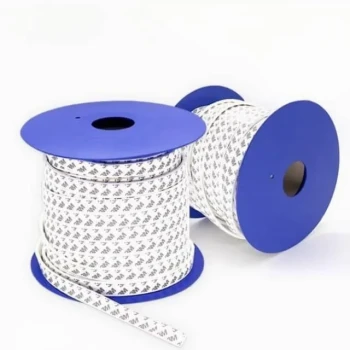
- Custom PTFE Sealing Tapes for Industrial and High Tech Applications
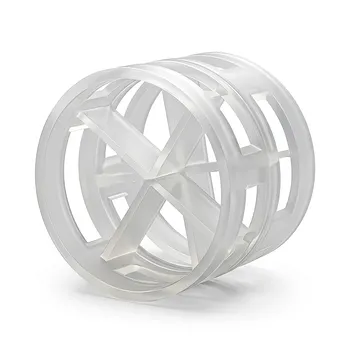
- High Purity PFA PTFE Raschig Rings for Chemical Distillation Tower Packing in Acidic and Alkaline Environments
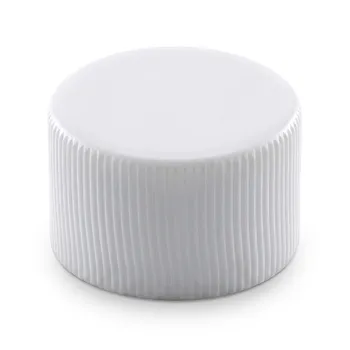
- Custom PTFE Sealing Caps and Corrosion Resistant Low Background Teflon Adapters
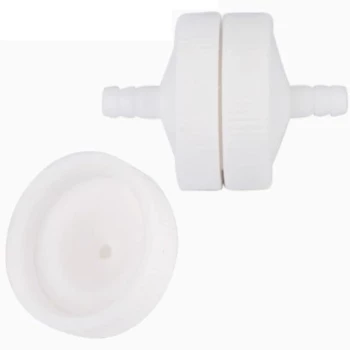
- Customizable PTFE Seals Filter Holders for Versatile Applications
People Also Ask
- In what medical devices is PTFE commonly used? Essential Components for Safety and Reliability
- Is PTFE approved for food contact applications? Ensuring Food Safety with Compliant PTFE
- What is notable about the coefficient of friction of PTFE? Achieve Unmatched Low-Friction Performance
- Why is PTFE classified as non-melt-processible?
- How chemically resistant is PTFE? Discover its near-total inertness to most chemicals