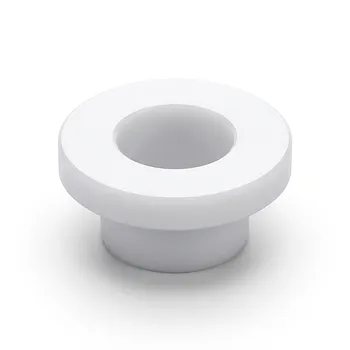
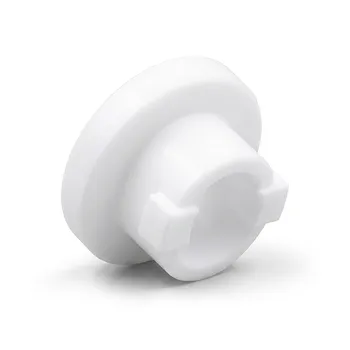
PTFE seal rings are the backbone of aerospace and defense reliability. These components provide a unique combination of extreme thermal stability—ranging from cryogenic fuel temperatures to high-heat engine zones—and near-zero moisture absorption. These properties ensure that critical systems like hydraulic actuators, fuel lines, and satellite components remain leak-proof and functional under the most hostile operating conditions.
PTFE seals solve the fundamental challenge of maintaining a secure seal in environments where temperature, pressure, and chemical exposure fluctuate violently. Their primary value lies in their ability to remain chemically inert and dimensionally stable when traditional elastomers would fail.
Thermal and Vacuum Resilience
Survival in Temperature Extremes
PTFE maintains its integrity across a massive thermal spectrum, from the cryogenic temperatures of liquid fuels to the intense heat found in engine zones. This allows a single material type to be used across diverse aircraft sections without the risk of brittle failure or melting.
Vacuum Compatibility and Low Outgassing
In satellite and spacecraft applications, material "outgassing" can contaminate sensitive optical equipment or electronics. PTFE is preferred for vacuum environments because it has negligible outgassing, ensuring that the vacuum remains pure and the seal remains intact.
Stability Under Thermal Shock
Aerospace components often experience rapid temperature swings during takeoff and re-entry. PTFE's molecular structure allows it to withstand thermal shock and vibration without cracking or losing its sealing force.
Environmental Stability and Moisture Control
Prevention of Ice Formation
Unlike many materials, PTFE does not absorb moisture. This is critical for high-altitude flight, as it prevents ice formation within the seal interface, which could otherwise cause mechanical jams or seal displacement.
Dimensional Stability at Altitude
As pressure and humidity change with altitude, many materials expand or contract. PTFE remains dimensionally stable, ensuring that the fit between the seal and the housing remains precise, preventing leaks in hydraulic and fuel systems.
Unlimited Shelf Life
Defense systems often require long periods of storage before deployment. PTFE seals have an unlimited shelf life because they do not degrade over time, ensuring equipment is "mission-ready" even after years of dormancy.
Chemical and Electrical Protections
Universal Chemical Inertness
PTFE is virtually inert to all aviation fuels, hydraulic fluids, and de-icing chemicals. This resistance prevents the seal from swelling or degrading when exposed to harsh solvents or corrosive media used in military maintenance.
Electrical Insulation and Arcing Prevention
In high-voltage aerospace environments, PTFE acts as an excellent electrical insulator. This property prevents electrical arcing between components, which is vital for the safety of oxygen delivery systems and onboard electronics.
Low Friction and Self-Lubrication
The naturally low coefficient of friction of PTFE eliminates the need for external lubricants. This reduces the weight of the system and prevents "stiction," ensuring that actuators and control surfaces move smoothly with minimal force.
Understanding the Trade-offs
Creep and Cold Flow
While PTFE is highly resilient, it is susceptible to "creep" or cold flow, where the material gradually deforms under a constant heavy load. Engineers often mitigate this by using "filled" PTFE (incorporating glass or carbon) or using energizers like springs.
Mechanical Strength Limitations
Compared to metallic seals, PTFE has lower raw mechanical strength. It is rarely used as a structural component and must be precision-machined and housed correctly to handle high-pressure environments effectively.
Thermal Expansion Rates
PTFE has a higher coefficient of thermal expansion than most metals. If the seal groove is not designed to accommodate this expansion, the seal can become over-compressed at high temperatures, potentially leading to premature wear.
How to Apply This to Your Project
When integrating PTFE seals into aerospace or defense hardware, your specific mission profile should dictate the seal formulation.
- If your primary focus is Spacecraft or Satellites: Prioritize PTFE for its low outgassing properties to prevent the contamination of sensitive instrumentation in high-vacuum environments.
- If your primary focus is Hydraulic or Fuel Systems: Utilize PTFE to ensure compatibility with aggressive fluids and to prevent seal failure during extreme temperature cycling.
- If your primary focus is Long-term Readiness: Leverage the unlimited shelf life of PTFE to reduce the maintenance burden and ensure the reliability of equipment stored for extended durations.
By matching the specific grade of PTFE to the environmental stressors of the application, you ensure the highest levels of safety and operational longevity.
Summary Table:
| Benefit | Key Feature | Aerospace/Defense Application |
|---|---|---|
| Thermal Range | Cryogenic to high-heat stability | Fuel lines, engine zones, and re-entry systems |
| Vacuum Performance | Negligible outgassing | Satellite components and sensitive optical gear |
| Environmental | Zero moisture absorption | Prevention of ice formation at high altitudes |
| Chemical Resistance | Inert to fuels and solvents | Hydraulic actuators and military maintenance |
| Operational Life | Unlimited shelf life | Long-term defense storage and mission readiness |
Secure Your Mission-Critical Performance with KINTEK
In the demanding fields of aerospace and defense, there is no room for component failure. KINTEK specializes in high-performance fluoropolymer solutions designed to withstand the most hostile environments.
From everyday basic labware (beakers, measuring cylinders, crucibles, reagent bottles) to complex fluid transfer components (tubing, fittings, valves) and advanced reaction apparatus, we manufacture virtually all imaginable laboratory and industrial supplies crafted from PTFE and PFA.
Why partner with KINTEK?
- End-to-End Customization: Our custom CNC fabrication delivers everything from complex non-standard machined parts to high-volume orders.
- Unmatched Material Focus: An absolute focus on high-performance fluoropolymers ensures your seals, O-rings, and gaskets maintain dimensional stability under extreme thermal shock.
- Comprehensive Inventory: Whether you need sample prep tools, high-purity trace analysis instruments, or bespoke laboratory setups, we are equipped to deliver.
Ensure your systems remain leak-proof and functional. Contact our expert engineering team today to discuss your project requirements!
Related Products
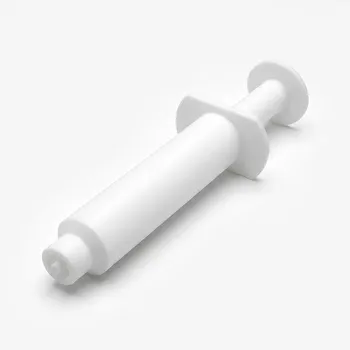
- High Temperature Chemical Resistant 50ml PTFE Syringe Customized Teflon Injector with Threaded Seal for Trace Analysis
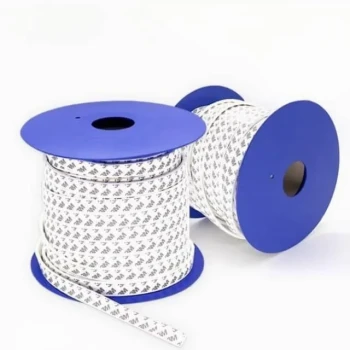
- Custom PTFE Sealing Tapes for Industrial and High Tech Applications
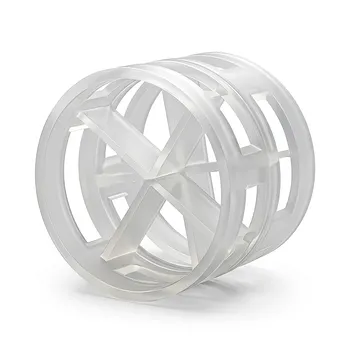
- High Purity PFA PTFE Raschig Rings for Chemical Distillation Tower Packing in Acidic and Alkaline Environments
- Custom PTFE Sealing Caps and Corrosion Resistant Low Background Teflon Adapters
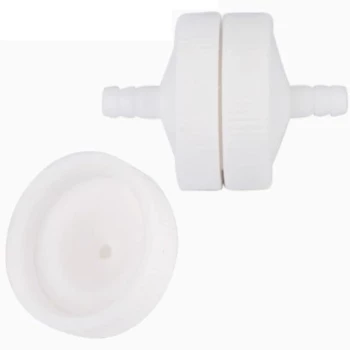
- Customizable PTFE Seals Filter Holders for Versatile Applications
People Also Ask
- In what medical devices is PTFE commonly used? Essential Components for Safety and Reliability
- Is PTFE approved for food contact applications? Ensuring Food Safety with Compliant PTFE
- Why is PTFE highly resistant to chemicals? Unmatched Inertness for Demanding Applications
- Why is PTFE classified as non-melt-processible?
- How chemically resistant is PTFE? Discover its near-total inertness to most chemicals