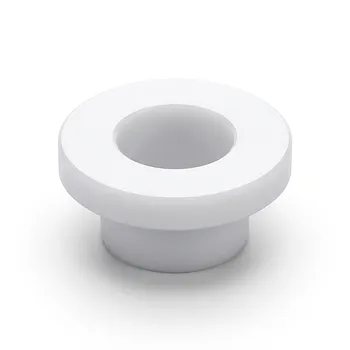
The fundamental operating principle of a PTFE seal ring is the maintenance of a contact stress level that consistently exceeds the pressure of the sealed media. This is achieved by creating a positive mechanical barrier through initial installation interference and leveraging the material's ability to conform to microscopic surface irregularities. As system pressure increases, the seal acts as a self-energized component, dynamically increasing its contact force to prevent leakage.
Core Takeaway: PTFE seals function by establishing a high-pressure interface through mechanical compression and viscoelastic deformation, which then utilizes system pressure to automatically reinforce the seal's integrity against the mating surface.
The Mechanics of Positive Interference
Initial Installation and Preload
A PTFE seal is designed to be slightly larger or smaller than the hardware space it occupies, creating initial interference. When the seal is installed, it is compressed between the hardware surfaces, generating a "preload" force. This initial compression ensures a positive barrier is present even when the system is at zero pressure.
Conformance to Micro-Asperities
Unlike rigid materials, PTFE exhibits a viscoelastic response, allowing it to flow microscopically into the "micro-asperities" or rough peaks and valleys of the mating surface. This microscopic conformance is critical for achieving a near-zero leakage rate. This soft-seated interface compensates for machining imperfections that would otherwise provide leak paths.
Dynamic Response and Self-Energization
The Role of System Pressure
In a pressurized environment, the PTFE seal functions as a self-energized component. The media (liquid or gas) enters the seal geometry and exerts force against the seal lip, pushing it harder against the mating surface. This ensures that the contact stress increases in direct proportion to the system pressure, maintaining the seal's effectiveness under varying loads.
Dynamic Compensation via Energizers
Because PTFE has lower natural elasticity than rubber, many designs incorporate energizers like metallic springs or elastomeric O-rings. These components provide a continuous outward force that compensates for material wear or thermal contraction. This dynamic compensation ensures the seal maintains its critical contact stress over long service lives and through thermal cycling.
Specialized Configurations for Varied Applications
Self-Clamping Piston Rings
In piston applications, PTFE rings are often engineered to be self-clamping, pressing against both the cylinder wall and the groove flank simultaneously. This dual-surface contact is maintained by a combination of the material's inherent pre-loading force and the active pressure load. For large-scale industrial compressors, these self-clamping designs can be manufactured in diameters up to 700 mm.
Double-Acting Rotary Seals
Rotary designs often utilize a bi-directional configuration consisting of a PTFE dynamic ring and an elastomeric O-ring energizer. The O-ring serves a dual purpose: it acts as a static seal against the gland and provides the necessary force to keep the PTFE ring engaged with the rotating shaft. This setup allows the seal to handle pressure from either direction while minimizing friction.
Understanding the Trade-offs
Cold Flow and Creep
The primary limitation of PTFE is its tendency toward cold flow or "creep," where the material permanently deforms under a constant load over time. If a seal is not properly supported by its housing or an internal energizer, the initial sealing force can diminish, leading to eventual failure. Engineers must account for this by using locking geometries and specific liner thicknesses.
Low Inherent Elasticity
PTFE is a plastic, not an elastomer, meaning it does not "snap back" to its original shape as effectively as rubber. This lack of resilience makes installation more critical; once a PTFE seal is over-stretched or kinked, it may not recover its sealing properties. Therefore, specialized installation tools are often required to ensure the seal returns to its intended dimensions.
Selecting the Right PTFE Seal for Your Goal
How to Apply This to Your Project
Choosing the correct PTFE seal requires balancing the need for chemical inertness with the mechanical requirements of the system pressure and temperature.
- If your primary focus is extreme chemical resistance: Select a pure, virgin PTFE seal with an internal stainless steel spring energizer to ensure mechanical force is maintained where elastomers would degrade.
- If your primary focus is high-pressure hydraulic systems: Utilize a glass-filled or carbon-filled PTFE ring with a high-durometer O-ring energizer to prevent material extrusion and maximize wear life.
- If your primary focus is low-friction rotary motion: Choose a double-acting PTFE seal design that minimizes the contact area while using an O-ring to maintain a light, consistent preload.
The effectiveness of a PTFE seal ultimately depends on its ability to transform mechanical and fluid pressure into a reliable, conforming barrier across the sealing interface.
Summary Table:
| Mechanism Component | Operating Principle | Primary Benefit |
|---|---|---|
| Initial Interference | Mechanical compression during installation | Ensures a positive barrier at zero pressure |
| Viscoelastic Flow | Conformance to surface micro-asperities | Eliminates leak paths from machining imperfections |
| Self-Energization | System pressure pushes seal against mating surface | Dynamically increases sealing force as pressure rises |
| Energizers | Metallic springs or elastomeric O-rings | Compensates for PTFE's natural creep and low elasticity |
Elevate Your Laboratory Precision with KINTEK
Don't let sealing failures or chemical degradation compromise your results. At KINTEK, we specialize in high-performance fluoropolymer solutions tailored to the most demanding scientific environments. From everyday basic labware like beakers, measuring cylinders, and reagent bottles to advanced electrochemical cells, hydrothermal synthesis liners, and microchannel reactors, we manufacture virtually all imaginable laboratory supplies crafted from PTFE and PFA.
Why Choose KINTEK?
- End-to-End Customization: Our advanced CNC fabrication allows us to deliver complex, non-standard machined parts and bespoke laboratory setups designed specifically for your unique workflow.
- Material Expertise: We maintain an exclusive focus on high-performance fluoropolymers, ensuring absolute chemical inertness and thermal stability.
- Comprehensive Range: Whether you need centrifuge tubes, fluid transfer fittings, or battery testing fixtures, we provide a one-stop-shop for high-volume orders and specialized research tools.
Ready to optimize your equipment? Contact us today to discuss your custom fabrication needs or to browse our extensive catalog of PTFE and PFA laboratory essentials.
Related Products
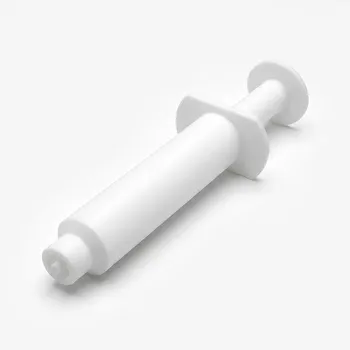
- High Temperature Chemical Resistant 50ml PTFE Syringe Customized Teflon Injector with Threaded Seal for Trace Analysis
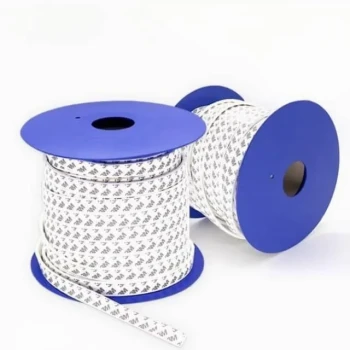
- Custom PTFE Sealing Tapes for Industrial and High Tech Applications
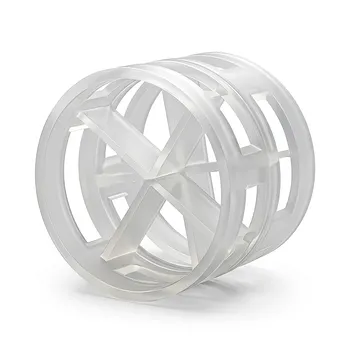
- High Purity PFA PTFE Raschig Rings for Chemical Distillation Tower Packing in Acidic and Alkaline Environments
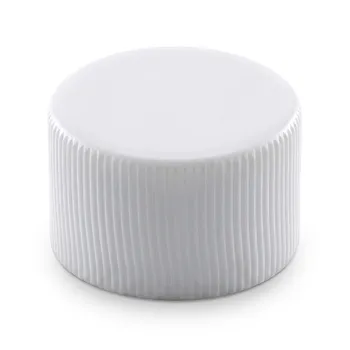
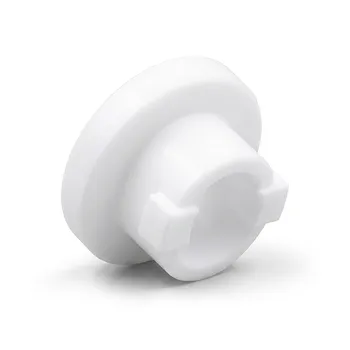
- Custom PTFE Sealing Caps and Corrosion Resistant Low Background Teflon Adapters
- Customizable PTFE Seals Filter Holders for Versatile Applications
People Also Ask
- In what medical devices is PTFE commonly used? Essential Components for Safety and Reliability
- Is PTFE approved for food contact applications? Ensuring Food Safety with Compliant PTFE
- How chemically resistant is PTFE? Discover its near-total inertness to most chemicals
- How does PTFE's flexibility affect its performance? Unlock Durability and Sealing Power
- Why is PTFE classified as non-melt-processible?