Fillers enhance PTFE seal rings by reinforcing the polymer matrix to overcome its natural tendency toward "cold flow" and rapid wear. By compounding PTFE with materials like glass fiber, carbon, bronze, or graphite, engineers can increase its compressive strength by up to 300% and its abrasion resistance by as much as 1,000 times. These additives allow the seal to maintain its shape and integrity under heavy loads and high-pressure environments where virgin PTFE would otherwise deform or fail.
Core Takeaway: Fillers transform PTFE from a chemically superior but structurally soft material into a high-performance engineering plastic. They mitigate the inherent weaknesses of creep and low wear resistance, enabling seal rings to survive the mechanical stresses of demanding industrial applications.
Overcoming the Structural Limitations of Virgin PTFE
Eliminating Creep and Cold Flow
Virgin PTFE is prized for its chemical inertness, but it suffers from cold flow, or the tendency to deform permanently under a constant load. Fillers act as a physical internal skeleton, providing the structural rigidity needed to prevent the material from "creeping" out of the seal groove. This ensures the seal maintains a tight, leak-proof interface even during long-term operation.
Drastic Improvements in Wear Resistance
In dynamic applications, virgin PTFE wears away quickly due to its low surface hardness. Compounding the material with fillers can improve abrasion resistance by approximately 1,000 times. This modification significantly extends the service life of seal rings in abrasive environments, such as those found in the oil and gas sector.
Mechanical and Thermal Enhancements
Boosting Compressive Strength and Extrusion Resistance
Industrial seals often face extreme pressures that can force the material into the clearances between metal parts. Adding fillers like bronze or glass fiber can increase the compressive strength from 10 MPa to 30 MPa. This reinforcement provides the extrusion resistance necessary for high-pressure hydraulic actuators.
Enhancing Thermal Conductivity
Pure PTFE is a thermal insulator, which can lead to localized heat buildup and seal failure in high-speed rotating equipment. Fillers like graphite or bronze can double the material's thermal conductivity. This allows heat to dissipate more efficiently away from the sealing surface, maintaining dimensional stability and preventing thermal degradation.
Optimizing Dimensional Stability
Fillers reduce the coefficient of thermal expansion, meaning the seal ring will expand and contract less during temperature fluctuations. This stability is critical for maintaining precise tolerances in sensitive machinery. By selecting the right filler, engineers can ensure the seal remains effective across a wide operating temperature range.
Understanding the Trade-offs
Impact on Machining and Precision
While fillers improve mechanical strength, they also increase the material's hardness and reduce its ductility. This makes the PTFE more abrasive to manufacturing equipment, requiring specialized cutting tools and slower feed rates. Achieving a precise finish on filled PTFE is more complex and requires stricter thermal control during the machining process.
Potential Loss of Chemical Inertness
The addition of fillers can sometimes compromise the near-universal chemical resistance of virgin PTFE. For example, bronze-filled PTFE may react with certain corrosive chemicals that would not affect the base polymer. It is essential to ensure that the chosen filler is chemically compatible with the specific fluid or gas being sealed.
How to Apply This to Your Project
Selecting the right filler depends entirely on the specific mechanical and environmental stressors of your application.
- If your primary focus is high-pressure extrusion resistance: Utilize bronze or glass-filled PTFE to maximize compressive strength and structural stiffness.
- If your primary focus is high-speed dynamic sealing: Choose carbon or graphite-filled grades to improve thermal dissipation and minimize wear without significantly increasing friction.
- If your primary focus is abrasive slurry handling: Select carbon-filled PTFE to provide the highest level of abrasion resistance and dimensional constancy.
- If your primary focus is extreme chemical purity: Use virgin PTFE or specialized mineral fillers to ensure no contamination occurs, provided the mechanical loads remain low.
By strategically matching filler properties to your operational demands, you can maximize the reliability and lifespan of your industrial sealing systems.
Summary Table:
| Filler Type | Key Improvement | Ideal Application |
|---|---|---|
| Glass Fiber | Increases compressive strength & stiffness | High-pressure hydraulic actuators |
| Carbon/Graphite | Enhances wear resistance & thermal conductivity | High-speed rotating equipment |
| Bronze | Maximizes extrusion & creep resistance | Heavy-duty oil & gas seals |
| Virgin PTFE | Maintains ultimate chemical purity | Low-load, high-purity chemical processing |
Elevate Your Industrial Performance with KINTEK’s High-Performance Fluoropolymers
Are you facing challenges with seal failure, excessive wear, or material creep in your most demanding applications? KINTEK is your premier partner for high-performance PTFE and PFA solutions.
From everyday basic labware like beakers, crucibles, and reagent bottles to complex fluid transfer components (tubing, fittings, and valves), we provide the reliability your operations demand. Our expertise spans sample prep tools, filtration equipment, and advanced reaction apparatus, including custom electrochemical cells and microwave digestion vessels.
Why Choose KINTEK?
- End-to-End Custom CNC Fabrication: We deliver everything from complex, non-standard machined parts and bespoke laboratory setups to high-volume orders.
- Precision Engineering: We maintain an exclusive focus on high-performance fluoropolymers, ensuring your components withstand the harshest chemical and mechanical environments.
- Comprehensive Catalog: Whether you need general consumables like O-rings and gaskets or specialized microchannel reactors, we manufacture virtually all imaginable laboratory and industrial supplies.
Don’t let material limitations hold you back. Contact us today to discuss your custom project and discover how our fluoropolymer expertise can optimize your efficiency and equipment lifespan!
Related Products
- High Temperature Chemical Resistant 50ml PTFE Syringe Customized Teflon Injector with Threaded Seal for Trace Analysis
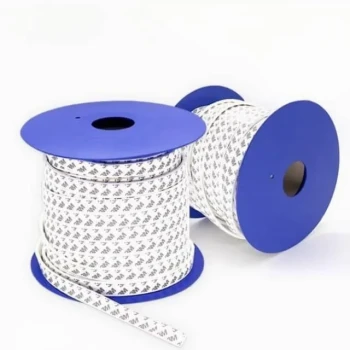
- Custom PTFE Sealing Tapes for Industrial and High Tech Applications
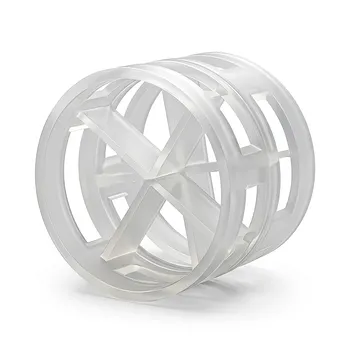
- High Purity PFA PTFE Raschig Rings for Chemical Distillation Tower Packing in Acidic and Alkaline Environments
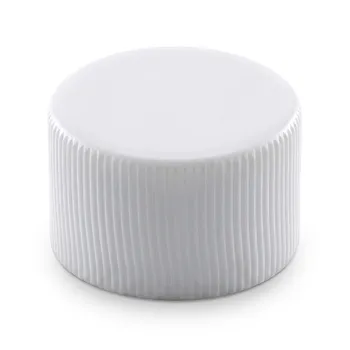
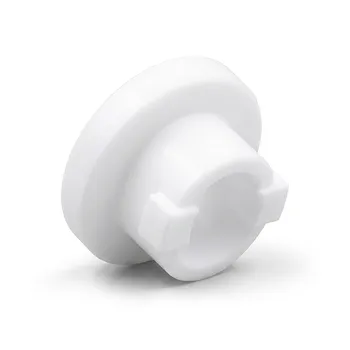
- Custom PTFE Sealing Caps and Corrosion Resistant Low Background Teflon Adapters
- Customizable PTFE Seals Filter Holders for Versatile Applications
People Also Ask
- In what medical devices is PTFE commonly used? Essential Components for Safety and Reliability
- Is PTFE approved for food contact applications? Ensuring Food Safety with Compliant PTFE
- How does PTFE's flexibility affect its performance? Unlock Durability and Sealing Power
- Why is PTFE highly resistant to chemicals? Unmatched Inertness for Demanding Applications
- How chemically resistant is PTFE? Discover its near-total inertness to most chemicals