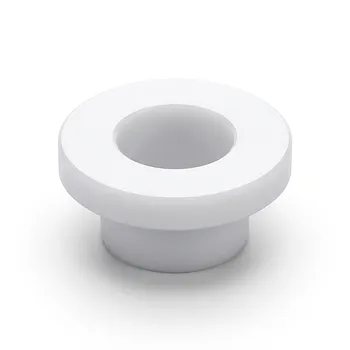
Backup rings and wear rings serve as the structural backbone of PTFE sealing systems, ensuring the primary seal does not fail under mechanical or thermal stress. Backup rings prevent the "extrusion" of soft sealing materials into hardware gaps under high pressure, while wear rings (or guide rings) maintain mechanical alignment by absorbing side loads and preventing metal-to-metal contact between moving parts.
In high-performance sealing environments, backup rings provide the physical reinforcement necessary to handle extreme pressures, while wear rings protect the system's geometry from mechanical wear and misalignment.
The Role of Backup Rings in Pressure Management
Preventing Material Extrusion
The primary function of a backup ring is to act as a physical barrier downstream of the primary seal. When subjected to high pressure or temperature, softer materials like rubber O-rings or virgin PTFE tend to "flow" or extrude into the clearance gaps between mating parts.
Enhancing Pressure Capacity
While virgin PTFE is effective for many applications, its pressure limit is approximately 3,600 psi. By integrating backup rings made of harder materials like PEEK or filled PTFE (reinforced with carbon, glass, or bronze), the system can withstand pressures up to 5,800 psi or handle significant pressure spikes without seal failure.
Thermal Stability and Support
High temperatures soften elastomeric and PTFE seals, making them more susceptible to deformation. Backup rings provide the necessary structural support to maintain the seal's shape and position, even when operating near the upper limits of PTFE's thermal range (approximately 575°F).
The Role of Wear Rings in Mechanical Integrity
Managing Side Loads and Alignment
Wear rings, often called guide rings, are designed to center the piston or rod within the cylinder. They are the primary components responsible for absorbing side loads, which are lateral forces that would otherwise cause the piston to tilt or drag against the cylinder wall.
Preventing Metal-to-Metal Contact
By providing a sacrificial low-friction interface, wear rings prevent the piston and bore from making direct contact. This protection is vital for preserving the surface finish of the mating hardware, which is critical for the long-term effectiveness of the primary seal.
Reducing System Friction
PTFE wear rings leverage the material's naturally low coefficient of friction. This ensures that even under heavy side loads, the reciprocating or rotary motion remains smooth, reducing heat generation and energy consumption within the system.
Understanding the Trade-offs
Material Limitations
Choosing between virgin and filled PTFE involves a significant trade-off. While virgin PTFE offers the best chemical resistance and lowest friction, it lacks the structural "modulus" (stiffness) required for high-pressure backup rings; filled versions offer higher strength but may be slightly more abrasive to soft mating surfaces.
Geometric Precision
The effectiveness of a backup ring is highly dependent on the clearance gap of the hardware. If the gap is too large, even a backup ring may eventually deform, whereas if the gap is too tight, the system may suffer from increased friction and heat build-up.
Environmental Compatibility
While PTFE is nearly impermeable to industrial chemicals, the fillers used in backup and wear rings (such as bronze or glass) may react with specific aggressive media. Engineers must ensure that the reinforcement material is as chemically compatible as the PTFE base.
How to Apply This to Your Project
To ensure your sealing system operates reliably, select your structural components based on the most demanding variable of your application.
- If your primary focus is high-pressure stability: Use backup rings made of PEEK or carbon-filled PTFE to prevent extrusion and extend the life of your O-rings.
- If your primary focus is heavy mechanical loads: Prioritize high-strength wear rings with reinforced fillers to maintain alignment and prevent hardware damage.
- If your primary focus is chemical purity or corrosion: Opt for virgin PTFE or chemically inert fillers, while accepting that pressure and load limits will be lower.
- If your primary focus is extreme temperatures: Ensure your backup ring material has a thermal expansion coefficient compatible with your hardware to prevent seizing or gap formation.
A well-designed PTFE sealing system is only as strong as the structural rings that support and guide its primary seals.
Summary Table:
| Component | Primary Function | Key Benefits | Recommended Materials |
|---|---|---|---|
| Backup Ring | Prevents Seal Extrusion | Increases pressure capacity (up to 5,800 psi) | PEEK, Carbon-filled PTFE, Bronze-filled PTFE |
| Wear Ring | Absorbs Side Loads | Maintains alignment; prevents metal-to-metal contact | Glass-filled PTFE, Virgin PTFE (low load) |
| Sealing System | Pressure Management | Reduces system friction and extends hardware lifespan | Integrated PTFE/PFA Fluoropolymer systems |
Optimize Your Performance with KINTEK’s Precision Fluoropolymer Engineering
Maximize the reliability of your sealing systems and laboratory workflows with KINTEK. Whether you require high-performance backup rings and wear rings to handle extreme pressures or specialized laboratory equipment, we provide the engineering excellence your project demands.
Our Comprehensive Capabilities Include:
- Precision Labware: From everyday basics like beakers, crucibles, and reagent bottles to centrifuge and digestion tubes.
- Fluid & Sample Handling: High-purity trace analysis instruments, tubing, fittings, valves, separatory funnels, and filtration tools.
- Advanced Apparatus: Custom electrochemical cells, battery testing fixtures, hydrothermal synthesis liners, and microwave digestion vessels.
- General Consumables: Stirring bars, O-rings, gaskets, and high-performance seal tapes.
Why Partner with KINTEK? Backed by end-to-end custom CNC fabrication, we deliver everything from complex, non-standard machined parts and bespoke laboratory setups to high-volume orders. We maintain an exclusive focus on high-performance PTFE and PFA materials to ensure your hardware survives the most aggressive chemical and thermal environments.
Ready to enhance your system’s durability? Contact our experts at KINTEK today to discuss your custom fabrication needs!
Related Products
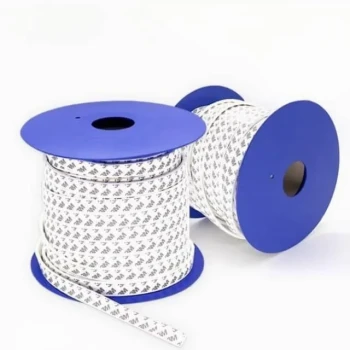
- Custom PTFE Sealing Tapes for Industrial and High Tech Applications
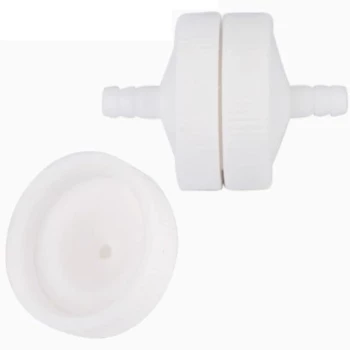
- Customizable PTFE Seals Filter Holders for Versatile Applications
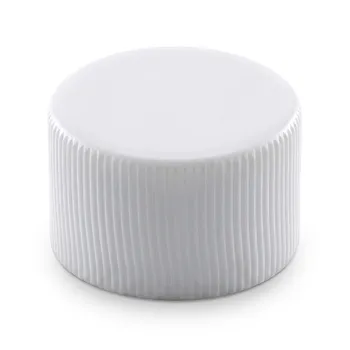
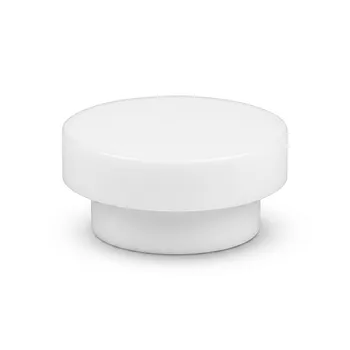
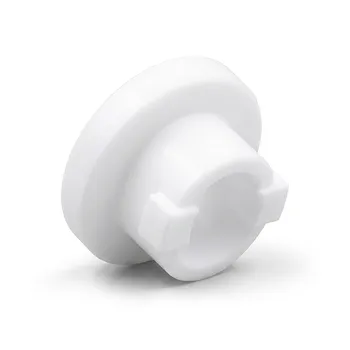
- Custom PTFE Sealing Caps and Corrosion Resistant Low Background Teflon Adapters
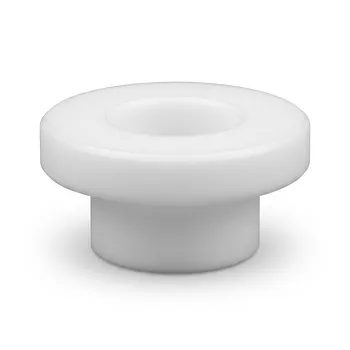
- Custom PTFE Insulating Gaskets and Corrosion Resistant Fluoropolymer Seals for Industrial Electrical Applications
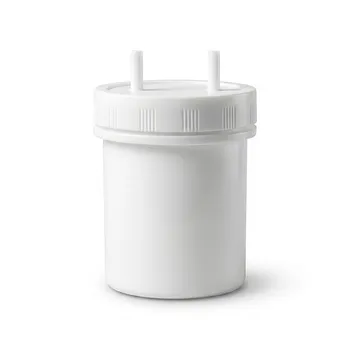
- High Purity Corrosion Resistant PTFE Fluoropolymer Raw Material Drum with Secure Screw Cap Seal for Low Background Chemical Storage and Feeding
People Also Ask
- How are custom PTFE parts used in the automotive sector? Enhance Vehicle Performance & Durability
- Why is PTFE's temperature stability important for sealing applications? Ensure Leak-Proof Performance from -200°C to 260°C
- How does the low friction property of PTFE benefit sealing applications? Achieve Reliable, Low-Stress Seals
- How does PTFE's chemical resistance benefit seals? Ensure Leak-Free Performance in Harsh Environments
- How should PTFE be protected during installation? Prevent Leaks and Damage with Proper Handling