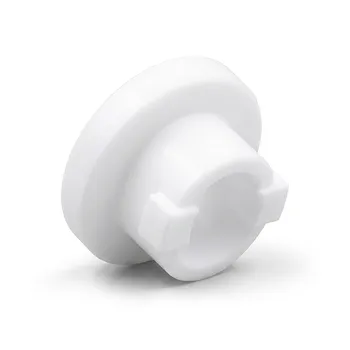
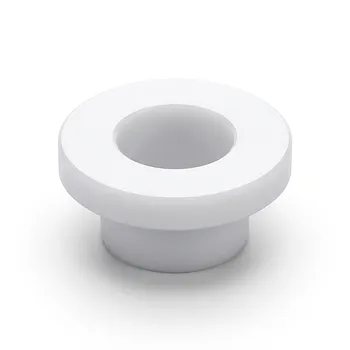
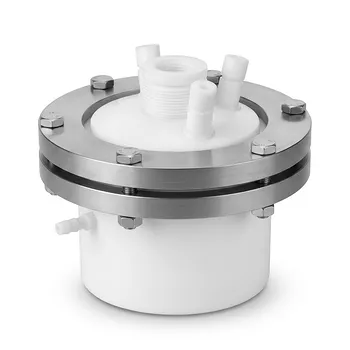
PTFE seal rings are the primary choice for chemical processing because they are virtually immune to chemical attack. These components provide near-universal inertness, preventing concentrated acids, alkalis, and solvents from compromising equipment integrity. In pumps, valves, and reactors, PTFE’s low friction reduces energy consumption and wear, while its high purity ensures that sensitive chemical reactions remain uncontaminated.
PTFE (Polytetrafluoroethylene) seals serve as a critical barrier in harsh environments, combining extreme chemical resistance with a wide temperature range and self-lubricating properties. Their ability to remain stable under thermal stress and aggressive media makes them indispensable for maintaining system uptime and safety.
Exceptional Chemical and Thermal Resilience
Near-Universal Chemical Inertness
PTFE is resistant to almost all industrial chemicals, including strong acids, bases, and aggressive solvents. This prevents the "swelling" or degradation common in elastomeric seals, which can lead to catastrophic leaks in reactors and piping.
Wide Operating Temperature Range
These seals maintain their mechanical integrity across an expansive thermal spectrum, typically from -200°C to +260°C. This allows a single sealing material to handle both cryogenic gases and high-heat reactive streams without becoming brittle or melting.
Resistance to Corrosion and Oxidation
Unlike metal-based or lower-grade polymer seals, PTFE does not oxidize or corrode when exposed to halogens or mixed corrosive streams. This longevity significantly extends the service life of the equipment and reduces the frequency of scheduled maintenance.
Enhanced Mechanical Performance for Moving Parts
Low Friction and Reduced Torque
PTFE has one of the lowest coefficients of friction of any solid material, which translates to lower torque requirements for valve actuation. In pumps, this reduces energy consumption and minimizes heat generation at the seal interface, protecting mating surfaces from premature wear.
Self-Lubrication and Dry-Run Capability
Because PTFE is inherently self-lubricating, it does not require supplemental oils or greases that could contaminate the process media. This property is vital for "emergency" conditions where a pump might run dry, as the PTFE can form a protective lubricating film to prevent immediate seizure.
High Purity and Non-Stick Properties
Virgin PTFE is odorless, tasteless, and chemically stable, making it ideal for pharmaceutical and high-purity chemical production. Its non-stick nature prevents the accumulation of residues or particulates, which simplifies the cleaning and sterilization of reactor vessels.
Understanding the Trade-offs
Managing "Cold Flow" and Creep
The primary limitation of pure (virgin) PTFE is its tendency to "creep" or cold flow under continuous heavy loads. Over time, the material may deform, potentially leading to a loss of sealing pressure if the hardware is not designed to compensate for this movement.
Mechanical Strength Limitations
While PTFE is exceptionally resilient to chemicals, it has lower tensile strength and hardness than many metal or reinforced composite seals. In high-pressure applications, PTFE seals are often "filled" with materials like glass fiber, carbon, or bronze to improve their structural stability.
Thermal Expansion Considerations
PTFE has a high coefficient of thermal expansion, meaning it expands and contracts significantly more than the metal housings it sits within. Engineers must carefully calculate clearances to ensure the seal does not bind at high temperatures or leak at low temperatures.
How to Apply This to Your Project
Selecting the Right PTFE Variant
- If your primary focus is extreme chemical purity: Use virgin PTFE, which provides the highest level of inertness and prevents any particulate leaching into the process.
- If your primary focus is high-pressure stability: Opt for filled PTFE grades (carbon or glass-filled) to reduce creep and improve the seal's resistance to mechanical deformation.
- If your primary focus is sealing imperfect flanges: Utilize expanded PTFE (ePTFE), which is more conformable and can create a tight seal on worn or uneven surfaces with lower bolt torque.
By matching the specific grade of PTFE to your equipment's thermal and mechanical demands, you can ensure a leak-free, high-efficiency chemical processing environment.
Summary Table:
| Feature | Key Benefit | Ideal Application |
|---|---|---|
| Chemical Inertness | Resists almost all acids, bases, and solvents | Corrosive media reactors & piping |
| Thermal Range | Stable from -200°C to +260°C | Cryogenic storage & high-heat streams |
| Low Friction | Reduces torque and energy consumption | High-cycle valve actuation & pumps |
| Self-Lubrication | Prevents seizure during dry-run conditions | Rotating equipment & moving parts |
| High Purity | Non-stick and non-contaminating | Pharmaceutical & high-purity chemicals |
Optimize Your Lab Performance with KINTEK’s Fluoropolymer Expertise
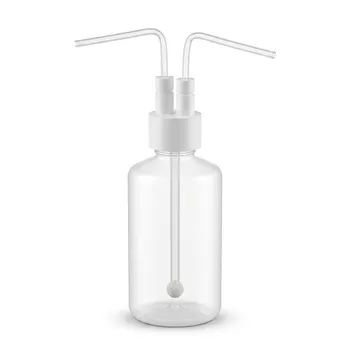
Is your chemical processing equipment suffering from frequent seal failure or contamination? KINTEK specializes in high-performance PTFE and PFA solutions designed to withstand the most aggressive environments. From everyday basic labware like beakers, reagent bottles, and centrifuge tubes to advanced reaction apparatus such as electrochemical cells, battery testing fixtures, and microwave digestion vessels, we provide the precision components you need.
Whether you require standard fluid transfer components—including tubing, fittings, and valves—or complex, non-standard machined parts crafted through our end-to-end custom CNC fabrication, KINTEK ensures absolute material purity and mechanical reliability. We support everything from high-volume orders to bespoke laboratory setups, maintaining an exclusive focus on high-performance fluoropolymers to protect your sensitive processes.
Ready to enhance your system uptime? Contact KINTEK today to discuss your custom requirements!
Related Products
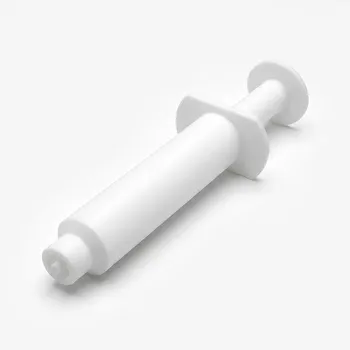
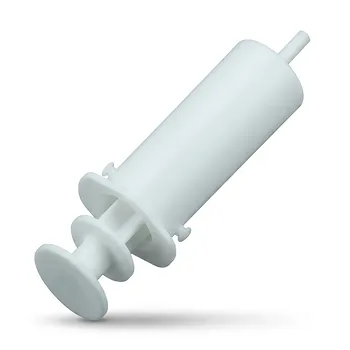
- High Temperature Chemical Resistant 50ml PTFE Syringe Customized Teflon Injector with Threaded Seal for Trace Analysis
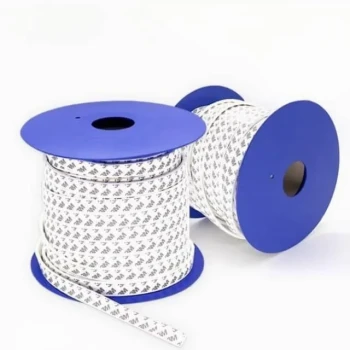
- Custom PTFE Sealing Tapes for Industrial and High Tech Applications
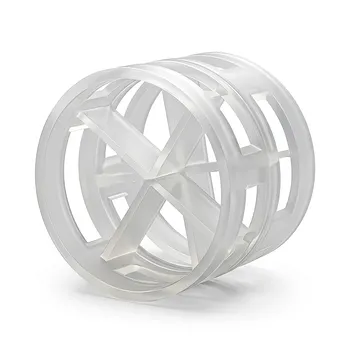
- High Purity PFA PTFE Raschig Rings for Chemical Distillation Tower Packing in Acidic and Alkaline Environments
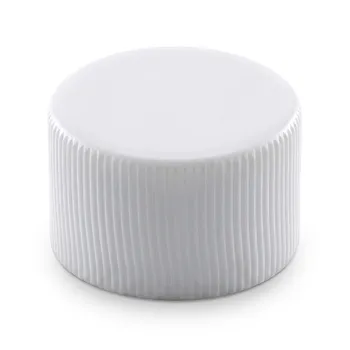
- Custom PTFE Sealing Caps and Corrosion Resistant Low Background Teflon Adapters
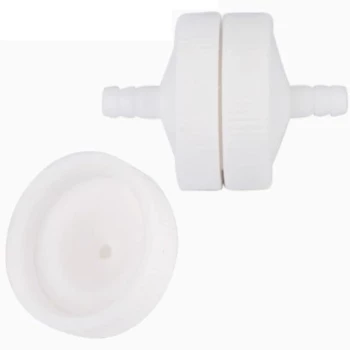
- Customizable PTFE Seals Filter Holders for Versatile Applications
People Also Ask
- In what medical devices is PTFE commonly used? Essential Components for Safety and Reliability
- Is PTFE approved for food contact applications? Ensuring Food Safety with Compliant PTFE
- Why is PTFE highly resistant to chemicals? Unmatched Inertness for Demanding Applications
- What is notable about the coefficient of friction of PTFE? Achieve Unmatched Low-Friction Performance
- How chemically resistant is PTFE? Discover its near-total inertness to most chemicals