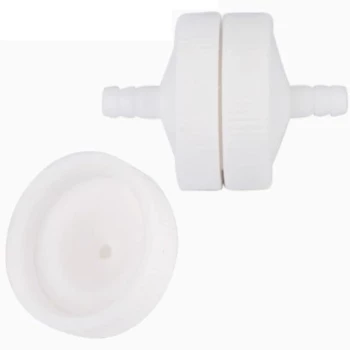
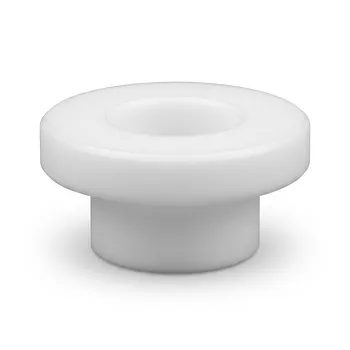
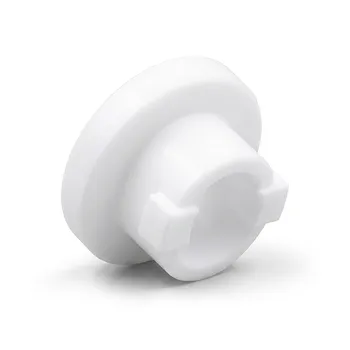
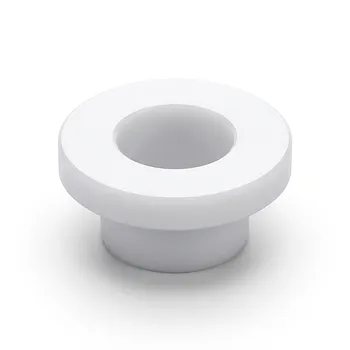
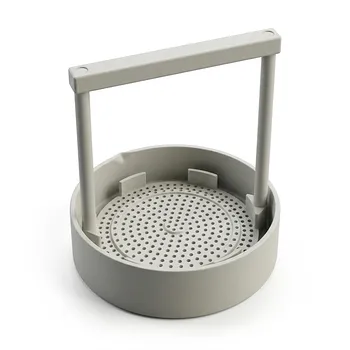
PTFE seal rings are precision-engineered components defined by extreme chemical inertness, ultra-low friction, and the ability to maintain integrity across a temperature spectrum of nearly 500°C. These seals are fabricated from polytetrafluoroethylene resin—either in its virgin form or reinforced with fillers—and are configured into geometries ranging from standard O-rings and gaskets to complex, spring-energized U-shaped jackets for high-performance dynamic applications.
PTFE (polytetrafluoroethylene) serves as the "gold standard" for sealing in hostile environments where standard elastomers fail. Its unique molecular structure provides a nearly universal chemical resistance and a coefficient of friction lower than ice on ice.
Primary Material Characteristics of PTFE
The Molecular Foundation of Inertness
The performance of PTFE stems from its molecular structure, where a chain of carbon atoms is fully enveloped by fluorine atoms. This "fluorine shield" is incredibly strong, preventing other chemicals from reacting with the carbon backbone.
This results in a material that is almost entirely chemically inert, resisting nearly all acids, alkalis, and organic solvents. It is the go-to choice for aggressive chemical processing and pharmaceutical environments.
Exceptional Thermal and Electrical Properties
PTFE maintains mechanical stability over a massive operating range, typically from -196°C to +260°C (with some variants reaching -268°C to +315°C). It remains flexible and resists cracking even in cryogenic conditions.
Beyond temperature, it acts as an excellent electrical insulator. Its high dielectric strength and electrical resistance make it ideal for sensitive electronic or high-voltage sealing applications.
Unmatched Lubricity and Hydrophobicity
PTFE possesses the lowest coefficient of friction (0.05 to 0.10) of any known solid material. This high lubricity prevents "stick-slip" during startup and reduces wear in dynamic applications.
Additionally, the material is inherently hydrophobic, meaning it repels water and resists moisture absorption. This ensures the seal does not swell or degrade when exposed to aqueous environments.
Common Design Configurations
Static and Basic Dynamic Seals
PTFE is frequently machined into standard shapes such as O-rings, backup rings, and flange gaskets. These are used in both static (stationary) and simple dynamic (moving) interfaces to prevent fluid or gas leakage.
In dynamic systems, PTFE is often configured as piston rings or rod seals. Its low friction profile ensures that moving parts require less force to actuate, extending the service life of the equipment.
Spring-Energized U-Cup Designs
For high-performance applications, PTFE is often designed as a pressure-actuated U-shaped jacket. Because PTFE lacks the "memory" of rubber, a metal spring loading device is inserted inside the jacket to maintain constant sealing pressure.
This configuration allows the seal to handle high pressures and vacuum conditions simultaneously. The spring compensates for material wear and thermal expansion or contraction.
Compounding with Fillers
While virgin PTFE is highly effective, it can be compounded with fillers to enhance specific mechanical properties. Common additives include glass fiber, carbon, bronze, or graphite.
These fillers are used to improve wear resistance, thermal conductivity, or load-bearing capacity. For example, bronze-filled PTFE is often chosen for high-load hydraulic piston rings to prevent material deformation.
Understanding the Trade-offs
Cold Flow and Creep
Unlike elastic rubber, PTFE is prone to "cold flow" or creep, meaning it can permanently deform under a constant load. This is why many PTFE seals require backup rings or spring-energization to maintain a tight seal over time.
Lack of Elastic Memory
PTFE does not "snap back" into shape like an elastomer once stretched. This makes installation more difficult, often requiring specialized tools to stretch the seal over a piston and then resize it back to its original diameter.
Limited Dry-Running in High Heat
While PTFE is self-lubricating, excessive heat generated by high-speed friction can lead to thermal expansion faster than the surrounding metal housing. Without proper design tolerances, this can lead to seal failure or increased torque requirements.
How to Apply This to Your Project
Selecting the Right Configuration
When choosing a PTFE seal, your decision should be driven by the specific demands of your operating environment.
- If your primary focus is extreme chemical purity: Use virgin PTFE, as it contains no additives that could leach into the fluid stream, ensuring FDA compliance and high purity.
- If your primary focus is high-speed dynamic movement: Select a carbon or graphite-filled PTFE, which improves wear resistance and helps dissipate frictional heat more effectively.
- If your primary focus is high-pressure hydraulic systems: Utilize a bronze-filled PTFE seal with a backup ring to prevent extrusion and handle heavy mechanical loads.
- If your primary focus is cryogenic or vacuum sealing: Implement a spring-energized U-cup design to ensure the seal maintains contact even when the material shrinks in extreme cold.
By matching the specific PTFE compound and geometry to your environmental constraints, you can achieve a sealing solution that far outlasts conventional materials.
Summary Table:
| Feature | Material Characteristic | Design Application |
|---|---|---|
| Chemical Resistance | Near-universal inertness (C-F bond) | Ideal for aggressive acids, alkalis, and solvents. |
| Thermal Stability | Range of -196°C to +260°C | Used in cryogenic systems and high-heat processing. |
| Lubricity | Ultra-low friction (0.05–0.10 CoF) | Prevents stick-slip in dynamic piston and rod seals. |
| Configurations | Virgin or filled (Bronze, Carbon, Glass) | Standard O-rings, gaskets, and reinforced jackets. |
| Mechanical Design | Spring-energized U-cups | Compensates for cold flow and thermal expansion. |
Precision Sealing & Labware Solutions from KINTEK
Maximize your laboratory's efficiency and reliability with high-performance fluoropolymer solutions from KINTEK. We specialize in an extensive range of PTFE and PFA products tailored for the most demanding environments.
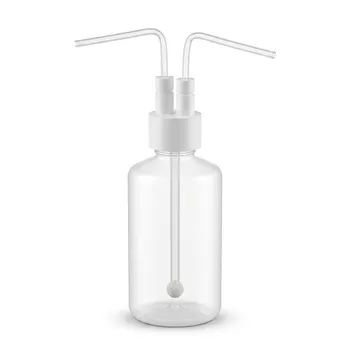
From everyday basic labware—including beakers, measuring cylinders, crucibles, dishes, reagent/wash bottles, and centrifuge/digestion tubes—to specialized high-purity trace analysis instruments and cleaning tanks, we have you covered. Our expertise extends to comprehensive fluid transfer components (tubing, fittings, valves), sample prep tools (separatory funnels, filters, pipettes), and general consumables like stirring bars, O-rings, gaskets, and seal tapes.
For advanced research, KINTEK provides derivative and reaction apparatus such as custom electrochemical cells, battery testing fixtures, microwave digestion vessels, and microchannel reactors. Backed by end-to-end custom CNC fabrication, we deliver everything from complex non-standard machined parts to high-volume orders with an exclusive focus on high-performance materials.
Ready to upgrade your lab setup? Contact our experts today to discuss your custom requirements!
Related Products
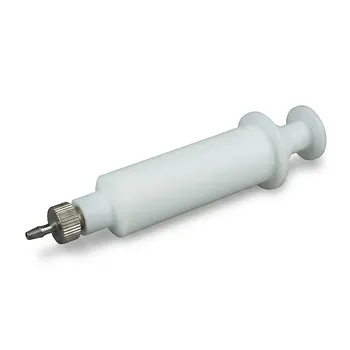
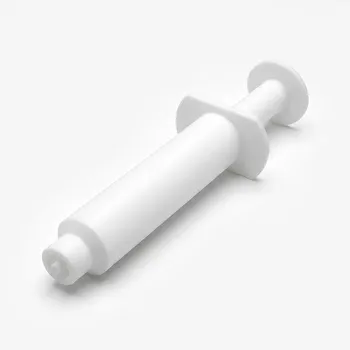
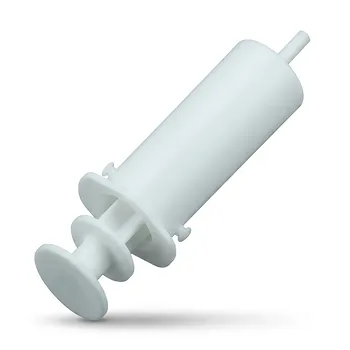
- High Temperature Chemical Resistant 50ml PTFE Syringe Customized Teflon Injector with Threaded Seal for Trace Analysis
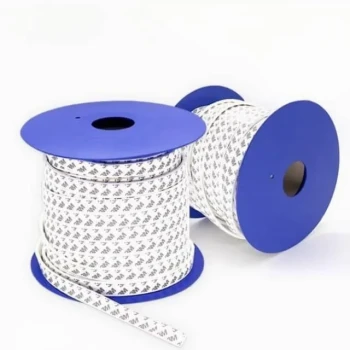
- Custom PTFE Sealing Tapes for Industrial and High Tech Applications
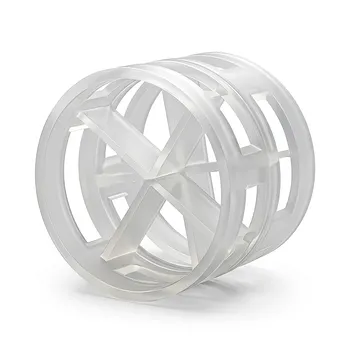
- High Purity PFA PTFE Raschig Rings for Chemical Distillation Tower Packing in Acidic and Alkaline Environments
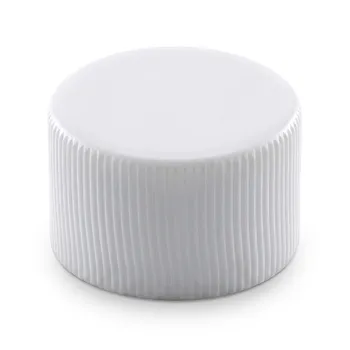
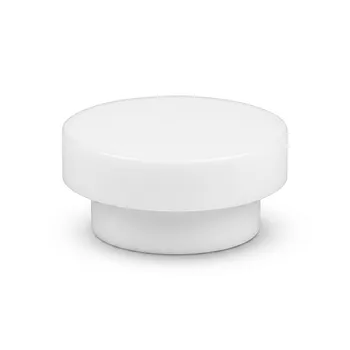
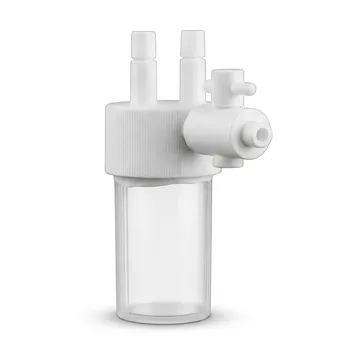
- Custom PTFE Sealing Caps and Corrosion Resistant Low Background Teflon Adapters
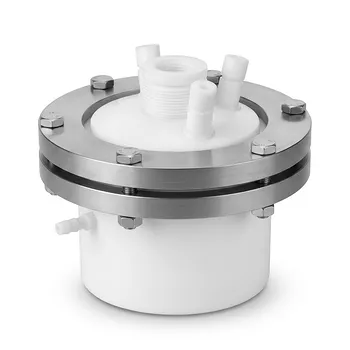
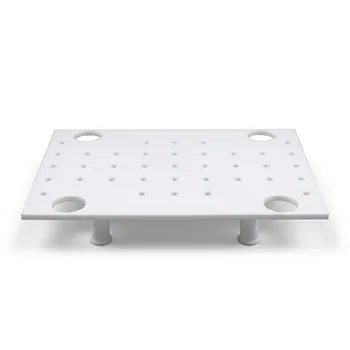
- Customizable PTFE Seals Filter Holders for Versatile Applications
People Also Ask
- In what medical devices is PTFE commonly used? Essential Components for Safety and Reliability
- Is PTFE approved for food contact applications? Ensuring Food Safety with Compliant PTFE
- How does PTFE's flexibility affect its performance? Unlock Durability and Sealing Power
- Why is PTFE highly resistant to chemicals? Unmatched Inertness for Demanding Applications
- What is notable about the coefficient of friction of PTFE? Achieve Unmatched Low-Friction Performance