PTFE energizers are integrated to compensate for the material's lack of "elastic memory." Unlike elastomeric materials like rubber, PTFE is a plastic that does not naturally return to its original shape after being compressed and tends to "creep" or permanently deform over time. The energizer—typically a metallic spring—provides the constant mechanical force required to keep the sealing lips in contact with the hardware.
While PTFE offers unmatched chemical resistance and low friction, it cannot maintain a seal on its own because it lacks resilience. The integrated energizer acts as a permanent internal "battery" of stored energy, ensuring a gas-tight seal across extreme temperature swings and low-pressure conditions where the material would otherwise fail.
Overcoming PTFE’s Material Limitations
The Problem of Creep and Cold Flow
PTFE is prone to creep, a phenomenon where the material slowly deforms under a constant load. Without an internal spring, a PTFE seal would eventually move away from the sealing surface, creating a leak path as the material "relaxes."
The Absence of Elastic Memory
Unlike a rubber O-ring, PTFE cannot "bounce back" once it has been compressed into a gland. Spring energizers provide the resilience that the base polymer lacks, forcing the seal lips outward to maintain a continuous, positive interface with the mating parts.
Durability Through Material Wear
As a dynamic seal moves, the PTFE jacket will inevitably experience minor abrasive wear. The energizer continuously compensates for this material loss by pushing the remaining jacket thickness against the shaft or bore, significantly extending the seal's service life.
The Functional Mechanics of the Energizer
Ensuring Low-Pressure Integrity
In many systems, high fluid pressure helps "activate" a seal by pushing the lips against the surface. However, at low or zero pressure, there is no fluid force to assist; the spring provides the baseline load necessary to prevent initial leakage.
Managing Thermal Expansion and Contraction
PTFE and metallic hardware expand and contract at different rates during temperature fluctuations. The energizer acts as a compensator, maintaining a constant radial load even as the physical dimensions of the seal and the gland change in cryogenic or high-heat environments.
Bridging Hardware Irregularities
No mating surface is perfectly smooth or perfectly aligned. The spring allows the relatively stiff PTFE jacket to conform to surface irregularities and minor hardware misalignments that would otherwise bypass a non-energized plastic ring.
Understanding the Trade-offs
Mechanical Complexity and Cost
Integrating a metallic spring into a PTFE jacket increases the manufacturing complexity and the unit cost compared to standard elastomeric seals. It requires precise machining of the PTFE "U-cup" and careful installation of the spring element.
Potential for Hardware Scoring
If the spring load is too high for the application, it can cause the PTFE jacket to exert excessive force on the shaft. In dynamic applications, this may lead to accelerated wear or "scoring" of the mating hardware if the surface hardness is insufficient.
Chemical Compatibility of the Spring
While the PTFE jacket is nearly universally inert, the energizer material (often Stainless Steel, Elgiloy, or Hastelloy) must be carefully selected to match the chemical environment. If the spring corrodes, the seal loses its tension and the system will fail.
How to Apply This to Your Project
When selecting a spring-energized PTFE seal, your choice should be driven by the specific demands of your operating environment.
- If your primary focus is Cryogenic Performance: Ensure the spring material is rated for sub-zero ductility to prevent the energizer from becoming brittle and snapping.
- If your primary focus is High-Speed Dynamics: Select a spring design (like a canted-coil) that provides a consistent, lower friction load to minimize heat buildup.
- If your primary focus is Chemical Processing: Verify that the metallic energizer is made of a high-nickel alloy if the media is corrosive enough to attack standard stainless steels.
- If your primary focus is Vacuum Environments: Prioritize PTFE jackets for their low outgassing properties, using the spring to ensure the "gas-tight" interface required for high-vacuum integrity.
The integration of an energizer transforms PTFE from a simple plastic ring into a high-performance mechanical component capable of sealing where traditional elastomers fail.
Summary Table:
| Challenge of PTFE | Role of the Energizer | Key Benefit |
|---|---|---|
| Lack of Elastic Memory | Acts as an internal "battery" of force | Maintains seal contact without rubber-like bounce-back |
| Creep & Cold Flow | Provides constant mechanical tension | Prevents the seal from relaxing and creating leak paths |
| Dynamic Wear | Continuously pushes jacket against hardware | Extends service life by compensating for material loss |
| Thermal Expansion | Balances radial load during temp swings | Ensures gas-tight integrity in cryogenic or high-heat zones |
| Low-Pressure Gaps | Activates sealing lips independently | Prevents initial leakage when fluid pressure is absent |
Optimize Your Lab Performance with KINTEK’s Fluoropolymer Expertise
At KINTEK, we understand that extreme environments demand more than standard solutions. Whether you are managing complex fluid transfer with our high-purity PFA tubing, valves, and fittings, or conducting critical analysis using our PTFE beakers, crucibles, and digestion tubes, we ensure your equipment never fails under pressure.
From everyday labware and sample prep tools like separatory funnels and filters to advanced custom electrochemical cells and microwave digestion vessels, KINTEK is your premier partner for high-performance fluoropolymer materials. Our end-to-end custom CNC fabrication allows us to deliver everything from intricate non-standard machined parts to high-volume orders with absolute precision.
Ready to upgrade your laboratory setup with durable, high-performance PTFE and PFA components?
Contact KINTEK Today to discuss your custom requirements and experience the precision of expert manufacturing.
Related Products
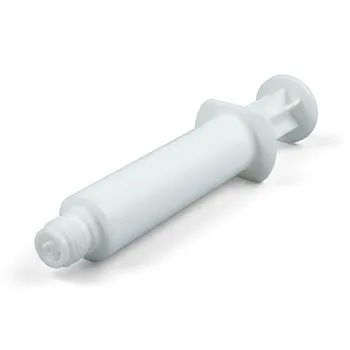
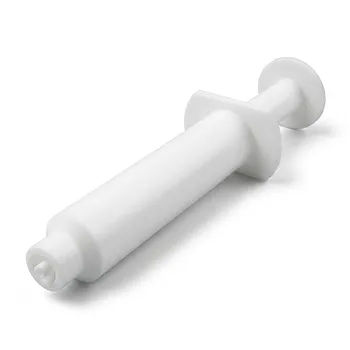
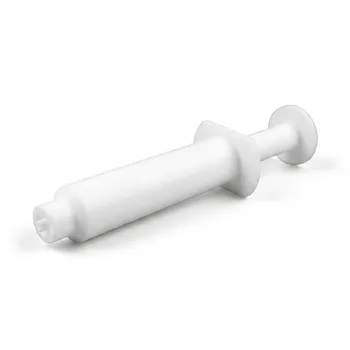
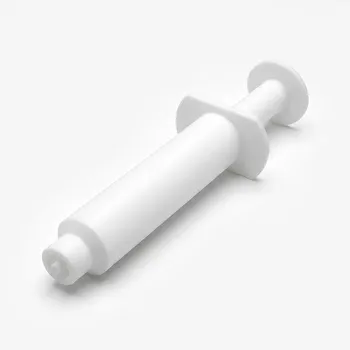
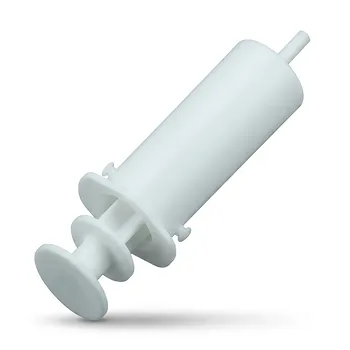
- High Temperature Chemical Resistant 50ml PTFE Syringe Customized Teflon Injector with Threaded Seal for Trace Analysis
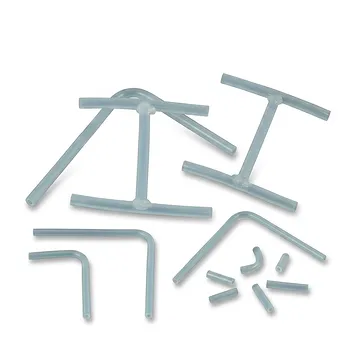
- High Performance PFA Coiled Spring Tubing and Custom PTFE Fabrication Services with Welded Fittings and Precision Bent Components
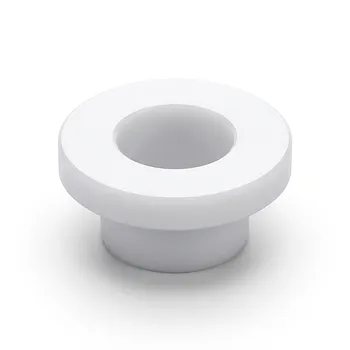
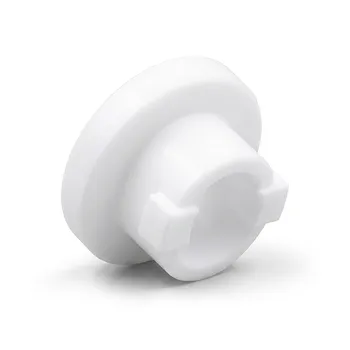
- Custom PTFE Insulating Gaskets and Corrosion Resistant Fluoropolymer Seals for Industrial Electrical Applications
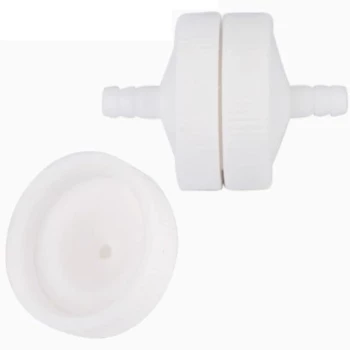
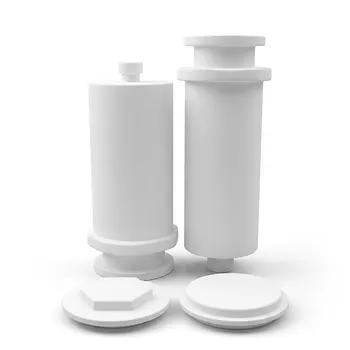
- Customizable PTFE Seals Filter Holders for Versatile Applications
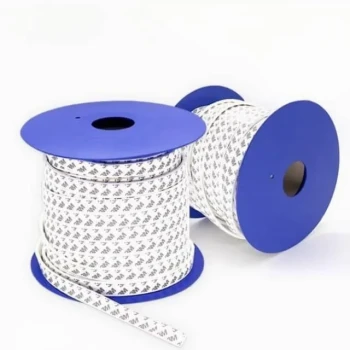
- Custom PTFE Sealing Tapes for Industrial and High Tech Applications
People Also Ask
- In what medical devices is PTFE commonly used? Essential Components for Safety and Reliability
- Is PTFE approved for food contact applications? Ensuring Food Safety with Compliant PTFE
- Why is PTFE classified as non-melt-processible?
- How does PTFE's flexibility affect its performance? Unlock Durability and Sealing Power
- Why is PTFE highly resistant to chemicals? Unmatched Inertness for Demanding Applications