PTFE seal rings are the industry standard for extreme oil and gas environments. They offer near-universal chemical inertness and exceptional resistance to high pressures—ranging from 5,000 to 30,000 psi—and temperatures reaching up to 500°F. Because they are virtually immune to Explosive Decompression (ED) and operate without external lubrication, they are indispensable for downhole tools, wellhead equipment, and remote pipeline infrastructure.
PTFE’s unique molecular structure provides a virtually impenetrable barrier against corrosive sour gases and high-pressure brines. Its ability to maintain seal integrity under rapid pressure fluctuations makes it a critical component for preventing catastrophic system failures in deep-sea and land-based extraction.
Resilience in High-Pressure Environments
Resisting Explosive Decompression (ED)
Unlike many elastomers, PTFE does not allow gases to permeate and become trapped within its structure. This prevents "explosive decompression," where trapped gases expand rapidly during sudden pressure drops, causing the seal to rupture.
Handling Extreme Structural Loads
In deep-well drilling applications, PTFE seals are engineered to manage pressures between 5,000 and 30,000 psi. Their inherent stability ensures they remain functional in high-stress downhole tools where other materials would fail.
Preventing Extrusion with Backup Rings
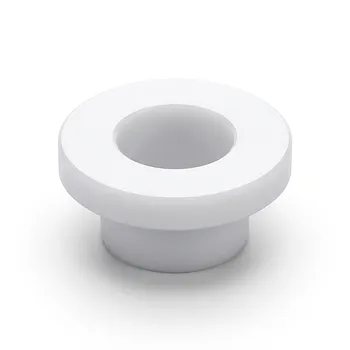
PTFE is frequently utilized as a backup ring to support softer O-rings in hydraulic systems. These rings prevent the primary seal from being forced into gaps (extrusion) when subjected to massive hydraulic pressure.
Chemical and Thermal Stability in "Sour" Service
Immunity to Corrosive Media
PTFE is non-reactive to hydrogen sulfide (H2S), CO2, and acidic brines commonly found in "sour" service. This chemical inertness prevents material degradation, ensuring the seal does not brittle or swell when exposed to aggressive hydrocarbons.
High-Temperature Performance
These seals maintain their mechanical properties at temperatures as high as 500°F (260°C). They do not melt or burn in these conditions, providing a stable sealing effect for hot crude processing and high-temperature steam injection.
Reliability in Cryogenic and Remote Locations
PTFE maintains flexibility at extremely low temperatures, making it suitable for LNG (Liquefied Natural Gas) processing. Because it is self-lubricating, it is ideal for remote subsea installations where manual maintenance is impossible.
Enhancing Durability through Material Engineering
Filled Grades for Abrasive Resistance
Manufacturers often add fillers like carbon or glass to PTFE to increase its resistance to wear from abrasive drilling fluids. This modification allows the seals to survive high fluid flow rates without losing their physical profile.
Spring-Energized Designs
In applications where the material's natural elasticity is insufficient, spring-energized seals are used. The internal metal spring provides a constant load, ensuring the PTFE jacket maintains a tight seal even during extreme temperature or pressure cycles.
ePTFE for Reduced Cold Flow
Expanded PTFE (ePTFE) is used in subsea or remote installations to reduce the material's tendency to "creep" under sustained loads. This ensures long-term seal integrity in gaskets and flanges subject to constant vibration.
Understanding the Trade-offs
The Challenge of Cold Flow (Creep)
Standard PTFE can slowly deform or "flow" over time when subjected to a constant heavy load. Engineers must account for this by using filled grades or specific housing designs to prevent the seal from losing its tension.
Low Elasticity Compared to Elastomers
PTFE is much stiffer than rubber or synthetic elastomers, making it harder to stretch during installation. This lack of "memory" often necessitates the use of energizers (like springs or O-rings) to maintain the seal at lower pressures.
Making the Right Choice for Your Goal
When selecting PTFE components for oil and gas applications, the specific environmental stressors will dictate the optimal design:
- If your primary focus is extreme pressure (up to 30,000 psi): Use PTFE backup rings in conjunction with primary seals to prevent material extrusion and mechanical failure.
- If your primary focus is sour gas (H2S) or acid gas environments: Opt for PTFE spring-energized seals to provide a chemically inert barrier that maintains its form against aggressive media.
- If your primary focus is abrasive drilling fluids or high flow rates: Select filled PTFE grades (such as carbon-filled) to enhance wear resistance and extend the operational life of the tool.
By matching the specific PTFE grade and seal geometry to the downhole conditions, operators can ensure the long-term safety and efficiency of their infrastructure.
Summary Table:
| Performance Metric | Value / Capability | Oil & Gas Industry Benefit |
|---|---|---|
| Pressure Resistance | 5,000 to 30,000 psi | Ensures stability in deep-well and high-stress downhole tools. |
| Temperature Range | Up to 500°F (260°C) | Maintains integrity during hot crude processing and steam injection. |
| Chemical Resistance | Inert to H2S, CO2, Brines | Prevents material swelling or embrittlement in "sour" service. |
| Explosive Decompression | Immunity to ED | Prevents catastrophic seal rupture during rapid pressure drops. |
| Wear Resistance | Enhanced with Fillers | Filled grades (carbon/glass) withstand abrasive drilling fluids. |
Maximize Your Operational Safety with KINTEK High-Performance Fluoropolymers
Facing extreme downhole pressures or aggressive corrosive media? KINTEK provides the ultimate solution with our specialized PTFE and PFA engineering. From high-durability seal rings and O-rings to complex, custom-machined components, we ensure your infrastructure withstands the toughest environments.
Our extensive range includes:
- Everyday Labware & Consumables: Beakers, crucibles, reagent bottles, stirring bars, and gaskets.
- Fluid Transfer & Filtration: High-purity tubing, fittings, valves, filters, and pipettes.
- Advanced Research Tools: Custom electrochemical cells, battery testing fixtures, and microwave digestion vessels.
- Custom CNC Fabrication: Bespoke, non-standard machined parts tailored to your precise specifications.
Benefit from our absolute focus on high-performance materials and end-to-end manufacturing. Contact us today to discuss your high-volume orders or bespoke laboratory setups and experience the KINTEK advantage!
Related Products
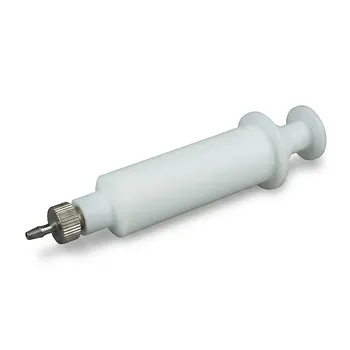
- High Temperature Chemical Resistant 50ml PTFE Syringe Customized Teflon Injector with Threaded Seal for Trace Analysis
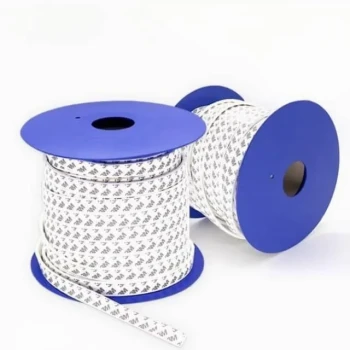
- Custom PTFE Sealing Tapes for Industrial and High Tech Applications
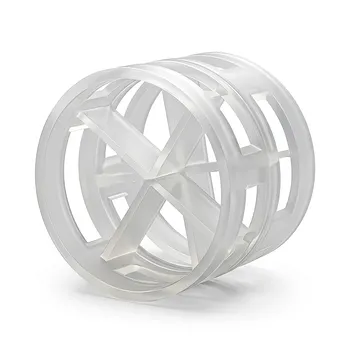
- High Purity PFA PTFE Raschig Rings for Chemical Distillation Tower Packing in Acidic and Alkaline Environments
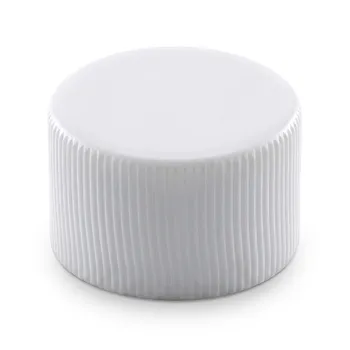
- Custom PTFE Sealing Caps and Corrosion Resistant Low Background Teflon Adapters
- Custom PTFE Insulating Gaskets and Corrosion Resistant Fluoropolymer Seals for Industrial Electrical Applications
People Also Ask
- In what medical devices is PTFE commonly used? Essential Components for Safety and Reliability
- Is PTFE approved for food contact applications? Ensuring Food Safety with Compliant PTFE
- Why is PTFE highly resistant to chemicals? Unmatched Inertness for Demanding Applications
- How chemically resistant is PTFE? Discover its near-total inertness to most chemicals
- How does PTFE's flexibility affect its performance? Unlock Durability and Sealing Power