PTFE (Polytetrafluoroethylene) seal rings offer one of the broadest operational windows in materials science, typically ranging from –200°C to +260°C (–328°F to 500°F). In specialized cryogenic applications, such as liquid helium handling, high-performance grades can maintain integrity at temperatures as low as –269°C. Conversely, for short-term industrial exposures, PTFE can withstand intermittent peaks exceeding its continuous 260°C rating, though long-term stability is best maintained within the standard envelope.
Core Takeaway: PTFE is the industry standard for extreme temperature sealing due to its ability to remain ductile at near-absolute zero and chemically stable at high process heat. However, successful implementation depends on matching the specific grade and filler to the application's mechanical load and duration.
The Spectrum of PTFE Thermal Performance
Standard Operational Limits
For most industrial applications, PTFE is rated for continuous service between -200°C and +260°C. Within this range, the material retains its characteristic self-lubricating properties and exceptional chemical resistance.
Extreme Cryogenic Capabilities
In specialized environments like propellant lines or medical research, PTFE can be engineered to perform at -269°C. Unlike many elastomers that become brittle and shatter at low temperatures, PTFE remains sufficiently flexible to maintain a seal against gases and liquids.
High-Temperature Resilience
While 260°C is the standard limit for long-term service, some formulations can reach 300°C for short durations. It is important to note that as PTFE approaches these upper limits, its mechanical strength decreases, necessitating careful design of the sealing housing.
Factors Influencing Temperature Stability
The Impact of Fillers and Reinforcements
Pure "virgin" PTFE is often modified with fillers like glass fiber, carbon, or bronze to enhance its thermal properties. These additives help reduce the material's tendency to deform under heat, though they may slightly narrow the chemical compatibility range.
The Problem of "Cold Flow"
At elevated temperatures, PTFE is susceptible to creep, also known as cold flow, where the material deforms under a constant load. This can lead to seal degradation if the hardware is not designed to provide constant energization or containment.
Thermal Expansion and Contraction
PTFE has a high coefficient of thermal expansion. In applications spanning from cryogenic to high-heat, the seal will change dimensions significantly; engineers must account for this "shrinkage" or "growth" to prevent leakage at one end of the temperature spectrum.
Understanding the Trade-offs
Mechanical Strength vs. Temperature
As temperature increases, the tensile strength of PTFE drops. While the material will not melt (it transitions to a gel state at 327°C), it becomes significantly softer and more prone to extrusion through seal gaps.
Thermal Cycling Fatigue
Repeatedly moving between cryogenic and industrial heat levels can induce internal stresses in the polymer. Over time, this cycling can lead to micro-cracking or permanent deformation, reducing the effective lifespan of the seal compared to steady-state applications.
Chemical Reactivity at Extremes
While PTFE is nearly inert, its resistance can be challenged at the extreme high end of its temperature range. Certain alkali metals and fluorine-containing compounds may react with the material more aggressively as it approaches its upper thermal limits.
How to Apply This to Your Project
When selecting a PTFE seal ring, your choice should be dictated by the duration of exposure and the mechanical pressure of the environment.
- If your primary focus is Cryogenic Fluid Handling: Utilize high-purity or specialized grades rated for -269°C and ensure the seal is spring-energized to compensate for material contraction.
- If your primary focus is High-Heat Processing: Prioritize filled PTFE grades (such as carbon or glass-filled) to minimize creep and maintain dimensional stability at temperatures near 260°C.
- If your primary focus is General Industrial Versatility: Stick to standard virgin PTFE for its maximum chemical purity and reliable performance within the -180°C to +200°C range.
By aligning the specific grade of PTFE with the thermal and mechanical realities of your application, you can ensure a reliable, long-term sealing solution in the most demanding environments.
Summary Table:
| Application State | Temperature Range (°C) | Material Characteristic |
|---|---|---|
| Standard Industrial | -200°C to +260°C | Continuous service; maintains self-lubrication. |
| Extreme Cryogenic | Down to -269°C | Remains ductile; prevents brittle shattering. |
| Short-term Peak Heat | Up to +300°C | Intermittent exposure; requires creep-resistant design. |
| Gel Transition | +327°C | Material transitions to a non-melting gel state. |
| Filled PTFE | Varies by Filler | Improved dimensional stability; reduced cold flow. |
Precision PTFE & PFA Solutions for Demanding Environments
Upgrade your laboratory's reliability with KINTEK’s premium fluoropolymer expertise. From everyday basic labware—including beakers, crucibles, and centrifuge tubes—to advanced reaction apparatus like electrochemical cells, battery testing fixtures, and microwave digestion vessels, KINTEK manufactures virtually every imaginable laboratory supply crafted from PTFE and PFA.
Whether you require high-purity trace analysis instruments, complex fluid transfer components (tubing, valves, and fittings), or bespoke laboratory setups, our end-to-end custom CNC fabrication ensures your exact specifications are met. We handle everything from high-volume orders of general consumables to complex, non-standard machined parts with an absolute focus on high-performance materials.
Ready to optimize your thermal performance? Contact KINTEK today to discover how our specialized fluoropolymer solutions can enhance your research and industrial processes.
Related Products
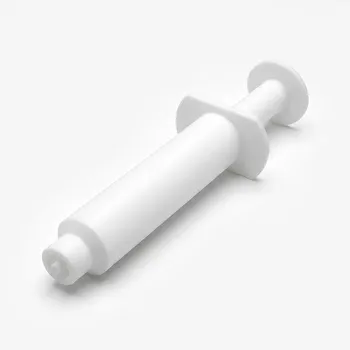
- High Temperature Chemical Resistant 50ml PTFE Syringe Customized Teflon Injector with Threaded Seal for Trace Analysis
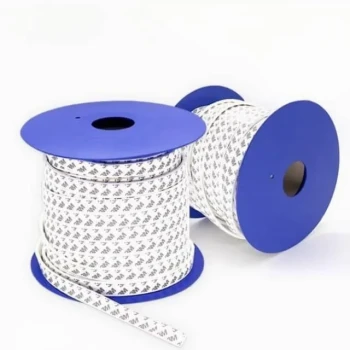
- Custom PTFE Sealing Tapes for Industrial and High Tech Applications
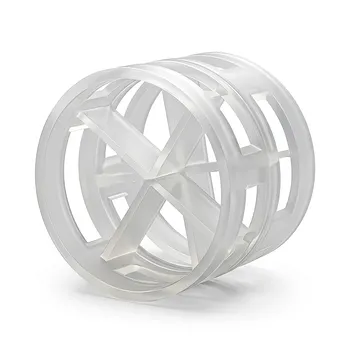
- High Purity PFA PTFE Raschig Rings for Chemical Distillation Tower Packing in Acidic and Alkaline Environments
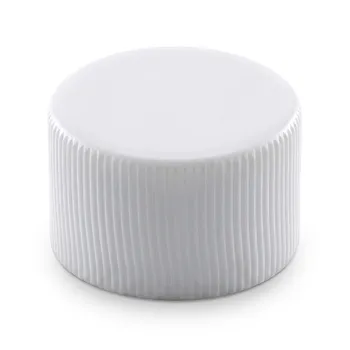
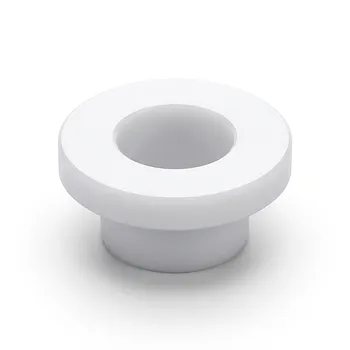
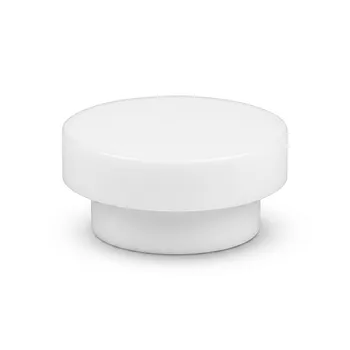
- Custom PTFE Sealing Caps and Corrosion Resistant Low Background Teflon Adapters
- Customizable PTFE Seals Filter Holders for Versatile Applications
People Also Ask
- In what medical devices is PTFE commonly used? Essential Components for Safety and Reliability
- Is PTFE approved for food contact applications? Ensuring Food Safety with Compliant PTFE
- Why is PTFE highly resistant to chemicals? Unmatched Inertness for Demanding Applications
- How chemically resistant is PTFE? Discover its near-total inertness to most chemicals
- Why is PTFE classified as non-melt-processible?