PTFE seal rings are engineered to operate across an extraordinary thermal spectrum, typically ranging from -200°C to +260°C (-328°F to 500°F). At high temperatures, the material softens and becomes prone to "creep" or permanent deformation, while cryogenic temperatures cause it to harden and lose the flexibility required to maintain a seal. Successful design requires balancing material additives, mechanical energizers, and precise groove geometries to compensate for these physical transitions.
Core Takeaway: While PTFE offers nearly universal chemical resistance and a wide thermal range, its performance is entirely dependent on design features—like fillers and spring energizers—that offset its natural tendency to deform under heat and stiffen in the cold.
The Impact of High Temperatures on Material Integrity
The Challenge of Thermal Softening
As temperatures rise toward the 260°C (500°F) limit, PTFE molecules become more mobile, causing the polymer to soften. This reduction in structural rigidity can cause seal lips to lose their "memory," diminishing the contact pressure required to block fluids.
Managing Creep and Cold Flow
PTFE is susceptible to creep, where the material slowly deforms under a constant load. High heat accelerates this process, potentially causing the seal to "flow" into clearances and out of its intended position, leading to premature failure.
The Role of Reinforcing Fillers
To combat softening and creep, designers incorporate fillers such as glass fiber, carbon, or bronze. These additives act as a structural skeleton, significantly enhancing the seal’s resistance to deformation and increasing its wear life at elevated temperatures.
Navigating Cryogenic and Low-Temperature Limits
Loss of Flexibility and "Leathery" Transitions
In extremely cold environments, PTFE undergoes a transition where it becomes harder and less flexible. As the material loses its elasticity, it cannot easily conform to surface irregularities on the mating hardware, increasing the risk of leak paths.
Brittleness and Crack Formation
While PTFE maintains some elongation even at -196°C, extreme cold increases the risk of brittleness. Under mechanical stress or vibration, a hardened PTFE seal may develop micro-cracks that compromise the entire sealing system.
Compounding Effects of Spring Energizers
Because PTFE lacks the natural "spring-back" of elastomers, especially when cold, designers often use internal spring energizers. These metal springs provide a constant radial load, ensuring the seal lips stay in contact with the hardware even when the PTFE itself has become rigid.
Dimensional Stability and Geometry Design
High Coefficients of Thermal Expansion
PTFE expands and contracts at a rate significantly higher than most metal housings. If the groove design does not account for this expansion, the seal can become over-compressed at high temperatures or shrink away from the sealing surface when cooled.
Precision Machining and Environmental Factors
The dimensional stability of a PTFE ring is sensitive to the environment it was machined in. Changes in temperature during or after the manufacturing process can alter the final dimensions, making thermal conditioning a critical step for high-precision applications.
Pressure-Temperature (P-T) Interplay
The performance limit of a seal is not defined by temperature alone, but by the interplay of pressure and temperature. High pressure combined with high heat accelerates material degradation and extrusion, requiring tighter hardware clearances and higher-strength filler compounds.
Understanding the Trade-offs
Filler Content vs. Hardware Wear
While adding fillers like bronze or carbon improves high-temperature stability, it also increases the abrasiveness of the seal. This can lead to accelerated wear on softer mating shafts, necessitating the use of hardened hardware surfaces.
Chemical Compatibility vs. Thermal Range
Certain fillers that improve thermal performance may react with specific chemicals. For instance, glass-filled PTFE offers excellent thermal properties but has poor resistance to hydrofluoric acid, forcing a trade-off between heat resistance and chemical inertness.
Cost and Complexity of Energized Designs
Incorporating spring energizers or complex lip geometries increases the total cost of the component. However, relying on a basic PTFE ring in extreme temperatures without these features almost always results in a higher "total cost of ownership" due to frequent maintenance and leaks.
How to Apply This to Your Project
Selecting the Right Configuration
To ensure your PTFE seal survives its intended environment, evaluate your design based on the primary thermal challenge:
- If your primary focus is High-Temperature Stability: Utilize carbon or graphite-filled PTFE to minimize creep and ensure the hardware clearances are tight enough to prevent material extrusion.
- If your primary focus is Cryogenic Sealing: Specify a spring-energized seal (using stainless steel or Elgiloy) to maintain constant contact pressure when the PTFE hardens.
- If your primary focus is Rapid Temperature Cycling: Prioritize "virgin" or chemically modified PTFE with a robust spring energizer to handle the constant expansion and contraction of the seal body.
By matching filler chemistry and mechanical energizers to your specific thermal profile, you can leverage PTFE’s unique properties while neutralizing its physical limitations.
Summary Table:
| Temperature Range | Physical Impact on PTFE | Design Solution/Mitigation |
|---|---|---|
| High Temperature (>200°C) | Softening, material creep, and cold flow. | Use fillers (glass, carbon, bronze) to increase rigidity. |
| Cryogenic Temperature (<-150°C) | Hardening, loss of flexibility, and brittleness. | Incorporate internal spring energizers for radial load. |
| Thermal Cycling | High expansion/contraction vs. metal housings. | Precision groove geometry and thermal conditioning. |
| High Pressure & Heat | Accelerated extrusion and material degradation. | Tighten hardware clearances and use high-strength compounds. |
Elevate Your Lab Performance with KINTEK’s Fluoropolymer Expertise
Thermal extremes demand precision-engineered solutions. KINTEK specializes in high-performance fluoropolymer materials, offering an exhaustive range of laboratory supplies and custom components designed to withstand the most challenging environments.
Whether you require everyday basic labware (beakers, crucibles, reagent bottles, and centrifuge tubes), high-purity trace analysis instruments, or comprehensive fluid transfer components (tubing, fittings, and valves), we have you covered. Our capabilities extend to:
- Sample Prep & Filtration: Separatory funnels, filters, pipettes, and spatulas.
- General Consumables: Stirring bars, O-rings, gaskets, and seal tapes.
- Advanced Apparatus: Custom electrochemical cells, battery testing fixtures, microwave digestion vessels, and microchannel reactors.
Backed by end-to-end custom CNC fabrication, KINTEK delivers everything from complex non-standard machined parts to high-volume orders with an exclusive focus on PTFE and PFA. Ensure your project’s success with components that don't compromise on durability or chemical inertness.
Ready to optimize your design? Contact our technical team today for bespoke laboratory setups and high-performance supplies.
Related Products
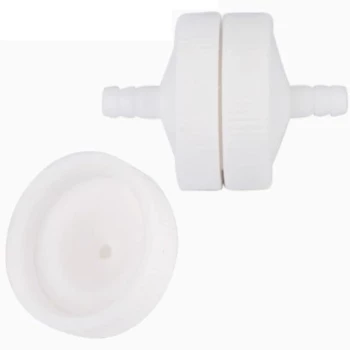
- High Temperature Chemical Resistant 50ml PTFE Syringe Customized Teflon Injector with Threaded Seal for Trace Analysis
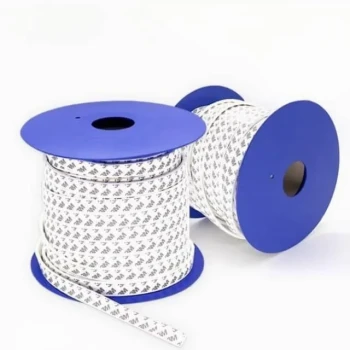
- Custom PTFE Sealing Tapes for Industrial and High Tech Applications
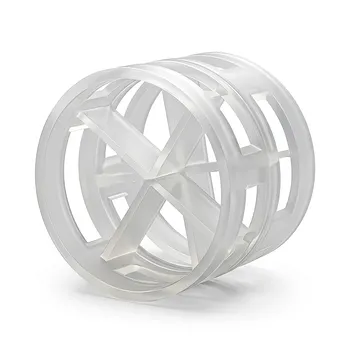
- High Purity PFA PTFE Raschig Rings for Chemical Distillation Tower Packing in Acidic and Alkaline Environments
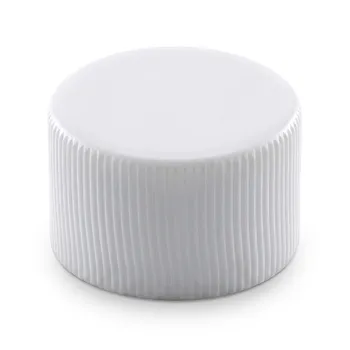
- Custom PTFE Sealing Caps and Corrosion Resistant Low Background Teflon Adapters
- Custom PTFE Insulating Gaskets and Corrosion Resistant Fluoropolymer Seals for Industrial Electrical Applications
People Also Ask
- In what medical devices is PTFE commonly used? Essential Components for Safety and Reliability
- Is PTFE approved for food contact applications? Ensuring Food Safety with Compliant PTFE
- How chemically resistant is PTFE? Discover its near-total inertness to most chemicals
- How does PTFE's flexibility affect its performance? Unlock Durability and Sealing Power
- What is notable about the coefficient of friction of PTFE? Achieve Unmatched Low-Friction Performance