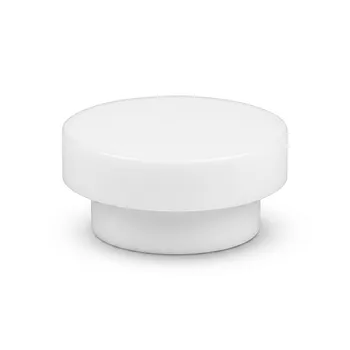
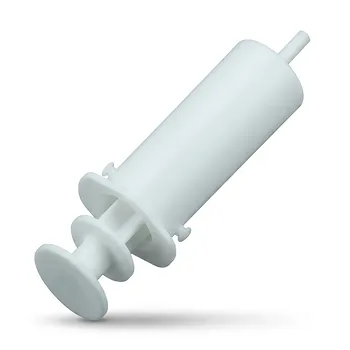
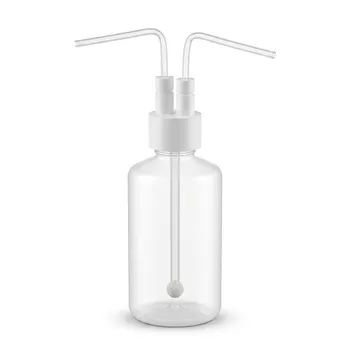
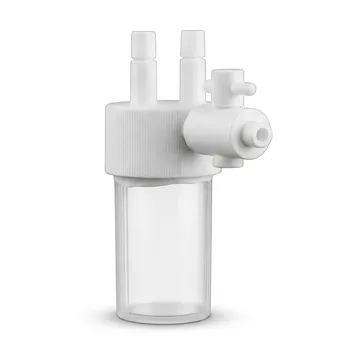
PTFE (Polytetrafluoroethylene) maintains sealing integrity by retaining material flexibility and eliminating outgassing where traditional elastomers fail. In cryogenic environments, it remains pliable at temperatures as low as -450°F, while its extremely low vapor pressure ensures that high-vacuum systems remain uncontaminated.
PTFE is the definitive material for extreme environments because it avoids the "glass transition" embrittlement common in rubbers and the outgassing issues of synthetic polymers. It provides a stable, dry-running sealing surface that remains chemically inert and mechanically functional from absolute zero to high-pressure industrial applications.
Performance in Cryogenic Environments
Avoiding Low-Temperature Embrittlement
Unlike standard elastomers, which become brittle and "glass-like" when exposed to extreme cold, PTFE retains its flexibility and sealing force. This ductility allows the seal to maintain a tight interface with mating surfaces even at temperatures approaching absolute zero.
Dry-Running Capability Without Lubricants
In cryogenic service, traditional liquid lubricants freeze solid, causing mechanical failure or seal tearing. PTFE’s inherently low coefficient of friction allows it to run "dry," making it ideal for moving parts in liquid hydrogen or compressed natural gas systems.
Thermal Stability and Range
PTFE seals are rated for service down to -450°F (-268°C), covering the requirements of the aerospace, pharmaceutical, and oil and gas industries. This wide thermal window ensures the seal remains functional during both the ambient installation phase and the deep-freeze operational phase.
Integrity in Vacuum Applications
Elimination of Outgassing
In vacuum chambers and semiconductor equipment, "outgassing"—the release of trapped gases from a material—can ruin processes and contaminate environments. PTFE is preferred because it has an extremely low vapor pressure, ensuring it does not release molecules into the vacuum.
Maintaining Environment Purity
Because PTFE is chemically inert, it prevents reactions between the seal material and the media being contained. This is critical for laboratory vials and industrial pipelines where sample integrity and high-precision results are the primary objectives.
Resistance to Media Degradation
PTFE provides a robust, chemically resistant barrier that protects sensitive samples from external contamination. It effectively prevents reactions between the container contents and the sealing cap, ensuring long-term stability in high-vacuum storage.
Mechanical Design and Load Management
Minimal Deformation Under Load
PTFE exhibits minimal deformation under load, which is essential for maintaining a leak-proof seal in heavy machinery and industrial pipelines. This stability ensures that the seal remains seated correctly even when subjected to significant pressure fluctuations.
Self-Clamping and Pre-loading
In applications like piston rings, PTFE can be designed to be self-clamping, often eliminating the need for metallic backing springs. It uses a combination of pressure load and inherent pre-loading force to press against cylinder walls and groove flanks simultaneously.
High-Pressure Resilience
Beyond temperature and vacuum concerns, PTFE seal elements are engineered to withstand high-pressure environments. This makes them versatile enough for petrochemical plants where high-pressure and low-temperature conditions (such as LNG processing) coexist.
Understanding the Trade-offs
Managing Cold Flow and Creep
While PTFE is resistant to permanent deformation under specific loads, it is susceptible to "cold flow" or creep over extended periods. Engineers must account for this by using fillers (like glass or carbon) or specific seal geometries to maintain long-term tension.
Lack of True Elastic Memory
Unlike rubber, PTFE is a plastic and does not "snap back" to its original shape with the same energy as an elastomer. This means installation must be precise, as over-stretching the material during assembly can lead to a permanent loss of sealing tension.
Thermal Expansion Differentials
PTFE has a different coefficient of thermal expansion than the metals it usually seals against. In cryogenic applications, the seal may shrink more than the housing, necessitating energized designs (like spring-energized seals) to compensate for the gap.
Making the Right Choice for Your Goal
When integrating PTFE seals into your system, your specific environmental constraints should dictate the design.
- If your primary focus is Absolute Purity: Utilize virgin PTFE to ensure zero outgassing and maximum chemical inertness in vacuum or laboratory settings.
- If your primary focus is Cryogenic Fluid Handling: Specify PTFE seals for temperatures down to -450°F to prevent the embrittlement and cracking seen in traditional O-rings.
- If your primary focus is High-Pressure Mechanical Sealing: Opt for glass-filled or carbon-filled PTFE compounds to reduce cold flow and enhance the seal’s structural integrity under load.
By leveraging its unique molecular stability, PTFE ensures that even the most extreme thermal and atmospheric gradients do not compromise your system's seal.
Summary Table:
| Feature | Cryogenic Performance (-450°F) | Vacuum Environment Performance |
|---|---|---|
| Material State | Remains pliable; avoids glass transition | Extremely low vapor pressure |
| Lubrication | Dry-running; no frozen lubricants | Contamination-free operation |
| Contamination | Chemically inert; no media reaction | Zero outgassing; preserves purity |
| Load Stability | Retains ductility and sealing force | Minimal deformation under vacuum load |
Achieve absolute precision in your most demanding applications with KINTEK’s high-performance fluoropolymer solutions. From everyday basic labware like beakers, measuring cylinders, crucibles, and reagent bottles to advanced reaction apparatus such as electrochemical cells, battery testing fixtures, and hydrothermal synthesis liners, KINTEK manufactures virtually all imaginable laboratory supplies crafted from PTFE and PFA. Whether you require high-purity trace analysis instruments, fluid transfer components (tubing, fittings, valves), or complex bespoke laboratory setups, our end-to-end custom CNC fabrication is equipped to deliver. We provide everything from high-volume orders to non-standard machined parts with an absolute focus on material integrity. Contact us today to see how our expertise can optimize your laboratory’s efficiency and performance.
Related Products
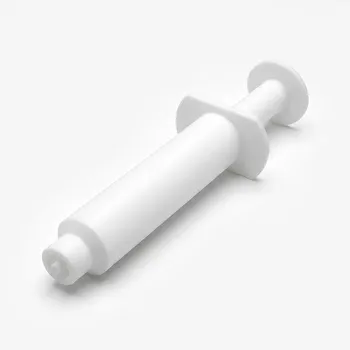
- High Temperature Chemical Resistant 50ml PTFE Syringe Customized Teflon Injector with Threaded Seal for Trace Analysis
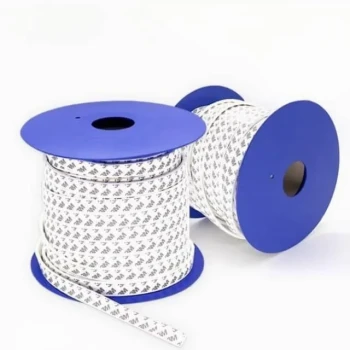
- Custom PTFE Sealing Tapes for Industrial and High Tech Applications
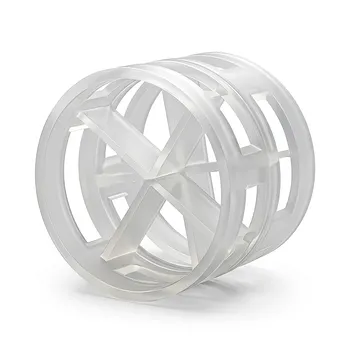
- High Purity PFA PTFE Raschig Rings for Chemical Distillation Tower Packing in Acidic and Alkaline Environments
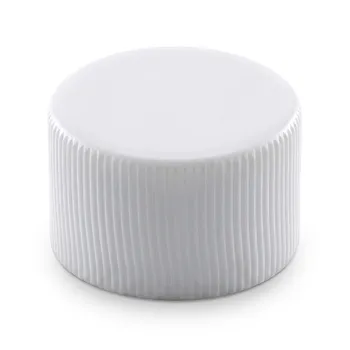
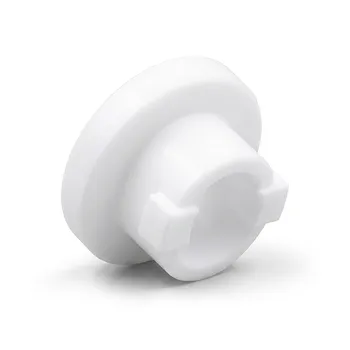
- Custom PTFE Sealing Caps and Corrosion Resistant Low Background Teflon Adapters
- Customizable PTFE Seals Filter Holders for Versatile Applications
People Also Ask
- In what medical devices is PTFE commonly used? Essential Components for Safety and Reliability
- Is PTFE approved for food contact applications? Ensuring Food Safety with Compliant PTFE
- Why is PTFE highly resistant to chemicals? Unmatched Inertness for Demanding Applications
- How chemically resistant is PTFE? Discover its near-total inertness to most chemicals
- How does PTFE's flexibility affect its performance? Unlock Durability and Sealing Power