All Questions
What Are The Key Advantages Of Ptfe-Jacketed Spring Energized Seals? Unlock Unmatched Sealing Performance
Discover how PTFE-jacketed spring energized seals deliver extreme chemical, temperature, and pressure resistance with low friction and long life.
How Does The Flexibility Of The Lip Design In Teflon Rotary Shaft Seals Enhance Performance? Boost Reliability & Extend Equipment Life
Learn how flexible PTFE rotary seal lips compensate for shaft runout and misalignment to prevent leaks, reduce wear, and lower maintenance costs.
Where Are Ptfe Energized Seals Used In Oil And Gas Operations? Essential Sealing Solutions For Harsh Environments
Discover the critical applications of PTFE energized seals in oil and gas, from subsea systems to high-pressure valves, ensuring leak-tight performance.
What Temperature Range Can Custom Teflon Rotary Shaft Seals Withstand? Master Extreme Heat & Cryogenic Cold
Custom PTFE seals operate from -200°C to +260°C. Learn how material selection & design ensure performance in extreme environments.
How Do Ptfe-Jacketed Energized Seals Perform In Oil And Gas Environments? Ensure Reliability In Extreme Conditions
Discover why PTFE-jacketed energized seals are ideal for oil and gas, offering superior chemical resistance, extreme temperature tolerance, and high-pressure performance.
What Is The Significance Of The Low Friction Coefficient In Ptfe Rotary Shaft Seals? Achieve Higher Speeds, Less Wear, And Lower Costs
Discover how the low friction of PTFE seals enables high-speed, high-pressure operation, reduces energy consumption, and extends equipment life in demanding industries.
What Challenges Do Elastomeric Seals Face In Oil And Gas Operations? Ensuring Reliability Under Extreme Conditions
Explore the key challenges for elastomeric seals in oil & gas: extreme temperatures, high pressure, and corrosive media. Learn how to select the right seal.
How Does The Chemical Resistance Of Custom Teflon Rotary Shaft Seals Benefit Industrial Applications? Ensure Unmatched Reliability In Harsh Environments
Discover how custom PTFE seals' chemical inertness and thermal stability prevent failure in corrosive, high-temperature, and high-speed industrial applications.
What Are Some Medical Applications Of Ptfe Energized Seals? Ensuring Reliability And Purity In Medical Devices
Explore the critical uses of PTFE energized seals in medical devices, surgical tools, and pharmaceutical manufacturing for superior performance and safety.
What Are The Key Advantages Of Ptfe In Rotary Shaft Seals? Superior Performance In Extreme Conditions
Discover the key advantages of PTFE seals: low friction, chemical resistance, and temperature stability for demanding industrial applications.
Why Is Ptfe A Preferred Material For Medical Device Seals? Ensuring Safety, Reliability, And Performance
Discover why PTFE is the top choice for medical seals, offering superior biocompatibility, chemical resistance, and durability for critical applications.
What Material Are Custom Teflon Rotary Shaft Seals Made From? Ptfe For Extreme Performance
Custom Teflon rotary shaft seals are made from PTFE, offering superior chemical resistance, extreme temperature tolerance, and low friction.
What Requirements Must Energized-Seal Jacket Materials Meet For Medical Devices? A Guide To Sterilizability, Biocompatibility & Strength
Learn the 3 critical requirements for medical device seal jackets: USP Class VI biocompatibility, full sterilizability, and robust mechanical integrity.
Why Are Custom Teflon Rotary Shaft Seals Preferred For Demanding Applications? Achieve Superior Reliability In Extreme Conditions
Discover why custom PTFE (Teflon) rotary shaft seals excel in extreme heat, chemicals, and high speeds, offering unmatched durability over standard elastomeric seals.
Where Are Ptfe Energized Seals Typically Used In Cryogenic Applications? Critical Seals For Lng & Aerospace
Discover where PTFE energized seals are used in cryogenics, including LNG transport and aerospace, for reliable sealing at temperatures down to -200°C.
What Properties Make Ptfe Energized Seals Suitable For Cryogenic Applications? Reliable Sealing At Ultra-Low Temperatures
Explore how PTFE energized seals maintain integrity at cryogenic temperatures with thermal stability, chemical inertness, and self-lubrication.
What Are Three Common Applications Of Ptfe Energized Seals? Critical Uses In Oil & Gas, Medical, And Aerospace
Discover how PTFE energized seals provide reliable performance in extreme environments like oil & gas, medical devices, and aerospace systems.
What Are The Key Steps In Ptfe Production? Unlock The Secrets Of High-Performance Polymer Synthesis
Learn the 4-step PTFE production process, from chloroform to polymerization, and how it creates unique chemical resistance and low-friction properties.
What Are The Two Main Phases In Ptfe Production? From Raw Materials To High-Performance Polymer
Learn the two essential phases of PTFE manufacturing: monomer synthesis and polymerization. Understand the process from raw materials to final polymer forms.
What Are The Main Ingredients Used To Make Ptfe? The Chemistry Behind A High-Performance Polymer
Learn how fluorspar, hydrofluoric acid, chloroform, and water are synthesized into PTFE, the polymer known for its non-stick and chemical-resistant properties.
What Are Some Industrial And Niche Applications Of Ptfe Coatings? Solve Your Toughest Corrosion And Friction Problems
Explore industrial & niche PTFE coating uses. Learn how its chemical inertness, low friction, and heat resistance solve critical challenges.
What Are The Characteristics Of Ptfe Coatings? Unlock Extreme Performance For Your Components
Explore the key properties of PTFE coatings: extreme non-stick, thermal stability, chemical inertness, and electrical insulation for demanding applications.
What Are Some Exceptional Properties Of Ptfe? Unlock Unmatched Performance In Extreme Environments
Explore PTFE's elite properties: extreme chemical inertness, low friction, and thermal stability from -196°C to +260°C for demanding applications.
What Situations Typically Require The Use Of A Spring With Ptfe Seal Elements? Overcome Ptfe's Limitations For Reliable Sealing
Learn when a spring-energized PTFE seal is essential for dynamic motion, pressure changes, and extreme temperatures. Ensure leak-free performance.
What Is The Heat-Set Process For Ptfe Seal Elements? Simplify Installation And Ensure A Reliable Seal
Learn how the heat-set process for PTFE seals uses controlled heating and stretching to enable easy installation and activate a tight, high-performance seal.
How Does Interference Level Vary Between Ptfe Seal Designs? Choose The Right Fit For Your Application
Learn how spring-energized vs. non-spring PTFE seals use different interference levels to optimize friction, wear, and sealing performance.
What Design Parameter Must Be Considered When Applying Wide Contact To Spring-Activated Ptfe Lip Seals? Prevent Bell Mouthing To Avoid Catastrophic Leakage
Learn why preventing bell mouthing is the critical design parameter for wide-contact PTFE lip seals to ensure stable performance and avoid leakage.
What Are The Reasons For Intentionally Designing A Wide Contact Area In Ptfe Sealing Elements? Boost Reliability & Lifespan
Learn why a wide contact area in PTFE seals improves reliability, manages thermal stress, forgives damage, and reduces wear for longer service life.
How Does The Contact Pattern Of Ptfe Seals Compare To Elastomer Seals? The Key To Low-Friction Performance
PTFE seals use a wider contact pattern for lower unit load and superior performance in high-speed, high-temperature applications versus elastomers.
Why Is A Thin Element Design Preferred For Ptfe Seals From A Cost Standpoint? Minimize Initial Cost & Maximize Long-Term Value
Learn how thin PTFE seal designs reduce initial material costs and how their low friction and durability lower the total cost of ownership.
How Is The Body Portion Of A Ptfe Seal Element Typically Constructed? Securing Performance With Clamped Design
Learn why PTFE seal elements are clamped between metal cases to control creep and compression set, ensuring long-term sealing integrity and reliability.
What Are The Design Principles Of Ptfe Radial Lip Seals? Mastering High-Performance Sealing
Learn how PTFE radial lip seals use thin-lip geometry to overcome material stiffness for superior chemical, thermal, and high-speed sealing.
What Factors Should Be Considered When Selecting Between Ptfe And Epdm Valve Seats For Butterfly Valves? Ensure Long-Term Reliability And Avoid Costly Failures
Compare PTFE vs. EPDM valve seats for butterfly valves. Learn how chemical compatibility, temperature range, and cost impact your selection to prevent leaks and downtime.
Why Is Epdm The Preferred Choice For Pneumatic Butterfly Valves In Water Treatment Systems? | Kintek
Discover why EPDM's flexibility and water resistance make it the ideal seat material for reliable, leak-proof butterfly valves in water and steam applications.
What Are The Advantages Of Ptfe In Chemically Aggressive Environments? Unmatched Chemical Resistance & Reliability
Discover PTFE's key advantages: near-universal chemical inertness, wide thermal range, and durability for seals, liners, and labware in harsh conditions.
In What Types Of Applications Is Epdm More Effective Than Ptfe For Wafer Style Butterfly Valves? Optimize For Water & Steam Systems
Learn when to choose EPDM over PTFE for wafer butterfly valves in HVAC, water treatment, and steam applications for superior sealing and cost-efficiency.
Why Is Ptfe Preferred For Electric Actuated Butterfly Valves? For Unmatched Reliability In Harsh Conditions
Discover why PTFE's chemical inertness, thermal stability, and low friction make it ideal for electric actuated butterfly valves in demanding industries.
What Are The Key Properties Of Ptfe And Epdm That Influence Their Use In Butterfly Valves? Choose The Right Valve Seat Material
Learn the critical differences between PTFE and EPDM butterfly valve seats for chemical, water, steam, and high-temperature applications.
What Are The Advantages Of Using Epdm In Wafer Style And Lugged Butterfly Valves? Superior Sealing For Water & Steam
Learn why EPDM is the industry standard for butterfly valve seats in water-based systems like HVAC and water treatment, offering durability and reliability.
What Are The Advantages Of Using Ptfe In Electric Actuated Butterfly Valves? Boost Actuator Life & Chemical Resistance
Discover how PTFE's low friction, chemical inertness, and thermal stability enhance electric butterfly valve performance and actuator longevity.
How Do Ptfe And Epdm Valve Seats Perform In Actuated Butterfly Valves? Choose The Right Seal For Your Media
Compare PTFE vs. EPDM valve seats for actuated butterfly valves. Learn which material is best for chemicals, high-temp, water, or steam applications.
What Factors Should Be Considered When Choosing Between Ptfe And Epdm Valve Seats? Ensure Reliable Fluid Control
Learn the key differences between PTFE and EPDM valve seats, including chemical compatibility, temperature range, and sealing performance, to prevent valve failure.
How Do Ptfe And Epdm Valve Seats Impact Efficiency? Choose The Right Seal For Reliable Performance
Learn how PTFE and EPDM valve seats affect butterfly valve efficiency. Choose the right material for chemical resistance, temperature stability, and long-term reliability.
In Which Applications Are Epdm Valve Seats Most Suitable? A Guide To Water & Steam Systems
Learn why EPDM valve seats are the industry standard for water-based applications, including HVAC, water treatment, and distribution systems.
In Which Applications Are Ptfe Valve Seats Most Suitable? Master Chemical & Thermal Resilience
Discover the ideal applications for PTFE valve seats, from chemical processing to pharmaceuticals, where chemical inertness and high-temperature stability are critical.
What Are The Main Properties Of Epdm Valve Seats In Butterfly Valves? A Guide To Superior Water & Steam Sealing
Explore the key properties of EPDM valve seats, including superior water/steam resistance, flexibility, and chemical compatibility for butterfly valves.
What Are The Main Properties Of Ptfe Valve Seats In Butterfly Valves? Ensure Reliability In Harsh Environments
Explore the key properties of PTFE valve seats: chemical resistance, thermal stability, and low friction. Learn how they ensure reliability in demanding applications.
What Are The Key Differences Between Ptfe And Epdm Valve Seats? Choose The Right Material For Your Application
Learn the critical differences between PTFE and EPDM valve seats for butterfly valves, including chemical compatibility, temperature limits, and ideal applications.
What Is Expanded Ptfe Joint Sealant Used For? Seal Imperfect Flanges In Extreme Conditions
Learn how ePTFE joint sealant creates custom, form-in-place gaskets for sealing rough, damaged, or warped flanges in harsh chemical and thermal environments.
What Are The Common Physical Properties Of Expanded Ptfe? Unlock Superior Sealing Performance
Explore the key physical properties of ePTFE, including high compressibility, thermal stability, and chemical resistance for demanding applications.
What Materials Can Expanded Ptfe Replace In Specific Applications? A Guide To Simplifying Your Sealing Inventory
Discover how Expanded PTFE (ePTFE) replaces neoprene, nitrile, EPDM, Viton & more in harsh chemical, high-temperature, and high-purity applications.
How Can Expanded Ptfe Gaskets Reduce Inventory Complexity? Consolidate Your Stock For Greater Efficiency
Learn how ePTFE gaskets replace multiple specialized materials, reducing inventory SKUs and preventing misapplication risks in chemical and industrial settings.
What Are The Advantages Of Using Expanded Ptfe Sheet Gasket Material? Superior Sealing For Demanding Applications
Discover the key benefits of ePTFE gaskets: exceptional chemical resistance, reliable low-bolt-load sealing, and superior resistance to cold flow.
What Industries Commonly Use Expanded Ptfe Gaskets? A Guide To Critical Sealing Solutions
Discover why chemical, pharmaceutical, and food industries rely on expanded PTFE gaskets for superior chemical resistance, purity, and sealing performance.
What Are The Key Properties Of Expanded Ptfe (Eptfe) Gaskets? Solve Leaks On Damaged Flanges
Learn how EPTFE gaskets provide superior chemical resistance, creep resistance, and sealing on imperfect surfaces for demanding industrial applications.
What Are The Main Differences Between Rptfe And Standard Ptfe For Valve Seats? Choose The Right Material For Your System
Learn the key differences between RPTFE and PTFE valve seats: chemical purity vs. high pressure/temperature performance for industrial applications.
What Other Filler Materials Are Used With Ptfe Besides Fiberglass? A Guide To Carbon, Metal & Ceramic Fillers
Explore carbon, bronze, stainless steel, ceramic & molybdenum disulfide PTFE fillers. Learn how to enhance wear, strength, thermal & electrical properties.
When Should Rptfe Not Be Used? Avoid Component Failure With Hf And Caustics
Learn why RPTFE should not be used with hydrofluoric acid or strong caustics, as these chemicals attack its glass reinforcement and cause failure.
In Which Industries Is Rptfe Particularly Suitable For Throttle Valves? Ensure Purity And Durability
Discover why RPTFE throttle valves are essential for food, dairy, pharmaceutical, and chemical processing industries requiring superior chemical resistance.
What Is Rptfe And Why Is It Commonly Used For Valve Seats? Enhance Durability In Demanding Applications
Discover how RPTFE (Reinforced PTFE) offers superior strength, higher temperature/pressure ratings, and extended service life for valve seats compared to virgin PTFE.
How Can Ptfe Be Modified For Different Applications? Tailor Performance With Fillers And Processing
Learn how PTFE is modified with fillers like glass, carbon, and bronze to enhance strength, wear resistance, and more for demanding applications.
What Makes Ptfe Lined Valves Suitable For Handling Aggressive Media? Superior Chemical Resistance For Harsh Fluids
Learn how PTFE-lined valves use a chemically inert barrier to safely handle corrosive acids, bases, and solvents, ensuring process integrity and media purity.
What Are The Main Industries That Utilize Ptfe Lined Valves? Ensure Safety And Purity In Critical Processes
Discover how chemical, pharmaceutical, semiconductor, and other key industries use PTFE lined valves for superior corrosion resistance and product purity.
What Is The Function Of Ptfe Lined Check Valves? Ensure Unidirectional Flow And Corrosion Resistance
Learn how PTFE lined check valves prevent backflow and protect systems from corrosive chemicals in semiconductor, medical, and lab applications.
What Industries Commonly Use Ptfe Lined Diaphragm Valves And Why? Ensure Purity & Corrosion Resistance
Discover why pharma, biotech, chemical, and food & beverage industries rely on PTFE lined diaphragm valves for contamination-free, corrosion-resistant fluid handling.
Where Are Ptfe Lined Butterfly Valves Most Beneficial? Superior Corrosion Resistance For Harsh Chemicals
Discover the key benefits of PTFE lined butterfly valves, including unmatched chemical inertness, prevention of media contamination, and high thermal stability.
What Are The Typical Applications Of Ptfe Lined Ball Valves? Essential For Corrosive & High-Purity Systems
Discover key uses of PTFE lined ball valves in chemical, pharmaceutical, and food industries for handling corrosive fluids and ensuring product purity.
What Are The Different Types Of Ptfe Lined Valves And Their Key Features? Choose The Right Valve For Your Corrosive Process
Explore PTFE lined ball, butterfly, plug, diaphragm, and check valves. Learn their key features to select the right valve for corrosive or high-purity applications.
Why Are Ptfe Lined Valves Preferred Globally? Achieve Superior Corrosion Resistance & Cost Savings
Discover why PTFE lined valves are the top choice for handling corrosive chemicals, offering elite performance at a fraction of the cost of exotic alloys.
What Are Ptfe Lined Valves And What Is Their Primary Purpose? Achieve Superior Corrosion Resistance
Learn how PTFE lined valves combine metal strength with PTFE's chemical inertness for safe handling of aggressive acids and high-purity media.
What Are The Advantages Of Polyester-Filled Ptfe? A Guide To Superior Wear & Load Performance
Discover the key benefits of polyester-filled PTFE, including enhanced wear resistance, superior dimensional stability, and excellent load-bearing capacity.
Why Is Mineral-Filled Ptfe Used In Medical And Food Industries? | Superior Durability Meets Fda-Compliant Safety
Discover how mineral-filled PTFE combines FDA-compliant purity with enhanced wear resistance for reliable seals, liners, and components in sanitary applications.
What Applications Are Suitable For Bronze-Filled Ptfe? Enhance High-Load Performance With Durable Ptfe
Discover the ideal uses for bronze-filled PTFE, a robust material for high-load bearings, seals, and piston rings requiring superior wear resistance and thermal conductivity.
How Does Molybdenum Disulfide (Mos2) Enhance Ptfe? Boost Hardness, Wear Resistance & Durability
Learn how MoS2 filler transforms PTFE into a high-performance composite with superior strength, wear resistance, and lubricity for demanding applications.
What Are The Advantages Of Glass-Filled Ptfe? Enhance Strength, Wear, And Creep Resistance
Discover how glass-filled PTFE improves strength, wear resistance, and creep performance while retaining PTFE's chemical inertness and thermal stability.
What Are The Common Types Of Fillers Used In Ptfe Compounds? Enhance Performance For Demanding Applications
Explore common PTFE fillers like glass fiber, graphite, and bronze. Learn how they improve wear resistance, thermal conductivity, and reduce creep.
Why Are Fillers Added To Ptfe Compounds? Enhance Wear, Strength, And Performance
Discover how fillers like glass fiber and MoS₂ transform PTFE into a robust engineering material by improving wear resistance, reducing creep, and managing heat.
What Makes Ptfe Seals Suitable For Extreme Temperature Applications? Unmatched Stability From -200°C To +260°C
Discover why PTFE seals excel in extreme temperatures, offering wide thermal range, chemical inertness, and low friction for demanding applications.
How Do Ptfe Seals Benefit The Food And Pharmaceutical Industries? Ensuring Product Purity And Compliance
Discover how PTFE seals provide chemical inertness, regulatory compliance, and durability for safe food and pharmaceutical processing.
Why Are Ptfe Seals Ideal For The Chemical And Petrochemical Industries? Unmatched Chemical & Thermal Resistance
Discover why PTFE seals are the top choice for chemical and petrochemical applications, offering superior chemical inertness, extreme temperature tolerance, and low friction.
In Which Industries Are Mechanical Seals With Ptfe Rings Commonly Used? Essential For Harsh Chemical & High-Temp Environments
Discover the key industries that rely on PTFE mechanical seals for their chemical inertness, purity, and extreme temperature performance.
What Are The Disadvantages Of Mechanical Seals With Ptfe Rings? Understanding The Risks Of Creep And Thermal Instability
Learn the key drawbacks of PTFE seals, including poor mechanical strength, high thermal expansion, and installation complexity, to prevent seal failure.
What Are The Advantages Of Mechanical Seals With Ptfe Rings? Superior Chemical & Thermal Resistance
Discover the key benefits of PTFE mechanical seals: exceptional chemical inertness, wide temperature range, low friction, and extended service life.
In Which Components Of A Mechanical Seal Is Ptfe Commonly Used? Solve Sealing Challenges With Chemical Resistance
Discover where PTFE is used in mechanical seals—from O-rings to seal faces—for superior chemical resistance and low friction in demanding applications.
What Are The Key Properties Of Ptfe That Make It Suitable For Sealing Rings? Unmatched Chemical & Thermal Resistance
Discover why PTFE's chemical inertness, low friction, and extreme temperature range make it ideal for demanding sealing applications.
What Is Ptfe And Why Is It Used In Mechanical Seals? Unmatched Chemical Resistance & Low Friction
Learn why PTFE is the top choice for mechanical seals, offering superior chemical inertness, low friction, and a wide temperature range for demanding applications.
What Are Mechanical Seals With Ptfe Sealing Rings? High-Performance Seals For Extreme Conditions
Discover how PTFE mechanical seals offer superior chemical resistance, extreme temperature tolerance, and low friction for demanding industrial applications.
What Material Grades Are Available For Ptfe Caps? Choose The Right Grade For Purity Or Performance
Learn the differences between virgin and mechanical PTFE grades for caps, and how to select the right one for medical, food, lab, or industrial use.
What Are The Electrical Insulation Properties Of Ptfe Caps? Superior Dielectric Performance For Demanding Applications
Explore PTFE's high dielectric strength, volume resistivity, and stable performance across temperatures and frequencies, making it a top insulator.
Why Are Ptfe Ball Valves Not Recommended For Slurries? Prevent Abrasive Damage And Valve Failure
Learn why PTFE ball valves fail with slurries due to abrasive particle damage to soft seals, leading to leaks and jamming. Discover better alternatives.
What Temperature Limitation Should Be Considered For Ptfe Ball Valves? Maintain A Reliable Seal Under Thermal Stress
Learn the practical temperature limits for PTFE ball valves, including the critical impact of thermal swings on sealing integrity and long-term reliability.
What Are The Disadvantages Of Ptfe Ball Valves? Key Limitations In Chemical & Industrial Applications
Explore the limitations of PTFE ball valves, including cold flow, thermal expansion, and poor performance with abrasive media or throttling.
Why Can Ptfe Ball Valves Be Used In Corrosive Media? Unmatched Chemical Resistance For Safe Fluid Control
Discover how PTFE ball valves provide superior protection against corrosive chemicals, ensuring media purity and leak-free operation in demanding applications.
What Are The Advantages Of Ptfe Ball Valves? Superior Chemical Resistance & Low-Torque Operation
Discover the key benefits of PTFE ball valves: unmatched chemical resistance, low-torque operation, and reliable sealing for demanding industrial applications.
What Are The Overall Benefits Of Ptfe Spring Energized Seals For Oil And Gas Operations? Achieve Unmatched Reliability In Hpht Environments
Discover how PTFE spring energized seals provide leak-tight sealing, extreme chemical resistance, and superior durability for demanding oil and gas applications.
What Chemically Aggressive Media Are Encountered In The Oil And Gas Industry, And How Do Ptfe Seals Handle Them?
Learn how PTFE seals resist sour gas, acid gas, and extreme conditions in oil & gas applications, ensuring safety and reliability.
Which Types Of Filled Ptfe Offer High Resistance To Extrusion? Moly, Glass/Moly, And Polyimide
Discover the top filled PTFE materials for high extrusion resistance: Molybdenum Disulfide, Glass/Moly, and Polyimide. Learn their benefits and trade-offs.
What Pressure Ranges Are Common In Oil And Gas Applications, And How Do Ptfe Seals Perform? Reliable Sealing From 1,500 To 25,000 Psi
Explore PTFE seal performance in oil & gas, handling extreme pressures, temperatures, and corrosive chemicals for reliable operation.
What Is The Temperature Range For Different Types Of Ptfe Polymer Seal Jackets? Find The Right Material For Extreme Temperatures
Learn the temperature ranges for virgin, polyimide, and glass/moly-filled PTFE seal jackets, from -450°F to 500°F, to select the best for your application.
Why Are Ptfe Spring Energized Seals Preferred In The Oil And Gas Industry? Unmatched Resilience For Hpht & Corrosive Environments
Discover why PTFE spring energized seals are essential for oil & gas. They offer extreme temperature resistance, universal chemical compatibility, and superior pressure performance.
Related Products
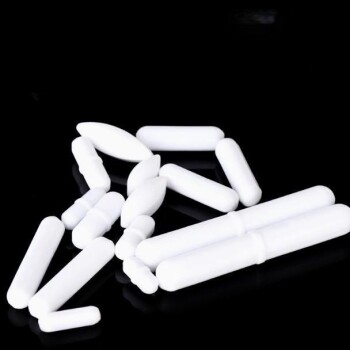
Custom PTFE Teflon Parts Manufacturer PTFE Magnetic Stirring Bar
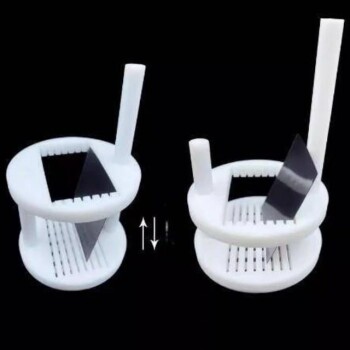
Custom PTFE Teflon Parts Manufacturer Adjustable Height Flower Basket
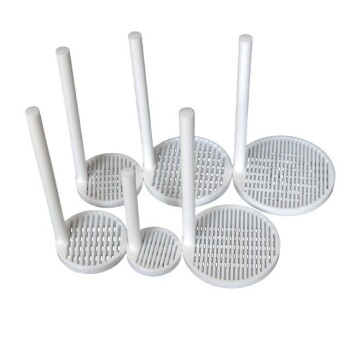
Custom PTFE Teflon Parts Manufacturer PTFE Cleaning Rack
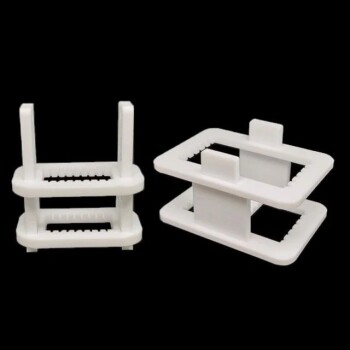
Custom PTFE Teflon Parts Manufacturer Conductive Glass Substrate Cleaning Rack
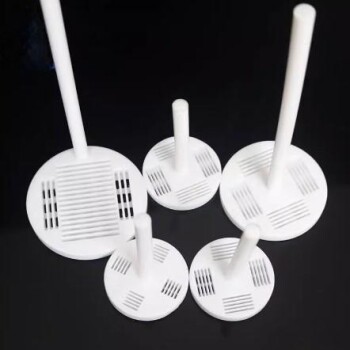
Custom Machined Molded PTFE Teflon Parts Manufacturer for Laboratory ITO FTO Conductive Glass Cleaning Flower Basket