All Questions
What Are The Common Issues Hindering The Adoption Of Ptfe Wear Plates? Overcome These 4 Key Barriers
Discover the real challenges and misconceptions around PTFE wear plates, from installation to machining, and learn how to solve them effectively.
What Are Some Main Applications Of Ptfe As A Wear Resistant Material? Extend Machinery Life With Low-Friction Components
Discover key PTFE applications like slideway bearings, wear strips, and bushings that reduce friction and prevent wear in industrial machinery.
What Is The Preferred Composition For Ptfe Wear Resistant Material And Why? Achieve Superior Performance With Bronze-Filled Ptfe
Discover why bronze-filled PTFE is the preferred material for demanding wear applications, offering superior load capacity, heat dissipation, and longevity.
How Do Filler Materials Affect Ptfe Seal Properties? Enhance Performance For Demanding Applications
Learn how fillers like glass, carbon, and bronze improve PTFE seal wear resistance, creep resistance, and stability for industrial use.
What Are The Main Types Of Spring-Energized Ptfe Seals? A Guide To Sealing Force & Friction
Learn the 4 main types of spring-energized PTFE seals: finger, coil, double coil, and O-ring. Select the right one for your application's sealing force and friction needs.
What Are Spring-Energized Ptfe Seals And How Do They Work? Achieve Leak-Proof Reliability In Extreme Conditions
Discover how spring-energized PTFE seals combine a PTFE jacket with a metal spring for superior sealing in extreme temperatures, high pressure, and corrosive environments.
What Is Pv Value And Why Is It Important For Ptfe Seals? Prevent Premature Seal Failure
Learn how PV value (Pressure x Velocity) determines PTFE seal performance and prevents failure by managing frictional heat in dynamic applications.
Why Is Hardness Important For Mating Parts In Ptfe Seals? Extend Seal Life And Prevent Failure
Learn why surface hardness is critical for PTFE seal mating parts to prevent chemical adhesion and abrasive wear, ensuring long-term reliability.
How Does Surface Finish Affect Ptfe Seal Performance? Maximize Lifespan And Prevent Leaks
Learn how surface roughness impacts PTFE seal wear and leakage. A smoother finish can double seal life and ensure gas-tight performance.
Why Is Understanding Material Limits Important When Choosing Ptfe Seals? Avoid Premature Failure
Learn how to select the right PTFE seal by matching material properties like temperature, pressure, and wear resistance to your application demands.
How Should The Right Ptfe Washer Thickness Be Selected? Balance Sealing, Creep, And Pressure
Select the optimal PTFE washer thickness for high-pressure sealing, vibration damping, or uneven surfaces. Avoid creep and ensure long-term reliability.
What Should Be Considered Regarding Surface Compatibility When Using Ptfe Washers? Ensuring A Reliable Seal In Demanding Applications
Learn why smooth mating surfaces are critical for PTFE washer performance and how to achieve a reliable seal in chemical, thermal, and industrial settings.
What Is The Cost Consideration For Ptfe Washers? Achieve Lower Total Cost Of Ownership
PTFE washers justify their higher initial cost with superior chemical resistance, extreme temperature tolerance, and reduced maintenance for long-term savings.
How Can The Susceptibility To Creep And Cold Flow In Ptfe Washers Be Addressed? Improve Stability With Filled Ptfe Or Metal Backing
Learn how to prevent PTFE washer deformation with reinforced fillers or metal-backed designs. Compare solutions for chemical purity, wear, and insulation.
What Are The Challenges And Solutions For Ptfe Washers Regarding Mechanical Strength? Overcome Creep With Reinforced Ptfe
Learn how to solve PTFE washer softness and creep with reinforced fillers. Choose the right PTFE grade for high-load or corrosive applications.
What Are The Primary Applications Of Extra-Thick Ptfe Washers (5Mm – 6Mm)? Critical For High-Pressure Sealing & Load-Bearing
Discover how 5mm-6mm thick PTFE washers provide structural support, high-pressure sealing, and insulation in heavy machinery, oil & gas, and electrical systems.
Where Are Thick Ptfe Washers (2Mm – 4Mm) Typically Used? For High-Pressure Sealing & Electrical Insulation
Discover the critical applications of thick PTFE washers (2-4mm) in oil & gas, power generation, and heavy machinery for sealing, insulation, and load-bearing.
What Applications Are Medium Ptfe Washers (0.7Mm – 1.5Mm) Suitable For? Solve Sealing, Insulation & Friction Problems
Discover the key uses of medium PTFE washers in chemical sealing, electrical insulation, and mechanical fastening for demanding industrial applications.
What Are The Typical Uses For Thin Ptfe Washers (0.2Mm – 0.5Mm)? Solve Sealing, Friction & Insulation Challenges
Discover how thin PTFE washers (0.2-0.5mm) provide chemical-resistant seals, low-friction surfaces, and electrical insulation in compact spaces.
What Are The Applications Of Ultra-Thin Ptfe Washers (0.03Mm – 0.1Mm)? Solve Microscopic Engineering Challenges
Explore the critical applications of ultra-thin PTFE washers for precision shimming, electrical insulation, and low-pressure sealing in compact designs.
What Are The Advantages Of Choosing Ptfe Washers? Unlock Superior Sealing In Extreme Conditions
Explore the key benefits of PTFE washers: unmatched chemical resistance, extreme temperature stability, low friction, and high purity for demanding industries.
What Are Ptfe Washers And What Are Their Key Properties? Specialized Seals For Extreme Conditions
Learn about PTFE washers' key properties: extreme chemical resistance, low friction, wide temperature tolerance, and suitability for demanding industries.
What Is The Compressive Strength Of Bronze-Filled Ptfe? A Guide To High-Strength Ptfe For Mechanical Parts
Bronze-filled PTFE has a compressive strength of ~10.5 MPa. Learn the trade-offs in strength, wear, and chemical resistance for your application.
Which Type Of Oil Seal Is Better For Extreme Temperature And Chemical Environments? The Definitive Guide To Ptfe Seals
Discover why PTFE oil seals are superior for extreme heat, cold, and chemical exposure. Learn about their two-part design for ultimate reliability.
What Factors Should Be Considered When Choosing Between Ptfe And Nbr Oil Seals? Select The Right Seal For Your Application
Compare PTFE vs. NBR oil seals on temperature, chemical resistance, lubrication, and cost. Make the right choice for your operating conditions.
How Do Ptfe And Nbr Oil Seals Compare In Terms Of Cost? Balancing Initial Price Vs. Long-Term Value
Explore the cost differences between PTFE and NBR oil seals. Learn why NBR is cheaper upfront, but PTFE offers superior value in extreme conditions.
How Do Ptfe And Nbr Oil Seals Compare In Terms Of Dry Running Capability? The Ultimate Guide For Reliability
PTFE seals excel in dry running; NBR fails without lubrication. Learn key differences in temperature, speed, and chemical resistance for your application.
How Do Ptfe And Nbr Oil Seals Compare In Terms Of Flexibility And Installation? Choose The Right Seal For Your Application
Compare PTFE vs. NBR oil seals: flexibility, installation ease, temperature range, and chemical resistance for industrial and lab applications.
How Do Ptfe And Nbr Oil Seals Compare In Terms Of Friction And Wear? Choose The Right Seal For Your Application
Compare PTFE vs. NBR oil seals: friction, wear resistance, cost, and ideal applications. Make an informed choice for your sealing needs.
How Do Ptfe And Nbr Oil Seals Compare In Terms Of Chemical Resistance? A Guide To Superior Seal Performance
PTFE seals offer near-universal chemical resistance, while NBR is cost-effective for standard oils. Learn which is right for your application.
How Do Ptfe And Nbr Oil Seals Compare In Terms Of Temperature Resistance? Choose The Right Seal For Extreme Heat
PTFE seals handle up to 260°C, while NBR is limited to 120°C. Learn the key differences in temperature, chemical resistance, and cost for your application.
What Are The Common Applications Of Ptfe Oil Seals? Master Sealing In Extreme Conditions
Explore common PTFE oil seal uses in automotive, aerospace, chemical, and food processing industries for extreme heat, chemical, and speed resistance.
What Are The Key Properties Of Ptfe Oil Seals? Superior Performance For Extreme Environments
Discover the key properties of PTFE oil seals: extreme temperature resistance, chemical inertness, low friction, and dry running capability for demanding applications.
What Are The Primary Materials Used For Oil Seals? Nbr Vs. Ptfe For Your Application
Compare NBR and PTFE oil seal materials for temperature, speed, and chemical resistance. Choose the right seal for your equipment's reliability.
What Factors Should Be Considered When Selecting Ptfe Seals? Ensure Perfect Sealing For Your Critical Applications
Learn the 4 key factors for selecting PTFE seals: material, design, operating conditions, and hardware interface. Avoid failures and ensure reliability.
What Are The Steps For Installing Ptfe Seals? A Guide To Leak-Free, Long-Lasting Performance
Learn the 5 essential steps for installing PTFE seals correctly to prevent leaks and ensure reliability in demanding applications.
What Is The Production Process For Ptfe Seals? From Raw Ptfe To Precision Sealing Components
Learn the multi-stage PTFE seal production process, from resin selection and sintering to precision CNC machining and final quality control.
What Are The Advantages Of Ptfe Seals? Superior Performance In Extreme Chemical And Thermal Environments
Discover the key advantages of PTFE seals: exceptional chemical resistance, wide temperature range, low friction, and high durability for demanding applications.
What Industries Commonly Use Ptfe Seals? The Ultimate Guide For High-Performance Applications
Discover why aerospace, medical, oil & gas, and other industries rely on PTFE seals for chemical resistance, extreme temperatures, and purity.
What Are The Different Types Of Ptfe Seals And Their Applications? Match The Right Seal To Your Application
Learn about PTFE seal types—from static gaskets to dynamic spring-energized seals—and how to select the right one for your industry needs.
What Are Ptfe Seals And What Makes Them Exceptional? Unmatched Performance In Extreme Conditions
Discover the key benefits of PTFE seals: extreme chemical resistance, wide temperature tolerance, low friction, and high pressure resistance for demanding applications.
How Should One Choose Between Virgin And Glass-Filled Teflon Balls? A Guide To Material Selection
Learn the key differences between virgin and glass-filled PTFE balls to select the right material for your application's chemical, mechanical, and thermal needs.
What Are The Properties Of Stainless Steel-Filled Ptfe Balls? A Guide To Enhanced Strength & Performance
Explore stainless steel-filled PTFE ball properties: high strength, wear resistance, thermal conductivity, and key trade-offs vs. pure PTFE.
What Are The Properties Of Bronze-Filled (40%) Ptfe Balls? A Guide To Enhanced Strength & Wear
Explore the key properties of 40% bronze-filled PTFE balls, including enhanced strength, wear resistance, and thermal conductivity for demanding applications.
What Are The Properties Of 10% Carbon-Filled Teflon Balls? Enhanced Strength & Wear Resistance
Discover the key properties of 10% carbon-filled PTFE balls, including high compressive strength, thermal stability, and wear resistance for demanding applications.
What Are The Typical Properties Of 15% Glass-Filled Teflon Balls? Enhanced Durability For Demanding Applications
Discover the key properties of 15% glass-filled PTFE balls, including enhanced wear resistance, compressive strength, and dimensional stability.
What Are The Typical Properties Of 25% Glass-Filled Teflon Balls? Enhance Durability & Stability
Learn the key properties of 25% glass-filled PTFE balls, including enhanced wear resistance, thermal stability from -200°C to 260°C, and chemical inertness.
What Are The Advantages Of Glass-Filled Teflon Balls? Enhanced Strength & Wear Resistance For Demanding Applications
Discover the key benefits of glass-filled Teflon balls vs. virgin PTFE, including superior wear resistance, compressive strength, and dimensional stability.
What Are The Common Applications Of Virgin Teflon Balls? Ideal For Chemical Resistance & Purity
Explore the key uses of virgin PTFE balls in valves, bearings, and medical devices where chemical inertness, low friction, and purity are critical.
What Are The Key Properties Of Virgin Teflon Balls? Leverage Superior Chemical & Thermal Resistance
Discover the key properties of virgin Teflon (PTFE) balls: exceptional chemical inertness, thermal stability, low friction, and electrical insulation.
What Are The Main Differences Between Virgin Teflon Balls And Glass-Filled Teflon Balls? Choose The Right Ptfe For Your Application
Compare virgin vs. glass-filled PTFE balls: purity & lubricity vs. strength & wear resistance. Make the right material choice for your design.
What Is The General Consensus On The Effectiveness Of Plastic Fork Bushes Compared To Bronze Or Steel Sleeve Bushes?
Compare plastic vs. metal fork bushings for suspension performance. Learn the trade-offs in friction, durability, and ride feel to make the right choice.
What Precautions Should Be Taken When Machining Ptfe? Master The Process For Precise Components
Learn essential PTFE machining precautions: sharp tools, heat management, and dust control to achieve tight tolerances and ensure operator safety.
What Modern Alternative To Solid Ptfe Bushes Was Mentioned, And What Are Its Advantages? Discover Glacier Bush For High-Load Applications
Learn about Glacier bush, a modern PTFE composite alternative offering superior strength and durability for high-load applications over solid PTFE.
What Are The Potential Drawbacks Of Using Ptfe For Fork Bushes? Avoid Costly Stanchion Damage
Learn the key risks of PTFE fork bushes, including embedded contaminants causing abrasive wear, deformation under load, and material creep.
What Material Was Considered As An Alternative To Turcite For Making Fork Bushes, And Why? Uncover The Ptfe Vs. Acetal Trade-Off
Explore why Virgin PTFE is the superior performance alternative to Turcite for fork bushes, comparing friction, strength, and cost for optimal selection.
What Are The Advantages Of Using Ptfe Impellers Despite Their Manufacturing Challenges? Unlock Superior Performance In Harsh Conditions
Discover why PTFE impellers are chosen for unmatched chemical resistance, non-stick properties, and low friction, despite complex machining.
Why Is Specialized Equipment Needed For Ptfe Impeller Manufacturing? Precision Machining For Critical Performance
PTFE impellers require 5-axis machining from solid blocks due to material properties and complex geometry. Learn why specialized equipment is essential.
What Are The Challenges In Manufacturing Ptfe Impellers? Overcoming The Complexities Of Machining
Discover why PTFE impellers are machined, not molded. Learn about the challenges of 5-axis CNC machining, high costs, and material science expertise required.
How Do Ptfe Impellers Compare To Traditional Impeller Materials? Maximize Efficiency In Corrosive Applications
Explore the benefits of PTFE impellers, including superior chemical resistance, low friction, and long service life for demanding industrial processes.
What Are The Main Industrial Applications Of Ptfe Impellers? Handling Corrosive & High-Purity Processes
Explore the key uses of PTFE impellers in chemical, pharmaceutical, food & beverage, and water treatment industries for superior corrosion resistance and purity.
How Does Ptfe's Low Friction Coefficient Benefit Impeller Performance? Boost Efficiency & Lifespan
Learn how PTFE's low friction reduces energy waste and wear in impellers, leading to greater efficiency, longevity, and purity in critical applications.
What Temperature Range Can Ptfe Impellers Withstand? Operate From -200°C To 260°C
Learn the exact temperature range of PTFE impellers: -200°C to 260°C for continuous use, with superior thermal stability for harsh environments.
How Do The Non-Stick Properties Of Ptfe Benefit Impeller Applications? Prevent Clogging & Boost Efficiency
Learn how PTFE's non-stick properties prevent material build-up on impellers, ensuring consistent flow, reduced maintenance, and higher uptime.
Why Is Chemical Resistance Important For Impeller Materials? Ensure Pump Reliability And Purity
Learn why chemical resistance is critical for impeller materials to prevent corrosion, contamination, and pump failure in demanding applications.
What Are The Key Properties Of Ptfe That Make It Suitable For Impellers? Achieve Pure, Contamination-Free Mixing
Discover how PTFE's chemical inertness, non-stick surface, thermal stability, and low friction make it ideal for impellers in harsh environments.
What Industries Benefit The Most From Ptfe Expansion Bellows? Maximize Safety And Purity In Harsh Environments
Discover how PTFE expansion bellows provide critical chemical inertness, purity, and thermal stability for chemical, pharmaceutical, semiconductor, and food processing industries.
What Are The Long-Term Cost Benefits Of Using Ptfe Expansion Bellows? Invest In Durability To Slash Downtime & Maintenance Costs
Discover how PTFE expansion bellows reduce total cost of ownership through superior chemical resistance, non-stick properties, and extended lifespan in harsh environments.
How Do Ptfe Expansion Bellows Comply With Industry Standards? Ensuring Safety And Performance
Learn how PTFE expansion bellows meet FDA, ASTM, USP, RoHS, and REACH standards for safety, purity, and reliability in critical applications.
What Are The Signs That Ptfe Expansion Bellows Need Replacement? Avoid Costly System Failures
Learn the key signs of PTFE bellow failure—cracks, leaks, stiffness, and noise—to prevent unplanned downtime and system damage.
What Maintenance Practices Extend The Lifespan Of Ptfe Expansion Bellows? A Guide To Maximizing Uptime
Learn quarterly inspection, cleaning, and protection strategies to extend PTFE bellow lifespan from 5 to 10 years in demanding applications.
What Are The Installation Best Practices For Ptfe Expansion Bellows? Ensure Long-Term Reliability And Prevent Failure
Learn the critical steps for installing PTFE bellows, including proper alignment, torque specs, and clearance, to prevent premature failure and ensure system integrity.
What Makes Ptfe Expansion Bellows Suitable For Aerospace Applications? Unmatched Reliability In Extreme Environments
Discover why PTFE bellows excel in aerospace with extreme thermal stability, chemical inertness, and low outgassing for critical systems.
How Do Ptfe Expansion Bellows Contribute To Cost Savings In Power Plants? Slash Maintenance And Downtime Costs
Learn how PTFE bellows cut power plant costs by reducing maintenance up to 15%, preventing downtime, and protecting equipment with unmatched durability.
Why Are Ptfe Expansion Bellows Preferred In The Food And Beverage Industry? Ensure Purity And Safety
Learn why FDA-compliant PTFE bellows are the top choice for food & beverage processing, offering non-stick surfaces, chemical resistance, and superior hygiene.
What Is The Temperature Range For Ptfe Expansion Bellows? From -200°C To 260°C For Extreme Applications
Learn the continuous operating temperature range for PTFE bellows: -200°C to 260°C. Ideal for cryogenic to high-heat industrial systems.
What Role Do Ptfe Expansion Bellows Play In Vibration Isolation? Protect Piping Systems From Vibration Damage
Learn how PTFE expansion bellows act as shock absorbers to dampen vibration, reduce noise, and protect equipment in harsh chemical and thermal environments.
How Do Ptfe Expansion Bellows Manage Thermal Expansion? Absorb Movement & Prevent System Failure
Learn how PTFE bellows use flexibility and a corrugated design to safely absorb thermal stress in piping systems, preventing cracks and leaks.
What Are The Key Properties Of Ptfe Expansion Bellows? Achieve Unmatched System Protection
Discover the 4 key properties of PTFE bellows: chemical resistance, flexibility, thermal stability, and non-stick surface for reliable performance.
What Are The Primary Applications Of Ptfe Expansion Bellows? Protect Piping Systems From Stress & Corrosion
Learn how PTFE bellows absorb thermal expansion, vibration & handle aggressive chemicals in chemical, pharmaceutical, & food processing industries.
What Are Ptfe O-Rings And Their Properties? A Guide To High-Performance Sealing
Explore PTFE O-ring properties: extreme chemical resistance, a wide temperature range (-200°C to +260°C), and low friction for demanding applications.
What Are The Properties And Uses Of Bronze-Filled Ptfe? A Guide To High-Performance Mechanical Components
Explore the properties and uses of bronze-filled PTFE, a composite material offering superior wear resistance, compressive strength, and thermal conductivity.
What Are The Properties And Uses Of Carbon-Filled Ptfe? Enhance Wear Resistance & Conductivity
Discover the key properties of carbon-filled PTFE: superior wear resistance, compressive strength, and static dissipative/thermal conductive capabilities.
Why Is Material Selection Critical For Valve Seat Performance? Ensure Long-Term Reliability And Prevent Leaks
Learn how the right valve seat material prevents leaks and downtime by matching fluid, temperature, and pressure demands for optimal seal integrity.
What Are The Properties Of 50-50 Stainless Filled Ptfe? A High-Strength Composite For Demanding Seals
Explore the key properties of 50/50 stainless steel-filled PTFE, including enhanced strength, thermal conductivity, and pressure resistance for industrial applications.
How Does Reinforced Ptfe Differ From Virgin Ptfe? Unlock The Right Material For Your Application
Compare Virgin vs. Reinforced PTFE: purity & insulation vs. strength & wear resistance. Choose the right material for your industry needs.
What Are The Advantages And Disadvantages Of Virgin Ptfe As A Valve Seat Material? Maximize Performance & Avoid Failure
Explore the pros and cons of Virgin PTFE valve seats: elite chemical resistance vs. poor mechanical strength and creep. Make the right choice for your system.
What Overall Benefits Does The Built-In Spring Provide To Ptfe Shaft Seals? The Key To Dynamic, Long-Lasting Sealing
Discover how the built-in spring in PTFE shaft seals ensures continuous contact, compensates for wear, and maintains performance in demanding conditions.
How Does The Built-In Spring Help Ptfe Shaft Seals Adapt To Varying Conditions? Ensure A Reliable, Long-Lasting Seal
Discover how the built-in spring in PTFE shaft seals compensates for wear, temperature changes, and misalignment to maintain a perfect seal.
How Does The Built-In Spring Compensate For Wear In Ptfe Shaft Seals? Ensure Long-Term Sealing Reliability
Learn how a spring-energized PTFE seal automatically compensates for wear to maintain a leak-tight seal under varying pressures and harsh conditions.
What Is The Purpose Of The Built-In Spring In Ptfe Shaft Seals? To Ensure A Reliable, Long-Lasting Seal
Discover how the spring in PTFE seals provides constant force for reliable sealing, compensates for wear, and adapts to temperature changes.
What Is The Advantage Of Ptfe's Self-Lubricating Properties In Shaft Seals? Achieve Reliable, Maintenance-Free Performance
Discover how PTFE's self-lubricating properties in shaft seals reduce friction, extend lifespan, and enable dry running in demanding applications.
How Does Ptfe's Flexibility Contribute To Sealing Performance? Creating A Superior, Reliable Barrier
Discover how PTFE's unique flexibility enables it to conform to surface imperfections and maintain a reliable seal under pressure, motion, and extreme temperatures.
What Are The Benefits Of Ptfe's Low Friction Coefficient In Shaft Seals? Boost Efficiency & Extend Equipment Life
Discover how PTFE's low friction coefficient in shaft seals reduces wear, lowers energy consumption, and extends service life for industrial equipment.
How Does Ptfe's High-Temperature Tolerance Benefit Shaft Seals? Ensure Reliability In Extreme Heat
Learn how PTFE seals withstand temperatures up to 260°C (500°F) to prevent leaks and extend equipment life in demanding industrial applications.
Why Is Ptfe's Chemical Resistance Significant For Shaft Seals? Ensuring Leak-Free Performance In Harsh Environments
Discover how PTFE's inertness to acids, solvents, and corrosive chemicals prevents seal degradation, ensuring reliability and longevity in demanding applications.
What Are The Key Advantages Of Ptfe Shaft Seals? Superior Performance In Extreme Conditions
Discover the key benefits of PTFE shaft seals: exceptional chemical resistance, high-temperature tolerance up to 260°C, and low friction for demanding applications.
How Do Custom Teflon Rotary Shaft Seals Contribute To Operational Efficiency? Maximize Reliability & Cut Costs
Learn how custom PTFE rotary shaft seals reduce downtime and maintenance costs with superior chemical resistance, low friction, and extended lifespan.
What Industries Benefit From The Use Of Custom Teflon Rotary Shaft Seals? Enhance Reliability In Demanding Applications
Discover how custom PTFE rotary shaft seals provide superior performance in aerospace, chemical, medical, and other industries with extreme conditions.
What Customization Options Are Available For Teflon Rotary Shaft Seals? Tailor For Performance & Reliability
Learn how to customize Teflon rotary shaft seals with specific materials, lip designs, and springs for your application's speed, chemical, and temperature needs.
Related Products
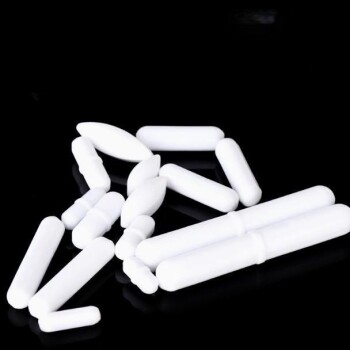
Custom PTFE Teflon Parts Manufacturer PTFE Magnetic Stirring Bar
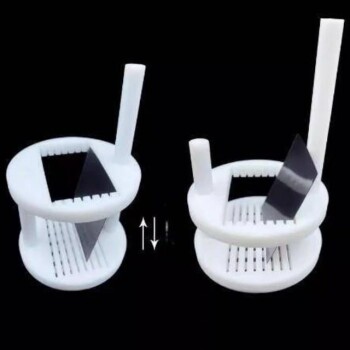
Custom PTFE Teflon Parts Manufacturer Adjustable Height Flower Basket
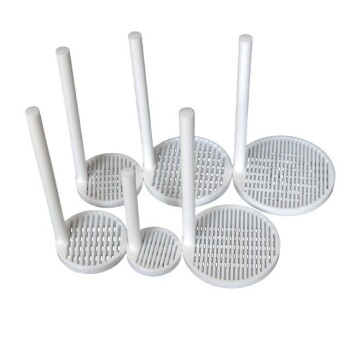
Custom PTFE Teflon Parts Manufacturer PTFE Cleaning Rack
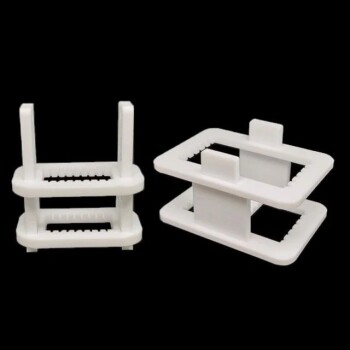
Custom PTFE Teflon Parts Manufacturer Conductive Glass Substrate Cleaning Rack
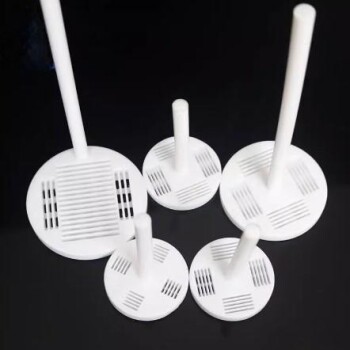
Custom Machined Molded PTFE Teflon Parts Manufacturer for Laboratory ITO FTO Conductive Glass Cleaning Flower Basket