In short, PTFE expansion bellows are suitable for aerospace applications because they offer a rare combination of extreme thermal stability, complete chemical inertness, and low friction. These properties ensure unparalleled reliability in the harsh and unforgiving environments of aviation and space, where component failure is not an option.
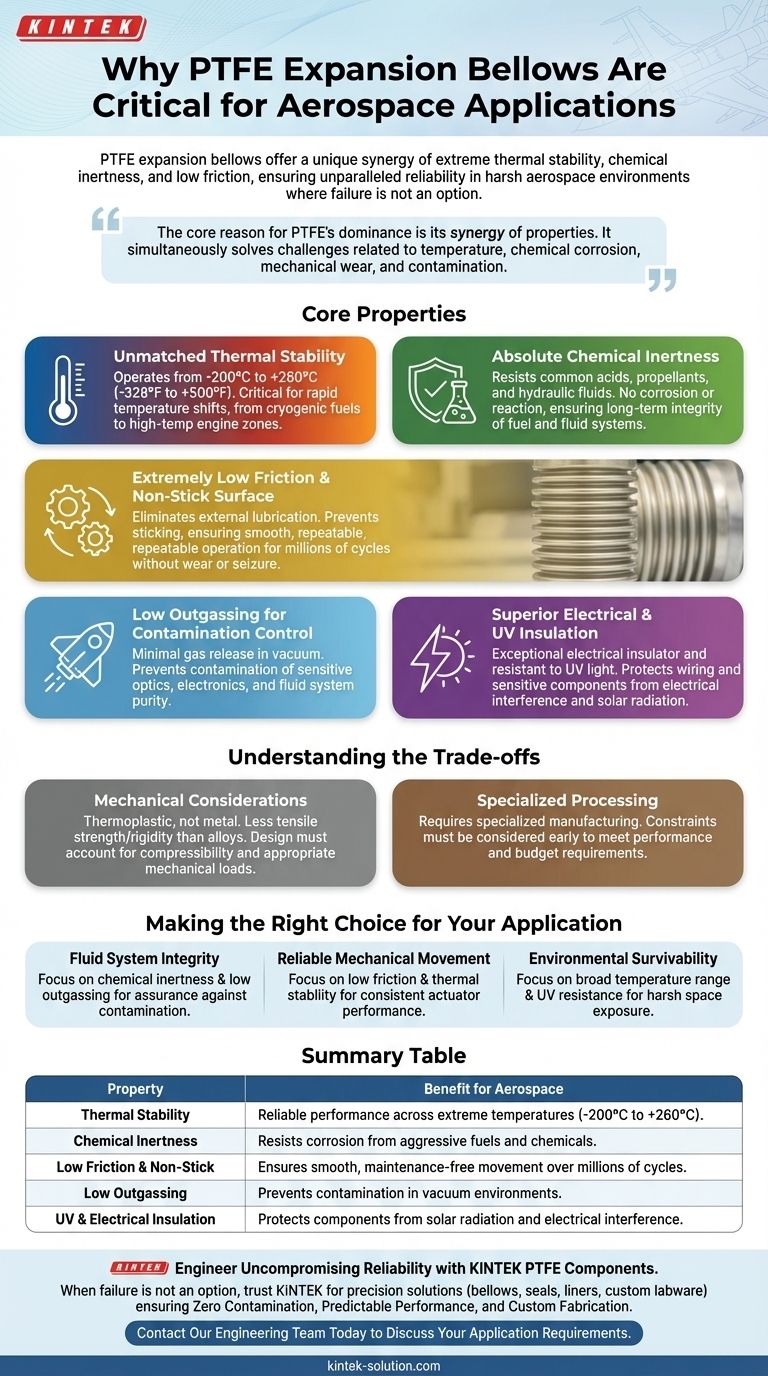
The core reason for PTFE's dominance in aerospace is not a single feature, but its unique synergy of material properties. It simultaneously solves challenges related to temperature, chemical corrosion, mechanical wear, and system contamination that few other materials can address at once.

The Core Properties Driving Aerospace Adoption
To understand why PTFE is a go-to material for critical aerospace components like expansion bellows, we must examine the specific properties that directly counter the extreme challenges of flight and space operations.
Unmatched Thermal Stability
PTFE is the most thermally-stable plastic, capable of performing reliably in temperatures ranging from -200°C to +260°C (-328°F to +500°F).
This enormous operational window is critical for aerospace systems that experience rapid and extreme temperature shifts, from cryogenic fuel exposure to high-temperature engine environments.
Absolute Chemical Inertness
PTFE is highly resistant to virtually all common chemicals, acids, and aggressive propellants used in aerospace, including hydraulic fluids and rocket fuel.
This inertness guarantees that the bellow will not corrode, degrade, or react with the fluids it contains or is exposed to, ensuring the long-term integrity of fuel and fluid transfer systems.
Extremely Low Friction and Non-Stick Surface
Among all plastics, PTFE has one of the lowest coefficients of friction, eliminating the need for external lubrication. Its anti-adhesive properties prevent sticking.
For an expansion bellow, which must constantly flex and move, this ensures smooth, predictable, and repeatable operation over millions of cycles without wear or seizure, which is vital for components like actuators.
Low Outgassing for Contamination Control
PTFE has very low outgassing properties, meaning it does not release trapped gases when exposed to the vacuum of space or high temperatures.
This is a critical requirement for aerospace, as outgassed molecules can contaminate sensitive optics, interfere with electronics, or compromise the purity of fluid systems.
Superior Electrical and UV Insulation
The material is an exceptional electrical insulator and is highly resistant to UV light.
This makes PTFE bellows effective as protective conduits for wiring and sensitive components, shielding them from electrical interference and the degrading effects of solar radiation in space.
Understanding the Trade-offs
While its properties are exceptional, PTFE is not a universal solution. Understanding its limitations is key to proper engineering design in an aerospace context.
Mechanical Considerations
PTFE is a thermoplastic, not a metal. While it has excellent dimensional stability and creep resistance for a polymer, it does not possess the high tensile strength or rigidity of steel or titanium alloys.
Designers must account for its compressibility and ensure the mechanical loads of the system are appropriate for the material's specifications to prevent deformation.
Specialized Processing
Fabricating complex PTFE components requires specialized manufacturing techniques. This can influence design possibilities and cost compared to more traditional materials.
Engineers must consider these manufacturing constraints early in the design phase to ensure the final part meets all performance and budgetary requirements.
Making the Right Choice for Your Application
Selecting PTFE bellows should be a decision driven by the specific demands of the aerospace system.
- If your primary focus is fluid system integrity: PTFE's chemical inertness and low outgassing provide the highest assurance against contamination and corrosion.
- If your primary focus is reliable mechanical movement: Its low friction and extreme temperature stability ensure consistent performance in actuators and flexible joints.
- If your primary focus is environmental survivability: The material's broad temperature range and UV resistance make it ideal for components exposed to the harshness of space.
Ultimately, choosing PTFE is a commitment to operational reliability in environments where failure has catastrophic consequences.
Summary Table:
| Property | Benefit for Aerospace |
|---|---|
| Thermal Stability (-200°C to +260°C) | Reliable performance from cryogenic fuels to high-temp engine zones. |
| Chemical Inertness | Resists corrosion from fuels, hydraulic fluids, and aggressive chemicals. |
| Low Friction & Non-Stick | Ensures smooth, maintenance-free movement in actuators over millions of cycles. |
| Low Outgassing | Prevents contamination of sensitive optics and electronics in vacuum environments. |
| UV & Electrical Insulation | Protects wiring and components from solar radiation and electrical interference. |
Engineer Uncompromising Reliability with KINTEK PTFE Components
When failure is not an option, trust KINTEK to deliver precision PTFE solutions that meet the extreme demands of aerospace, medical, and semiconductor industries. Our expansion bellows, seals, liners, and custom labware are manufactured to ensure:
- Zero Contamination: Guarantee the purity of critical fluid and fuel systems with our chemically inert, low-outgassing components.
- Predictable Performance: Achieve consistent, long-term operation in temperatures from -200°C to +260°C.
- Custom Fabrication: From initial prototypes to high-volume production, we work with you to design and manufacture components tailored to your exact specifications.
Ready to specify components that withstand the toughest environments? Contact our engineering team today to discuss your application requirements.
Visual Guide
Related Products
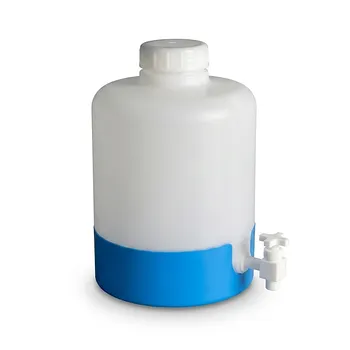
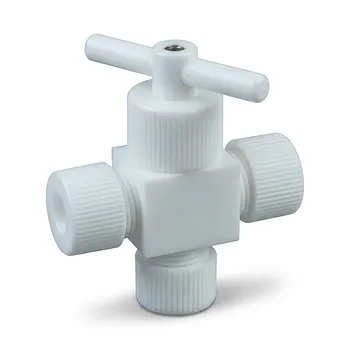
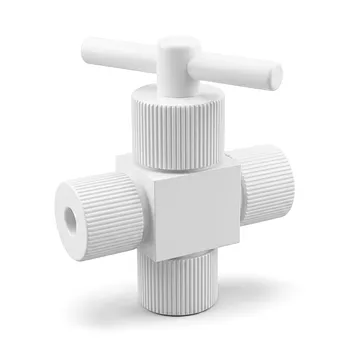
- High Corrosion Resistant PTFE Faucet Polytetrafluoroethylene Valve for Chemical Storage Drums and Fluid Transfer Systems Customizable Industrial Grade
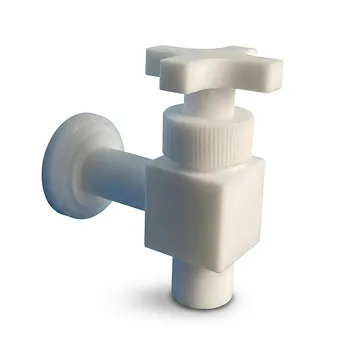
- Corrosion Resistant PTFE Polytetrafluoroethylene Valve and Customizable Laboratory Fluid Dispensing Faucet for Aggressive Chemical Handling in Industrial Storage Tanks and Plastic Drums
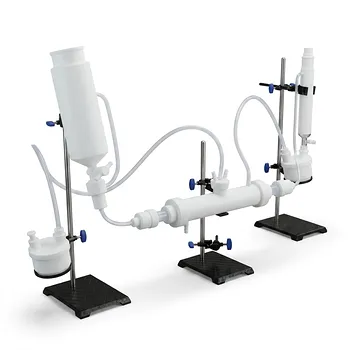
- Custom Polytetrafluoroethylene PTFE Constant Pressure Dropping Funnel Corrosion Resistant Fluid Control Assembly with Conversion Stopper Compatibility
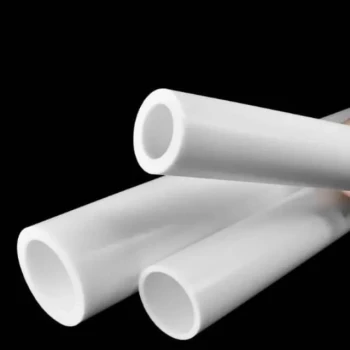
- Custom PTFE Sleeves and Hollow Rods for Advanced Applications
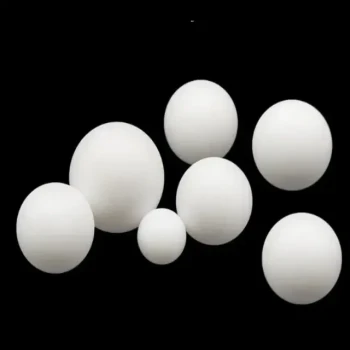
- Custom PTFE Teflon Balls for Advanced Industrial Applications
People Also Ask
- What is the typical operating temperature and pressure range for PTFE valves? Key Specs for Optimal Performance
- What industries commonly use PTFE valves and components? Essential for Chemical & Purity Applications
- How do PTFE valves and components support high-purity liquid transfer? Ensure Product Integrity with Inert Materials
- What specific advantages do PTFE valves offer? Unmatched Corrosion Resistance for Industrial Chemical Handling
- What are the key properties of PTFE valves? Ensure Purity, Safety, and Reliability in Demanding Processes