All Questions
Why Might Someone Choose Teflon Washers Over Other Materials? Solve Friction, Corrosion, And Wear Problems
Discover the key advantages of Teflon (PTFE) washers, including extreme chemical resistance, low friction, and electrical insulation for demanding applications.
Can Teflon Washers Be Used Without Lubricant? Yes, For Maximum Reliability And Low Maintenance
Learn why Teflon (PTFE) washers are self-lubricating and how to choose between dry use or lubrication for your specific application needs.
What Advantages Do Ptfe Spring-Energized Seals Offer In Harsh Environments? Unlock Unmatched Reliability
Discover how PTFE spring-energized seals provide superior sealing in extreme temperatures, high pressures, and with aggressive chemicals for critical industries.
How Do Teflon Washers Compare To Phosphor Bronze Washers In Terms Of Wear? Choose The Right Washer For Your Application
Teflon washers protect metal surfaces from wear, while phosphor bronze offers rigidity. Learn the key differences to make the best choice for your needs.
How Do Ptfe Spring-Energized Seals Perform In Defense And Nuclear Environments? Engineered For Extreme Reliability.
Learn how PTFE spring-energized seals maintain integrity in extreme radiation, pressure, and temperature for defense and nuclear systems.
What Are The Disadvantages Of Teflon Washers? Key Limitations For Mechanical Design
Learn the main drawbacks of Teflon (PTFE) washers, including creep, limited load capacity, high-temperature outgassing, and cost considerations.
What Are The Advantages Of Teflon Washers? Achieve Superior Performance In Harsh Environments
Discover the key benefits of Teflon washers, including low friction, chemical resistance, and durability for industrial and lab applications.
Why Are Ptfe Spring-Energized Seals Ideal For Semiconductor Manufacturing? Ensure Purity And Maximize Yield
Discover why PTFE spring-energized seals are essential for semiconductor manufacturing, offering chemical inertness, low outgassing, and plasma stability.
What Makes Ptfe Spring-Energized Seals Suitable For Oil And Gas Applications? Unmatched Reliability In Extreme Conditions
Discover why PTFE spring-energized seals excel in oil and gas with superior chemical resistance, low friction, and HPHT performance.
In Which Aerospace Applications Are Ptfe Spring-Energized Seals Used? Ensuring Reliability In Extreme Environments
Explore the critical uses of PTFE spring-energized seals in aerospace, from jet engines to cryogenic systems, for superior performance in extreme conditions.
Why Are Ptfe Spring-Energized Seals Preferred For Dynamic Sealing Applications? For Superior, Long-Lasting Performance
Discover why PTFE spring-energized seals excel in dynamic applications with low friction, chemical resistance, and reliable performance across extreme conditions.
What Are The Benefits Of Ptfe Spring-Energized Seals? Superior Chemical & Thermal Resilience For Harsh Environments
Discover how PTFE spring-energized seals provide unmatched chemical resistance and thermal stability from -459°F to 500°F+, ensuring reliability in extreme conditions.
How Do Fep And Ptfe Encapsulated O-Rings Contribute To Equipment Longevity? Prevent Costly Downtime With Superior Seals
Discover how FEP and PTFE encapsulated O-rings extend equipment life by combining chemical inertness and low friction to prevent seal failure in harsh environments.
What Are The Advantages Of Using Ptfe For Spring-Energized Seal Jackets? Superior Performance In Extreme Conditions
Discover why PTFE is the premier material for spring-energized seals, offering chemical inertness, extreme temperature stability, and low friction.
What Temperature Ranges Can Fep And Ptfe Encapsulated O-Rings Withstand? A Guide To Extreme Environment Sealing
Learn the temperature limits of FEP & PFA encapsulated O-rings: from -60°C to 260°C. Choose the right jacket & core for your application.
What Are Spring-Energized Seals, And Why Are They Used In Extreme Environments?
Discover how spring-energized seals with PTFE jackets provide reliable sealing in extreme temperatures, pressures, and chemical environments.
Why Are Fep And Ptfe Encapsulated O-Rings Used In The Food And Pharmaceutical Industries? Ensure Purity And Compliance
Learn why FEP/PTFE encapsulated O-rings are essential for sanitary sealing, offering chemical inertness, FDA compliance, and durability for CIP/SIP processes.
What Industries Commonly Use Ptfe Bellows And Diaphragms, And Why? Ensure Purity & Chemical Resistance
Explore why semiconductor, chemical, medical, and aerospace industries rely on PTFE bellows and diaphragms for purity, chemical inertness, and reliability.
What Makes Fep And Ptfe Encapsulated O-Rings Suitable For Chemical Processing? Achieve Leak-Free Sealing In Corrosive Environments
Discover how FEP/PTFE encapsulated O-rings combine chemical inertness with reliable elasticity for superior sealing against acids, bases, and solvents.
What Are The Key Properties Of Ptfe That Benefit Bellows And Diaphragms? Achieve Unmatched Reliability In Harsh Environments
Discover how PTFE's chemical inertness, thermal stability, and low friction make it the ideal material for durable, high-performance bellows and diaphragms.
How Do Fep And Ptfe Encapsulated O-Rings Compare To Traditional O-Rings? A Hybrid Solution For Harsh Environments
Discover the advantages of FEP/PTFE encapsulated O-rings, including superior chemical resistance, wider temperature range, and low friction versus traditional seals.
Why Is Ptfe The Preferred Material For Bellows And Diaphragms? Unmatched Chemical, Thermal, And Mechanical Stability
Discover why PTFE is the top choice for high-performance bellows and diaphragms, offering superior chemical inertness, extreme temperature resistance, and low friction.
What Industries Commonly Use Ptfe-Encapsulated O-Rings? Ensure Reliability In Demanding Applications
Discover the key industries that rely on PTFE-encapsulated O-rings for superior chemical resistance, high purity, and extreme temperature performance.
What Are The Benefits Of Ptfe-Encapsulated O-Rings? Superior Sealing For Harsh Chemical & High-Temp Environments
Discover how PTFE-encapsulated O-rings combine chemical inertness, wide temperature range, and low friction for reliable sealing in demanding applications.
What Industries Commonly Use Fep-Encapsulated O-Rings? Solve Sealing Challenges In Harsh Environments
Discover how FEP-encapsulated O-rings provide superior chemical resistance and temperature performance for chemical, pharmaceutical, and aerospace industries.
What Are Ptfe Bellows And Diaphragms, And Why Are They Important In Critical Systems?
Discover how PTFE bellows and diaphragms provide unmatched chemical resistance, thermal stability, and reliability in demanding industrial applications.
What Are Fep And Ptfe Encapsulated O-Rings? Superior Seals For Harsh Chemical & Thermal Environments
Learn how FEP & PTFE encapsulated O-rings combine chemical resistance with flexibility for reliable sealing in demanding applications.
What Finishing Operations Might Be Required After Machining Teflon Parts? Deburring, Polishing & More
Learn essential Teflon (PTFE) finishing steps like deburring, sanding, and polishing to ensure dimensional accuracy and performance.
What Considerations Are Important When Selecting Teflon For Cnc Machining? Master Its Unique Challenges
Key factors for CNC machining Teflon (PTFE): managing high thermal expansion, softness, burr formation, and stress creep with proper tooling and techniques.
Why Is Cryogenic Deburring Particularly Suitable For Teflon Parts? Achieve A Perfect, Damage-Free Finish
Learn how cryogenic deburring safely removes imperfections from Teflon parts using extreme cold, avoiding heat damage, warping, or chemical alteration.
What Is Cryogenic Deburring And How Does It Work For Teflon Parts? Achieve A Flawless Finish Without Damage
Learn how cryogenic deburring uses liquid nitrogen to safely remove burrs from sensitive Teflon parts without heat, abrasion, or chemical damage.
What Are Common Applications Of Machined Teflon Parts? Solve Friction, Chemical, And Electrical Challenges
Explore the key uses of machined Teflon (PTFE) parts in aerospace, medical, chemical, and food industries for sealing, insulation, and low-friction applications.
What Are Some Unique Challenges When Machining Teflon? Overcome Material Instability For Precision Parts
Learn the key challenges of machining Teflon (PTFE), including stress creep and thermal expansion, and discover strategies for achieving tight tolerances and a clean finish.
What Are The Main Steps Involved In Cnc Machining Teflon Parts? Mastering Ptfe's Unique Challenges
Learn the key steps for CNC machining Teflon (PTFE), from CAD design to final inspection, and how to overcome material challenges like thermal expansion and burrs.
What Are The Limitations Of Ptfe In Terms Of Fabrication? Navigating Manufacturing Challenges
Explore the key fabrication limitations of PTFE, including incompatibility with melt processing and bonding difficulties, and the alternative methods required.
How Does Ptfe's Thermal Expansion And Contraction Affect Its Machining And Application? Master Dimensional Stability
Learn how to manage PTFE's high thermal expansion for precise machining and reliable application performance in seals, bearings, and labware.
What Makes Ptfe An Excellent Choice For Gaskets, Rings, And Bearings? Unlock Unmatched Reliability With Kintek Ptfe
Discover why PTFE's low friction, chemical inertness, and thermal stability make it ideal for seals and bearings in demanding industrial applications.
What Are The Properties And Applications Of Glass-Filled Ptfe Bushes? Enhance Strength & Performance
Explore the enhanced strength, creep resistance, and applications of glass-filled PTFE bushes for demanding industrial environments.
What Tools Are Used In The Cnc Machining Of Ptfe? Achieve Clean, Precise Cuts
Discover the best cutting tools (HSS, carbide) and techniques for machining PTFE to prevent melting, ensure precision, and improve surface finish.
What Are The Advantages Of Bronze-Filled Ptfe Bushes? Boost Load Capacity & Wear Resistance
Discover how bronze-filled PTFE bushes offer superior strength, wear resistance, and thermal conductivity for demanding applications.
How Can Ptfe Be Fabricated And What Forms Is It Available In? Mastering Molding, Machining, And Coatings
Learn the specialized fabrication methods for PTFE, including sintering and machining, and discover the available forms from powders and dispersions to solid stock.
What Are The Benefits Of Carbon-Filled Ptfe Bushes? Boost Strength & Wear Resistance For Demanding Applications
Discover how carbon-filled PTFE bushes offer superior wear resistance, higher load capacity, and better thermal conductivity than virgin PTFE.
How Can Designers Balance Aesthetics And Functionality In Ptfe Machining? Master Material Properties For Superior Results
Learn key PTFE machining strategies to manage softness and thermal expansion, achieving both dimensional accuracy and a flawless aesthetic finish.
What Are Filled Ptfe Bushes And Why Are Fillers Added? Enhance Wear Resistance & Load Capacity
Learn how fillers like glass and bronze transform PTFE bushes into high-performance bearings for demanding industrial applications.
What Are Some Innovative Applications Of Cnc Machined Ptfe In Product Design? Unlock Extreme Performance In Medical, Aerospace & Electronics
Discover how CNC machined PTFE enables breakthroughs in medical implants, aerospace seals, and high-frequency electronics by combining precision with unique material properties.
What Types Of Surface Treatments Can Be Applied To Ptfe Bushes? Enhance Adhesion For Your Assemblies
Explore PTFE bush surface treatments: chemical etching, plasma, and flame treatment to overcome inertness and achieve strong bonds.
What Design Considerations Are Important When Working With Cnc Machined Ptfe Parts? Master Tolerances, Creep, And Thermal Expansion
Learn key design rules for CNC machined PTFE parts, including managing thermal expansion, stress relaxation, realistic tolerances, and material selection for reliability.
What Is The Purpose Of Sintering In The Ptfe Bush Manufacturing Process? | Achieve Superior Component Performance
Discover why sintering is essential for PTFE bush manufacturing, transforming powder into a durable, high-performance component with enhanced strength and wear resistance.
How Are Molded Ptfe Bushes Typically Manufactured? A Guide To The Precision Molding Process
Learn the 4 key stages of manufacturing molded PTFE bushes via compression molding and sintering, from powder charging to controlled cooling.
Can Ptfe Bushes Be Customized For Specific Applications? Tailor Geometry, Material, And Surface For Peak Performance
Learn how to customize PTFE bushes with specific geometries, material fillers, and surface treatments for demanding applications in various industries.
What Is A Ptfe Flanged Bush And What Are Its Advantages? Achieve Superior Performance In Demanding Applications
Learn how PTFE flanged bushings combine self-lubrication, chemical resistance, and axial stability for pumps, valves, and linear motion systems.
What Is A Ptfe Cylindrical Bush And Where Is It Commonly Used? | High-Performance Bushing Guide
Learn about PTFE cylindrical bushes: low-friction, chemically inert sleeves for demanding applications in medical, automotive, and industrial machinery.
What Are The Common Shapes Of Ptfe Bushes? Cylindrical Vs. Flanged For Load Management
Learn the key differences between cylindrical and flanged PTFE bushes, including their functions, benefits, and how to choose the right shape for radial or axial loads.
What Are The Key Features And Benefits Of Ptfe Bushings? Achieve Maintenance-Free Operation In Demanding Environments
Discover how PTFE bushings offer self-lubrication, chemical resistance, and extreme temperature tolerance for reliable, maintenance-free performance.
What Is A Ptfe Bush And What Is Its Primary Use? A Guide To Self-Lubricating Bearings
Learn about PTFE bushes: self-lubricating bearings for low friction, chemical resistance, and extreme temperatures in demanding applications.
How Do Fillers Enhance The Properties Of Modified Ptfe Gaskets? Improve Strength, Wear, And Creep Resistance
Learn how fillers like glass fiber and carbon transform PTFE gaskets, boosting mechanical strength and wear resistance for demanding industrial applications.
What Are The Common Applications Of Modified Ptfe Gaskets? Solve High-Pressure & High-Temperature Sealing Challenges
Discover how modified PTFE gaskets provide superior sealing in chemical processing, high-pressure systems, and advanced electronics due to enhanced creep resistance.
What Are The Key Properties Of Ptfe Gaskets? Unlock Unmatched Chemical And Thermal Resistance
Discover the key properties of PTFE gaskets: exceptional chemical inertness, wide temperature range, low friction, and superior sealing for demanding industries.
Why Is Symmetry And Balance Important When Installing Ptfe Gasket Seals? Ensure A Perfect, Leak-Proof Seal
Learn why uniform compression is critical for PTFE gasket installation. Prevent leaks and ensure long-term reliability with proper symmetrical techniques.
What Precautions Should Be Taken During The Installation Of Ptfe Gasket Seals? Ensure A Perfect, Leak-Free Seal
Learn key PTFE gasket installation precautions for handling, surface prep, and torque control to prevent leaks and ensure long-term reliability.
What Does The Leakage Rate Indicate About Ptfe Gaskets? Understanding The Sealing Performance Trade-Off
Learn how leakage rate measures PTFE gasket sealing ability and the trade-off between chemical resistance and conformability for your application.
How Does The Shrinkage Performance Of Ptfe Gaskets Affect Their Functionality? Ensure A Perfect, Leak-Free Seal
Learn how PTFE gasket 'shrinkage' (plastic deformation) creates reliable seals by conforming to flange imperfections, preventing leaks.
What Is The Significance Of The Creep Relaxation Rate In Ptfe Gaskets? Ensure Long-Term Sealing Reliability
Learn why the creep relaxation rate is the key indicator for PTFE gasket performance, determining long-term sealing integrity and leak prevention.
Why Is Resistance To Chemical And Physical Corrosion Important For Ptfe Gasket Raw Materials? Ensure Long-Term Sealing Reliability
Discover why PTFE's superior chemical inertness and physical resistance are critical for preventing gasket failure, leaks, and ensuring system integrity in harsh environments.
What Factors Should Be Considered When Selecting Ptfe Gaskets Based On Their Raw Materials? Choose The Right Form For Your Application
Learn how to select PTFE gaskets by evaluating chemical compatibility, pressure-temperature ratings, and material forms like skived, expanded, or filled PTFE.
What Are Some Common Configurations Of Teflon Back-Up Rings? Achieve Superior O-Ring Support And Extrusion Resistance
Learn about the 3 core Teflon back-up ring types: solid, single turn, and spiral. Choose the right configuration to prevent O-ring extrusion in high-pressure systems.
When Are Filled Teflon Back-Up Rings Recommended? Essential For High-Pressure & High-Temperature Seals
Learn when to use filled Teflon back-up rings for sealing systems exceeding 3,000 psi or 275°F. Prevent o-ring extrusion and ensure reliability.
What Are The Three Basic Types Of Teflon Back-Up Rings? Choose The Right Design For Your Sealing System
Learn about solid, scarf cut, and spiral cut Teflon back-up rings. Select the right type for static or dynamic applications to prevent O-ring extrusion.
What Is The Primary Function Of Teflon Back-Up Rings? Prevent O-Ring Extrusion In High-Pressure Systems
Learn how Teflon back-up rings support o-rings to prevent extrusion and ensure seal integrity in high-pressure, high-temperature, and chemical environments.
What Advantages Do Extruded Ptfe Rods Offer? Superior Durability For High-Stress Applications
Discover why extruded PTFE rods offer superior density, wear resistance, and chemical barrier properties compared to other forms of PTFE.
Why Are Extruded Ptfe Rods Popular In Plumbing Systems? Superior Chemical & Thermal Resistance
Discover why extruded PTFE rods are essential for plumbing, offering unmatched chemical inertness, thermal stability, and low friction for durable, reliable systems.
What Medical Applications Benefit From Extruded Ptfe Rods? Precision Components For Surgical & Diagnostic Devices
Explore how extruded PTFE rods are used in medical devices for their biocompatibility, chemical resistance, and low-friction properties.
In What Ways Are Extruded Ptfe Rods Utilized In Aerospace And Automotive Industries? Enhancing Performance In Extreme Conditions
Learn how extruded PTFE rods are machined into seals, bushings & wiring insulation for aerospace & automotive, improving efficiency & reliability.
Why Are Extruded Ptfe Rods Used In Food Processing Equipment? Ensure Food Safety And Efficiency
Learn why extruded PTFE rods are ideal for food processing due to their non-stick surface, chemical inertness, and high temperature resistance.
How Are Extruded Ptfe Rods Used In The Electrical/Electronics Industry? Ensure Superior Insulation And Reliability
Discover how extruded PTFE rods provide critical electrical insulation for high-frequency wiring, PCBs, and semiconductor manufacturing due to their dielectric strength and thermal stability.
What Industrial Applications Utilize Extruded Ptfe Rods? Key Uses In Chemical, Aerospace & More
Explore how extruded PTFE rods are used for seals, bearings, and insulators in chemical, aerospace, medical, and electronics industries.
What Are The Friction Properties Of Extruded Ptfe Rods? Achieve Ultra-Low Friction For Your Critical Applications
Explore the low coefficient of friction and non-stick properties of extruded PTFE rods for bearings, seals, and slide plates in demanding industries.
Why Are Extruded Ptfe Rods Suitable For High-Temperature Applications? Superior Heat Resistance For Demanding Industries
Discover why extruded PTFE rods excel in high-temp applications up to 260°C, offering thermal stability, chemical inertness, and low friction.
What Makes Extruded Ptfe Rods Chemically Resistant? Unmatched Stability From Its Molecular Structure
Discover how PTFE's strong carbon-fluorine bonds and fluorine shield provide near-universal resistance to acids, bases, and solvents.
How Are Extruded Ptfe Rods Manufactured? A Look At The Unique Paste Extrusion & Sintering Process
Discover how extruded PTFE rods are made via paste extrusion & sintering, a unique process that ensures superior chemical resistance, thermal stability, and low friction.
What Makes Machined Ptfe Suitable For Industrial Applications? Unmatched Performance In Extreme Conditions
Discover why machined PTFE is ideal for harsh industrial use, offering superior chemical resistance, low friction, thermal stability, and electrical insulation.
Why Is Machined Ptfe Popular In The Medical Field? Unmatched Biocompatibility & Precision
Discover why machined PTFE is vital for medical devices: biocompatibility, chemical resistance, and precision machinability for safety and reliability.
What Are Some Common Applications Of Machined Ptfe? Leverage Its Unique Properties For Demanding Applications
Explore the top uses of machined PTFE, including high-performance seals, low-friction bearings, medical devices, and components for corrosive environments.
What Potential Solutions Can Address The Challenges Of Machining Ptfe? Master Heat Management For Precision Parts
Learn key strategies for machining PTFE, including sharp tool selection, high feed rates, and coolant use to prevent melting and ensure tight tolerances.
What Challenges Are Associated With Machining Ptfe? Overcoming Heat, Tolerances, And Safety
Learn the key challenges of machining PTFE, including heat management, holding tolerances, and safety protocols, and discover best practices for success.
What Are The Advantages Of Machining Ptfe Over Other Materials? Unlock Superior Performance In Harsh Environments
Explore the key benefits of machining PTFE, including chemical inertness, thermal stability, low friction, and precision fabrication for complex parts.
What Are Some Tips For Successfully Machining Ptfe? Master Precision Cuts For Soft, Heat-Sensitive Material
Learn expert PTFE machining tips: use sharp tools, high speeds, slow feeds, and constant coolant to prevent deformation and achieve tight tolerances.
What Tools And Processes Are Involved In Machining Ptfe? A Guide To Precision Manufacturing
Learn the essential tools and techniques for successfully machining PTFE, including managing heat, minimizing cutting forces, and selecting the right equipment.
What Are The Key Properties Of Ptfe That Make It Suitable For Machining? Leverage Its Unique Qualities For Precision Components
Explore the key properties of PTFE—low friction, thermal stability, chemical inertness—that make it ideal for precision machining of seals, liners, and labware.
What Is Ptfe Commonly Known As And Can It Be Machined? Yes, With Expert Precision.
PTFE (Teflon) can be machined for custom components. Learn key techniques and challenges for precision results in semiconductor, medical, and lab applications.
What Are The Advantages Of Using Teflon Backup Rings In Chemical Processing? Protect Seals From Harsh Chemicals & Extreme Temperatures
Discover the key benefits of Teflon (PTFE) backup rings: superior chemical resistance, wide temperature range, and low friction for reliable sealing in harsh environments.
How Does The Material Composition Of Teflon Backup Rings Vary? A Guide To Virgin Vs. Filled Ptfe
Learn the key differences between Virgin and Filled PTFE backup rings, including their chemical resistance, mechanical strength, and ideal applications.
Are Teflon Backup Rings Suitable For Food Processing Applications? Ensure Safety And Reliability
Discover why FDA-compliant Teflon (PTFE) backup rings are ideal for food processing, offering non-toxicity, chemical inertness, and superior hygiene.
What Temperature Range Can Teflon Backup Rings Withstand? Master Extreme Thermal Performance
Learn the temperature limits of Teflon (PTFE) backup rings (-200°C to 260°C) and how to select the right type for extreme conditions.
In Which Industries Are Teflon Backup Rings Commonly Used? Prevent Seal Failure In High-Pressure Systems
Discover how Teflon backup rings prevent seal extrusion in aerospace, automotive, chemical, and food processing industries for reliable performance.
What Types Of Teflon Backup Rings Are Available And Their Uses? Ensure Sealing Integrity In High-Pressure Systems
Explore Solid, Split, Spiral, and Contoured Teflon backup rings. Learn how each type prevents O-ring extrusion in demanding hydraulic, aerospace, and chemical applications.
What Are The Key Technical Features Of Teflon Backup Rings? Essential Support For High-Pressure Seals
Discover the critical features of Teflon backup rings: extreme temperature tolerance, chemical inertness, low friction, and durability for reliable sealing systems.
What Is The Role Of Teflon Backup Rings In Sealing Technology? Prevent Seal Extrusion & Boost Reliability
Learn how Teflon backup rings prevent O-ring extrusion in high-pressure systems, ensuring seal integrity and system reliability.
Why Are Ptfe Washers Considered Cost-Effective Despite Their Higher Initial Cost? Maximize Roi With Long-Term Savings
Discover how PTFE washers' durability, low maintenance, and corrosion resistance reduce long-term costs, offering superior ROI over cheaper alternatives.
What Industries Commonly Use Ptfe Washers Due To Their Versatility? Solve Critical Sealing Challenges
Discover why aerospace, chemical, medical, and electronics industries rely on PTFE washers for chemical resistance, low friction, and thermal stability.
Related Products
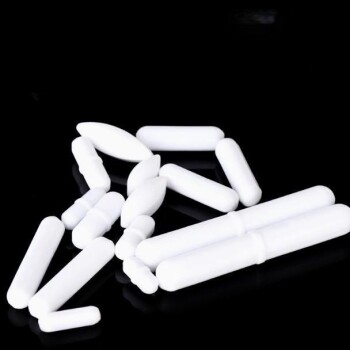
Custom PTFE Teflon Parts Manufacturer PTFE Magnetic Stirring Bar
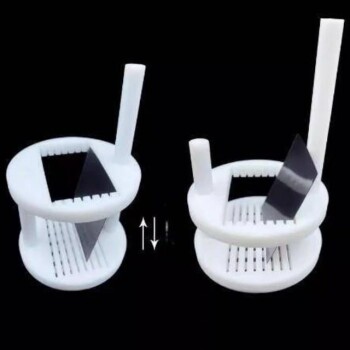
Custom PTFE Teflon Parts Manufacturer Adjustable Height Flower Basket
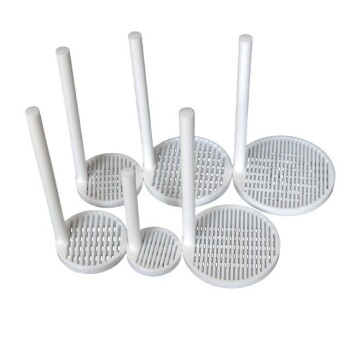
Custom PTFE Teflon Parts Manufacturer PTFE Cleaning Rack
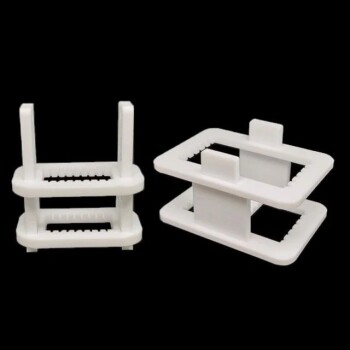
Custom PTFE Teflon Parts Manufacturer Conductive Glass Substrate Cleaning Rack
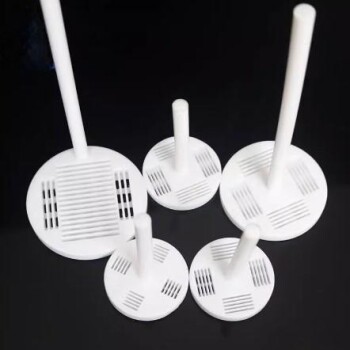
Custom Machined Molded PTFE Teflon Parts Manufacturer for Laboratory ITO FTO Conductive Glass Cleaning Flower Basket