All Questions
How Does Teflon Contribute To Contamination Control In Sensitive Environments? A Guide To Purity & Performance
Discover how Teflon's chemical inertness, non-porous surface, and anti-adhesion properties prevent contamination in labs, semiconductors, and pharma.
What Considerations Are Important When Designing Teflon Machined Parts? Avoid Failure With Smart Ptfe Design
Learn key design principles for Teflon (PTFE) parts, including managing creep, thermal expansion, and realistic tolerances for reliable performance.
Why Is Teflon Preferred For Sealing Applications? Unmatched Chemical & Thermal Resistance
Discover why Teflon seals excel in harsh environments with superior chemical inertness, thermal stability, and low friction for reliable performance.
What Role Do Teflon Machined Parts Play In Chemical Processing Equipment? Ensure Purity & Prevent Corrosion
Discover how Teflon (PTFE) parts act as a non-reactive barrier in chemical equipment, preventing corrosion and ensuring product purity in demanding industries.
How Does Teflon's Performance In Extreme Temperatures Benefit Industrial Applications? Ensuring Reliable Performance From -200°C To +260°C
Learn how Teflon (PTFE) maintains low friction and chemical inertness across extreme temperatures for reliable seals, bearings, and liners in demanding industries.
What Are The Benefits Of Teflon's Self-Lubricating Properties In Mechanical Applications? Boost Efficiency And Cut Costs
Discover how Teflon's self-lubricating properties reduce friction, eliminate external lubricants, and extend component life in demanding applications.
How Does The Machining Process For Teflon Differ From Machining Metals? A Guide To Precision And Finesse
Learn the key differences between machining Teflon and metals, focusing on heat management, tool sharpness, and clamping techniques for optimal results.
What Makes Teflon Valuable For Electrical Applications? Leverage Its High-Performance Insulating Properties
Discover why Teflon (PTFE) is essential for electronics: high dielectric strength, thermal stability, and chemical inertness for demanding applications.
Why Is Teflon Particularly Suitable For Medical And Food Processing Applications? Unmatched Purity & Performance
Discover why Teflon's (PTFE) biocompatibility, FDA compliance, and non-stick properties make it ideal for medical devices and food-grade equipment.
What Challenges Are Associated With Machining Teflon And How Are They Addressed? Master Precision Ptfe Manufacturing
Learn how to overcome Teflon's softness, low thermal conductivity, and high expansion for precise PTFE parts with sharp tools, cooling, and technique.
What Machining Processes Are Used To Create Teflon Parts? Achieve Precision With Expert Ptfe Machining
Learn about CNC turning, milling, and drilling for Teflon parts. Discover how to manage thermal expansion and deformation for high-precision components.
What Types Of Components Are Typically Made From Teflon Machined Parts? Essential Parts For Extreme Conditions
Discover the key Teflon (PTFE) machined parts like seals, bearings, and insulators, chosen for chemical resistance, low friction, and high-temperature stability.
What Are The Advantages Of Machining Teflon? Unlock Superior Precision And Complex Designs
Discover why CNC machining Teflon is superior for high-precision, complex parts, avoiding thermal degradation and enabling cost-effective custom production.
What Industries Commonly Use Teflon Machined Parts And Why? Achieve Unmatched Performance In Demanding Environments
Discover why aerospace, medical, semiconductor, and chemical industries rely on Teflon (PTFE) parts for extreme chemical inertness, thermal stability, and low friction.
What Are The Main Limitations Of Teflon Machining? Navigating Softness, Creep, And Thermal Expansion
Discover the key challenges of machining Teflon (PTFE), including stress creep, thermal expansion, and poor surface finish, and learn how to design for success.
What Industries Use Ptfe Machined Parts And For What Applications? Critical Components For Demanding Environments
Discover how PTFE machined parts provide chemical resistance, low friction, and thermal stability in aerospace, medical, semiconductor, and food processing industries.
Why Is Cnc Machining Preferred For Teflon Parts Over Other Methods? Unlock Precision & Complex Designs
Discover why Teflon's unique thermal properties make CNC machining the only viable method for creating precise, complex, and reliable PTFE components.
What Tips Can Improve Teflon Machining Results? Master Sharp Tools, Heat Control, And Rigid Support
Learn essential Teflon (PTFE) machining tips: use sharp tools, manage heat, and provide rigid support to overcome softness and thermal expansion.
What Are The Key Considerations When Machining Teflon? Master Precision Machining For Soft Polymers
Learn the essential strategies for machining Teflon (PTFE), including tool selection, heat management, and workholding to overcome softness and thermal expansion.
What Machining Processes Are Suitable For Teflon/Ptfe? Master Precision Machining For Soft Materials
Learn the best CNC milling, turning, and drilling techniques for machining Teflon/PTFE, overcoming challenges like softness and thermal expansion.
What Factors Should Be Considered When Choosing Between Ptfe And Rubber Washers? Optimize Sealing For Extreme Or Everyday Use
Learn the key differences between PTFE and rubber washers to select the right material for chemical resistance, temperature, flexibility, and cost.
What Are The Key Reasons To Choose Ptfe Washers? Unmatched Performance In Demanding Environments
Discover why PTFE washers excel in chemical resistance, extreme temperatures, and low friction for semiconductor, medical, and industrial applications.
How Do Ptfe Washers Compare To Rubber Washers In Electrical Insulation? The Definitive Guide For Safety & Performance
PTFE washers offer superior dielectric strength & moisture resistance for reliable electrical insulation, while rubber washers can pose a conductivity risk.
How Do Ptfe Washers Perform In Extreme Temperature Conditions? Unmatched Stability From -200°C To 260°C
Learn how PTFE washers maintain integrity and sealing capability in extreme temperatures, from cryogenic -200°C to high-heat 260°C, for reliable performance.
What Is A Key Advantage Of Ptfe Washers In Terms Of Chemical Resistance? Unmatched Protection Against Corrosives
Discover the key advantage of PTFE washers: near-total chemical inertness for superior sealing against acids, bases, and solvents.
What Is The Primary Material Distinction Between Ptfe Washers And Rubber Washers? Choose The Right Washer For Your Application
Learn the key differences between PTFE and rubber washers: PTFE offers low friction and chemical resistance, while rubber provides superior sealing and flexibility.
What Additional Benefits Do Ptfe And Peek Backup Rings Offer? Maximize Seal Performance In Extreme Conditions
Explore the key advantages of PTFE and PEEK backup rings, including low friction, chemical resistance, and high-temperature performance for demanding applications.
Are Ptfe And Peek Backup Rings Usually Pure, Or Do They Contain Fillers? Discover The Role Of Fillers In High-Performance Seals
Learn why PTFE and PEEK backup rings are almost always filled with materials like glass or carbon fiber to enhance compressive strength and prevent extrusion in high-pressure sealing applications.
Why Are Ptfe And Peek Suitable For Backup Rings? Ensure Seal Integrity In Extreme Conditions
Discover why PTFE and PEEK backup rings prevent seal extrusion with high compressive strength, chemical resistance, and thermal stability for demanding applications.
What Are The Two Most Common Materials Used For Backup Rings? Ptfe Vs. Peek For Superior Sealing
Compare PTFE and PEEK backup rings for sealing applications. Learn which material offers the best extrusion resistance, chemical compatibility, and temperature performance.
How Is Ptfe Typically Used In Industrial Applications? Solve Demanding Sealing, Lining, And Friction Challenges
Explore the key industrial uses of PTFE (Teflon™) for seals, liners, and components in chemical, semiconductor, medical, and high-temperature applications.
What Are The Practical Benefits Of Using Ptfe Components? Boost Reliability & Cut Costs In Harsh Environments
Discover how PTFE components deliver chemical resistance, low friction & thermal stability to reduce maintenance, enhance safety & improve efficiency in industrial applications.
What Key Offerings Are Associated With Teflon-Encapsulated O-Rings? Beyond The Part To Full-System Support
Discover the critical support services for Teflon-encapsulated O-rings, including custom design, prototyping, and inventory management for demanding applications.
What Future Developments Are Expected For Teflon-Encapsulated O-Rings? Enhanced Materials & Precision Manufacturing
Explore the future of Teflon-encapsulated O-rings: advanced polymers for better abrasion resistance and new elastomers for wider temperature ranges.
What Quality Standards Are Followed In The Manufacturing Of Teflon-Encapsulated O-Rings? Ensure Compliance For Critical Applications
Learn about FDA, USP Class VI, and other key quality standards for Teflon-encapsulated O-rings used in medical, pharmaceutical, and food processing industries.
How Are Teflon-Encapsulated O-Rings Utilized In Heavy Equipment And Hydraulics? Achieve Superior Sealing And Reduce Downtime
Discover how Teflon-encapsulated O-rings provide robust, chemical-resistant seals for heavy-duty hydraulic systems, preventing leaks and extending equipment life.
What Role Do Teflon-Encapsulated O-Rings Play In The Oil And Gas And Chemical Processing Industries? A Critical Sealing Solution
Learn how Teflon-encapsulated O-rings provide chemical resistance and sealing reliability in harsh oil & gas and chemical processing applications.
How Do Teflon-Encapsulated O-Rings Benefit The Food And Beverage Industry? Ensure Superior Sealing And Hygiene
Discover how Teflon-encapsulated O-rings provide chemical resistance, high-temperature stability, and superior hygiene for food and beverage applications.
Why Are Teflon-Encapsulated O-Rings Suitable For Medical Equipment? Ensure Patient Safety & Chemical Resistance
Discover how Teflon-encapsulated O-rings combine biocompatibility, chemical resistance, and reliable sealing for medical devices, meeting FDA and USP Class VI standards.
What Are The Advantages Of Teflon-Encapsulated O-Rings? Superior Sealing For Demanding Industrial Applications
Discover the benefits of Teflon-encapsulated O-rings, including extreme chemical resistance, wide temperature range, and low-friction performance.
What Industries Commonly Use Teflon-Encapsulated O-Rings? Critical Seals For Extreme Conditions
Discover the key industries—chemical, oil & gas, pharmaceutical, food & beverage, aerospace—that rely on Teflon-encapsulated O-rings for superior chemical resistance and purity.
What Are Teflon Encapsulated O-Rings And What Materials Are They Crafted With? Superior Seals For Harsh Environments
Learn about Teflon encapsulated O-rings: composite seals with a Teflon jacket for chemical resistance and an elastomer core for flexibility.
What Industries Commonly Use Teflon Washers? Unlock Versatile Sealing Solutions
Discover why Teflon (PTFE) washers are essential in chemical, aerospace, food, and electronics industries for their chemical resistance and low friction.
What Are The Two Main Manufacturing Methods For Teflon Washers? Choose The Right Process For Your Project
Compare compression molding vs. machining for Teflon washers: cost, precision, and volume. Learn which method is best for your application.
How Do Teflon And Nylon Washers Differ? Choose The Right Washer For Your Application
Compare Teflon vs. nylon washers: chemical resistance, water absorption, friction, and thermal stability. Select the best material for your project.
What Are The Primary Advantages Of Teflon Washers Compared To Metal Washers? Unlock Superior Performance In Harsh Environments
Discover the key benefits of Teflon washers: low friction, chemical resistance, and electrical insulation for demanding applications.
What Are The Two Main Types Of Specialty Ptfe Washers And Their Characteristics? Choose The Right Washer For Your Application
Compare virgin PTFE washers and PTFE sealing washers. Learn their key characteristics, applications, and how to select the right type for purity, sealing, or strength.
What Are The Thermal And Electrical Performance Characteristics Of Teflon Ptfe? Master Its Properties For Demanding Applications
Explore PTFE's extreme thermal stability (-260°C to 260°C) and superior electrical insulation, including dielectric strength and high-frequency performance.
What Advantages Do Ptfe Washers Offer? Superior Chemical, Thermal, And Low-Friction Performance
Discover why PTFE washers excel with unmatched chemical resistance, a wide temperature range (-200°C to +260°C), and the lowest friction of any solid material.
What Are The Primary Functions Of Washers In Mechanical Assemblies? Ensure Joint Reliability & Prevent Damage
Discover the 3 key roles of washers: distributing load, acting as a spacer, and preventing loosening. Learn how to select the right washer for your assembly.
What Are The Key Properties Of Teflon Ptfe? Unlocking Unmatched Chemical & Thermal Resistance
Explore the 4 key properties of Teflon PTFE: extreme chemical inertness, wide temperature stability, low friction, and superior electrical insulation.
What Support And Warranty Options Are Available For Custom Teflon Parts? Secure Your Investment With Full Manufacturer Backing
Learn about the comprehensive support and warranty for custom Teflon parts, including expert installation guidance and full coverage against defects.
What Related Products Complement Custom Teflon Parts? Build A Complete & Robust System
Learn how to pair Teflon with metals, polycarbonate, and nylon for structural strength, impact resistance, and durability in demanding applications.
What Are The Advantages Of Using Custom Teflon Parts? Unlock Superior Performance In Demanding Applications
Discover how custom Teflon parts offer extreme chemical resistance, low friction, and thermal stability for superior performance in harsh environments.
What Are The Key Features Of Custom Teflon Parts? Unlock Chemical & Thermal Resistance
Discover the 4 key features of custom Teflon parts: chemical resistance, low friction, thermal stability, and electrical insulation for demanding applications.
How Do Teflon Parts Benefit The Electronics Industry? Achieve Superior Performance In Harsh Environments
Discover how Teflon (PTFE) parts provide critical electrical insulation, chemical resistance, and high-frequency performance for reliable electronics.
What Are The Primary Applications Of Teflon Parts In The Aerospace Industry? Essential For Seals, Bearings & Insulation
Explore the critical uses of Teflon (PTFE) parts in aerospace, including seals, low-friction bearings, and high-performance insulation for extreme environments.
What Guidelines Should Be Followed For The Installation And Maintenance Of Teflon Parts? Ensure Longevity & Performance
Learn key Teflon (PTFE) installation & maintenance guidelines to prevent creep, manage thermal expansion, and extend component life in demanding applications.
What Standards And Compliance Measures Are Followed In Manufacturing Teflon Parts? Ensuring Quality From Iso To Final Inspection
Learn how ISO and ASTM standards, combined with rigorous quality control, ensure the reliability of precision Teflon components for demanding applications.
What Industries Commonly Use Custom Teflon Parts? Critical Applications In Aerospace, Medical & More
Explore how aerospace, medical, chemical, and electronics industries use custom Teflon parts for extreme temperature, chemical resistance, and purity.
What Are The Key Properties Of Teflon (Ptfe) Used In Custom Parts? | Achieve Peak Performance
Explore the key properties of PTFE (Teflon) for custom parts: chemical resistance, temperature stability, low friction & electrical insulation.
What Are The Benefits Of Using Custom Teflon Parts For Clients? Reduce Costs & Boost Reliability
Discover how custom Teflon (PTFE) parts provide superior chemical resistance, low friction, and high-temperature stability to lower operational costs.
How Are Ptfe Gaskets And O-Rings Used In Industrial And Marine Operations? Ensure Leak-Proof Sealing In Harsh Environments
Learn how PTFE gaskets and O-rings provide superior chemical resistance, temperature stability, and durability for critical sealing applications in demanding industries.
What Are Some Examples Of Ptfe's Use In Civil Engineering? Manage Structural Movement And Load
Explore how PTFE bearings and slide plates are used in bridges, roofs, and pipelines to safely accommodate thermal expansion and dynamic loads.
How Does Ptfe's Low Friction Performance Benefit Industrial Applications? Enable Clean, Reliable Movement Without Lubricants
Discover how PTFE's self-lubricating properties reduce wear, prevent contamination, and lower energy use in demanding industrial applications.
What Are Some Specific Applications Of Ptfe Gaskets? Sealing Solutions For Harsh Chemical & Thermal Environments
Explore key PTFE gasket applications in chemical, pharmaceutical, automotive, and aerospace industries for superior chemical resistance and temperature tolerance.
What Industries Commonly Use Ptfe Gaskets? Essential Sealing Solutions For Demanding Applications
Discover why PTFE gaskets are critical for chemical processing, pharmaceuticals, food & beverage, oil & gas, and aerospace industries.
Why Is Ptfe Used For Gaskets? Superior Sealing For Harsh Chemical & Temperature Environments
Discover why PTFE gaskets are essential for chemical resistance, extreme temperatures (-200°C to +260°C), low friction, and purity in demanding industries.
How Do Ptfe Components Compare To Metal Components? Choose The Right Material For Your Application
PTFE vs. Metal: a guide to material selection based on chemical resistance, strength, temperature, and friction. Make the right choice for your design.
What Are The Key Design Features Of Ptfe Bushings? Achieve Maintenance-Free, High-Performance Bearing Solutions
Explore PTFE bushing design features: self-lubrication, extreme temperature tolerance, chemical inertness, and high load capacity for demanding applications.
In Which Applications Are Ptfe Bushings Suitable? Ideal For Demanding Chemical, Thermal, And Friction Environments
Discover the key applications for PTFE bushings, including chemical processing, food production, and aerospace, where self-lubrication and chemical resistance are critical.
What Are The Advantages Of Ptfe Bushings? Achieve Maintenance-Free, High-Performance Operation
Discover the key benefits of PTFE bushings: self-lubrication, chemical resistance, and wide temperature range for demanding industries.
What Makes Ptfe Stand Out Among Materials Used In Sealing Technology? Unmatched Chemical & Thermal Resistance
Discover why PTFE seals excel in extreme conditions with superior chemical inertness, temperature resilience (-200°C to +260°C), and the lowest friction of any solid material.
What Are The Limitations Of Using Ptfe In Sealing Applications? Overcome Mechanical Weaknesses For Reliable Sealing
Learn the key mechanical limitations of PTFE seals, including creep, poor elasticity, and low tensile strength, and how to overcome them for your application.
How Do Modified Ptfe Gaskets Differ From Pure Ptfe Gaskets? A Guide To Material Selection
Compare pure vs. modified PTFE gaskets: understand the trade-offs in chemical resistance, mechanical strength, and application suitability.
What Are The Two Main Methods For Manufacturing Pure Ptfe Gaskets? Molding Vs. Cutting Explained
Learn the pros and cons of molding and cutting methods for pure PTFE gaskets, including density, flexibility, and precision trade-offs.
How Do The Non-Stick Properties Of Ptfe Benefit Sealing Technology? Enhance Seal Life And Purity
Discover how PTFE's non-stick surface prevents contamination, reduces wear, and ensures chemical purity in seals for demanding industries.
What Are The Advantages Of Ptfe's Chemical Resistance In Sealing Applications? Ensure Unmatched Reliability In Harsh Environments
Discover how PTFE's near-total chemical inertness prevents leaks, ensures purity, and extends seal life in aggressive chemical, pharmaceutical, and semiconductor applications.
What Are The Key Properties Of Ptfe That Make It Suitable For Sealing Technology? Unlock Superior Performance In Extreme Conditions
Discover how PTFE's extreme temperature resistance, chemical inertness, and low friction make it the ideal sealing material for demanding applications.
What Are Some Popular Industrial Applications Of Teflon? Essential Uses In Sealing, Chemical, And Aerospace
Explore Teflon's industrial uses: chemical inertness for sealing, non-stick coatings, and high-temp insulation in aerospace, medical, and manufacturing.
What Are Some Emerging Trends In Ptfe Gasket Technology? Innovations In Materials And Manufacturing
Explore the latest trends in PTFE gaskets, including advanced fillers, ePTFE, and precision manufacturing for superior sealing performance.
What Do Industry Experts Recommend For Optimal Sealing With Ptfe Gaskets? Master The 3-Pillar Strategy
Learn the expert 3-part strategy for leak-free PTFE seals: surface prep, gasket selection, and controlled compression to manage creep.
How Can Limited Compressibility Of Ptfe Gaskets Be Managed? Master Precision Sealing For Flawless Performance
Learn to manage PTFE gasket compressibility challenges with proper flange prep, controlled installation, and avoiding cold flow for reliable seals.
What Solutions Exist For The Cold Flow Problem In Ptfe Gaskets? Prevent Leaks With Advanced Materials & Installation
Solve PTFE gasket cold flow & creep with proven strategies: selecting reinforced materials and implementing precise installation procedures for a reliable seal.
How Can The Creep Formation Issue In Ptfe Gaskets Be Addressed? Ensure A Long-Term, Leak-Free Seal
Learn how to prevent PTFE gasket failure from creep or cold flow by selecting reinforced, filled, or restructured PTFE materials for superior seal stability.
What Are The Technical Limitations Of Ptfe Gaskets? Navigating Creep, Cold Flow, And Sealing Challenges
Learn about PTFE gasket limitations like creep and cold flow, and how to mitigate them for reliable sealing in demanding chemical and thermal applications.
What Are The Three Main Types Of Filled Ptfe Gaskets And Their Properties? A Guide To Enhanced Sealing Performance
Learn about Glass, Carbon, and Graphite-filled PTFE gaskets: their key properties, trade-offs, and how to select the right one for your application.
What Are The Characteristics Of Virgin Ptfe Gaskets? The Ultimate Guide To Pure Ptfe Performance
Explore the key traits of virgin PTFE gaskets: unmatched chemical resistance, wide temperature range, purity, and their critical trade-off with creep.
How Do Expanded Ptfe (Eptfe) Gaskets Differ From Other Types? Solve Cold Flow & Seal Imperfect Flanges
Discover how ePTFE gaskets' unique fibrous structure provides superior conformability, resists creep, and seals imperfect surfaces better than standard PTFE.
What Are The Key Properties Of Ptfe Gaskets That Make Them Effective Sealing Solutions? Unmatched Chemical & Temperature Resistance
Discover the 3 key properties of PTFE gaskets: extreme chemical inertness, wide temperature range (-200°C to +260°C), and low friction for reliable sealing.
Why Is Understanding The Ptfe Operating Temperature Range Crucial For Design Integration? Ensure Component Reliability
Learn how PTFE's thermal range (-75°C to +260°C) impacts design, performance, and longevity in critical applications.
What Is The Overall Operating Temperature Range For Ptfe Seals, Gaskets, And O-Rings? Achieve Sealing Integrity From -200°C To +260°C
Learn the definitive -200°C to +260°C operating range for PTFE seals and the critical design factors for high & low-temperature performance.
What Additional Properties Do Ptfe O-Rings Require Besides Thermal Resistance? Master Chemical And Mechanical Sealing
Explore PTFE O-ring properties: chemical inertness, low friction, mechanical strength, and trade-offs like rigidity for superior sealing performance.
What Is The Temperature Range For Ptfe O-Rings? Withstand Extremes From -200°C To 260°C
Learn the effective temperature range of PTFE O-rings, from cryogenic -200°C to high heat 260°C, and key factors for application success.
Why Are Ptfe Gaskets Important In Systems With Varying Temperatures? Ensure Leak-Proof Sealing From Cryogenic To High Heat
PTFE gaskets provide reliable thermal stability, chemical inertness, and consistent sealing performance in fluctuating temperature environments.
What Is The Temperature Rating For Ptfe Gaskets? Maximize Performance From -200°C To 260°C
Learn the full temperature range for PTFE gaskets (-200°C to 260°C) and how to select the right variant for cryogenic to high-heat applications.
How Does The Temperature Range Of Ptfe Seals Benefit Various Industries? Ensure Reliability From -200°C To 250°C
Discover how PTFE seals maintain integrity from cryogenic -200°C to high-heat 250°C, providing critical reliability for aerospace, automotive, and chemical industries.
What Is The Typical Temperature Range For Ptfe Seals? -200°C To 260°C Performance
Learn the operational temperature range for PTFE seals, from -200°C to 260°C, and why they excel in extreme cryogenic and high-heat applications.
What Are The Key Properties Of Ptfe That Make It Suitable For Seals And Gaskets? Unlock Superior Sealing Performance
Explore PTFE's key properties for seals & gaskets: chemical inertness, thermal stability (-200°C to 260°C), and low friction for demanding applications.
What Is The Biggest Advantage Of Teflon Washers? Achieve Self-Lubricating, Low-Friction Performance
Discover the key benefits of Teflon (PTFE) washers, including self-lubrication, chemical resistance, and reliable performance in harsh environments.
Related Products
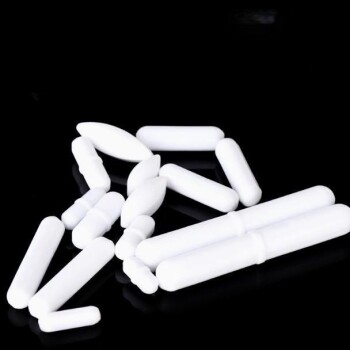
Custom PTFE Teflon Parts Manufacturer PTFE Magnetic Stirring Bar
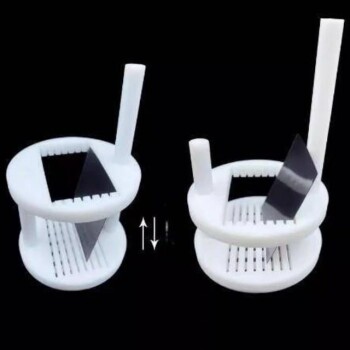
Custom PTFE Teflon Parts Manufacturer Adjustable Height Flower Basket
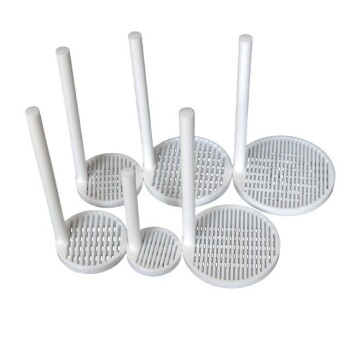
Custom PTFE Teflon Parts Manufacturer PTFE Cleaning Rack
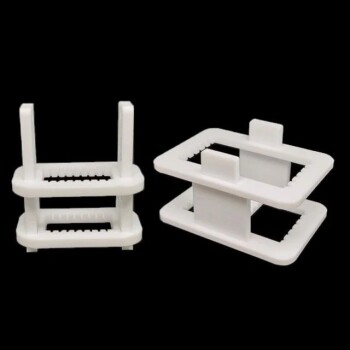
Custom PTFE Teflon Parts Manufacturer Conductive Glass Substrate Cleaning Rack
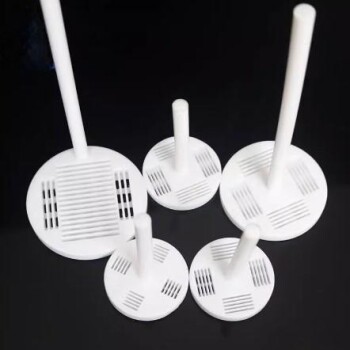
Custom Machined Molded PTFE Teflon Parts Manufacturer for Laboratory ITO FTO Conductive Glass Cleaning Flower Basket