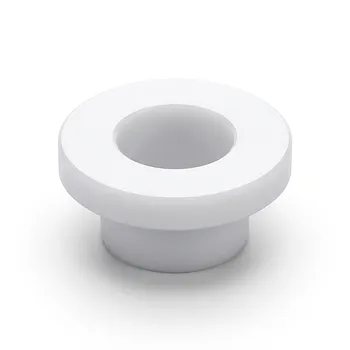
In short, the primary advantages of PTFE bushings are their ability to operate without external lubrication, their exceptionally low friction, and their outstanding resistance to both high temperatures and harsh chemicals. This unique combination makes them a superior choice for demanding applications where traditional lubricated bearings would fail.
The core value of PTFE bushings is their "install and forget" nature. They provide clean, maintenance-free, and reliable performance in environments—from chemical processing to food manufacturing—that are too corrosive, too hot, or too sensitive for contamination-prone grease and oil.
The Core Engineering Advantages Explained
Polytetrafluoroethylene (PTFE) is an engineered polymer with a unique set of properties. These characteristics translate directly into tangible performance benefits when it is used as a bushing material.
Exceptionally Low Coefficient of Friction
PTFE has one of the lowest coefficients of friction of any solid material. This property ensures smoother, more efficient mechanical operation with less energy loss and heat generation.
True Self-Lubrication
These bushings operate completely dry, requiring no oil, grease, or other external lubricants. This "self-lubricating" nature is inherent to the material itself, as it transfers a thin film to the mating surface during initial operation.
Superior Chemical Inertness
PTFE is virtually inert and does not react with the vast majority of industrial chemicals, acids, and bases. This makes it an ideal choice for equipment in chemical processing, pharmaceutical, and food and beverage industries.
Wide Operating Temperature Range
PTFE bushings maintain their structural integrity and performance characteristics across an extremely broad temperature spectrum, typically from -200°C to +260°C (-328°F to +500°F).
High Load and Velocity Capacity
Despite being a polymer, modern PTFE bushings are engineered to withstand significant loads and high sliding velocities. This allows them to function reliably in demanding mechanical assemblies.
Understanding the Trade-offs and Variations
While PTFE offers significant advantages, it's crucial to understand its limitations and how material composition affects performance. Unmodified PTFE is not the solution for every problem.
The Challenge of Pure PTFE
Virgin, or "unfilled," PTFE can be relatively soft and may exhibit deformation or "creep" under very heavy, static loads. Its wear resistance, while good, may not be sufficient for highly abrasive conditions.
The Role of Fillers (e.g., Carbon)
To enhance its mechanical properties, PTFE is often blended with fillers. For example, 25% carbon-filled PTFE bushings offer significantly increased compressive strength and greater wear tolerance.
Carbon also improves thermal conductivity, helping to dissipate heat more effectively, and provides static dissipative properties by increasing electrical conductivity. Other common fillers include glass, bronze, and graphite, each offering a different balance of properties.
How This Translates to Practical Benefits
The engineering properties of PTFE deliver clear, real-world advantages in terms of cost, reliability, and operational cleanliness.
Reduced Maintenance and Costs
The self-lubricating nature of PTFE eliminates the need for regular greasing schedules and the associated labor costs and downtime. This leads to a lower total cost of ownership over the application's life.
Extended Service Life
By minimizing friction and wear, PTFE bushings protect both themselves and the shafts they support. This results in longer-lasting components and more reliable machinery.
Cleaner and Quieter Operation
The absence of liquid lubricants means no drips, smears, or contamination, which is critical for food, medical, and textile applications. The low-friction sliding also results in quieter operation compared to many metal-on-metal bearings.
Making the Right Choice for Your Application
Selecting the right bushing depends entirely on your primary operational goal.
- If your primary focus is eliminating maintenance and contamination: Standard PTFE bushings are an excellent choice for their self-lubricating and non-stick properties.
- If your primary focus is performance in corrosive or extreme temperature environments: PTFE's chemical inertness and wide temperature range make it one of the most reliable options available.
- If your primary focus is supporting high compressive loads or managing static electricity: A carbon-filled PTFE variant will provide the necessary strength and dissipative properties that pure PTFE lacks.
By understanding these core benefits, you can confidently specify PTFE bushings for applications that demand reliability and performance with minimal upkeep.
Summary Table:
| Advantage | Description | Benefit |
|---|---|---|
| Self-Lubrication | Operates dry without external grease or oil. | Eliminates maintenance, prevents contamination. |
| Low Friction | One of the lowest coefficients of friction of any solid. | Smoother operation, less energy loss, quieter. |
| Chemical Resistance | Inert to most acids, bases, and industrial chemicals. | Ideal for chemical processing, pharmaceutical, and food industries. |
| Wide Temperature Range | Performs from -200°C to +260°C (-328°F to +500°F). | Reliable in extreme hot or cold environments. |
| High Load/Velocity Capacity | Engineered to withstand significant loads and speeds. | Durable performance in demanding mechanical assemblies. |
Ready to specify the right PTFE bushing for your application?
At KINTEK, we specialize in manufacturing high-performance PTFE components, including custom bushings, seals, liners, and labware. Whether you need the pure chemical resistance of standard PTFE or the enhanced strength and static-dissipative properties of carbon-filled variants, our precision production and custom fabrication services—from prototypes to high-volume orders—ensure you get a solution tailored to your exact needs in the semiconductor, medical, laboratory, and industrial sectors.
Contact us today to discuss how our PTFE expertise can deliver reliable, maintenance-free performance for your equipment. Get in touch via our contact form for a consultation.
Visual Guide

Related Products
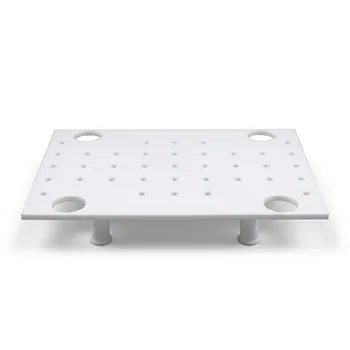
- PTFE Anti Scald Heat Insulation Sleeve Hot Plate Support Feet Laboratory Benchtop Protection Customizable Thermal Barrier
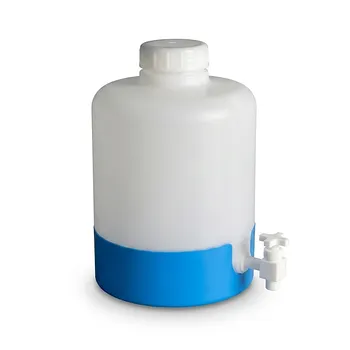
- High Corrosion Resistant PTFE Faucet Polytetrafluoroethylene Valve for Chemical Storage Drums and Fluid Transfer Systems Customizable Industrial Grade
- Customizable PTFE Rods for Advanced Industrial Applications
- Customizable High Temperature Resistant Anti Static PTFE Insulating Gaskets Flame Retardant Corrosion Proof Industrial Seals
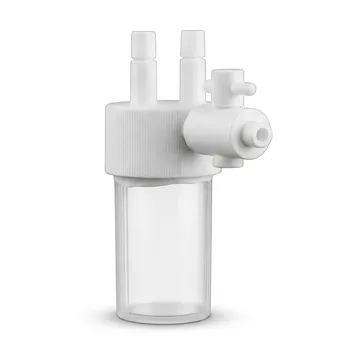
- Custom PTFE Reaction Lid with Integrated Valve and Fitting Corrosion Resistant No Leaching PFA FEP Bottle Cap System
People Also Ask
- Why does PTFE exhibit low levels of extractables? The Key to High-Purity Performance
- What are the temperature limits for PTFE in machining applications? Managing Thermal Expansion for Precision Parts
- Why is PTFE valuable in automotive and aerospace industries? The Ultimate Material for Extreme Environments
- How is PTFE manufactured? Unlocking the Secrets of a High-Performance Polymer
- What are the general characteristics of PTFE? Master Extreme Performance with This High-Performance Polymer