All Questions
How Is Mos2 (Moly) Typically Combined In Ptfe Applications? Synergistic Fillers For Low Friction
Learn why MoS2 is used as a synergistic additive with glass or bronze fillers in PTFE to reduce friction, improve wear, and enhance performance.
What Is The Purpose Of Using Mos2 (Moly) As A Filler In Ptfe? Enhance Wear Resistance & Load Capacity
Learn how MoS2 transforms PTFE into a superior self-lubricating composite, boosting wear resistance, hardness, and performance in dry environments.
What Is A Potential Drawback Of Using Stainless Steel Filler In Ptfe? Balancing Durability And System Wear
Learn the key trade-off of stainless steel-filled PTFE: its abrasive nature can damage mating surfaces. Essential for engineers in material selection.
What Are The Advantages Of Stainless Steel Filler In Ptfe? Boost Strength & Performance For Demanding Applications
Discover how stainless steel-filled PTFE enhances strength, wear resistance, and high-temperature performance for industrial, semiconductor, and medical applications.
What Are The Disadvantages Of Using Bronze As A Filler In Ptfe? Trade-Offs In Chemical & Non-Stick Properties
Explore the trade-offs of bronze-filled PTFE: reduced chemical resistance and non-stick properties in exchange for enhanced mechanical strength and conductivity.
What Are The Benefits Of Using Bronze As A Filler In Ptfe? Enhance Wear, Creep & Thermal Performance
Discover how bronze filler transforms PTFE into a stronger, more conductive material for demanding mechanical applications, with key trade-offs explained.
How Is Graphite Filler Typically Used In Ptfe? Enhance Wear Resistance & Self-Lubrication
Learn how graphite filler transforms PTFE into a high-performance composite, improving wear resistance, self-lubrication, and mechanical strength.
What Property Does Graphite Filler Provide To Ptfe? Achieve Superior Self-Lubrication And Low Friction
Graphite filler transforms PTFE into a self-lubricating material, significantly reducing friction for dynamic seals and bearings without external lubricants.
Is Carbon Filler More Or Less Abrasive Than Glass Filler In Ptfe? Protect Your Mating Surfaces
Carbon-filled PTFE is less abrasive than glass-filled PTFE. Learn the key differences in wear, strength, and chemical resistance for your application.
How Does Carbon Filler Improve Ptfe? Boost Strength, Wear & Thermal Performance
Learn how carbon filler transforms PTFE into a high-performance composite, enhancing compressive strength, wear resistance, and thermal conductivity.
What Is The Disadvantage Of Using Glass As A Filler In Ptfe? The Critical Trade-Off For Wear Resistance
Learn why glass-filled PTFE's key disadvantage is abrasiveness, a critical factor for material selection in seals and bearings.
What Are The Advantages Of Using Glass As A Filler In Ptfe? Enhance Strength And Wear Resistance
Discover how glass-filled PTFE improves compressive strength, wear resistance, and creep performance while maintaining chemical inertness for demanding applications.
What Are The General Benefits Of Using Fillers In Ptfe? Enhance Wear, Strength, And Thermal Performance
Learn how fillers like glass, carbon, and steel transform PTFE into a high-performance composite by improving wear resistance, reducing creep, and enhancing thermal conductivity.
Why Is Low Coefficient Of Friction Particularly Important In Modern Bridge Design? It Prevents Destructive Stress From Thermal Expansion
Learn why a low coefficient of friction in PTFE bridge bearings is essential for managing thermal expansion and ensuring structural safety in modern bridges.
What Are The Additional Benefits Of Ptfe In Bridge Bearing Design? Enhance Durability & Lower Maintenance Costs
Discover PTFE's superior benefits for bridge bearings: extreme temperature tolerance, chemical inertness, and minimal maintenance for long-term structural integrity.
How Does Ptfe Perform When Bearing Surfaces Become Contaminated? Maintain Reliable Performance In Unclean Environments
Discover why PTFE bearings excel in contaminated environments, offering stable low friction, self-lubrication, and chemical resistance without relying on external lubricants.
What Is Stick-Slip Action And How Does Ptfe Prevent It? Achieve Perfectly Smooth Motion
Learn how PTFE's unique friction properties eliminate stick-slip for precision control in semiconductor, medical, and lab equipment.
What Are The Two Common Application Methods For Ptfe In Slide Bearings? A Guide To Linear And Rotational Movement
Learn the two main PTFE slide bearing types: flat plates for linear movement and curved surfaces for rotation. Choose the right method for your structural needs.
How Does Ptfe's Coefficient Of Friction Compare To Other Materials? Discover The Slipperiest Solid
PTFE's coefficient of friction (0.04-0.1) is lower than Nylon, Acetal, and even lubricated steel. Learn why it's the benchmark for low-friction applications.
Why Are Ptfe Slide Bearings Advantageous For Highway Bridges? Key Benefits For Durable, Low-Maintenance Structures
Discover why PTFE slide bearings are essential for highway bridges, offering low friction, high load capacity, and minimal maintenance for long-term structural integrity.
What Should Be Considered When Using Ptfe In Specialized Applications? Mastering Its Unique Properties For Optimal Performance
Learn key considerations for using PTFE in specialized applications, including thermal expansion, chemical inertness, low friction, and safety protocols.
What Is The Temperature Resistance Performance Of Ptfe? Master Its -200°C To +260°C Range
Learn about PTFE's temperature resistance from -200°C to +260°C. Discover its optimal performance window, cryogenic stability, and material trade-offs.
What Does The Material Compatibility Chart Indicate About Ptfe? A Guide To Its Broad Chemical Resistance
Understand PTFE's chemical resistance and key limitations from compatibility charts. Learn why application-specific testing is essential for critical uses.
How Is Ptfe Utilized In Food Processing Lines? Enhance Safety, Efficiency & Equipment Lifespan
Discover how PTFE's non-stick, chemical-resistant, and heat-resistant properties solve key challenges in food processing, from hygiene to efficiency.
In What Applications Is Ptfe Commonly Used Due To Its Chemical Resistance? Essential For Chemical, Pharma, And Oil & Gas
Discover why PTFE's chemical inertness makes it vital for seals, gaskets, and linings in chemical processing, pharmaceuticals, oil & gas, and food production.
How Can The Limitations Of Ptfe Be Improved? Enhance Performance With Filled Ptfe Compounds
Learn how adding fillers like glass or carbon to PTFE improves wear resistance and mechanical strength, addressing its key weaknesses for demanding applications.
What Are The Limitations Of Ptfe When Used As A Mechanical Component? Overcoming Softness & Instability
Explore PTFE's mechanical limitations like softness and thermal expansion, and learn how filled grades enhance strength for demanding applications.
What Is Ptfe And Why Is It Popular For Plastic Bearings? Unlock Maintenance-Free, High-Performance Design
Explore why PTFE's self-lubricating properties, chemical resistance, and wide temperature range make it ideal for plastic bearings in demanding applications.
How Is Ptfe Utilized In The Electronics And Electrical Industries? | Critical Applications & Benefits
Explore how PTFE's superior electrical insulation, thermal stability, and chemical resistance ensure reliability in electronics, from PCBs to semiconductors.
What Role Does Ptfe Play In The Printing And Packaging Industry? Enhancing Efficiency And Quality
Discover how PTFE's non-stick, heat-resistant properties solve adhesion and contamination issues in printing and packaging processes.
How Is Ptfe Used In Industrial Processes? Maximize Safety And Efficiency
Explore PTFE's industrial uses: high-performance coatings, fluid handling components, and custom parts for superior chemical and thermal resistance.
What Are Some Applications Of Ptfe In The Food Processing Industry? Improve Efficiency And Safety
Explore PTFE's role in food processing: non-stick conveyor belts, chemical-resistant seals, and hygienic components for reliable, safe operations.
Why Is Ptfe Used In Electrical Insulation? Superior Performance In Extreme Conditions
Discover why PTFE is the top choice for electrical insulation, offering high dielectric strength, thermal stability, and chemical resistance for demanding applications.
How Does Ptfe Contribute To Low Friction And Wear Resistance? Achieve Superior Performance With Advanced Materials
Learn how PTFE's molecular structure provides low friction and self-lubrication, and how fillers enhance wear resistance for demanding applications.
What Makes Ptfe Chemically Resistant? The Power Of Fluorine's Protective Shield
Discover why PTFE's strong carbon-fluorine bonds and fluorine sheath make it inert to acids, bases, and solvents, ensuring reliable performance.
What Are The Nonstick Properties Of Ptfe? Unlocking Superior Performance For Demanding Applications
Discover how PTFE's unique molecular structure delivers exceptional nonstick properties, chemical inertness, and high-temperature stability for industrial use.
What Is Meant By The Percentage Of Ptfe Content? Fine-Tune Material Properties For Your Application
Learn how the percentage of PTFE content in composites determines mechanical strength, wear resistance, and chemical inertness for specific uses.
What Tests Are Conducted On Ptfe Sliding Rubber Bearings? Ensure Your Structure's Safety And Movement
Learn about the critical PTFE-specific tests—friction coefficient, loading, and wear resistance—essential for validating structural bearing performance.
What Are The Two Production Methods For Ptfe Sliding Bearing Pads? A Guide To Manufacturing Choices
Learn the two main PTFE bearing pad production methods: two-step bonding vs. integrated vulcanization. Compare cost, complexity, and bond integrity.
How Does The Price Of Ptfe Sliding Pads Compare To Regular Rubber Bearings? A Guide To High-Performance Vs. Standard Components
PTFE sliding pads cost more than rubber bearings due to their advanced sliding system. Learn when the investment is essential for your project's performance.
What Are The Advantages Of Ptfe Sliding Rubber Bearings? Achieve Low-Friction, Maintenance-Free Structural Movement
Discover the key benefits of PTFE sliding rubber bearings: low friction, high load capacity, and maintenance-free operation for bridges and heavy structures.
How Does The Ptfe Sliding Pad Function Smoothly? An Inside Look At Low-Friction Engineering
Learn how PTFE sliding pads use low-friction PTFE, polished steel, and lubrication to enable smooth movement under heavy structural loads.
What Are The Main Components Of A Ptfe Sliding Pad? A Simple Two-Part System For Low-Friction Movement
Learn the core components of a PTFE sliding pad: the PTFE plate, stainless steel surface, and backing plates. Understand their function for low-friction, high-load applications.
What Is A Ptfe Sliding Rubber Bearing Pad And Its Primary Use? Essential For Bridge & Building Movement
Learn how PTFE sliding rubber bearing pads support heavy vertical loads while allowing controlled horizontal movement in bridges and large buildings.
What Are Some Common Applications Of Ptfe Seals? Engineered For Extreme Chemical, Temperature, And Pressure Challenges
Explore the critical uses of PTFE seals in aerospace, chemical processing, medical, and food industries for superior performance in harsh environments.
What Are The Key Features And Benefits Of Ptfe Lip Seals? Superior Performance For Extreme Conditions
Discover how PTFE lip seals offer extreme temperature tolerance, chemical inertness, and high-speed capability for demanding industrial applications.
What Metal Options Are Available For The Casing Of Ptfe Rotary Lip Seals? A Guide To Material Selection
Compare stainless steel, cold rolled steel, zinc-plated steel, and aluminum casings for PTFE seals. Select the right material for your application's needs.
What Are The Standard Gasket Choices For Ptfe Rotary Lip Seals? Ensure Total System Reliability
Compare FKM, NBR, EPDM, and reinforced paper gaskets for PTFE seals. Learn how to select the right material for temperature, chemical, and cost requirements.
What Materials Are Used To Make Ptfe Rotary Lip Seals? An Inside Look At Their Engineered Design
Discover the multi-material construction of PTFE rotary seals, including PTFE composites, metal housings, and elastomeric energizers for harsh environments.
What Are The Advantages Of A Ptfe Rotary Lip Seal Not Being Spring-Energized? Achieve Superior High-Speed Performance
Discover how non-spring-energized PTFE seals enable high-speed operation up to 10,000 sfpm with reduced friction and heat generation.
How Does A Ptfe Rotary Lip Seal Work? Unlock Low-Friction Sealing For Demanding Applications
Learn how PTFE rotary lip seals use a low-friction lip to seal against rotating shafts, ideal for high speeds, harsh chemicals, and dry-running conditions.
Why Did Ptfe Seals Fall Out Of Favor In The 1950S And 1960S? A Lesson In Material Misunderstanding
Discover why early PTFE seals failed due to cold flow, thermal expansion, and lack of elastic memory, and how modern engineering solved these issues.
When Was Ptfe Resin Discovered And When Did It Gain Notice As A Rotary Lip Seal Material?
PTFE was discovered in 1938 but its use in rotary lip seals began in the 1950s. Learn why this high-performance material is ideal for demanding applications.
What Are The Basic Shapes Of Molded Ptfe Materials Available? A Guide To Stock Forms & Machining
Learn about standard PTFE stock shapes like rods, tubes, and plates, and why they are essential for machining custom components.
What Are The Benefits Of Ptfe In Electrical Generation And Distribution? Ensure Safety And Reliability
Discover how PTFE's superior electrical insulation, high-temperature resistance, and durability enhance safety and longevity in electrical systems.
What Types Of Ptfe Components Are Used In The Gas And Oil Industry? Enhance Reliability In Extreme Conditions
Explore high-performance PTFE seals, gaskets, and expansion joints for oil and gas. Engineered for extreme pressure, temperature, and chemical resistance.
How Is Ptfe Utilized In The Semiconductor Industry? Essential For High-Purity And Yield
Discover how PTFE's chemical inertness and non-stick properties prevent contamination in semiconductor wafer handling and fluid management.
What Are Some Specific Uses Of Ptfe In Chemical Handling? Enhance Safety And Reliability In Your Process
Discover how PTFE seals, liners, and components ensure chemical inertness and durability in corrosive environments for industrial and laboratory applications.
What Types Of Industries And Applications Utilize Ptfe Parts? Discover The Versatility Of Ptfe
Learn how PTFE parts are used in chemical processing, aerospace, medical, electronics, and food production for superior performance and reliability.
What Are The Benefits Of Using Ptfe In Ball Valve Seats And Y Strainer Seals? Achieve Superior Chemical Resistance And Low Friction
Discover how PTFE's chemical inertness, low friction, and temperature stability create durable, leak-proof seals for valves and strainers in demanding industries.
How Is Ptfe Used In Ball Valves And Y Strainers? Essential For Leak-Proof Seals & Chemical Resistance
Discover how PTFE's chemical inertness, low friction, and temperature stability make it the ideal material for seals in ball valves and Y strainers.
What Are The Key Product Features Of Teflon Lip Seals? Engineered For Extreme Performance
Discover the key features of Teflon (PTFE) lip seals: extreme temperature, chemical resistance, low friction, and high-pressure capability for demanding applications.
What Are Some Specific Applications Of Teflon Lip Seals In Industrial Machinery? Engineered For Extreme Conditions
Explore how Teflon (PTFE) lip seals excel in demanding applications like pumps, compressors, and aerospace systems, handling extreme temperatures, pressures, and chemicals.
In What Industries Are Teflon Lip Seals Commonly Used? Essential For Extreme Chemical & Temperature Resistance
Discover why Teflon (PTFE) lip seals are critical in chemical processing, oil & gas, pharmaceutical, food & beverage, and aerospace industries.
What Are The Advantages Of Using Teflon Lip Seals? Achieve Unmatched Reliability In Extreme Conditions
Discover the key benefits of Teflon (PTFE) lip seals, including extreme temperature stability, chemical inertness, and high-speed performance.
What Are The Main Components Of A Teflon Lip Seal? A Guide To Reliable Ptfe Sealing
Learn about the main components of a Teflon lip seal, including the PTFE element, cases, gasket, and spacer, for robust sealing solutions.
When Might A Thicker Teflon Lip Seal Design Be Used? For High-Wear, Unlubricated Applications
Learn when a thicker Teflon lip seal is ideal for high-wear, dry-running conditions to extend service life and prevent premature failure.
How Is The Body Of A Teflon Lip Seal Typically Secured? Achieve Superior Sealing With Mechanical Clamping
Learn how Teflon lip seals are secured via metal cases for robust, non-rotating performance in demanding applications like semiconductor and medical equipment.
How Does The Design Of A Teflon Lip Seal Accommodate Ptfe's Stiffness? Leverage Geometry For Flexibility
Discover how a thin, flexible lip design overcomes PTFE's rigidity for dynamic sealing in demanding chemical, thermal, and high-speed applications.
What Are The Key Characteristics Of Ptfe That Make It Suitable For Lip Seals? Engineered For Extreme Performance
Discover why PTFE's chemical inertness, low friction, and wide temperature range make it ideal for high-performance lip seals in demanding applications.
What Is A Teflon Lip Seal And What Material Is It Made From? The Ultimate Guide To High-Performance Ptfe Seals
Learn about Teflon (PTFE) lip seals for extreme temperatures, high speeds, and chemical resistance. Ideal for demanding industrial applications.
What Size Range Do Ptfe Balls Come In? A Guide From 3Mm To 100Mm
Discover the standard PTFE ball size range (3mm-100mm), key specs like tolerance & TIR, and how to select the right one for your application.
What Industries Commonly Use Ptfe Balls? Essential For Chemical, Pharma, And Food Processing
Discover why PTFE balls are vital in chemical, pharmaceutical, and food industries due to their chemical inertness, low friction, and high purity.
What Advantage Does The Low Coefficient Of Friction Of Ptfe Balls Provide? Boost Durability And Efficiency
Discover how PTFE's low friction coefficient minimizes wear, ensures smooth operation, and improves energy efficiency in mechanical systems.
How Are Ptfe Balls Used In The Pharmaceutical Industry? Ensuring Product Purity And Safety
Explore the critical role of PTFE balls, seals, and components in pharmaceutical manufacturing for contamination-free processing and FDA compliance.
What Temperature Range Can Ptfe Balls Withstand? Unlock Extreme Thermal Stability From -200°C To 260°C
Learn the precise temperature limits for PTFE balls, including continuous use, peak tolerance, and cryogenic performance for demanding applications.
What Makes Ptfe Balls Ideal For Chemical Applications? Unmatched Inertness For Demanding Environments
Discover why PTFE balls excel in chemical applications with superior chemical inertness, low friction, and high thermal stability up to 260°C (500°F).
Why Are Ptfe Balls Suitable For Filtering Applications? Ensuring Reliable Fluid Control In Demanding Systems
Discover how PTFE balls prevent valve clogging & corrosion in filtering systems with their chemical inertness, non-stick surface, and low friction.
What Are The Common Applications Of Ptfe Balls? Leverage Unmatched Chemical Resistance & Low Friction
Explore the key uses of PTFE balls in chemical pumps, valves, bearings, and labs, driven by their inertness and self-lubrication.
What Are Ptfe Balls Made Of And What Are Their Key Properties? Unlock Superior Chemical & Thermal Performance
Explore the composition of PTFE balls, from virgin to filled grades, and their key properties like chemical inertness, low friction, and thermal stability.
What Are Some Other Miscellaneous Uses Of Teflon? From Aerospace To Medical Devices
Explore Teflon's key properties—chemical inertness, low friction, and heat resistance—and its applications in aerospace, medical, and industrial fields.
What Are The Medical Uses Of Teflon? Essential For Safe, Non-Reactive Medical Devices
Explore the key medical uses of Teflon (PTFE) for implants, catheters, and surgical tools, leveraging its biocompatibility and low friction for patient safety.
How Does Teflon Benefit The Construction Industry? Building Safer, More Durable Structures
Explore how Teflon (PTFE) enhances construction with low friction, chemical resistance, and insulation for bridges, pipes, and electrical systems.
What Are The Applications Of Teflon In The Automotive Industry? Enhance Vehicle Performance & Durability
Explore how Teflon (PTFE) coatings, seals, and liners reduce friction, prevent leaks, and resist corrosion in automotive systems for improved efficiency and longevity.
How Is Teflon Used In The Electronics And Semiconductor Industry? The Key To High-Performance And Purity
Explore how Teflon's superior electrical insulation and chemical inertness are critical for high-frequency electronics and semiconductor manufacturing.
What Are The Differences Between Virgin Ptfe And Mechanical Ptfe? Select The Right Grade For Your Application
Learn the key differences between virgin and mechanical PTFE, including purity, performance, and cost, to make the best material choice for your project.
Why Is It Important To Specify Reinforcement Requirements When Selecting Ptfe Materials? Ensure Component Performance & Reliability
Learn how specifying PTFE reinforcement (glass, ceramic) controls electrical, mechanical & thermal properties for semiconductor, medical & lab applications.
What Are The Disadvantages Of Unreinforced Ptfe Laminates? Navigating Manufacturing Challenges For High-Frequency Performance
Explore the key disadvantages of unreinforced PTFE laminates, including manufacturing complexity and performance risks, and how to mitigate them.
What Are The Advantages Of Unreinforced Ptfe Laminates? Achieve Ultimate Signal Integrity For High-Frequency Designs
Discover how unreinforced PTFE laminates eliminate signal distortion for superior phase accuracy in radar and millimeter-wave applications.
What Is The Difference Between Ceramic-Reinforced And Ceramic-Filled Ptfe Laminates? Optimize Your High-Frequency Pcb Design
Discover the key differences between ceramic-filled and ceramic-reinforced PTFE laminates for superior signal integrity and thermal management.
What Is The Advantage Of Using Spread/Flat Glass Reinforcement In Ptfe Laminates? Achieve Superior Signal Integrity For High-Frequency Electronics
Discover how spread/flat glass reinforcement in PTFE laminates eliminates phase skew and the fiber weave effect for radar and 5G applications.
How Do Different Glass Weave Styles Affect Phase Response In Rf Pcbs? Ensure Phase Coherence For High-Frequency Designs
Learn how glass weave style impacts PCB dielectric uniformity and phase response, critical for RF, radar, and high-speed digital applications.
What Are The Common Types Of Glass Reinforcements Used In Ptfe-Based Materials? Optimize Performance For Your Application
Explore common glass reinforcements (106, 1078, 1080, spread weaves) for PTFE composites and their impact on mechanical & electrical properties.
What Role Do Ceramic Fillers Play In Ptfe Laminates? Enhance Signal Integrity & Thermal Performance
Learn how ceramic fillers in PTFE laminates improve mechanical stability, thermal management, and electrical performance for high-frequency electronics.
Why Are Ptfe-Based Materials Preferred For Rf Pcb Designs? Achieve Superior Signal Integrity At High Frequencies
Discover why PTFE's low dielectric constant, minimal signal loss, and environmental stability make it the top choice for reliable RF and microwave PCB performance.
What Are The Main Components Of Ptfe-Based Materials Used In Rf Pcb Designs? The Engineered Composite Breakdown
Learn about the PTFE matrix, reinforcement, and ceramic fillers that define high-performance RF PCB laminates for superior signal integrity.
What Factors Affect The Choice Between Teflon And Parchment For Heat Pressing? Achieve The Perfect Finish Every Time
Learn the key differences between Teflon sheets and parchment paper for heat pressing, including finish, durability, and heat transfer properties.
Is Teflon Always Necessary For Heat Transfer Applications? Weighing Protection Vs. Precision
Discover when to use a Teflon sheet for heat pressing and when it can hinder your results. Learn the trade-offs between protection and heat precision.
Why Might Ink Appear On A Teflon Sheet During Pressing? Prevent Contamination & Ghosting
Learn why ink transfers to your Teflon sheet during heat pressing and how to prevent it for flawless, professional results every time.
What Are Some Potential Drawbacks Of Using Teflon Sheets? Heat Transfer, Slippage & Safety Risks
Learn the key limitations of Teflon sheets, including heat interference, misalignment risks, and high-temperature fume hazards for safer, better results.
Related Products
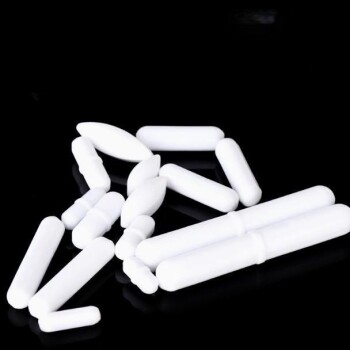
Custom PTFE Teflon Parts Manufacturer PTFE Magnetic Stirring Bar
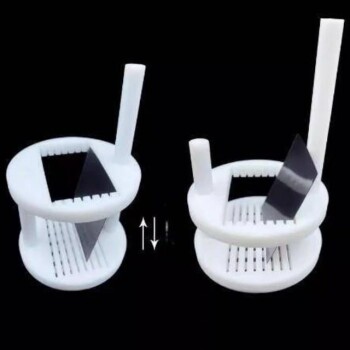
Custom PTFE Teflon Parts Manufacturer Adjustable Height Flower Basket
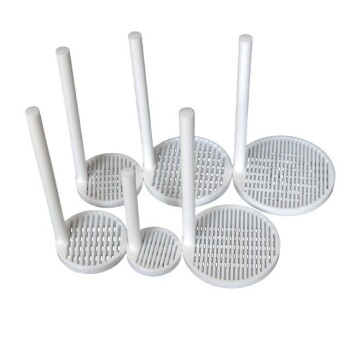
Custom PTFE Teflon Parts Manufacturer PTFE Cleaning Rack
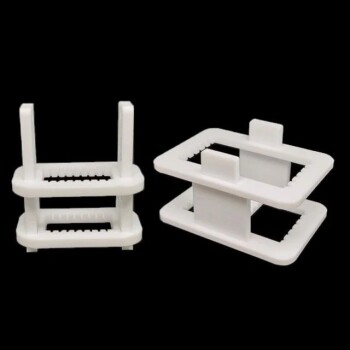
Custom PTFE Teflon Parts Manufacturer Conductive Glass Substrate Cleaning Rack
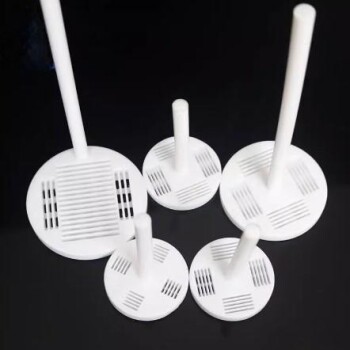
Custom Machined Molded PTFE Teflon Parts Manufacturer for Laboratory ITO FTO Conductive Glass Cleaning Flower Basket