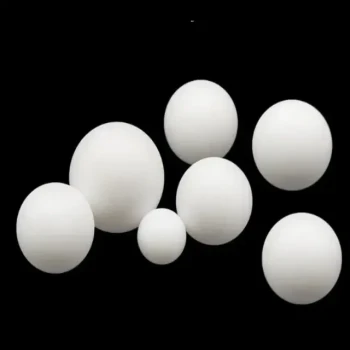
The defining characteristic that makes PTFE balls ideal for chemical applications is their exceptional, near-universal chemical inertness. This unique property, combined with a low coefficient of friction and high thermal stability, allows them to perform reliably in aggressive environments where most other materials would quickly degrade, contaminate the process, or fail entirely.
The core reason PTFE is trusted in demanding chemical applications isn't just one property, but a powerful combination: its almost complete immunity to chemical attack, coupled with physical properties like low friction and high-temperature tolerance, ensures operational reliability and prevents process contamination.
The Foundation: Unmatched Chemical Inertness
The primary reason PTFE is specified for chemical handling is its ability to withstand chemical attack. This single characteristic prevents a cascade of common failures seen with lesser materials.
Resisting a Broad Spectrum of Chemicals
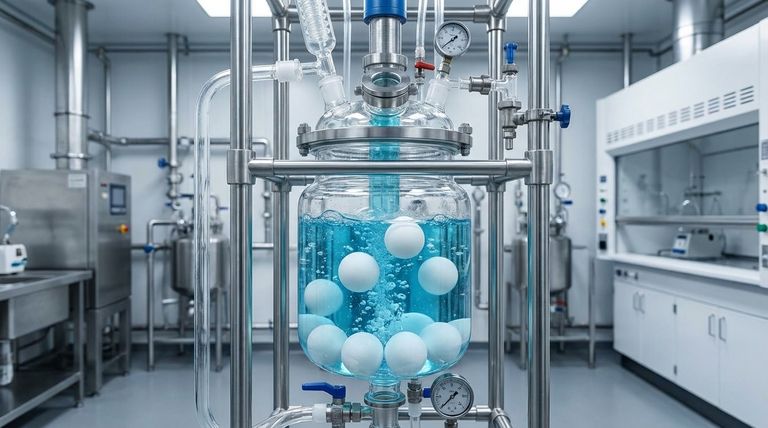
PTFE (Polytetrafluoroethylene) is resistant to nearly all industrial chemicals, including aggressive acids, bases, solvents, and salts.
Unlike other plastics that may have specific weaknesses, PTFE’s robust chemical structure remains stable and undamaged across this wide range.
Ensuring Process Purity
Because PTFE is chemically inert and non-toxic, it does not react with the fluids it contacts. This is critical for preventing contamination.
In industries like pharmaceuticals, food manufacturing, and biotech, this property ensures the final product remains pure and unadulterated.
Maintaining Long-Term Structural Integrity
The material's resistance to chemical degradation means it maintains its shape, smoothness, and strength over long periods of service.
This long-term reliability is crucial in critical applications like pumps and valves, where material failure could lead to leaks of dangerous chemicals.
Superior Performance in Demanding Conditions
Beyond simple chemical resistance, PTFE’s physical properties make it uniquely suited for the dynamic environments found inside chemical processing equipment.
Exceptionally Low Friction
PTFE has one of the lowest coefficients of friction of any solid material, giving it a non-stick, self-lubricating surface.
In applications like check valves, this ensures the ball can move freely to control flow without sticking or seizing, even after extended periods. This property also makes components easy to clean.
High-Temperature Stability
PTFE maintains its excellent properties across a wide operating temperature range, remaining stable in continuous use at temperatures up to 260°C (500°F).
This allows it to be used in high-temperature chemical processes where many other plastics would melt or deform.
Proven Durability and Service Life
The material is known for its long flex life and overall durability.
This translates to reduced maintenance and replacement costs, making it an ideal choice for critical equipment that must operate continuously without failure.
Understanding the Trade-offs
While its properties are exceptional, PTFE is not the ideal solution for every single application. An objective assessment requires acknowledging its limitations.
Considerations for Mechanical Stress
PTFE is a relatively soft material. Under high static loads or pressure, it can be susceptible to "creep" or cold flow, where the material slowly deforms over time.
For high-pressure sealing applications, this must be a design consideration.
Abrasion Resistance
In applications involving abrasive slurries or fluids with hard particulates, PTFE's softness can make it less resistant to wear than harder plastics or ceramics.
In these specific cases, a more abrasion-resistant material may provide a longer service life.
Making the Right Choice for Your Application
Your final material selection should be guided by the most critical requirement of your system.
- If your primary focus is process purity and preventing contamination: PTFE's inert, non-toxic, and bio-compatible nature makes it the definitive choice.
- If your primary focus is reliability in moving parts like valves or pumps: The combination of near-universal chemical resistance and extremely low friction is unmatched.
- If your primary focus is handling aggressive chemicals at high temperatures: PTFE’s high thermal stability, in addition to its chemical inertness, provides a reliable solution where others fail.
Ultimately, selecting PTFE is a decision for unparalleled chemical resilience and long-term operational peace of mind.
Summary Table:
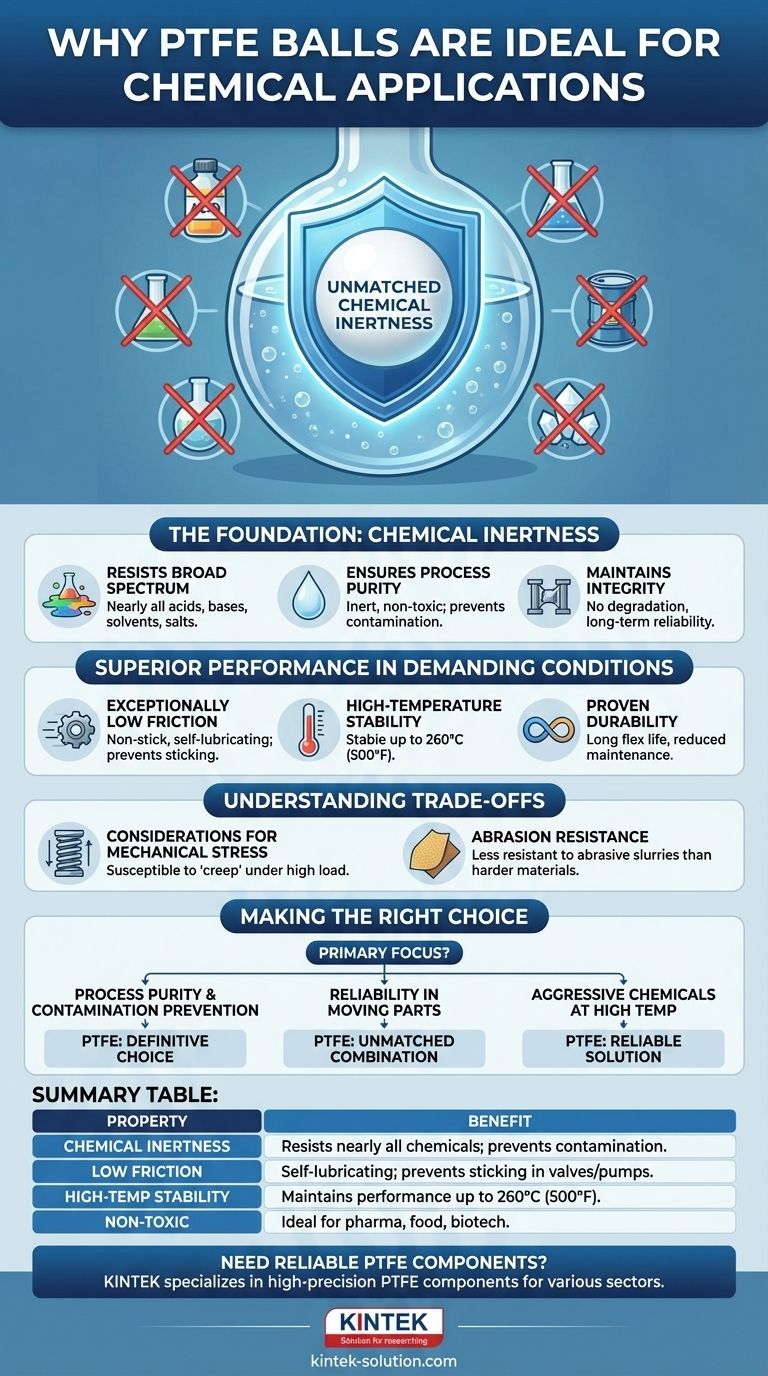
| Property | Benefit for Chemical Applications |
|---|---|
| Chemical Inertness | Resists nearly all acids, bases, and solvents; prevents contamination. |
| Low Coefficient of Friction | Self-lubricating; prevents sticking and seizing in valves and pumps. |
| High-Temperature Stability | Maintains performance in continuous use up to 260°C (500°F). |
| Non-Toxic & Bio-compatible | Ideal for pharmaceutical, food, and biotech industries. |
Need reliable PTFE components for your critical chemical processes?
At KINTEK, we specialize in manufacturing high-precision PTFE components, including seals, liners, and labware, for the semiconductor, medical, laboratory, and industrial sectors. Our custom fabrication services—from prototypes to high-volume orders—ensure you get components that deliver unmatched chemical resistance and long-term reliability.
Contact us today to discuss your specific requirements and get a quote!
Visual Guide
Related Products
- Custom PTFE Teflon Balls for Advanced Industrial Applications
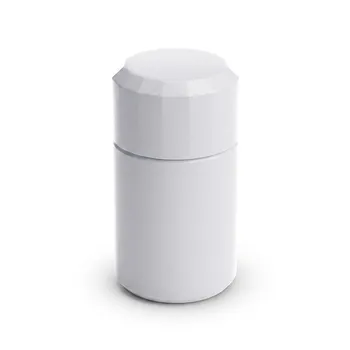
- Custom PTFE Ball Mill Grinding Jar 50ml Corrosion Resistant Low Background Lab Milling Vessel
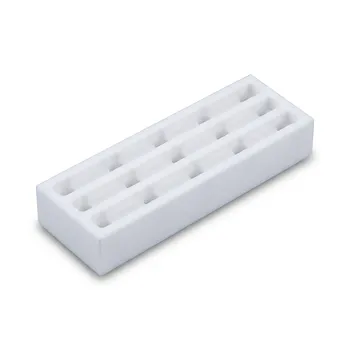
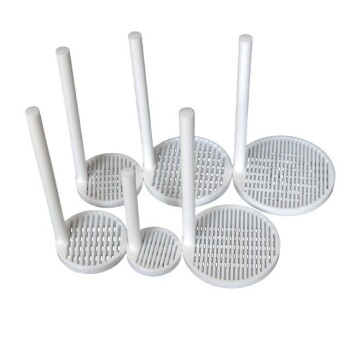
- Custom PTFE Laboratory Cleaning Basket Carrier High Purity Acid Base Resistant Wafer Holder Low Background Contamination Free Chemical Bath Rack
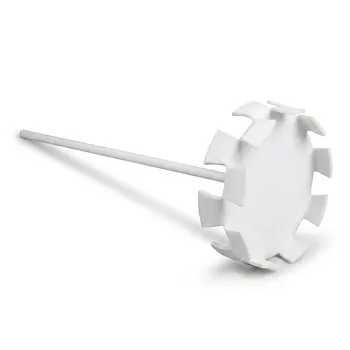
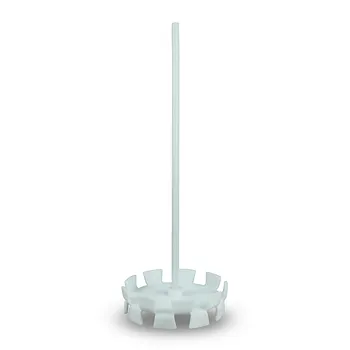
- PTFE Dispersion Disk Food Cosmetic Grade Non Stick Corrosion Resistant Large Stirring Paddle Customizable Impeller
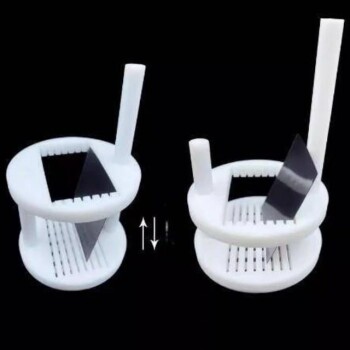
- Custom Machined Molded PTFE Teflon Parts Manufacturer for Laboratory ITO FTO Conductive Glass Cleaning Flower Basket
People Also Ask
- In what applications are PTFE balls highly functional? Ideal for Corrosive, Self-Lubricating Systems
- How do the chemical properties of PTFE balls influence their performance? Unmatched Durability in Harsh Environments
- What materials can PTFE balls be made from? Virgin, Modified, or Filled Compounds for Specific Performance
- What are the available grades of PTFE balls? Choose the Right Grade for Your Application
- What are the key properties of PTFE balls? Unlock Superior Performance for Demanding Applications