All Questions
Why Use Soluble Pfoa Salts In Ptfe Emulsion Polymerization? Key Solubility Role Explained
Learn why soluble PFOA salts like APFO are essential for stabilizing aqueous PTFE emulsion polymerization, unlike insoluble free acid.
How Do Alternative Apfo-Free Polymerization Aids Impact The Ssg And Particle Characteristics Of Emulsion-Polymerized Ptfe Resin? Key Insights For Density And Morphology
Discover how APFO-free aids affect PTFE's SSG and particle size, maintaining density and fine morphology for high-purity applications.
How Does Surfactant Concentration Affect Ptfe Particle Morphology And Product Performance?
Learn how surfactant concentration impacts PTFE particle shape and molecular weight, influencing product performance and processing.
Why Are Fully Fluorinated Monomer Structures Preferred For Critical Chemical Storage And Analytical Labware Over Partially Fluorinated Alternatives? Discover How Ptfe And Pfa Ensure Ultrapure, Corrosion-Resistant Performance.
Learn why PTFE and PFA outperform partially fluorinated polymers for chemical storage and analytical labware, ensuring purity and durability.
What Structural And Chemical Characteristics Give Ptfe Laboratory Products Their Exceptional Thermal Stability And Flame Resistance? Discover The Science Behind Ptfe's Outstanding Heat Resistance.
Explore how PTFE's strong C-F bonds, linear structure, and dense fluorine shield deliver unmatched thermal stability and flame resistance for lab use.
Why Is Minimizing Fluoride Evolution Important For Fluoropolymer Labware At High Temperatures? Key Thermal Stability Insights Explained
Discover why low fluoride evolution is critical for high-temp PTFE labware and how synthesis controls thermal stability for purity and durability.
How Does Thermal Stability And Fluoride Evolution Impact The Performance Of High-Temperature Ptfe Laboratory Vessels? Uncover The Key Factors For Reliable Operation.
Learn how thermal stability and fluoride evolution affect PTFE vessel performance, ensuring safe and contamination-free high-temperature lab processes.
Why Is Surfactant Residue Control During Ptfe Polymerization Critical For High-Purity Fluoropolymer Trace Analysis Labware? Essential For Accurate Results
Learn how residual surfactants impact PTFE labware purity, affecting trace analysis. Discover critical control measures for reliable results.
What Are The Structural And Physical Differences Between Fully Perfluorinated Polymers And Partially Fluorinated Polymers In Laboratory Material Selection? Key Factors For High-Performance Labware
Discover how fluorination affects chemical resistance, thermal stability, and mechanical properties. Choose the right polymer for your lab.
How Does Monomer Purity During Polymerization Of Fluoropolymers Affect High-Purity Lab Vessels? Key Factors Explained
Discover how monomer purity impacts fluoropolymer quality, ensuring chemical resistance, low extractables, and durability in lab vessels.
Why Are Chlorotrifluoroethylene (Ctfe) Modified Fluoropolymers Selected For Specialized Laboratory Components Requiring Dimensional Stability And Low Gas Permeability?
Discover why CTFE-modified fluoropolymers offer exceptional dimensional stability and low gas permeability for demanding lab components.
Why Is Raw Material Purity Control During Tfe Polymerization Crucial For Manufacturing Ultra-Pure Fluoropolymer Labware Used In Sensitive Chemical Applications?
Learn why ultra-pure TFE, water, and additives are vital for low-extractable, high-purity fluoropolymer labware in trace analysis.
How Does The Extremely High Melt Viscosity Of Ptfe Influence Manufacturing Quality And Permeation Resistance? Unlock Superior Performance With Precision Processing.
Learn how PTFE's high melt viscosity affects manufacturing and permeation, and why precision matters for critical components.
Why Is High-Molecular-Weight Granular Ptfe Preferred For Molding Rigid Lab Supplies? Key Insights For Material Selection.
Discover why granular PTFE beats fine powder for rigid labware molding and machining, focusing on morphology and processing.
What Are The Primary Types Of Perfluoroplastics Used In High-Purity Lab Apparatus And Fluid Handling? Discover Ptfe, Pfa, And Fep Applications.
Learn about PTFE, PFA, and FEP perfluoroplastics: their key characteristics, applications, and how to choose the right material for high-purity lab systems.
How Does Modifying Ptfe With Comonomers Like Perfluoropropyl Vinyl Ether (Ppve) Enhance The Performance Of Labware Used In Harsh Chemical Environments? Improved Density And Durability
Discover how PPVE-modified PTFE reduces permeability, enhances flex life, and resists creep for reliable labware.
What Is The Difference Between Suspension And Emulsion Polymerization Processes For Ptfe? Choose The Right Resin For Your Application.
Learn how suspension vs. emulsion PTFE affects particle size and end-use. Discover which resin suits molding, extrusion, or coatings.
Why Does Ptfe Require Specialized Powder Processing Techniques Rather Than Standard Melt Extrusion, And How Does This Affect The Structural Integrity Of Ptfe Laboratory Components?
Learn why PTFE's unique melt behavior demands specialized powder processing, and how it ensures dense, durable lab components.
Why Might Incorporating Fluorine Into A Fluoropolymer Backbone Not Always Lead To A Noticeable Increase In Surface Hydrophobicity Or Water Contact Angle?
Learn why bulk fluorine content doesn't guarantee hydrophobicity—surface exposure and molecular arrangement matter more.
How Does Increasing The Fluorine Content In Fluoropolymer Backbone Structures Affect Their Thermal Stability And Char Yield For High-Temperature Laboratory Applications?
Learn how higher fluorine content boosts thermal stability and char yield, improving performance in high-temperature lab applications.
What Technical Challenges Exist In Synthesizing Main-Chain Fluorinated Polymers? Discover Why Ptfe/Pfa Apparatus Is Ideal For These Processes.
Explore the challenges of main-chain fluorinated polymer synthesis and how PTFE/PFA apparatus solves them with chemical inertness and purity.
What Unique Material Properties Make Fluorinated Polymers Like Ptfe And Pfa Essential For High-Performance Laboratory Equipment And Chemical Containment? Key Advantages Explained
Discover why PTFE and PFA are vital for labs: exceptional chemical resistance, thermal stability, low adhesion, and purity for reliable equipment.
How Does Introducing Steam As A Diluent Enhance The Efficiency Of Tfe Synthesis For Ptfe? Boost Yields To 95% With Optimized Steam Ratios.
Learn how steam dilution shifts the TFE equilibrium, raising yields from 60% to 95% for efficient PTFE monomer production.
What Fundamental Chemical Characteristics Of Polytetrafluoroethylene (Ptfe) Make It An Ideal Material For High-Purity Laboratory Ware And Digestion Vessels? Discover Its Inertness And Stability
Learn how PTFE's strong carbon-fluorine bonds and inertness ensure purity in lab ware and digestion vessels. Ideal for trace analysis.
Why Use Pfa/Ptfe Over Glass For Membrane Acid/Alkali Testing? Ensure High Purity And Zero Leaching.
Discover why high-purity PFA and PTFE outperform glass in polymer membrane testing by preventing corrosion, ion leaching, and catalyst poisoning.
Why Use Ptfe/Pfa Vessels For Mxene Etching? Ensure Purity And Performance In Corrosive Environments
Learn why PTFE and PFA vessels are essential for Ti3C2Tx MXene etching to prevent contamination and ensure high electrical conductivity.
Why Use Ptfe Or Pfa For Mnwo4 Precursor Solutions? Ensure Chemical Purity And Performance
Learn how high-purity PTFE and PFA labware prevent contamination and ion adsorption during MnWO4 synthesis to ensure superior material performance.
Why Are High-Purity Pfa Or Ptfe Labware Preferred For Trace Analysis? Ensure Precision In High-Purity Material Synthesis
Discover why PFA and PTFE are vital for trace analysis, offering low metal leaching and chemical inertness to ensure accurate material synthesis.
Why Use Pfa Or Ptfe For Wo3-X Acidification? Ensure High-Purity Nanocrystals And Prevent Metallic Contamination.
Protect your WO3-x nanocrystals. Learn how PFA and PTFE vessels prevent acid etching and metallic contamination during high-temp acidification.
What Are The Benefits Of Using High-Purity Ptfe Or Pfa Laboratory Products? Ensure Material Purity & Inertness
High-purity PTFE and PFA labware ensure chemical inertness and prevent leaching in mesoporous silica synthesis. Protect your nanomaterial integrity.
How Do Ptfe Or Pfa Vessels Affect Fe@Eu Nanoparticle Purity? Prevent Contamination For Superior Optical Performance
Learn how high-purity PTFE and PFA reaction vessels prevent contamination and protect the optical and magnetic properties of Fe@Eu nanoparticles.
Why Is High-Grade Ptfe Or Pfa Required For Max Phase Etching? Ensure Purity And Safety In Mxene Synthesis
Learn why high-grade PTFE and PFA are essential for MAX phase etching. Discover how these materials resist corrosion and prevent MXene contamination.
Why Use Ptfe/Pfa For Ph Adjustment In Dye Studies? Ensure Chemical Purity And Reliable Adsorption Data Accuracy.
Discover why PTFE and PFA are essential for pH adjustment in adsorption studies to prevent leaching, contamination, and experimental bias.
Why Use Ptfe/Pfa Instead Of Glass For Fluoride Methanesulfonate Solutions? Prevent Etching & Impurity Leaching
Learn why fluoride-containing solutions require PTFE or PFA containers to prevent glass etching, silica leaching, and chemical contamination.
Why Is High-Purity Pfa Or Ptfe Labware Necessary For Preparing Vs2/Mos2? Ensure Phase Purity & Catalyst Performance
Learn why high-purity PFA and PTFE are vital for VS2 and MoS2 synthesis. Prevent contamination, ensure chemical inertness, and improve Li-S batteries.
Why Are High-Purity Ptfe Or Pfa Laboratory Products Preferred In Chemical Synthesis And Sample Preparation Processes?
Learn why PTFE and PFA are vital for trace analysis, offering chemical inertness and low leaching for precise laboratory results.
Why Is High-Quality Ptfe Needed For Mxene Acid Etching? Ensure Sample Purity & Safety
Discover why high-quality PTFE is essential for MXene synthesis to resist corrosive acids like HF while ensuring high-purity, contaminant-free results.
How Does Pfa/Ptfe Labware Benefit Sol-Gel Supercapacitor Prep? Ensure Purity & Cycling Stability
Discover how PFA and PTFE labware prevent trace contamination in sol-gel processes, boosting supercapacitor electrode stability and performance.
Why Use Specialized Labware For Mxene Freeze-Drying? Preserving Structural Integrity And Purity For Peak Performance
Ensure MXene structural integrity and purity. Learn why PTFE/PFA labware is crucial for freeze-drying, resisting HF, and preventing contamination.
Why Is The Use Of High-Purity Pfa Or Ptfe Labware Critical During Tio2 Nanoparticle Purification? Protect Sample Purity
Learn how high-purity PFA and PTFE labware prevent trace contamination and ensure accurate photocatalytic data during TiO2 nanoparticle purification.
What Are The Advantages Of High-Purity Pfa Or Ptfe Labware For Trace Metal Analysis? Ensure Icp-Ms & Aas Precision
Discover how high-purity PFA/PTFE labware eliminates leaching and adsorption, ensuring accurate trace metal analysis for Copper, Iron, and Chromium.
Why Are Ptfe Or Pfa Petri Dishes Preferred For Membrane Casting? Ensure Damage-Free Recovery & Chemical Purity
Discover why PTFE and PFA Petri dishes are the top choice for membrane casting, offering non-stick recovery and unmatched chemical resistance.
What Advantages Do Ptfe's Surface Properties Provide For Lab Tools? Optimize Sample Recovery And Tool Longevity
Discover how PTFE's low friction and non-stick properties enhance sample recovery, simplify cleaning, and extend the life of laboratory equipment.
How Are Ptfe Stirrer Shafts Designed To Handle Mechanical Torque In Corrosive Environments? Hybrid Strength Explained
Discover how PTFE stirrer shafts use a metal-reinforced hybrid design to deliver high torque and total chemical inertness in harsh lab environments.
What Is The Operational Temperature Range For Ptfe Laboratoryware? Mastering Thermal Limits From -200°C To +260°C
Learn about PTFE labware's temperature range (-200°C to +260°C). Explore its performance in cryogenic storage, high-heat synthesis, and sterilization.
What Makes The Ptfe Bottle Durable? Unmatched Chemical & Thermal Stability For Demanding Applications
Discover why PTFE bottles are incredibly durable, offering superior chemical resistance, thermal stability, and longevity for labs and industry.
Is The Ptfe Bottle Suitable For Ultra-Pure Applications? Ensure Absolute Sample Integrity
Learn why PTFE bottles are ideal for ultra-pure applications due to their chemical inertness, purity, and non-leaching properties.
How Does The Ptfe Bottle Perform In Terms Of Chemical Resistance? Unmatched Protection For Harsh Chemicals
PTFE bottle offers near-absolute chemical resistance to strong acids, bases, solvents, and reactive agents. Learn its limits and applications.
What Are The Advantages Of The Ptfe Bottle's Non-Stick Surface? Ensure Purity And Efficiency In Your Lab
Discover how PTFE bottle's non-stick surface prevents contamination, ensures complete sample transfer, and simplifies cleaning for critical applications.
What Are The Key Applications Of The Ptfe Bottle? Ensure Chemical Safety And Sample Purity
Discover the critical uses of PTFE bottles for storing aggressive chemicals, high-purity samples, and in pharmaceutical research due to their inertness.
What Are The Temperature Limits For The Ptfe Bottle? Ensure Safety From -200°C To 260°C
Learn the safe operating range of PTFE bottles, from cryogenic -200°C to high-temp 260°C, and key risks like cap ratings and pressure buildup.
What Material Is The Ptfe Bottle Made From? Discover The Benefits Of 100% Virgin Ptfe
Learn why genuine PTFE bottles are made from 100% pure, virgin Polytetrafluoroethylene for maximum chemical resistance and purity.
How Do Ptfe Silicone Septas Enhance Efficiency In Pharmaceutical Analytical Processes? Boost Lab Throughput & Data Integrity
Discover how PTFE/silicone septas prevent contamination, ensure sample stability, and maximize uptime in HPLC/GC systems for reliable pharmaceutical analysis.
In What Ways Are Ptfe Silicone Septas Versatile For Pharmaceutical Applications? Ensuring Sample Integrity From Discovery To Qc
Explore how PTFE/silicone septas provide chemical inertness and resealability for reliable drug discovery, bioanalysis, and quality control.
What Role Does Precision Play In The Use Of Ptfe Silicone Septa For Pharmaceutical Analysis? Ensure Reliable, Compliant Data
Learn how PTFE silicone septa precision ensures leak-free, inert seals for HPLC & GC-MS, protecting sample integrity and analytical results.
How Do Ptfe Silicone Septas Contribute To Cost Savings In The Pharmaceutical Industry? Prevent Costly Failures And Protect Your Bottom Line
Discover how PTFE silicone septas save costs in pharma by preventing sample contamination, analytical failures, and ensuring regulatory compliance.
Why Is Temperature Stability Important For Ptfe Silicone Septas In Pharmaceutical Processes? Ensure Data Integrity & Sample Safety
Learn why temperature-stable PTFE/silicone septas are critical for preventing sample loss, contamination, and data invalidation in demanding pharma workflows.
How Does Chemical Compatibility Of Ptfe Silicone Septas Benefit Pharmaceutical Research? Ensure Sample Integrity
PTFE/silicone septas prevent sample contamination in pharma research. Learn how their inertness ensures accurate LC/GC analysis and reliable data.
What Are The Key Benefits Of Ptfe Silicone Septa In Pharmaceutical Research? Ensure Sample Integrity & Data Accuracy
Discover how PTFE/silicone septa prevent contamination, ensure reliable sealing, and maintain sample integrity in pharmaceutical LC/GC analysis.
What Are Ptfe Silicone Septas And Their Role In The Pharmaceutical Industry? Ensure Sample Integrity And Accurate Analysis
Learn how PTFE silicone septas provide a chemical barrier and resealable seal for vials, preventing contamination in pharmaceutical analysis like HPLC and GC-MS.
How Does Ptfe Enhance The Integrity Of Sealed Vials? Ensure Purity And Stability For Your Samples
Discover how PTFE seals protect vials from contamination and evaporation, ensuring sample purity and stability for analytical results.
What Are The Best Practices For Using Ptfe-Lined Caps In Chromatography? Ensure Data Integrity And Prevent Contamination
Learn key PTFE-lined cap best practices for chromatography: proper liner selection, correct fit, and avoiding over-tightening to prevent sample loss and contamination.
What Are The Benefits Of Silicone/Ptfe Liners? Ensure Unmatched Sample Purity And Integrity
Discover how silicone/PTFE liners combine PTFE's chemical inertness with silicone's sealing power for superior sample protection in labs.
Why Are Ptfe-Layered Septa Used In High-Performance Applications? Ensure Sample Integrity & Accuracy
Discover how PTFE-layered septa prevent contamination with unmatched chemical inertness, thermal stability, and non-stick properties for GC/HPLC and medical applications.
What Is Ptfe And How Is It Used In Vial Caps? Ensure Sample Purity With Inert Liner Technology
Learn how PTFE vial cap liners act as a chemically inert barrier to prevent sample contamination and scalping in analytical science and high-purity storage.
What Makes Ptfe-Lined Caps Important? Ensure Sample Purity And Safety In Your Lab
Discover why PTFE-lined caps are essential for chemical resistance, secure sealing, and preventing contamination in chromatography, pharma, and chemical storage.
How Do Ptfe Lined Caps Contribute To Safety In Laboratory Testing? Prevent Leaks And Ensure Sample Integrity
Discover how PTFE lined caps create a chemically inert seal to prevent hazardous leaks, protect personnel, and ensure sample purity in labs.
Why Is Ptfe Considered An Industry Standard For Lining Caps? Superior Sealing And Purity For Critical Applications
Discover why PTFE's chemical inertness, thermal stability, and low extractables make it the top choice for cap liners in demanding industries.
What Are The Advantages Of Using Ptfe Lined Caps? Superior Sealing For Volatile Liquids & High-Temp Storage
Discover how PTFE lined caps provide unmatched chemical inertness, high-temperature stability, and leak-proof seals for volatile liquids and demanding storage.
In Which Industries Are Ptfe Lined Caps Commonly Used? Ensure Product Purity & Chemical Resistance
Discover the key industries using PTFE lined caps for superior chemical inertness, including pharmaceuticals, laboratories, and chemical processing.
What Are Ptfe Lined Caps Made Of? A Guide To Their Inert, Protective Construction
Learn how PTFE-lined caps combine a structural outer cap with a chemically inert PTFE liner to protect sensitive contents from contamination.
Why Are Ptfe Silicone Septa Important In Laboratory Settings? Essential For Sample Integrity And Accuracy
Discover how PTFE silicone septa protect samples from contamination and evaporation, ensuring reliable results in GC, HPLC, and other critical analyses.
What Are The Primary Uses Of Ptfe Silicone Septa? Ensure Sample Integrity In Gc/Lc Analysis
Learn how PTFE/silicone septa provide a chemically inert, resealable seal for chromatography vials, protecting sample purity and analytical data.
What Are Ptfe Silicone Septa And What Are They Composed Of? The Key To Reliable Chromatography Seals
Learn about PTFE/silicone septa: a two-layer composite seal for HPLC/GC vials that ensures chemical inertness and reliable resealing for accurate analysis.
What Overall Role Do Ptfe/Silicone Septa Play In Hplc Workflows? Protect Sample Integrity For Accurate Results
Learn how PTFE/silicone septa act as critical barriers in HPLC, preventing contamination and evaporation to ensure analytical accuracy and reproducibility.
What Are The Benefits Of Reusing Hplc Autosampler Vials With Ptfe/Silicone Septa? Save Costs & Boost Lab Sustainability
Discover the key benefits and risks of reusing HPLC vials with PTFE/silicone septa. Learn how to balance cost savings and sustainability with data integrity.
How Do Ptfe/Silicone Septa Reduce Sample Carryover In Hplc Analysis? Achieve Accurate, Contamination-Free Results
Learn how PTFE/silicone septa prevent HPLC sample carryover with a dual-layer design that combines chemical inertness and reliable resealing.
Why Are Ptfe And Silicone Rubber Chosen As Materials For Hplc Septa? Ensure Sample Integrity And Reliable Sealing
Discover why PTFE's chemical inertness and silicone's elasticity are essential for HPLC septa to prevent contamination and ensure reliable, repeatable seals in your analysis.
What Properties Make Ptfe/Silicone Septa Suitable For Repeated Piercing By Autosampler Needles? | Maximize Sample Integrity
Discover how the dual-layer design of PTFE/silicone septa ensures chemical inertness and self-sealing for reliable, high-throughput autosampler analysis.
How Do Ptfe/Silicone Septa Maintain Sample Integrity In Hplc Autosampler Vials? Ensuring Accurate And Reliable Results
Learn how PTFE/silicone septa prevent contamination, evaporation, and needle coring to maintain HPLC sample integrity and analytical accuracy.
What Is The Primary Function Of Ptfe/Silicone Septa In Hplc Autosampler Vials? Ensure Sample Integrity And Accuracy
Learn how PTFE/silicone septa create a chemically inert, self-sealing barrier to prevent evaporation, contamination, and ensure precise HPLC injections.
Why Are Ptfe Vials Considered Environmentally Friendly? Reduce Lab Waste With Durable Reusables
Learn how PTFE vials' exceptional durability and chemical inertness reduce lab waste through extensive reuse, offering a sustainable alternative to single-use plastics.
What Configurations Are Available For Ptfe Chromatography Vials? Select The Right Vial For Your Analysis
Compare screw, crimp, and snap cap PTFE vial configurations. Learn how to choose the best vial for sample integrity, throughput, and automation.
What Types Of Solvents And Reagents Are Ptfe Vials Compatible With? Ensure Purity In Your Hplc/Gc Analysis
Discover PTFE vial compatibility with strong acids, bases, and organic solvents. Learn critical exceptions to prevent sample contamination in labs.
How Does The Durability Of Ptfe Vials Contribute To Cost Savings? Lower Your Lab's Total Cost Of Ownership
Discover how PTFE vial durability reduces replacement costs, prevents sample loss, and ensures experiment integrity for significant long-term savings.
Why Is A Non-Stick Surface Beneficial For Chromatography Vials? Ensure Maximum Sample Recovery & Data Integrity
Discover how non-stick chromatography vials prevent sample loss and cross-contamination for accurate, reliable analytical results in trace analysis.
How Does The Transparency Feature Of Ptfe Vials Aid In Laboratory Work? Enhance Visibility And Efficiency
Discover how transparent PFA vials provide visual sample access while maintaining PTFE's chemical resistance for safer, more efficient lab workflows.
What Makes Ptfe Vials Effective In Preventing Sample Contamination Or Evaporation? Superior Chemical Inertness & Airtight Seals
Discover how PTFE vials prevent sample loss with unmatched chemical inertness, thermal stability, and precision-machined seals for critical applications.
What Temperature Range Can Ptfe Vials Withstand? From -200°C To +260°C For Extreme Applications
Learn the safe operating temperature range for PTFE vials: -200°C to +260°C. Ensure sample integrity in cryogenic storage and high-heat reactions.
What Are The Key Advantages Of Using Ptfe Chromatography Vials? Ensure Sample Integrity And Accurate Results
Discover how PTFE vials provide unmatched chemical inertness, low adsorption, and superior sealing for reliable chromatography analysis.
What Are The Key Properties Of Ptfe That Make It Suitable For Chromatography Septums? Ensure Sample Integrity And Reliable Results
Discover how PTFE's chemical inertness in chromatography septums prevents sample contamination, minimizes leaching, and ensures reproducible analysis.
Why Is The Shelf Life Of Ptfe/Silicone Septa A Concern? Prevent Analytical Errors With Reliable Seals
Learn how PTFE/silicone septa degrade over time, leading to sample loss and contamination, and discover best practices for maintaining analytical integrity.
What Issue Arises From The Gas Permeability Of Ptfe/Silicone Septa? Protect Your Sample Integrity
Learn how PTFE/silicone septa permeability causes sample loss and inaccurate results in analytical chemistry. Choose the right septum for your lab.
How Can Ptfe/Silicone Septa Potentially Cause Contamination In Laboratory Analyses? Ensure Sample Integrity With The Right Septa
Learn how PTFE/silicone septa cause contamination via chemical absorption/bleed and gas permeation, and how to select the right septum for reliable results.
What Are The Limitations Of Ptfe/Silicone Septa Regarding Temperature? Key Factors For Analytical Integrity
Understand the temperature limits of PTFE (260°C) and silicone (200°C) septa to prevent septum bleed and sample contamination in your lab.
What Are The Main Advantages Of Ptfe/Silicone Septa In Laboratory Applications? Ensure Sample Integrity And Accuracy
Discover how PTFE/silicone septa provide superior chemical resistance, prevent evaporation, and ensure reliable seals for HPLC, GC, and sensitive analyses.
What Factors Should Be Considered When Choosing Between Ptfe And Silicone Septa? Ensure Chemical Compatibility And Reliable Sealing
Learn how to choose between PTFE and silicone septa based on chemical resistance, temperature stability, and sealing needs for your lab applications.
How Do The Costs Of Ptfe And Silicone Septa Compare? Understand The Value Beyond Price
PTFE septa cost more than silicone due to superior chemical resistance and thermal stability. Learn when to choose each for optimal lab performance.
What Are The Permeability Differences Between Ptfe And Silicone Septa? Choose The Right Seal For Your Sample Integrity
PTFE septa offer low permeability for maximum sample protection, while silicone provides moderate permeability for cost-effective resealing. Learn the key differences.
How Do Ptfe And Silicone Septa Compare In Terms Of Temperature Range? Choosing The Right Septa For Your Lab
Compare PTFE vs. silicone septa: temperature range, chemical resistance, and cost. Make the right choice for your lab's analytical procedures.
Related Products
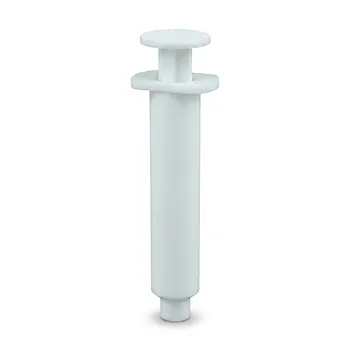
High Purity PTFE Syringe Sampling Barrel Customizable Corrosion Resistant Teflon Labware
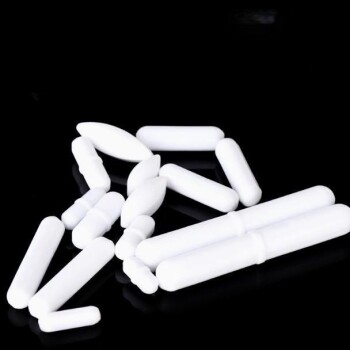
Custom PTFE Teflon Parts Manufacturer PTFE Magnetic Stirring Bar
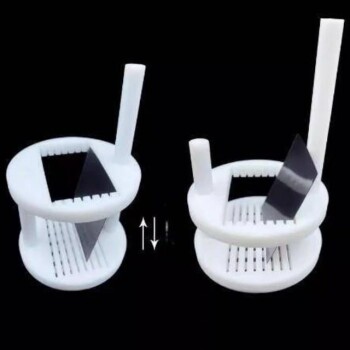
Custom PTFE Teflon Parts Manufacturer Adjustable Height Flower Basket
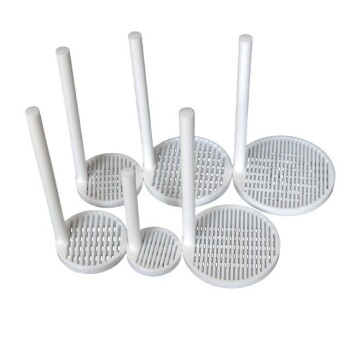
Custom PTFE Teflon Parts Manufacturer PTFE Cleaning Rack
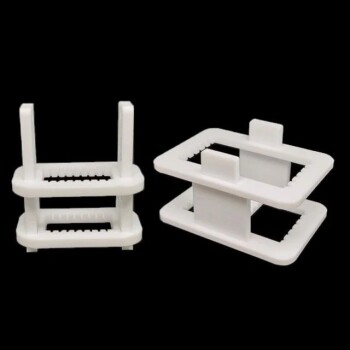
Custom PTFE Teflon Parts Manufacturer Conductive Glass Substrate Cleaning Rack
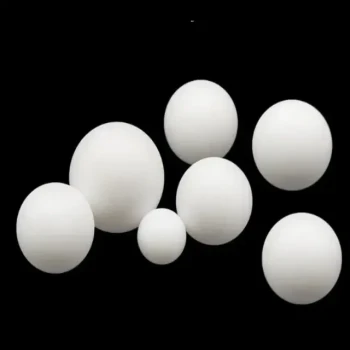
Custom PTFE Teflon Balls for Advanced Industrial Applications
$30.00