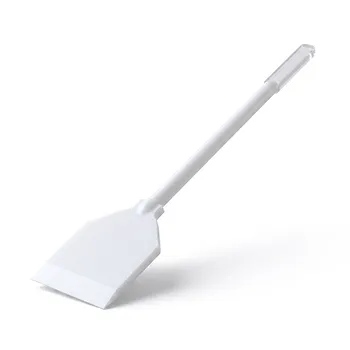
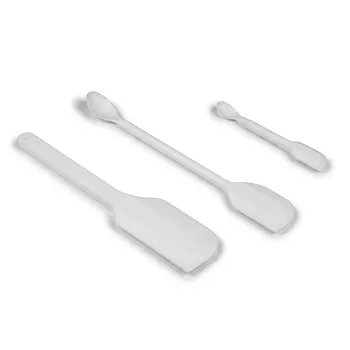
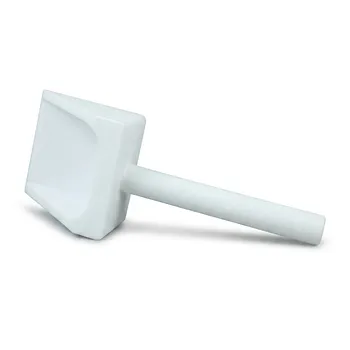
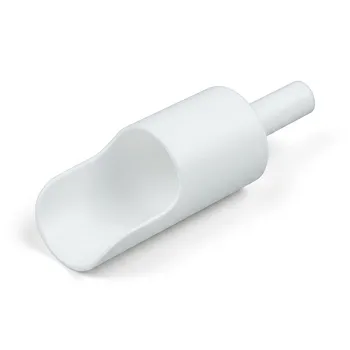
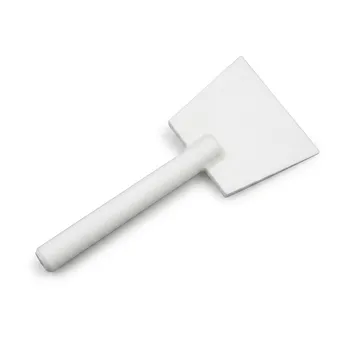
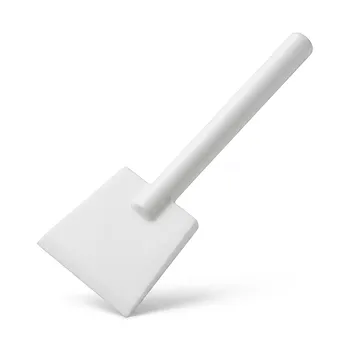
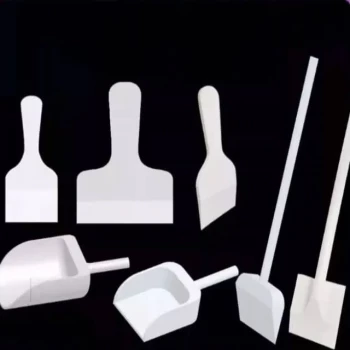
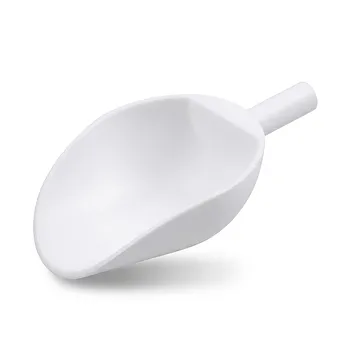
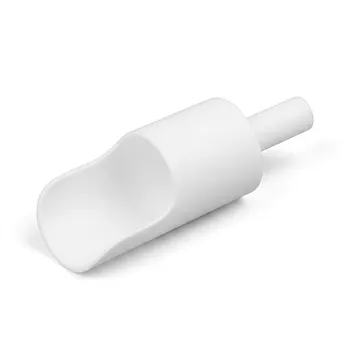
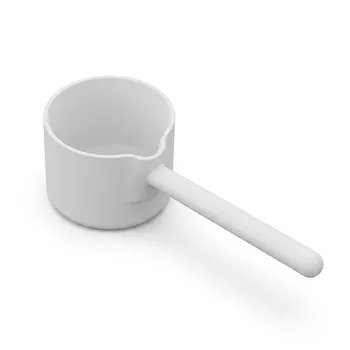
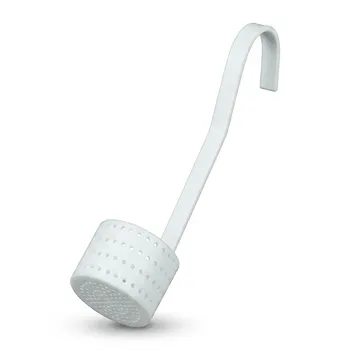
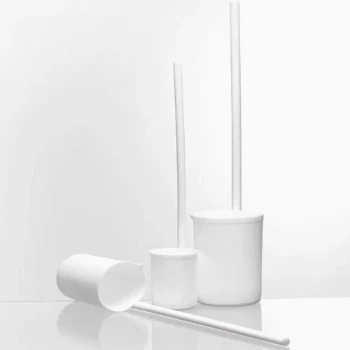
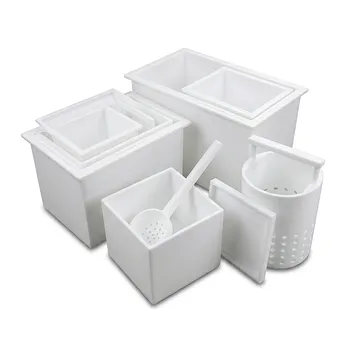
The definitive temperature range for a PTFE shovel is from approximately -200°C to +260°C (-328°F to 500°F) for continuous service. Some specialized formulations can perform at even lower cryogenic temperatures, down to -270°C (-454°F), and can withstand brief intermittent exposure to temperatures as high as 300°C (572°F). This exceptional thermal stability is a core characteristic of the material itself.
Your question isn't just about a number; it's about operational reliability. The reason PTFE is trusted in extreme environments is that its fundamental molecular structure remains stable across this vast temperature range, ensuring it won't become brittle in extreme cold or degrade in high heat.
Why PTFE Withstands Extreme Temperatures
The remarkable thermal performance of Polytetrafluoroethylene (PTFE) is not an accident—it's a direct result of its unique molecular chemistry. Understanding this provides confidence in its practical application.
The Power of the Carbon-Fluorine Bond
The foundation of PTFE's stability is the carbon-fluorine (C-F) bond, which is one of the strongest single bonds in organic chemistry. This bond's high energy makes the molecule highly resistant to being broken apart by thermal energy, whether from extreme heat or cold.
Performance in Cryogenic Conditions
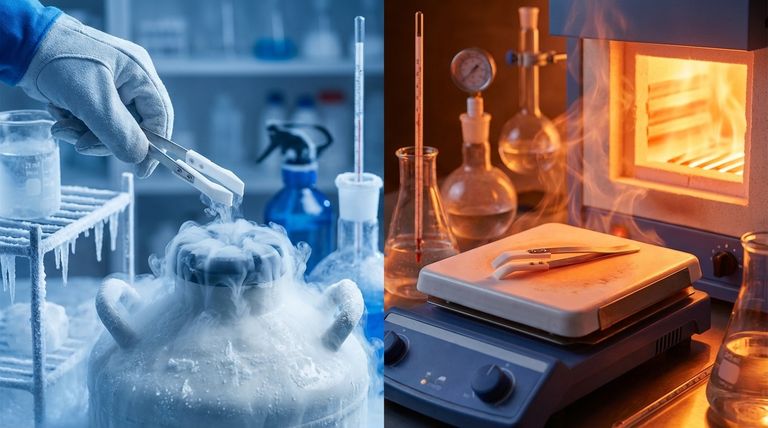
Unlike many polymers that become brittle and fracture at low temperatures, PTFE retains its flexibility and durability in cryogenic conditions. This makes it a uniquely suitable material for handling substances like dry ice or working in environments involving liquid nitrogen.
A High and Stable Melting Point
PTFE has a very high melting point, consistently cited at around 327°C (621°F). This is significantly higher than its maximum recommended continuous service temperature of 260°C, providing a substantial safety margin against degradation during use.
Understanding the Practical Limits and Trade-offs
While the temperature range is impressive, a true technical understanding requires acknowledging the material's behavior at these extremes.
Continuous vs. Intermittent Exposure
The widely cited 260°C (500°F) limit is for continuous, long-term operation. This is the temperature at which the material can function indefinitely without significant loss of its mechanical properties. While it can survive brief spikes up to 300°C (572°F), sustained use above the continuous limit is not recommended.
What Happens Beyond the Limits
Pushing PTFE past its melting point will cause it to decompose. It is critical to note that at very high temperatures (well above 300°C), this decomposition can release toxic fumes. Therefore, you must always operate within the specified service temperatures.
Impact on Mechanical Properties
While PTFE remains functional, its physical properties do change with temperature. At the upper end of its range, it will become softer and more susceptible to deformation. At cryogenic temperatures, it will become harder and more rigid, though it will not become brittle.
Making the Right Choice for Your Application
To apply this knowledge effectively, align the material's capabilities with your specific operational goal.
- If your primary focus is high-heat industrial or lab use: Confidently use PTFE up to its continuous limit of 260°C (500°F), knowing you have a built-in safety margin before its melting point.
- If your primary focus is cryogenic handling: PTFE is an ideal choice, as it will not fracture or become brittle when exposed to materials like liquid nitrogen or used in extreme cold storage.
- If your primary focus is general-purpose chemical handling: The vast operating temperature range ensures that thermal stability will almost never be a limiting factor in standard lab or industrial environments.
Ultimately, PTFE's inherent chemical stability provides a uniquely reliable and safe material for tools operating in thermally demanding conditions.
Summary Table:
| Temperature Range | Type of Service | Key Property |
|---|---|---|
| -200°C to +260°C (-328°F to 500°F) | Continuous Service | Stable performance, no brittleness or degradation |
| Down to -270°C (-454°F) | Cryogenic Service | Retains flexibility and durability |
| Up to 300°C (572°F) | Brief, Intermittent Exposure | Short-term high-temperature tolerance |
Need a PTFE shovel that won't fail under extreme temperatures?
At KINTEK, we specialize in manufacturing high-performance PTFE components, including durable shovels and labware, for the semiconductor, medical, laboratory, and industrial sectors. Our precision production and custom fabrication services—from prototypes to high-volume orders—ensure you get a tool perfectly suited to your thermal and chemical requirements.
Ensure operational reliability in your most demanding environments. Contact our experts today to discuss your specific needs!
Visual Guide

Related Products
- PTFE Shovel Pharmaceutical Chemical Material Shovel Strong Corrosion Resistant 1m Handle
- Custom PTFE Scraper Shovel and Sampling Spoon Dual Use Corrosion Resistant Low Background White Fluoropolymer Tool
- Corrosion Resistant PTFE Pharmaceutical Scoop Non Stick Bio-Pharmaceutical Material Shovel for High Purity Chemical Handling
- Customized PTFE Sampling Scoop Corrosion Resistant High Purity Low Background Chemical Pharmaceutical Laboratory Shovel
- Custom PTFE Pharmaceutical Sampling Scoop Low Leaching Cylindrical Chemical Powder Sampler Zero Contamination High Purity Laboratory Shovel
People Also Ask
- What are the advantages of PTFE shovels over metal shovels? Precision Handling for Sensitive Materials
- What are some specific applications of PTFE shovels in the laboratory? Ensure Sample Purity and Safety
- What are the key properties that make PTFE shovels ideal for laboratory use? Ensure Sample Integrity with Chemically Inert Tools
- What are the advantages of PTFE shovels in terms of chemical resistance? Unmatched Inertness for Handling Corrosives
- How does the durability of PTFE shovels compare to plastic shovels? Discover the Superior Choice for Harsh Conditions