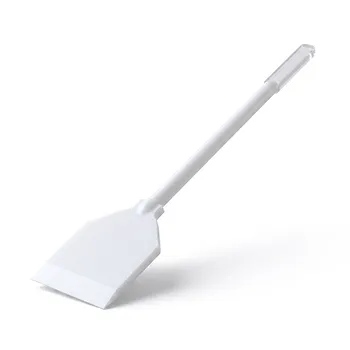
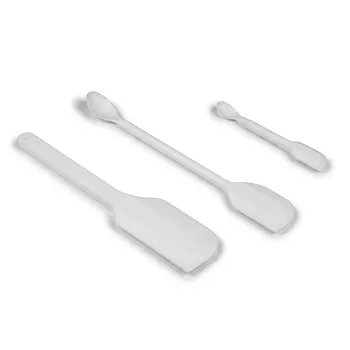
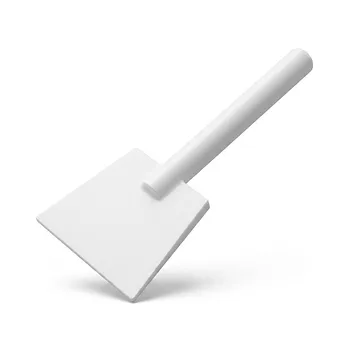
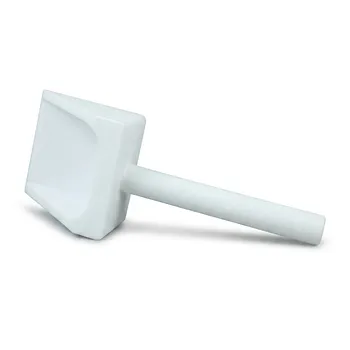
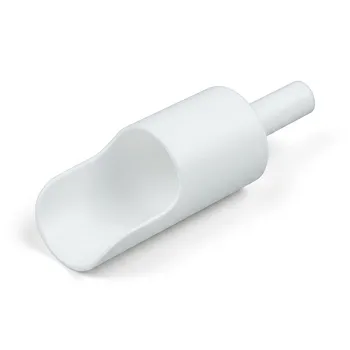
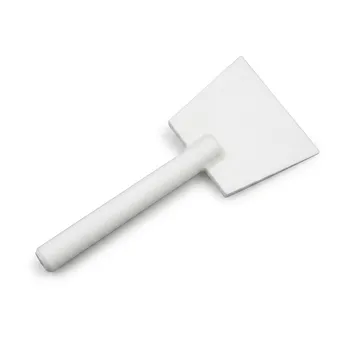
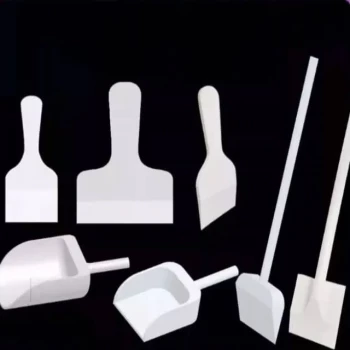
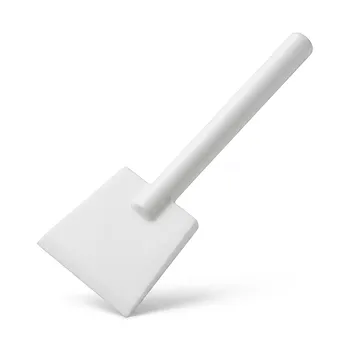
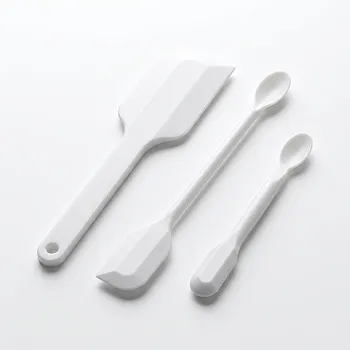
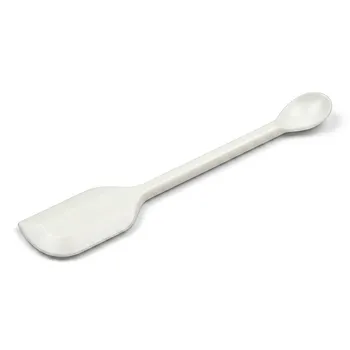
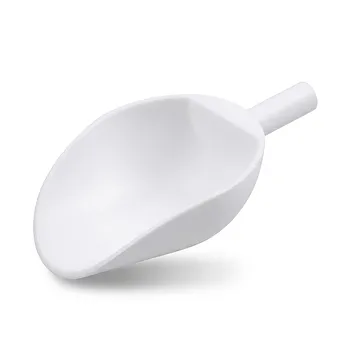
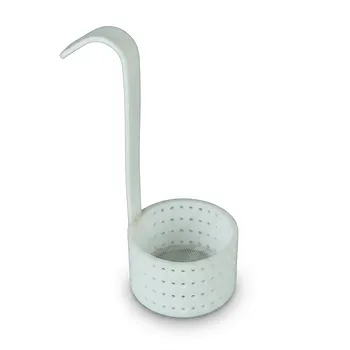
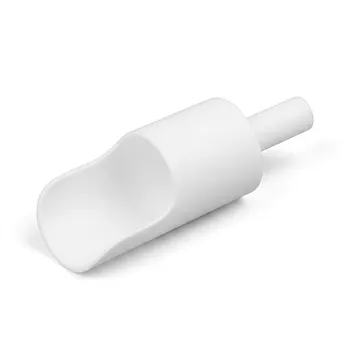
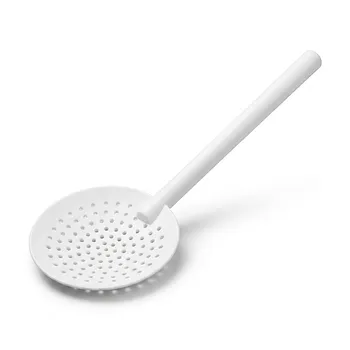
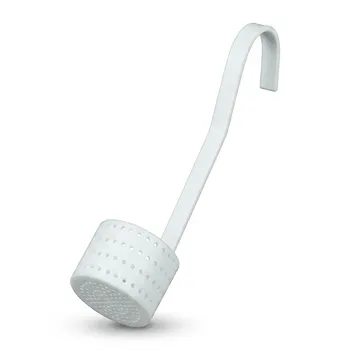
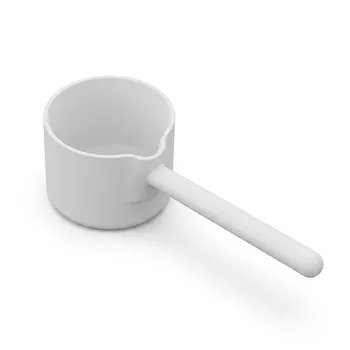
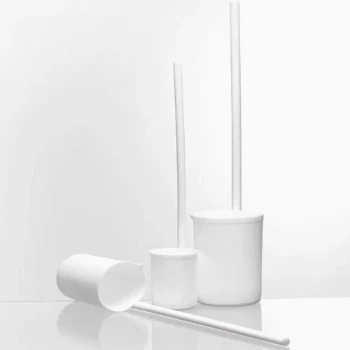
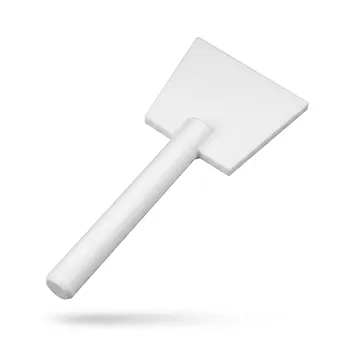
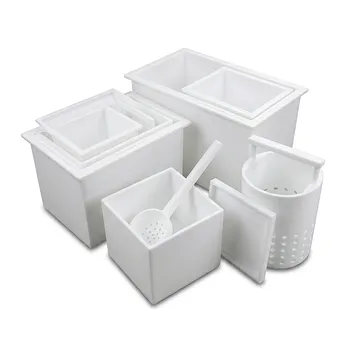
In short, PTFE shovels offer significant advantages over metal shovels in specialized environments due to their exceptional chemical resistance, non-stick surface, and wide temperature tolerance. While a metal shovel is built for brute force, a PTFE shovel is a precision tool designed for handling sensitive, corrosive, or sticky materials where purity is paramount.
The choice between PTFE and metal is not about which is "better" overall, but which material's properties solve your specific problem. Metal excels in strength and abrasion resistance, while PTFE excels in chemical inertness and preventing sample adhesion.
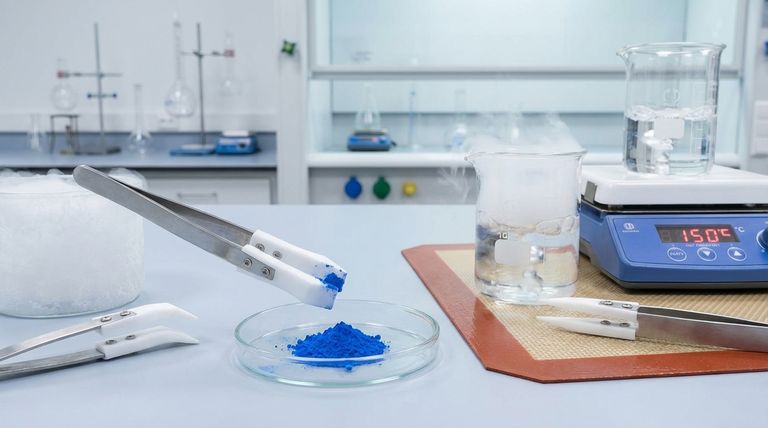
The Core Material Advantages of PTFE
The benefits of a PTFE shovel are rooted in the unique molecular properties of Polytetrafluoroethylene, the same material known commercially as Teflon™. These properties make it uniquely suited for laboratory, food processing, and chemical handling tasks.
Unmatched Chemical Inertness
PTFE is resistant to nearly all solvents, acids, and bases. Unlike metal shovels, which can corrode, rust, or react with aggressive substances, a PTFE shovel will not degrade or leach ions into your sample. This ensures the purity of the material being handled.
Superior Non-Stick Properties
The material has an extremely low coefficient of friction and is both hydrophobic (repels water) and oleophobic (repels oil). This anti-adhesion surface means sticky powders, viscous liquids, and other challenging materials slide off easily, ensuring complete sample transfer and minimizing waste.
Wide Thermal Stability
PTFE performs reliably across an exceptionally broad temperature range, from cryogenic lows of around -270°C (-454°F) up to a continuous working temperature of +260°C (+500°F). You can handle extremely hot or cold materials without damaging the shovel or worrying about hazardous heat transfer to the handle.
Purity and Safety
High-purity grades of PTFE are FDA-approved for food contact and are considered non-toxic. This makes them an essential tool in pharmaceutical, biotech, and food production environments where preventing contamination is a critical regulatory requirement.
Understanding the Trade-offs
While PTFE is superior in specific applications, it is not a direct replacement for metal in every scenario. Understanding its limitations is key to using it effectively.
Structural Strength and Rigidity
Metal is vastly stronger and more rigid than PTFE. A PTFE shovel is not designed for heavy-duty digging, prying, or breaking up compacted, heavy materials like soil, ice, or gravel. For tasks requiring high mechanical force, a metal shovel is the only appropriate choice.
Abrasion and Wear Resistance
Although PTFE has good wear resistance for sliding contact, it is a much softer material than steel or aluminum. It can be easily scratched, cut, or gouged by sharp or highly abrasive materials. Metal shovels are far more durable for handling rough aggregates.
The Cost-to-Performance Ratio
Specialized PTFE tools typically have a higher initial purchase price than a standard metal shovel. However, for their intended applications, their longevity in corrosive environments, prevention of costly sample contamination, and ease of cleaning provide a superior long-term value.
Making the Right Choice for Your Application
Selecting the correct tool requires matching its material properties to the demands of your task.
- If your primary focus is handling aggressive chemicals, pharmaceuticals, or high-purity powders: Choose PTFE for its absolute chemical inertness and non-contaminating surface.
- If your primary focus is working with sticky, viscous, or temperature-sensitive materials: The non-stick surface and thermal stability of PTFE make it the superior choice for complete and clean transfer.
- If your primary focus is moving heavy, abrasive, or compacted materials like soil or rock: A metal shovel is the correct tool due to its essential structural strength and durability.
Ultimately, choosing the right shovel is about understanding that you are not just choosing a tool, but a material perfectly suited for the job at hand.
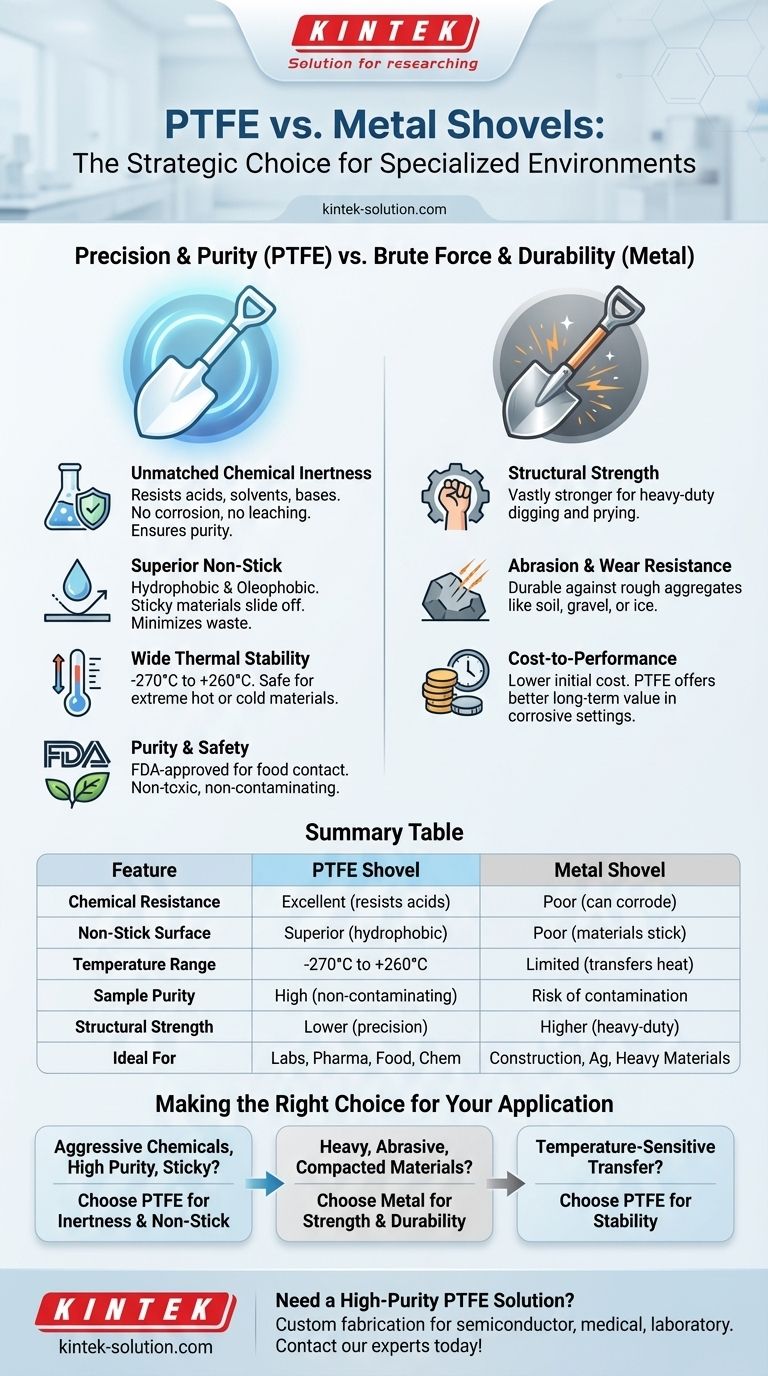
Summary Table:
| Feature | PTFE Shovel | Metal Shovel |
|---|---|---|
| Chemical Resistance | Excellent (resists acids, solvents) | Poor (can corrode) |
| Non-Stick Surface | Superior (hydrophobic & oleophobic) | Poor (materials stick) |
| Temperature Range | -270°C to +260°C | Limited (can transfer heat/cold) |
| Sample Purity | High (non-contaminating) | Risk of contamination |
| Structural Strength | Lower (for precision handling) | Higher (for heavy-duty tasks) |
| Ideal For | Labs, pharmaceuticals, chemicals, food | Construction, agriculture, heavy materials |
Need a High-Purity PTFE Solution for Your Application?
At KINTEK, we specialize in manufacturing precision PTFE components, including custom shovels, seals, liners, and labware. Whether you work in the semiconductor, medical, laboratory, or industrial sector, our expertise ensures you get a tool perfectly tailored to handle your sensitive, corrosive, or sticky materials without contamination.
We offer custom fabrication from prototypes to high-volume orders, prioritizing the precision and chemical inertness your work demands.
Contact our experts today to discuss your specific requirements and discover the right PTFE tool for your needs!
Visual Guide
Related Products
- PTFE Shovel Pharmaceutical Chemical Material Shovel Strong Corrosion Resistant 1m Handle
- Custom PTFE Scraper Shovel and Sampling Spoon Dual Use Corrosion Resistant Low Background White Fluoropolymer Tool
- Corrosion Resistant PTFE Pharmaceutical Scoop Non Stick Bio-Pharmaceutical Material Shovel for High Purity Chemical Handling
- Customized PTFE Sampling Scoop Corrosion Resistant High Purity Low Background Chemical Pharmaceutical Laboratory Shovel
- Custom PTFE Pharmaceutical Sampling Scoop Low Leaching Cylindrical Chemical Powder Sampler Zero Contamination High Purity Laboratory Shovel
People Also Ask
- What are some specific applications of PTFE shovels in the laboratory? Ensure Sample Purity and Safety
- What are the key properties that make PTFE shovels ideal for laboratory use? Ensure Sample Integrity with Chemically Inert Tools
- What are the advantages of PTFE shovels in terms of chemical resistance? Unmatched Inertness for Handling Corrosives
- How does the durability of PTFE shovels compare to plastic shovels? Discover the Superior Choice for Harsh Conditions
- Why are PTFE shovels considered cost-effective? Maximize ROI with Superior Durability