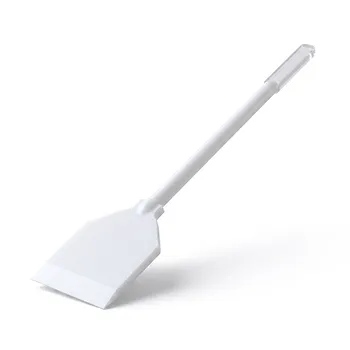
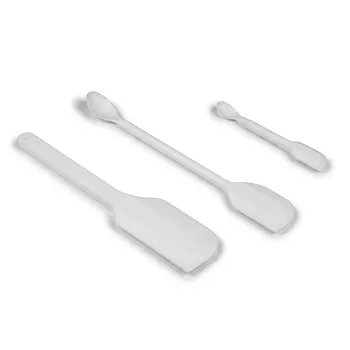
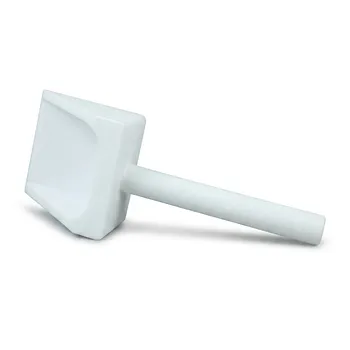
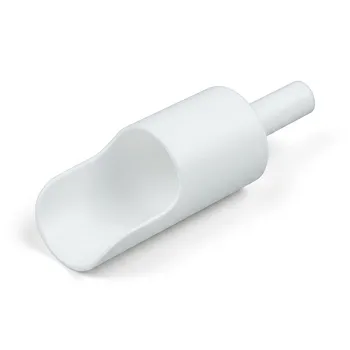
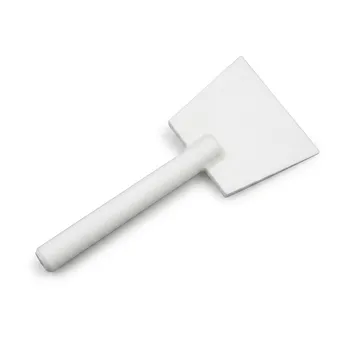
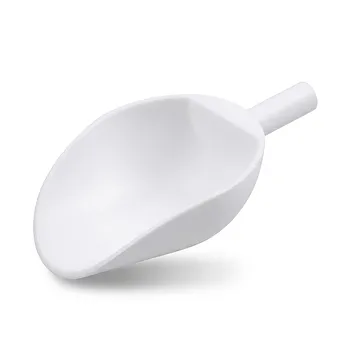
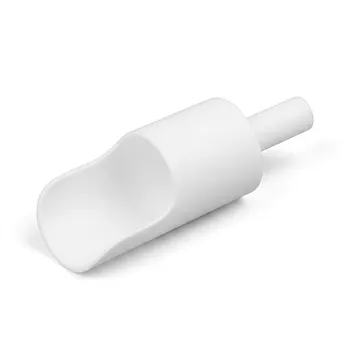
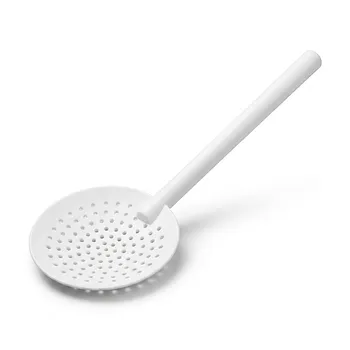
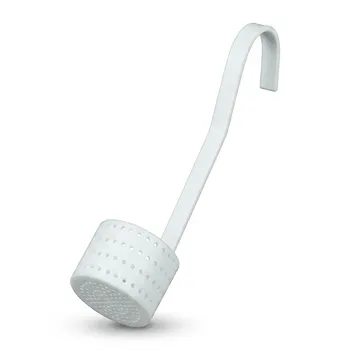
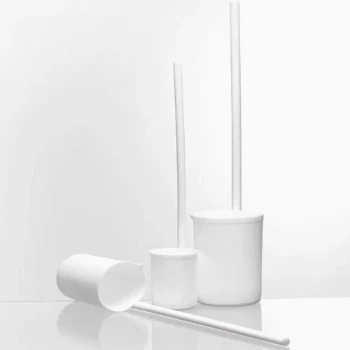
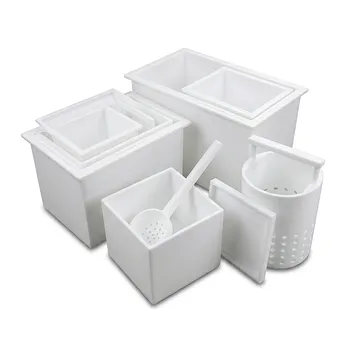
At its core, a PTFE shovel is considered biocompatible because it is chemically inert. This means it does not react with biological tissues, fluids, or other substances, ensuring that it will not cause harm, trigger an immune response, or contaminate a sample it touches.
The biocompatibility of PTFE is not an accidental feature; it is a direct result of its fundamental chemical structure. Its extreme stability and non-reactive nature prevent it from leaching chemicals or physically degrading, making it a trusted material for sensitive biological, medical, and food-grade applications.
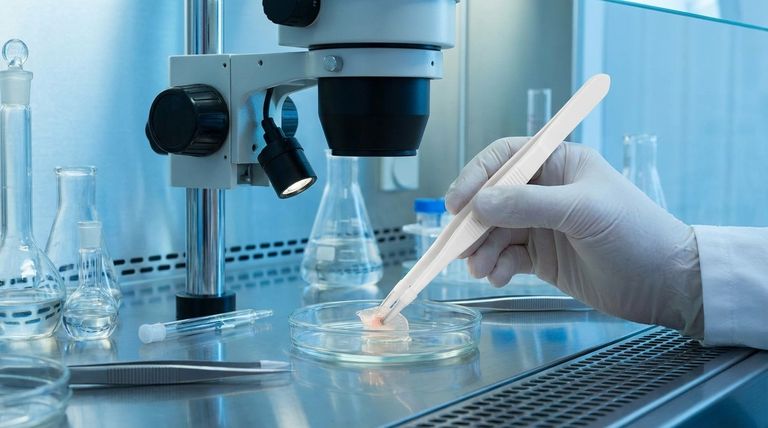
The Foundation of Biocompatibility: Chemical Inertness
The primary reason PTFE is safe for biological contact is its status as one of the most chemically inert polymers known. This single property is the source of its reliability in sensitive environments.
What "Inert" Means in Practice
Chemical inertness means that PTFE does not engage in chemical reactions with its surrounding environment. It resists acids, bases, and organic solvents, and it does not break down when it comes into contact with biological materials.
This non-reactive quality ensures the material itself remains unchanged during use.
The Impact on Biological Samples
Because the shovel does not react, it cannot alter the chemical composition of a sample. This prevents contamination, ensuring that experimental results are accurate and that tissues or cultures are not harmed by foreign substances.
Key Properties Driving Biocompatibility
While chemical inertness is the foundation, several related properties contribute to PTFE's trusted status as a biocompatible material.
Unmatched Chemical Stability
PTFE possesses extremely high chemical stability. Its molecular structure is robust and does not degrade over time or upon exposure to biological systems. This prevents the release of harmful breakdown products.
High Structural Integrity
A PTFE shovel maintains its physical shape and structure even during use. It will not flake, chip, or leach particles into a sample, which is a critical factor for preventing physical contamination in lab work or medical applications.
Proven Physiological Safety
The combination of these properties makes PTFE physiologically safe. It is widely used for medical implants and devices inside the human body precisely because it does not cause rejection or adverse reactions.
This proven track record is why specific grades of PTFE are FDA-approved for direct contact with food and for use in medical technology.
Understanding the Practical Implications
The biocompatibility of PTFE is not just a theoretical concept; it has direct and critical consequences for scientific and medical work.
Preventing Sample Contamination
For anyone working in a lab, the primary goal is to study the sample, not the sample's interaction with its container or tool. A PTFE shovel acts as a neutral instrument that will not interfere with or contaminate the specimen.
Ensuring Accurate and Repeatable Results
By eliminating the risk of chemical reaction or material degradation, PTFE helps ensure that scientific findings are both accurate and repeatable. The tool itself is removed as a variable from the experiment.
Meeting Regulatory Standards
In regulated industries like food production and medical device manufacturing, using a known, trusted material is essential. FDA-approved grades of PTFE meet the stringent requirements for safety and non-toxicity in these fields.
Applying This to Your Work
Choosing the right material is a critical decision based on the specific demands of your application.
- If your primary focus is absolute sample purity: PTFE is an ideal choice because its inert nature guarantees it will not leach chemicals or react with your sample.
- If you are working in high-temperature lab processes: PTFE's resistance to heat, in addition to its biocompatibility, makes it a reliable tool that will not degrade under thermal stress.
- If you require materials for medical or food-grade applications: You must select an FDA-approved grade of PTFE to ensure you meet all regulatory safety standards.
Ultimately, selecting PTFE is a decision to prioritize safety, reliability, and the integrity of your work.
Summary Table:
| Key Property | Why It Matters for Biocompatibility |
|---|---|
| Chemical Inertness | Does not react with biological tissues or fluids, preventing contamination. |
| High Chemical Stability | Will not degrade or leach harmful breakdown products into samples. |
| Structural Integrity | Resists flaking or chipping, eliminating physical contamination. |
| FDA-Approved Grades | Meets stringent safety standards for medical and food-contact applications. |
Ensure the integrity and purity of your sensitive work with precision-engineered PTFE components from KINTEK.
For scientists and engineers in the semiconductor, medical, laboratory, and industrial sectors, the risk of sample contamination is a constant concern. Our PTFE shovels, seals, liners, and labware are manufactured with an unwavering focus on the chemical inertness and biocompatibility detailed in this article.
We offer custom fabrication from prototypes to high-volume orders, ensuring you get the exact tool you need with the material guarantees your application demands.
Contact KINTEK today to discuss your specific requirements and learn how our PTFE solutions can protect your processes and products.
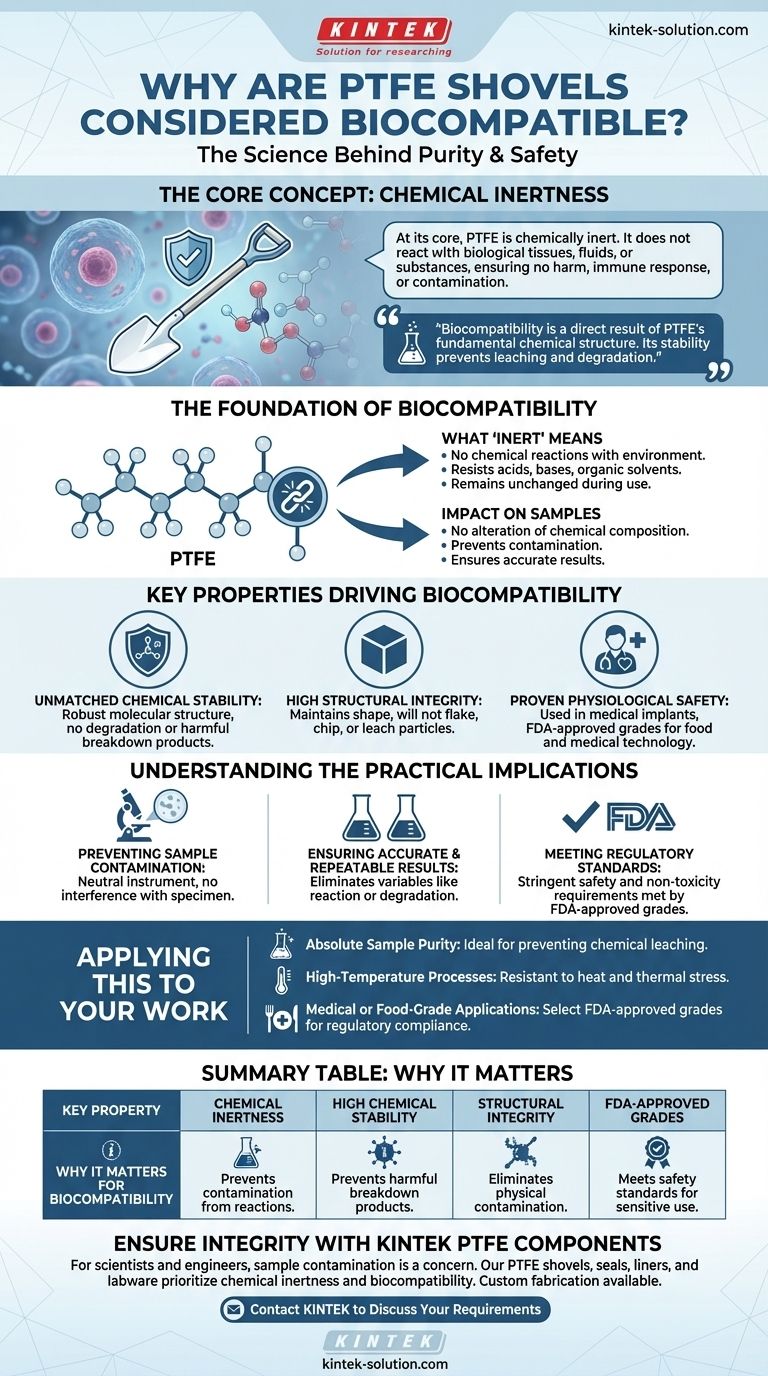
Visual Guide
Related Products
- PTFE Shovel Pharmaceutical Chemical Material Shovel Strong Corrosion Resistant 1m Handle
- Custom PTFE Scraper Shovel and Sampling Spoon Dual Use Corrosion Resistant Low Background White Fluoropolymer Tool
- Corrosion Resistant PTFE Pharmaceutical Scoop Non Stick Bio-Pharmaceutical Material Shovel for High Purity Chemical Handling
- Customized PTFE Sampling Scoop Corrosion Resistant High Purity Low Background Chemical Pharmaceutical Laboratory Shovel
- Custom PTFE Pharmaceutical Sampling Scoop Low Leaching Cylindrical Chemical Powder Sampler Zero Contamination High Purity Laboratory Shovel
People Also Ask
- What are the advantages of PTFE shovels over metal shovels? Precision Handling for Sensitive Materials
- What are some specific applications of PTFE shovels in the laboratory? Ensure Sample Purity and Safety
- What are the key properties that make PTFE shovels ideal for laboratory use? Ensure Sample Integrity with Chemically Inert Tools
- What are the advantages of PTFE shovels in terms of chemical resistance? Unmatched Inertness for Handling Corrosives
- How does the durability of PTFE shovels compare to plastic shovels? Discover the Superior Choice for Harsh Conditions