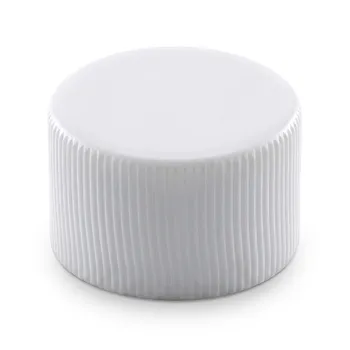
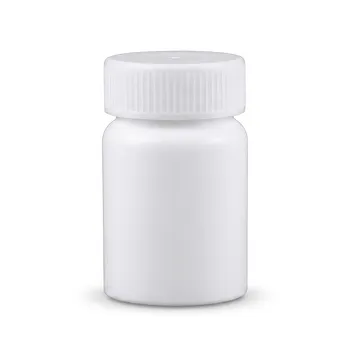
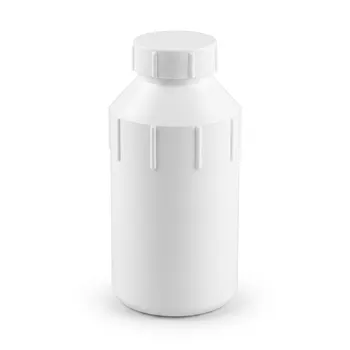
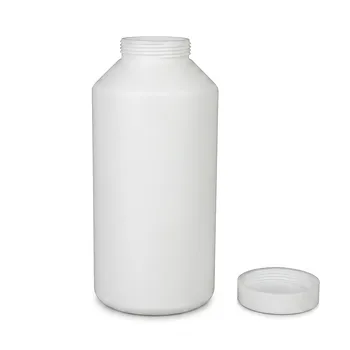
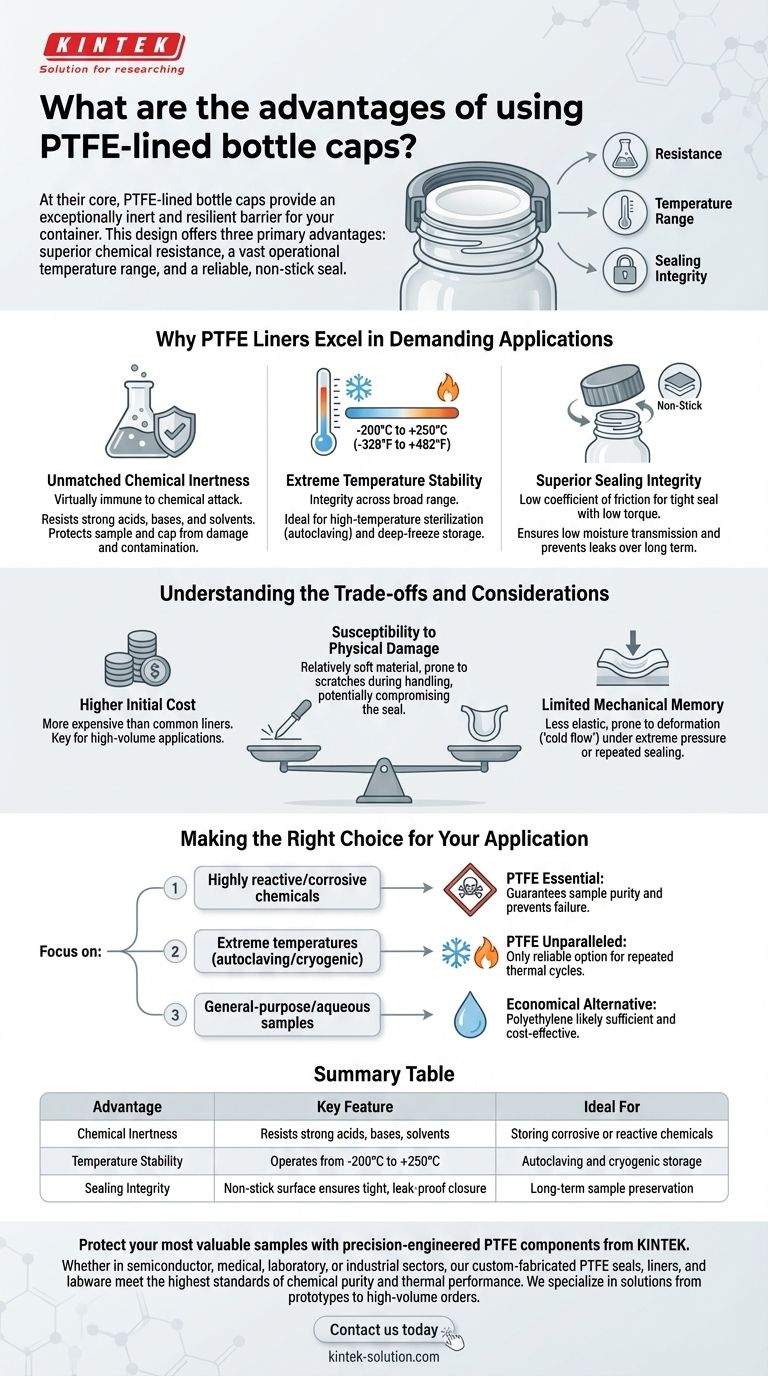
At their core, PTFE-lined bottle caps provide an exceptionally inert and resilient barrier for your container. This design offers three primary advantages: superior chemical resistance against nearly all solvents and acids, a vast operational temperature range suitable for autoclaving and cryogenic storage, and a reliable, non-stick seal that ensures the integrity of the contents.
The fundamental purpose of a PTFE liner is to isolate the contents of a container from the cap material. This creates a chemically non-reactive, temperature-stable, and contaminant-free sealing environment, protecting the purity and stability of valuable or aggressive substances.

Why PTFE Liners Excel in Demanding Applications
The unique properties of Polytetrafluoroethylene (PTFE), the material used in Teflon coatings, are what make these caps so effective. It acts as an elite shield, defending against conditions that would cause standard cap liners to fail.
Unmatched Chemical Inertness
A PTFE liner is virtually immune to chemical attack. It will not react with or degrade when exposed to strong acids, bases, solvents, and other corrosive chemicals.
This protects the sample from contamination that could be leached from a less-resistant liner. It also protects the cap itself from being damaged by the container's contents.
Extreme Temperature Stability
PTFE maintains its integrity across an exceptionally broad temperature range, typically from -200°C to +250°C (-328°F to +482°F).
This stability makes PTFE-lined caps ideal for applications involving high-temperature sterilization, such as autoclaving, as well as for the deep-freeze storage of biological samples.
Superior Sealing Integrity
The low coefficient of friction, or "non-stick" quality, of PTFE allows for a tight seal with relatively low torque. The cap closes smoothly and opens just as easily without binding or sticking.
This property, combined with the material's durability, ensures low moisture transmission and a secure closure that prevents leaks and sample evaporation over the long term.
Understanding the Trade-offs and Considerations
While PTFE liners offer premium performance, it's important to weigh their characteristics against your specific needs. Objectivity requires acknowledging potential downsides.
Higher Initial Cost
PTFE is a high-performance polymer, and its manufacturing process makes it more expensive than common liner materials like polyethylene or polypropylene. This higher upfront cost is a key consideration for general-purpose or high-volume applications where its advanced properties are not strictly necessary.
Susceptibility to Physical Damage
While chemically robust, PTFE is a relatively soft material. The liner can be scratched or gouged by sharp instruments during cleaning or handling. A compromised liner surface can trap contaminants or fail to create a perfect seal.
Limited Mechanical Memory
PTFE is not as elastic as some other sealing materials. In applications involving extreme pressure changes or repeated, high-torque sealing, the liner may be prone to deformation ("cold flow") over time, which could eventually impact sealing performance.
Making the Right Choice for Your Application
Selecting the correct cap liner is a critical decision based on the chemical being stored, the required temperature range, and your budget.
- If your primary focus is storing highly reactive or corrosive chemicals: PTFE is the essential choice to guarantee sample purity and prevent container failure.
- If your primary focus is applications involving extreme temperatures: PTFE's unparalleled thermal stability makes it the only reliable option for repeated autoclaving or cryogenic storage.
- If your primary focus is general-purpose storage of aqueous or non-aggressive samples: A more economical liner material, such as polyethylene, is likely sufficient and more cost-effective.
Choosing a cap with a PTFE liner is an investment in certainty, ensuring your valuable contents are protected under the most demanding conditions.
Summary Table:
| Advantage | Key Feature | Ideal For |
|---|---|---|
| Chemical Inertness | Resists strong acids, bases, and solvents | Storing corrosive or reactive chemicals |
| Temperature Stability | Operates from -200°C to +250°C | Autoclaving and cryogenic storage |
| Sealing Integrity | Non-stick surface ensures tight, leak-proof closure | Long-term sample preservation |
Protect your most valuable samples with precision-engineered PTFE components from KINTEK.
Whether you are in the semiconductor, medical, laboratory, or industrial sector, our custom-fabricated PTFE seals, liners, and labware are designed to meet the highest standards of chemical purity and thermal performance. We specialize in creating solutions from prototypes to high-volume orders, ensuring your materials are safeguarded under extreme conditions.
Contact us today to discuss your specific requirements and let our expertise enhance your application's reliability and safety.
Visual Guide
Related Products
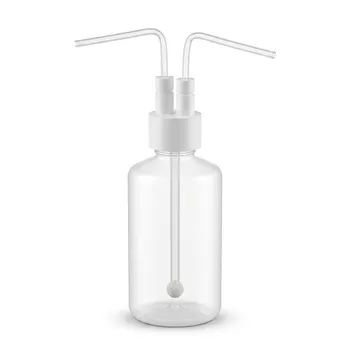
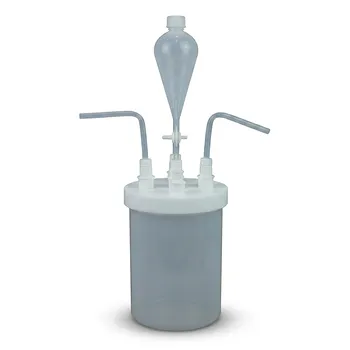
- Custom PTFE Gas Washing Bottle Cap Multi Port Reaction Lid Corrosion Resistant High Sealing Laboratory Fluoropolymer Closure
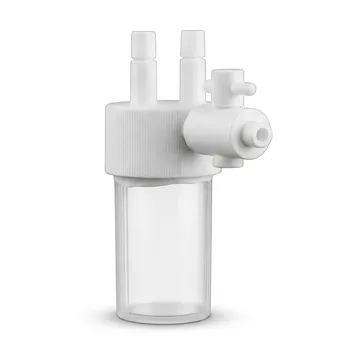
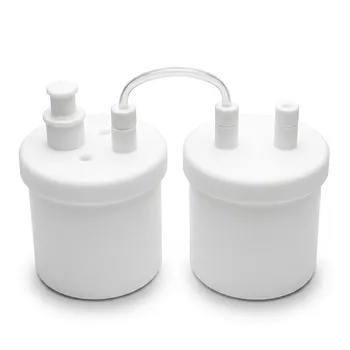
- Custom PTFE Reaction Lid with Integrated Valve and Fitting Corrosion Resistant No Leaching PFA FEP Bottle Cap System
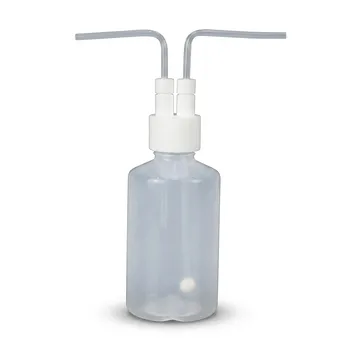
- Custom PTFE Multi Port Reaction Bottle Caps Corrosion Resistant High Purity GL32 GL45 Laboratory Closures
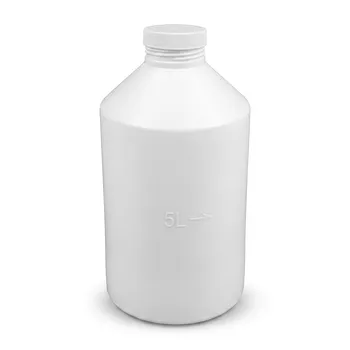
- Large Capacity 5L PTFE Storage Tank and Custom Reagent Bottle Corrosion Resistant Leakproof Screw Seal Laboratory Container with PTFE Cap
- Corrosion Resistant PFA Translucent Reaction Bottle with PTFE Screw Cap and Standard 19 24 Ground Joint Neck for High Temperature Lab Applications
People Also Ask
- What material grades are available for PTFE caps? Choose the Right Grade for Purity or Performance
- What are the electrical insulation properties of PTFE caps? Superior Dielectric Performance for Demanding Applications
- What are the specialized types of PTFE caps and their uses? Ensure Sample Integrity and Safety
- What are the advantages of PTFE lids for jacketed and process vessels? Achieve Superior Durability & Chemical Resistance
- What are the reusability and durability characteristics of PTFE-lined bottle caps? Engineered for Repeated, Reliable Use