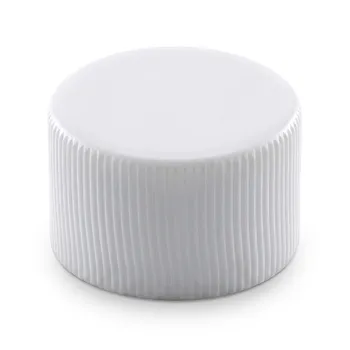
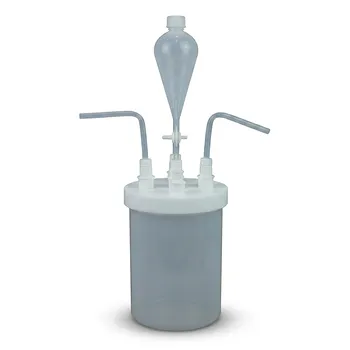
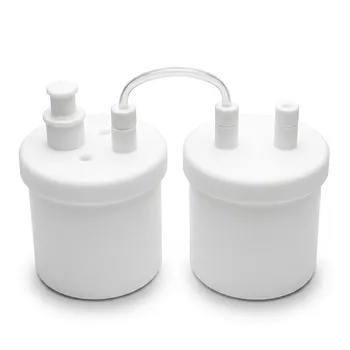
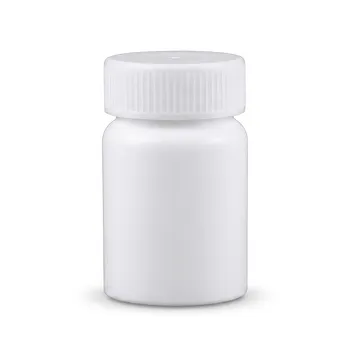
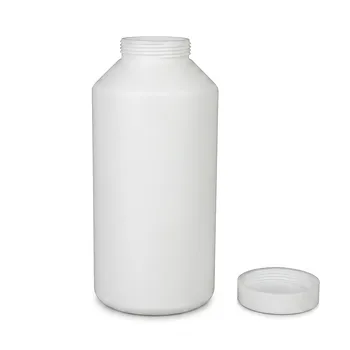
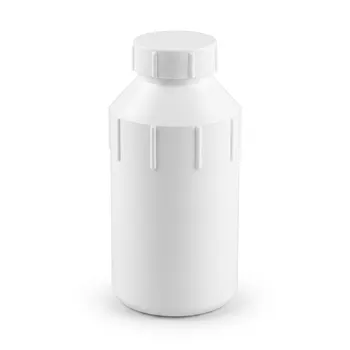
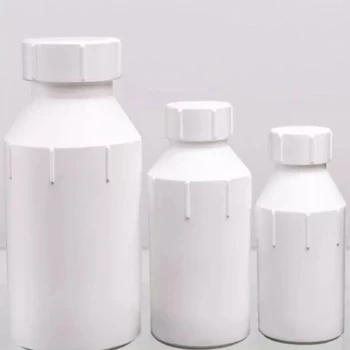
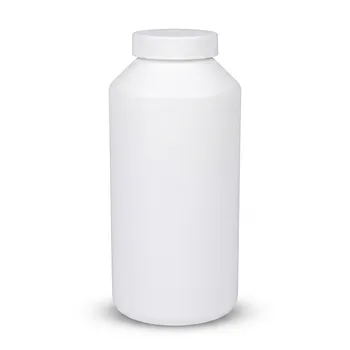
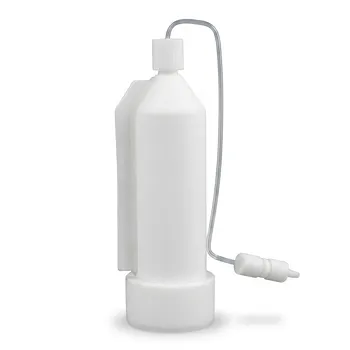
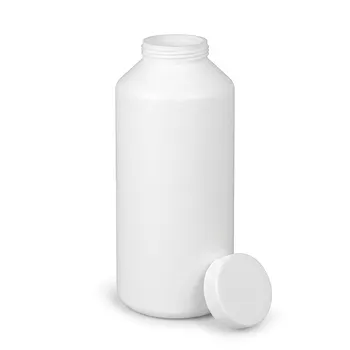
At their core, PTFE-lined bottle caps create an exceptionally tight and secure seal that is also chemically inert. This combination provides a robust physical barrier that prevents sample evaporation and contamination while also offering a non-reactive surface that ensures the purity of sensitive substances.
The true value of a PTFE-lined cap isn't just its physical seal, but its comprehensive chemical and thermal stability. This makes it the definitive choice for storing aggressive, high-purity, or temperature-sensitive materials where sample integrity is non-negotiable.

The Anatomy of a PTFE Seal
Polytetrafluoroethylene (PTFE) is a high-performance polymer renowned for its unique properties. When used as a cap liner, it provides two distinct levels of protection: a physical seal and a chemical barrier.
Preventing Evaporation and Contamination
A primary function of any cap is to create a secure physical seal. PTFE liners excel at this, forming a tight closure that effectively prevents the contents from evaporating over time.
This tight seal also stops external contaminants like dust, microbes, or airborne chemicals from entering the container and compromising the sample.
Creating an Impermeable Barrier
Beyond the physical closure, the material itself acts as a barrier. PTFE has very low permeability to moisture and gases.
This property is critical for protecting sensitive substances that could be degraded by exposure to humidity or atmospheric gases, ensuring safe and stable long-term storage.
Why PTFE Excels Beyond a Simple Seal
The reason PTFE is specified for demanding applications goes far beyond its basic sealing ability. Its material properties provide a level of protection that common liner materials cannot match.
Unmatched Chemical Resistance
PTFE is famous for being one of the most chemically resistant materials known. It provides a reliable barrier against strong acids, bases, solvents, and other corrosive chemicals.
This means the liner will not degrade, swell, or leach impurities into the sample, regardless of how aggressive the stored substance is.
Extreme Temperature Stability
These liners maintain their integrity and sealing properties across an exceptionally wide temperature range, typically from -200°C to +250°C.
This stability makes them suitable for applications involving cryo-storage, autoclaving, or high-temperature processes without becoming brittle or melting.
The Importance of an Inert Surface
PTFE is an inert and non-reactive material. It will not react with or bind to the contents of the container.
This is a critical feature in pharmaceutical, medical, and high-purity laboratory settings where even trace amounts of contamination can invalidate results or compromise product safety.
Understanding the Trade-offs
While PTFE offers superior performance, it's essential to understand its context. Its benefits are most realized when the application truly demands them.
Cost vs. Performance
PTFE is a premium, high-performance material. Caps with these liners are generally more expensive than those with standard liners like low-density polyethylene (LDPE) or silicone.
For routine storage of non-aggressive or non-sensitive materials, a less expensive alternative may be perfectly adequate.
Durability and Reuse
A key advantage is that PTFE-lined caps are highly durable and can often be reused. They can withstand repeated autoclaving cycles for sterilization without degrading.
This reusability can offset the higher initial cost over the long term, especially in busy laboratory or industrial environments.
Considering Alternatives
For specific needs, other liners exist. Silicone offers excellent resealability for applications requiring frequent piercing with a syringe, while LDPE provides a good general-purpose, low-cost seal for aqueous solutions.
The choice of PTFE is a deliberate decision for when the chemical resistance, purity, and temperature range are critical requirements.
Making the Right Choice for Your Application
Selecting the correct cap liner is a function of your specific storage requirements and the nature of the substance involved.
- If your primary focus is high-purity chemicals or reagents: Choose PTFE for its unmatched chemical inertness and resistance, which prevents any possibility of sample contamination.
- If your primary focus is long-term sample archiving: Choose PTFE for its excellent barrier properties against moisture and gas, ensuring sample stability over many years.
- If your primary focus is extreme temperature applications: Choose PTFE to guarantee the seal remains intact and functional, whether in a freezer or an autoclave.
- If your primary focus is general, non-aggressive storage: A more standard liner like LDPE may be a more cost-effective and suitable choice.
Ultimately, a PTFE-lined cap provides the highest level of assurance that your container's contents will remain secure, stable, and pure.
Summary Table:
| Property | Benefit |
|---|---|
| Chemical Inertness | Non-reactive, prevents contamination from acids, bases, and solvents. |
| Temperature Stability | Maintains seal integrity from -200°C to +250°C (cryogenic to autoclave). |
| Barrier Properties | Low permeability to moisture and gases for long-term sample stability. |
| Physical Seal | Prevents evaporation and blocks external contaminants like dust and microbes. |
Need a Cap Liner That Guarantees Purity and Performance?
KINTEK specializes in manufacturing precision PTFE components, including custom cap liners, for the semiconductor, medical, laboratory, and industrial sectors. Our PTFE liners are engineered to protect your most sensitive and aggressive materials, ensuring zero contamination and long-term stability.
We offer custom fabrication from prototypes to high-volume orders, tailored to your exact specifications.
Contact KINTEK today to discuss your application requirements and receive a quote.
Visual Guide

Related Products
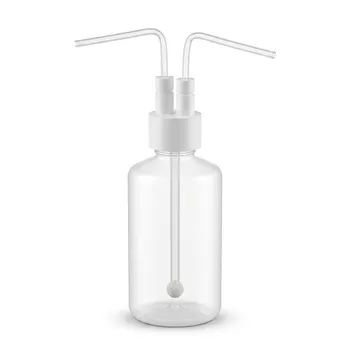
- Custom PTFE Gas Washing Bottle Cap Multi Port Reaction Lid Corrosion Resistant High Sealing Laboratory Fluoropolymer Closure
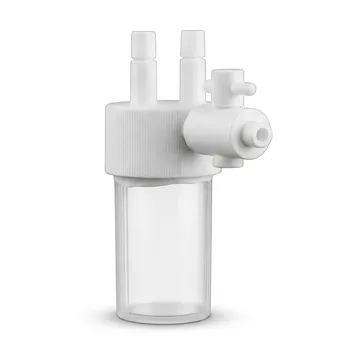
- Custom PTFE Reaction Lid with Integrated Valve and Fitting Corrosion Resistant No Leaching PFA FEP Bottle Cap System
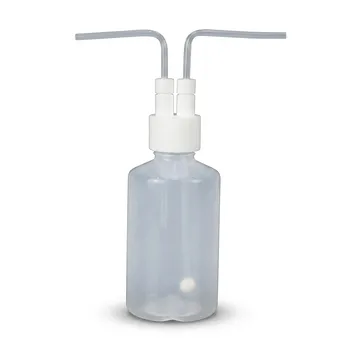
- Custom PTFE Multi Port Reaction Bottle Caps Corrosion Resistant High Purity GL32 GL45 Laboratory Closures
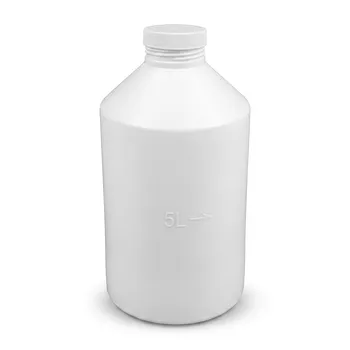
- Large Capacity 5L PTFE Storage Tank and Custom Reagent Bottle Corrosion Resistant Leakproof Screw Seal Laboratory Container with PTFE Cap
- Custom PTFE Sealing Caps and Corrosion Resistant Low Background Teflon Adapters
People Also Ask
- What material grades are available for PTFE caps? Choose the Right Grade for Purity or Performance
- What are the electrical insulation properties of PTFE caps? Superior Dielectric Performance for Demanding Applications
- What are the specialized types of PTFE caps and their uses? Ensure Sample Integrity and Safety
- What are the advantages of PTFE lids for jacketed and process vessels? Achieve Superior Durability & Chemical Resistance
- What are the reusability and durability characteristics of PTFE-lined bottle caps? Engineered for Repeated, Reliable Use