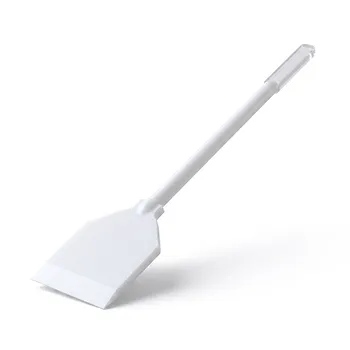
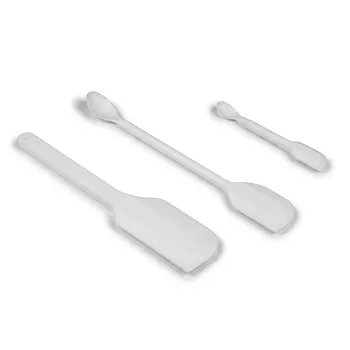
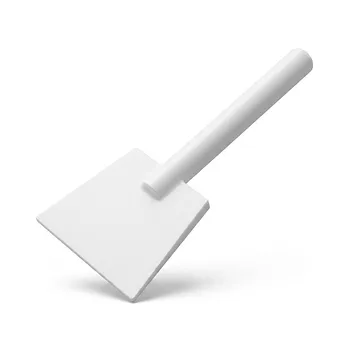
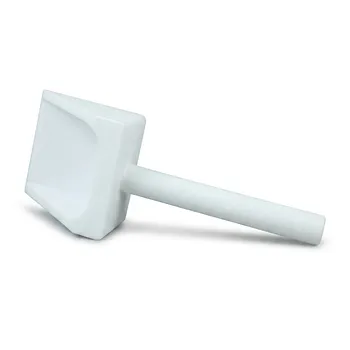
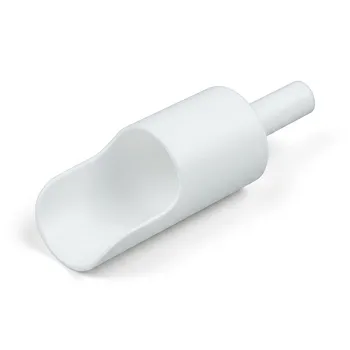
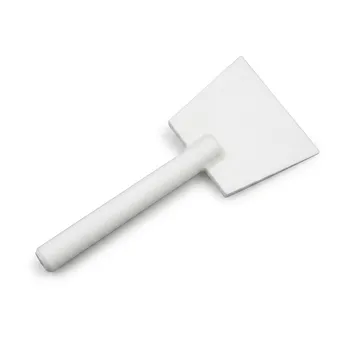
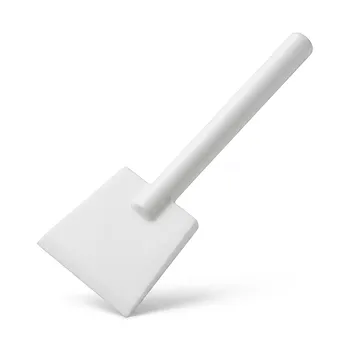
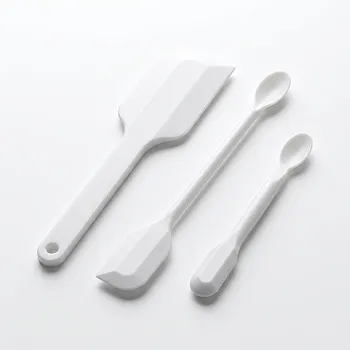
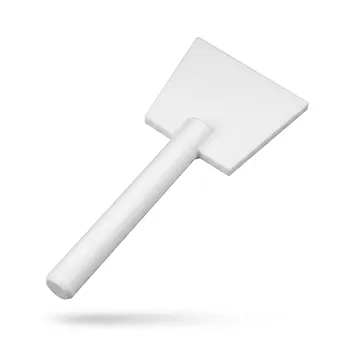
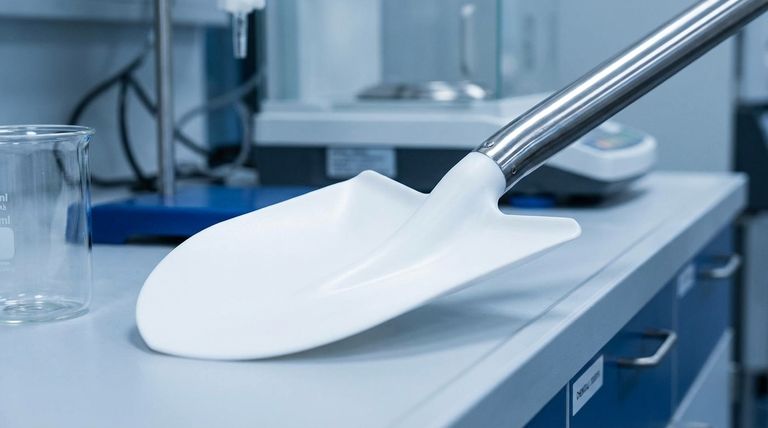
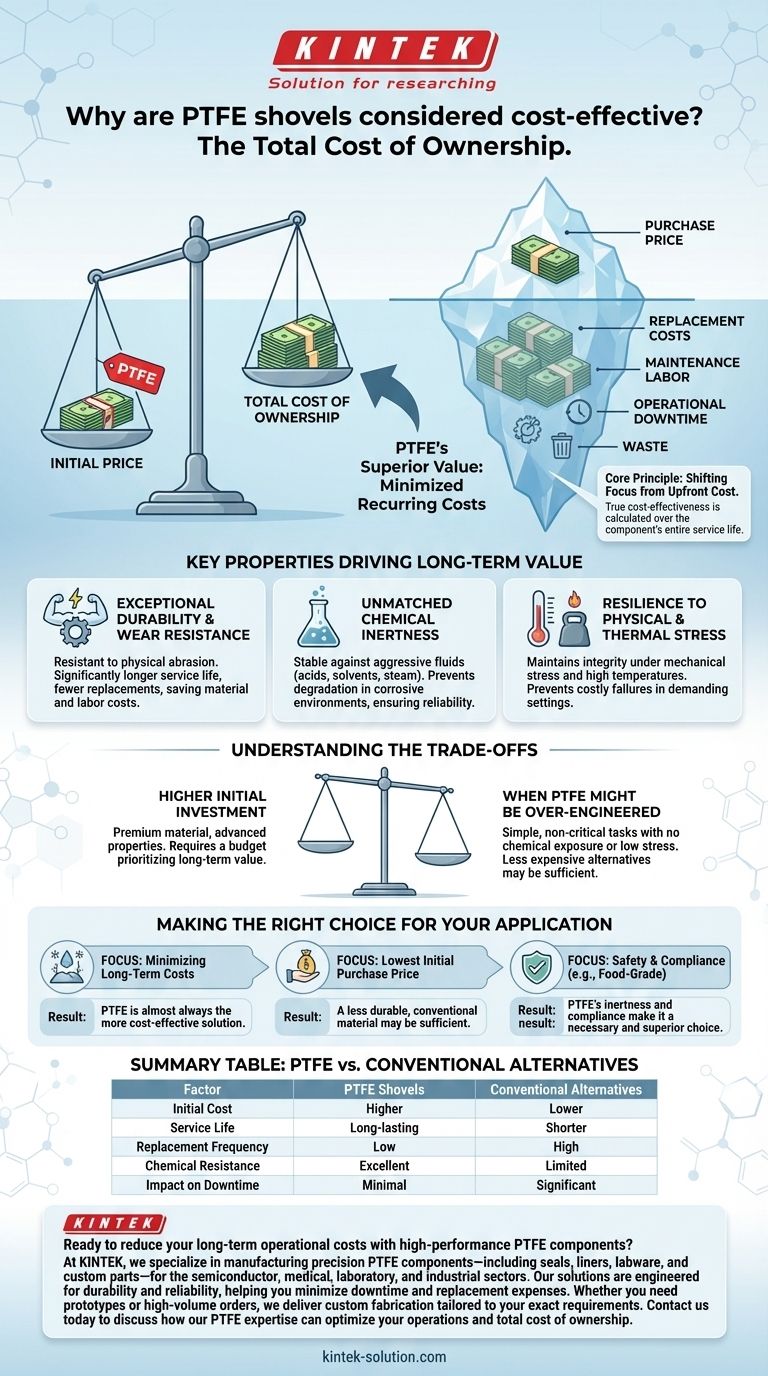
The cost-effectiveness of PTFE shovels is not about their initial price, but their total cost of ownership. Their exceptional durability and resistance to wear mean they last significantly longer than alternatives, drastically reducing the frequency and cost of replacements over time.
The financial case for PTFE components rests on a simple principle: a higher upfront investment in a material's superior resilience pays dividends by minimizing the recurring costs of replacement, maintenance, and operational downtime.
The Core Principle: Total Cost of Ownership vs. Purchase Price
Shifting Focus from Upfront Cost
Components made from Polytetrafluoroethylene (PTFE), from shovels to industrial gaskets, often carry a higher initial purchase price compared to conventional materials.
Focusing solely on this sticker price provides an incomplete financial picture and often leads to poor long-term decisions.
Factoring in Long-Term Operational Expenses
True cost-effectiveness is calculated over the component's entire service life.
This includes not just the price of replacement parts, but also the labor for installation and the significant financial impact of operational downtime during maintenance.
Key Properties Driving Long-Term Value
Exceptional Durability and Wear Resistance
PTFE is inherently resistant to the physical abrasion and wear that degrades other materials.
This long service life is the primary reason it requires fewer replacements, directly saving on both material and labor costs over the long run.
Unmatched Chemical Inertness
The material is remarkably stable when exposed to a wide range of aggressive fluids, including hydrocarbons, acids, solvents, and steam.
This chemical resistance prevents the degradation that would quickly destroy lesser materials, ensuring reliability in corrosive environments.
Resilience to Physical and Thermal Stress
PTFE components are engineered to maintain their integrity under significant mechanical stress and in high-temperature environments.
This reliability is crucial in demanding industrial settings where unexpected component failure can lead to costly and dangerous situations.
Understanding the Trade-offs
The Higher Initial Investment
The most significant trade-off is the upfront cost. PTFE is a premium material, and its initial price reflects its advanced properties and manufacturing process.
This requires a budget that prioritizes long-term value and operational stability over immediate, short-term savings.
When PTFE Might Be Over-Engineered
In applications with no chemical exposure, low mechanical stress, and infrequent use, the advanced benefits of PTFE may not justify the cost.
For simple, non-critical tasks, a less expensive alternative could be the more practical and economical choice.
Making the Right Choice for Your Application
To determine if PTFE is the right economic choice, you must evaluate the operational demands of your specific environment.
- If your primary focus is minimizing long-term costs in a harsh environment: PTFE is almost always the more cost-effective solution due to its superior longevity.
- If your primary focus is the lowest possible initial purchase price for a low-stress application: A less durable, conventional material may be sufficient and more economical.
- If your primary focus is ensuring safety and compliance in sensitive industries (e.g., food-grade): PTFE's inertness and FDA compliance often make it a necessary and superior choice.
Ultimately, choosing PTFE is an investment in operational stability and predictable, lower lifetime costs.
Summary Table:
| Factor | PTFE Shovels | Conventional Alternatives |
|---|---|---|
| Initial Cost | Higher | Lower |
| Service Life | Long-lasting | Shorter |
| Replacement Frequency | Low | High |
| Chemical Resistance | Excellent | Limited |
| Impact on Downtime | Minimal | Significant |
Ready to reduce your long-term operational costs with high-performance PTFE components?
At KINTEK, we specialize in manufacturing precision PTFE components—including seals, liners, labware, and custom parts—for the semiconductor, medical, laboratory, and industrial sectors. Our solutions are engineered for durability and reliability, helping you minimize downtime and replacement expenses.
Whether you need prototypes or high-volume orders, we deliver custom fabrication tailored to your exact requirements.
Contact us today to discuss how our PTFE expertise can optimize your operations and total cost of ownership.
Visual Guide
Related Products
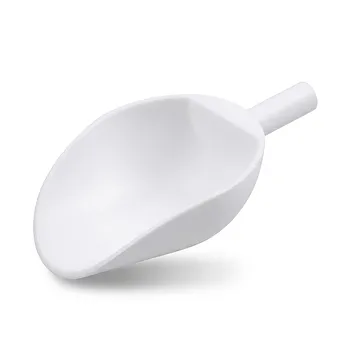
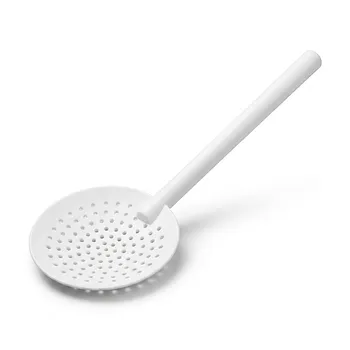
- PTFE Shovel Pharmaceutical Chemical Material Shovel Strong Corrosion Resistant 1m Handle
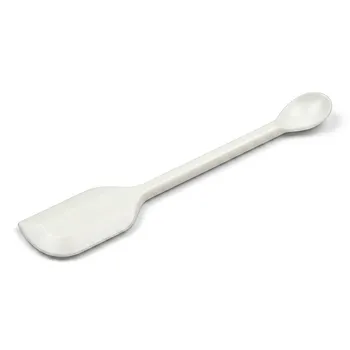
- Custom PTFE Scraper Shovel and Sampling Spoon Dual Use Corrosion Resistant Low Background White Fluoropolymer Tool
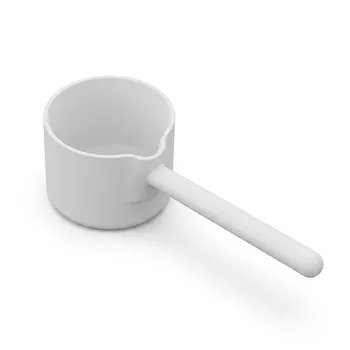
- Corrosion Resistant PTFE Pharmaceutical Scoop Non Stick Bio-Pharmaceutical Material Shovel for High Purity Chemical Handling
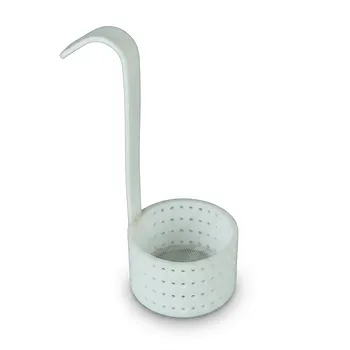
- Customized PTFE Sampling Scoop Corrosion Resistant High Purity Low Background Chemical Pharmaceutical Laboratory Shovel
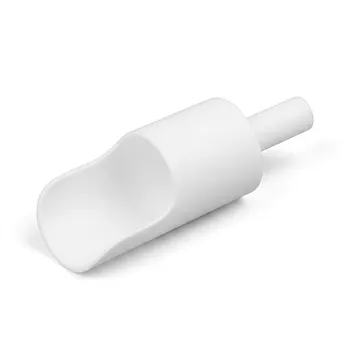
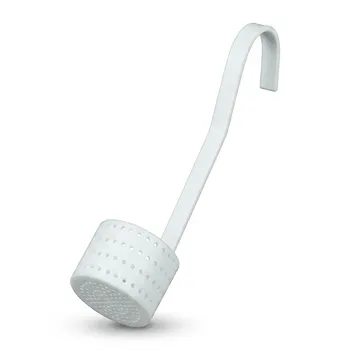
- Custom PTFE Pharmaceutical Sampling Scoop Low Leaching Cylindrical Chemical Powder Sampler Zero Contamination High Purity Laboratory Shovel
People Also Ask
- What are the advantages of PTFE shovels over metal shovels? Precision Handling for Sensitive Materials
- What are some specific applications of PTFE shovels in the laboratory? Ensure Sample Purity and Safety
- What are the key properties that make PTFE shovels ideal for laboratory use? Ensure Sample Integrity with Chemically Inert Tools
- What are the advantages of PTFE shovels in terms of chemical resistance? Unmatched Inertness for Handling Corrosives
- How does the durability of PTFE shovels compare to plastic shovels? Discover the Superior Choice for Harsh Conditions