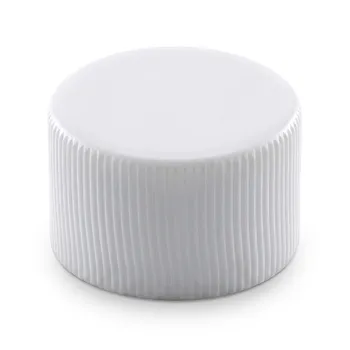
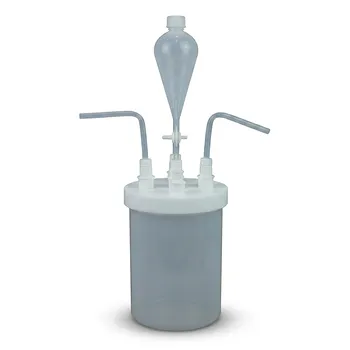
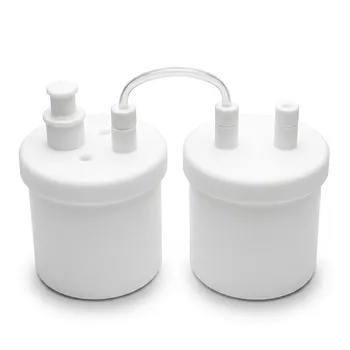
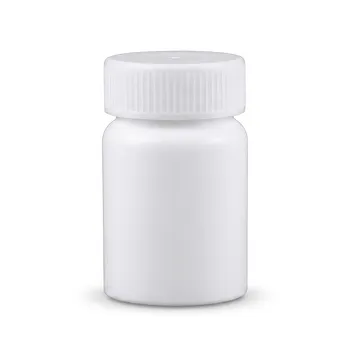
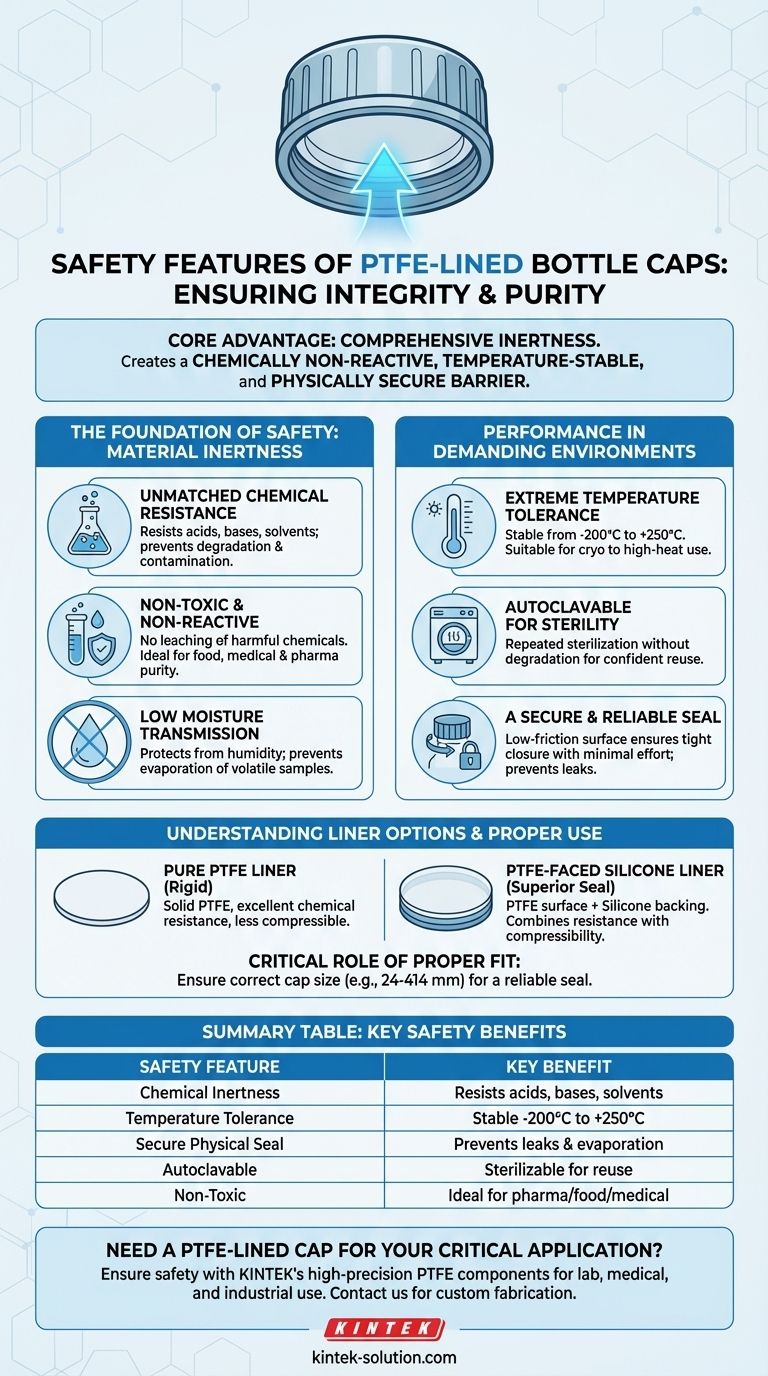
The primary safety features of PTFE-lined bottle caps are rooted in the material's fundamental properties. PTFE (Polytetrafluoroethylene) is exceptionally non-toxic and chemically inert, meaning it will not react with or leach into the substances it contains. This is reinforced by its high-temperature tolerance and ability to create a secure, physical seal, making it a trusted choice for sensitive laboratory, medical, and food-grade applications.
The core safety advantage of a PTFE liner is its comprehensive inertness. It creates a chemically non-reactive, temperature-stable, and physically secure barrier that protects the integrity of the stored contents from contamination or leakage.
The Foundation of Safety: Material Inertness
The reliability of a bottle cap begins with the material touching the contents. PTFE excels by creating a barrier that is almost universally non-reactive, ensuring the purity of the sample or product.
Unmatched Chemical Resistance
PTFE is highly resistant to a vast range of chemicals, including strong acids, bases, solvents, and other corrosive substances. This prevents the cap liner from degrading, dissolving, or reacting with the contents, which could otherwise lead to contamination or cap failure.
Non-Toxic and Non-Reactive
The material itself is non-toxic and will not leach harmful chemicals into the stored substance. This is a critical safety requirement for applications in the food, medical, and pharmaceutical industries, where sample purity is paramount.
Low Moisture Transmission
A key safety feature is the liner's ability to prevent moisture from entering or exiting the container. This protects sensitive contents from atmospheric humidity and prevents the evaporation of volatile samples.
Performance in Demanding Environments
Beyond chemical stability, a cap's safety is defined by how it performs under physical stress, such as extreme temperatures and repeated use.
Extreme Temperature Tolerance
PTFE liners maintain their integrity across an exceptionally wide temperature range, typically from -200°C to +250°C (-328°F to +482°F). This allows them to be used safely for everything from cryogenic storage to high-heat applications without becoming brittle or melting.
Autoclavable for Sterility
These caps can be repeatedly sterilized via autoclaving without degrading. This is a crucial safety feature in laboratory and medical settings, as it allows for confident reuse while eliminating the risk of cross-contamination.
A Secure and Reliable Seal
The low-friction, non-stick surface of PTFE allows the cap to be screwed on tightly with minimal effort, creating a secure seal that prevents leaks. This same property also ensures the cap can be opened easily without sticking or seizing.
Understanding Liner Options and Proper Use
While PTFE provides the core safety benefits, the construction of the liner and the fit of the cap are equally important for ensuring a reliable seal.
Pure PTFE vs. PTFE-Faced Liners
A solid PTFE liner is rigid. More commonly, caps use a PTFE-faced silicone liner. This construction combines the superior chemical resistance of a thin PTFE layer with the compressibility and elasticity of a silicone backing, creating a more resilient and airtight seal.
The Critical Role of Proper Fit
The most advanced liner is useless if the cap does not fit the container correctly. Using the right cap size, such as a common 24-414 mm thread, is essential for safety. An improper fit will compromise the seal and lead to leaks, regardless of the liner material.
Durability and Inspection
While highly durable and resistant to wear, PTFE liners are not indestructible. For applications involving repeated use, especially after autoclaving, a quick visual inspection for cracks or discoloration ensures the liner's integrity has not been compromised.
Making the Right Choice for Your Application
Selecting the correct cap is a critical safety decision. Your primary goal will determine the most important feature to focus on.
- If your primary focus is storing aggressive chemicals: The unmatched chemical inertness of the PTFE layer is your most critical safety feature.
- If your primary focus is high-purity lab samples: The non-toxic, non-leaching property of PTFE is essential to prevent contamination.
- If your primary focus is applications involving sterilization: The liner's ability to withstand repeated autoclaving without degrading ensures sterile, safe reuse.
- If your primary focus is preventing evaporation or leaks: Choose a PTFE-faced silicone liner for a superior, compressible seal.
By understanding these properties, you can confidently select a cap that ensures the integrity and safety of your most critical applications.
Summary Table:
| Safety Feature | Key Benefit |
|---|---|
| Chemical Inertness | Resists acids, bases, solvents; prevents contamination/leaching |
| Temperature Tolerance | Stable from -200°C to +250°C; suitable for cryogenic to high-heat use |
| Secure Physical Seal | Prevents leaks and evaporation; often PTFE-faced for compressibility |
| Autoclavable | Can be repeatedly sterilized without degrading for safe reuse |
| Non-Toxic | Ideal for pharmaceutical, food, and medical applications |
Need a PTFE-Lined Cap for Your Critical Application?
Ensure the safety and integrity of your sensitive samples, chemicals, or products. KINTEK specializes in manufacturing high-precision PTFE components, including seals, liners, and custom labware.
We serve the semiconductor, medical, laboratory, and industrial sectors, offering custom fabrication from prototypes to high-volume orders. Our commitment to precision production guarantees a reliable, chemically inert seal for your most demanding environments.
Contact KINTEK today to discuss your specific requirements and get a quote!
Visual Guide
Related Products
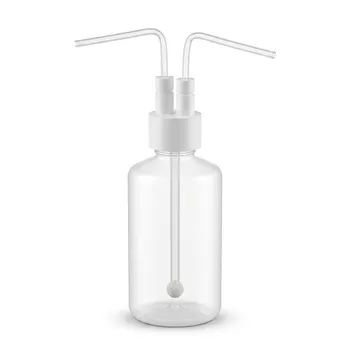
- Custom PTFE Gas Washing Bottle Cap Multi Port Reaction Lid Corrosion Resistant High Sealing Laboratory Fluoropolymer Closure
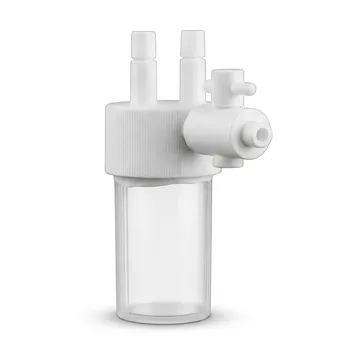
- Custom PTFE Reaction Lid with Integrated Valve and Fitting Corrosion Resistant No Leaching PFA FEP Bottle Cap System
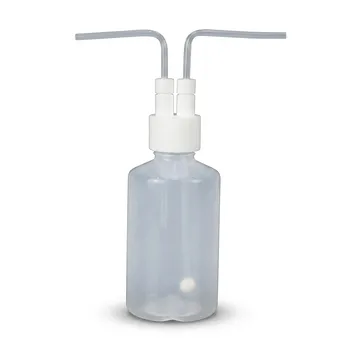
- Custom PTFE Multi Port Reaction Bottle Caps Corrosion Resistant High Purity GL32 GL45 Laboratory Closures
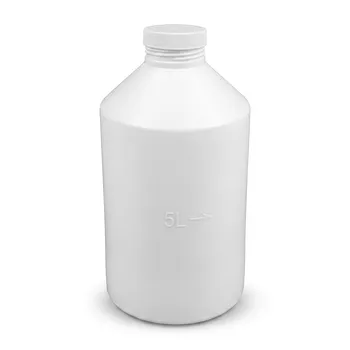
- Large Capacity 5L PTFE Storage Tank and Custom Reagent Bottle Corrosion Resistant Leakproof Screw Seal Laboratory Container with PTFE Cap
- Custom PTFE Sealing Caps and Corrosion Resistant Low Background Teflon Adapters
People Also Ask
- What material grades are available for PTFE caps? Choose the Right Grade for Purity or Performance
- What are the electrical insulation properties of PTFE caps? Superior Dielectric Performance for Demanding Applications
- What are the specialized types of PTFE caps and their uses? Ensure Sample Integrity and Safety
- What are the advantages of PTFE lids for jacketed and process vessels? Achieve Superior Durability & Chemical Resistance
- What are the reusability and durability characteristics of PTFE-lined bottle caps? Engineered for Repeated, Reliable Use