All Questions
What Are The Advantages Of Ptfe Balls Over Metals Or Alloys? Superior Chemical & Friction Resistance
PTFE balls offer extreme chemical inertness, a wide temperature range, and self-lubrication, ideal for corrosive, cryogenic, or high-heat applications.
What Manufacturing Methods Are Used To Produce Custom Ptfe Products? A Guide To Molding And Machining
Learn how custom PTFE parts are made from molding raw resin to final CNC machining, die cutting, or water jet cutting for precise components.
How Do Ptfe Bearing Pads Contribute To Structural Safety And Efficiency? Enhance Structural Integrity With Low-Friction Support
Discover how PTFE bearing pads manage load and movement to prevent stress, enhance seismic resilience, and reduce maintenance in bridges and buildings.
Why Are Ptfe Bearing Pads Essential? Ensure Structural Safety And Longevity With Low-Friction Solutions
Discover why PTFE bearing pads are critical for managing movement in bridges and buildings, offering low friction, high load capacity, and durability.
In Which Types Of Structures Are Ptfe Bearing Pads Commonly Used? Essential For Bridges, Buildings & Stadiums
PTFE bearing pads manage movement & load in bridges, high-rises & stadiums. Learn their role in thermal expansion, seismic safety & load transfer.
What Are The Main Types Of Ptfe Bearing Pads Available? Choose The Right Type For Your Structural Needs
Compare pure, glass-filled, and carbon-filled PTFE bearing pads. Learn their key properties for low friction, compressive strength, and wear resistance.
What Are The Key Properties Of Ptfe That Make It Suitable For Bearing Pads? Achieve Superior Load Management
Discover why PTFE's low friction, chemical inertness, and load-bearing durability make it ideal for high-performance bearing pads in structural engineering.
What Is The Role Of Bearing Pads In Civil Engineering? The Critical Interface For Structural Integrity
Bearing pads safely transfer vertical loads while allowing for thermal expansion, rotation, and seismic movement in bridges and buildings.
How Do Ptfe Sealed Ball Bearings Enhance Riding Performance? Achieve Faster, Longer-Lasting Speed
Discover how PTFE sealed ball bearings reduce friction and block contaminants for superior acceleration, coasting, and durability in any riding condition.
What Advantages Do Ptfe Sealed Ball Bearings Have? Superior Protection, Low Friction & Durability
Explore the key benefits of PTFE sealed ball bearings: superior chemical resistance, low friction, and extended service life for demanding applications.
How Do Ptfe Sealed Ball Bearings Perform In Terms Of Durability? Maximize Lifespan With Superior Sealing
Explore the exceptional durability of PTFE sealed ball bearings, offering unmatched protection against contamination, low friction, and a maintenance-free design.
What Are The Benefits Of Ptfe Sealed Ball Bearings? Achieve Peak Performance With Low Friction & Zero Maintenance
Discover the key benefits of PTFE sealed ball bearings: superior contamination protection, low friction for high efficiency, and a self-lubricating, maintenance-free design.
What Are The Best Practices For Achieving Tight Tolerances In Teflon (Ptfe) Machining? Master Precision For Demanding Applications
Learn essential PTFE machining techniques: sharp tools, thermal management, and annealing to overcome softness and thermal expansion for tight tolerances.
What Tools And Coolants Are Recommended For Machining Teflon (Ptfe)? Achieve Clean, Precise Cuts
Learn the best practices for machining Teflon (PTFE), including sharp carbide or diamond tools and effective coolant strategies for precision and safety.
What Are Common Applications Of Machined Teflon (Ptfe) Parts? Solve Demanding Engineering Challenges
Explore key uses of machined PTFE parts in aerospace, medical, chemical, and electronics industries for chemical resistance, low friction, and insulation.
How Do Different Grades Of Teflon (Ptfe) Affect Machining? A Guide To Material Selection And Tooling
Learn how virgin vs. filled PTFE grades impact tool wear, dimensional stability, and machining strategy for components like seals and liners.
What Are The Main Challenges When Machining Teflon (Ptfe)? Overcome Softness, Heat, And Precision Issues
Learn the key challenges of machining PTFE, including softness, heat sensitivity, and burr formation, and how to achieve precision results.
What Are The Best Machining Techniques For Teflon (Ptfe)? Master Precision For Soft, Sensitive Materials
Discover the best CNC machining techniques for Teflon (PTFE), including turning, milling, and drilling. Learn how to manage softness and heat for precision parts.
What Are The Future Considerations For Machining Teflon? Mastering Material Challenges With Smart Tech
Explore the future of Teflon (PTFE) machining: AI optimization, advanced tooling, and smart manufacturing to overcome thermal expansion and creep.
What Machining Parameters Should Be Adjusted When Working With Teflon? Optimize For Precision & Safety
Learn the critical machining parameters for Teflon (PTFE), including cutting speeds, feeds, and tooling, to prevent deformation and ensure safety.
How Should Teflon Parts Be Handled During Machining To Prevent Deformation? Master The 3-Step Strategy
Learn how to machine Teflon (PTFE) without deformation using proper support, heat management, and freezing techniques for precision results.
What Cooling Methods Are Recommended For Machining Teflon? Achieve Tight Tolerances With Precision Cooling
Discover the best cooling methods for machining Teflon (PTFE), including water-soluble coolants, compressed air, and cryogenic techniques to manage thermal expansion.
What Are The Best Practices For Tool Selection When Machining Teflon? Achieve Precision With The Right Tools
Learn the best practices for machining Teflon (PTFE), including tool selection, geometry, and safety to ensure precision and avoid deformation.
What Are The Key Properties Of Teflon That Affect Its Machining? Master The Challenges For Precision Parts
Learn how Teflon's softness, high thermal expansion, and low thermal conductivity impact machining and how to overcome them for accurate results.
What Issue Can Arise Due To Ptfe's Softness During Machining? Mastering Dimensional Accuracy
Learn how PTFE's softness causes tool chatter, distortion, and tolerance issues during machining and discover best practices for precision.
Why Is Deburring Critical After Machining Ptfe? Ensure Component Integrity And Reliability
Learn why deburring PTFE is essential for sealing performance, preventing contamination, and ensuring long-term reliability in critical applications.
Why Is Chip Clearance Important In Ptfe Machining? Prevent Clogging And Ensure Precision
Learn why effective chip clearance is critical in PTFE machining to prevent heat buildup, dimensional errors, and tool failure for high-quality parts.
What Can Happen If Excess Pressure Is Applied During Ptfe Machining? Avoid Costly Part Failure And Deformation
Learn how excess pressure during PTFE machining causes material deformation, poor tolerances, and part failure. Discover the right techniques for success.
Why Is Maintaining An Effective Cooling System Critical When Machining Ptfe? Prevent Warping & Ensure Accuracy
Learn why proper cooling is essential for machining PTFE to prevent thermal expansion, part warping, and ensure dimensional accuracy and surface finish.
How Can Burr Formation Be Reduced When Machining Ptfe? Achieve Clean, Burr-Free Cuts
Learn the best practices for machining PTFE to eliminate burrs: sharp tools, proper speeds & feeds, and effective heat management for superior results.
What Are The Achievable Tolerances For Teflon Parts? Master Precision Machining For Ptfe
Learn the standard tolerances for machined Teflon (PTFE) parts, the challenges of high precision, and key design considerations.
How Should Ptfe Material Be Supported During Machining? Achieve Precision With Minimal Clamping Pressure
Learn best practices for fixturing PTFE during machining to prevent warping and ensure dimensional accuracy. Explore soft jaws, vacuum fixtures, and custom supports.
What Type Of Machines Are Indispensable For Machining Complex Geometries In Ptfe? The Essential Multi-Axis Cnc Systems
Learn why multi-axis CNC machines are essential for machining complex PTFE parts, including tooling selection and techniques to prevent deformation.
What Machining Technique Is Ideal For Making Round Or Conical Shapes In Ptfe? Use Turning For Precision
Learn why turning is the best method for machining round PTFE parts and how to manage its softness and thermal expansion for accuracy.
Which Machining Techniques Are Suitable For Creating Rough Edges On Ptfe? Master Cnc Milling For Controlled Textures
Learn how to use CNC milling and adjusted parameters like feed rate to create specific, repeatable rough edges on PTFE components for better adhesion.
What Precautions Should Be Taken When Drilling Ptfe? Master Clean, Accurate Holes Every Time
Learn essential PTFE drilling techniques: use sharp tools, control speed to prevent melting, and apply minimal clamping pressure for precise results.
What Safety Precautions Are Needed When Machining Teflon? A Guide To Preventing Toxic Fumes
Learn essential Teflon machining safety steps to prevent toxic fume release above 250°C. Key tips include ventilation, coolants, and sharp tooling.
Why Is Teflon Difficult To Machine To Tight Tolerances? Overcome Material Instability
Learn why Teflon's high thermal expansion and stress creep make tight tolerances a challenge, and how to design for success.
How Should Cooling Be Managed During Teflon Machining? Prevent Warping & Ensure Precision
Learn key cooling methods like water-soluble coolants and compressed air to manage heat in Teflon machining, preventing warping and ensuring dimensional accuracy.
What Are The Recommended Tools For Cnc Machining Teflon? Achieve Clean, Precise Cuts
Discover the best CNC tools for Teflon (PTFE), including sharp carbide cutters and strategies to minimize heat and deformation for superior results.
What Are Common Industrial Applications Of Machined Teflon Parts? Solve Friction, Chemical & Electrical Challenges
Discover how machined Teflon (PTFE) parts provide critical solutions for seals, bearings, and insulators in harsh chemical, high-purity, and high-temperature environments.
What Are Some Tips For Successful Teflon Machining? Master Precision Cuts For Ptfe Components
Learn expert tips for machining Teflon (PTFE), including tool selection, temperature control, and workpiece support to achieve precise, clean results.
What Cnc Machining Techniques Are Suitable For Teflon (Ptfe)? Master Precision With Specialized Methods
Learn the best CNC techniques for Teflon (PTFE), including milling, turning, and drilling, plus key strategies for sharp tooling, cooling, and workholding.
What Are The Main Challenges In Machining Teflon (Ptfe)? Overcome Softness, Heat, And Slipperiness
Learn the key PTFE machining challenges: material softness, low friction, and heat sensitivity. Discover strategies for precision and safety.
Why Is Virgin Ptfe Preferred For Custom Parts? Unmatched Purity For Critical Applications
Learn why virgin PTFE's 100% pure composition ensures superior chemical inertness, electrical insulation, and biocompatibility for custom parts.
What Are The Benefits Of Cnc Machining For Custom Ptfe Applications? Achieve Unmatched Precision & Performance
Discover how CNC machining unlocks PTFE's full potential for custom seals, bushings & insulators in demanding semiconductor, medical & industrial applications.
What Aerospace Applications Utilize Teflon Plastic Sheets? Critical Components For Extreme Environments
Explore how Teflon (PTFE) sheets are used in aerospace for seals, insulation, and bearings, providing reliability in extreme conditions.
What Role Do Teflon Plastic Sheets Play In Food Processing? Solve Stickiness & Boost Efficiency
Discover how Teflon (PTFE) sheets enhance food processing with non-stick surfaces, high heat resistance, and food safety for better efficiency and product quality.
How Are Teflon Plastic Sheets Used In The Electronics Industry? For High-Performance Insulation & Protection
Discover how Teflon (PTFE) sheets provide critical electrical insulation, chemical resistance, and low friction for reliable electronics in demanding applications.
What Makes Teflon Plastic Sheets Versatile Across Industries? The Ultimate High-Performance Solution
Discover why Teflon (PTFE) sheets are indispensable. Learn about their extreme chemical resistance, wide thermal stability, low friction, and biocompatibility.
How Does Cnc Machining Contribute To Cost-Efficiency In Ptfe Part Manufacturing? Achieve Precision And Reduce Waste
Discover how CNC machining reduces material waste, eliminates rework, and ensures precision for cost-effective PTFE components in demanding industries.
What Advantages Do Custom Ptfe Parts Offer For Industrial Efficiency? Boost Uptime & Cut Costs
Discover how custom PTFE parts enhance industrial efficiency with superior chemical resistance, low friction, and thermal stability for demanding applications.
How Are Custom Ptfe Parts Used In The Automotive Sector? Enhance Vehicle Performance & Durability
Explore how custom PTFE seals, bushings, and gaskets improve fuel efficiency, durability, and reliability in demanding automotive systems.
How Does The Versatility Of Teflon Plastic Sheets Benefit Different Industries? Solve Complex Engineering Challenges
Discover how Teflon's chemical resistance, thermal stability, and low friction enhance durability, safety, and efficiency across industries like semiconductor, medical, and food processing.
How Is Cnc Machining Used With Teflon Plastic Sheets For Industrial Applications? Achieve High-Performance Custom Parts
Discover how CNC machining creates precise Teflon (PTFE) seals, gaskets, and insulators for demanding industries like semiconductor and medical.
How Do The Low Friction Properties Of Teflon Plastic Sheets Enhance Industrial Performance? Reduce Wear & Boost Efficiency
Discover how Teflon's low friction slashes maintenance costs, extends equipment life, and improves energy efficiency in demanding industrial applications.
What Are Some Practical Applications Of Teflon Sheets In High-Temperature Industries? Solve Heat, Friction, And Corrosion Challenges
Discover how Teflon (PTFE) sheets provide heat resistance, non-stick surfaces, and chemical inertness for aerospace, automotive, and industrial applications.
How Does The Heat Resistance Of Teflon Plastic Sheets Benefit High-Temperature Applications? Ensure Unmatched Stability And Reliability
Discover how Teflon (PTFE) sheets maintain dimensional stability & chemical inertness up to 260°C, ideal for seals, gaskets, and precision components.
What Are The Advantages Of Teflon Sheets? Superior Performance In Harsh Environments
Discover why Teflon (PTFE) sheets outperform rubber and metals with superior chemical resistance, high-temperature stability, and a non-stick surface.
How Does The Chemical Resistance Of Teflon Plastic Sheets Benefit Industrial Applications? Ensure Unmatched Reliability In Harsh Environments
Discover how Teflon (PTFE) sheets provide superior chemical resistance, protecting equipment and ensuring purity in demanding industrial processes.
What Are The Key Properties That Make Teflon Plastic Sheets Suitable For Industrial Applications? Unlock Unmatched Performance
Explore Teflon's key industrial properties: extreme thermal stability, chemical inertness, low friction, and non-stick capabilities for demanding applications.
What Capabilities Exist For Manufacturing Ptfe With Different Methods? A Guide To Polymerization And Fabrication
Explore PTFE manufacturing methods: suspension & dispersion polymerization, compression molding, sintering, and machining for custom parts.
How Does Sintering Affect The Properties Of Ptfe? Control Crystallinity For Hard Or Flexible Parts
Learn how the sintering cooling rate determines PTFE's final properties. Slow cooling creates hard, wear-resistant parts; fast cooling yields flexible, high-flex-life components.
What Role Does Thermal History Play In The Processing Of Ptfe? Master Heat Control For Superior Components
Learn how PTFE's thermal history during sintering and machining dictates crystallinity, hardness, flexibility, and dimensional accuracy.
Why Is Compression Molding Preferred For Certain Ptfe Applications? For Superior Seals And Machinable Stock Shapes
Learn why PTFE's high melt viscosity makes compression molding the ideal process for creating dense, strong seals and stock shapes for machining.
What Are The Differences Between Isostatic And Compression Molding For Ptfe? Choose The Right Method For Your Component
Learn the key differences between isostatic and compression molding for PTFE parts, including impact on material properties like isotropy vs. anisotropy.
How Does The Method Of Ptfe Molding Affect The Performance Of The Parts Produced? Choose The Right Process For Optimal Strength.
Learn how compression vs. isostatic PTFE molding creates directional vs. uniform strength, impacting performance in seals, labware, and machined components.
How Does Carbon Filler Cause Corrosion When Combined With Aluminum? Understanding Galvanic Corrosion Risks
Learn how carbon filler triggers galvanic corrosion in aluminum assemblies and discover effective prevention strategies like anodizing.
Do Lubricating Agents Impact Particle Generation In Ptfe? Yes, And Here's How To Control It.
Learn how internal and external lubricants affect PTFE particle generation. Discover strategies for minimizing contamination in sensitive applications.
Are Fibrous Fillers Better Than Particulate Fillers In Ptfe? Optimize Your Ptfe Component Performance
Learn the key differences between fibrous and particulate PTFE fillers for wear resistance, compressive strength, and cost-effectiveness in your application.
Are Ptfe Filler Specifications Typically By Weight Or Volume? Unlock The Key To Material Performance
Learn why PTFE fillers are specified by weight but performance is driven by volume. Make informed decisions for your components.
What Advantages Does Ptfe Offer As An Engineering Plastic In Cnc Machining? Unlock Superior Performance For Extreme Environments
Discover the key benefits of CNC machined PTFE components, including chemical inertness, low friction, and high thermal stability for demanding applications.
How Can Rough Edges Be Avoided When Cnc Turning Teflon Parts? Master Sharp Tools, Coolant, And Feed Rates
Learn the essential CNC turning techniques for Teflon (PTFE) to prevent rough edges, including tool selection, coolant use, and optimal feed rates.
What Are Common Applications Of Teflon Machined Parts? Seals, Bearings & Insulators For Demanding Industries
Explore the key uses of Teflon (PTFE) parts in aerospace, medical, and chemical industries for seals, bearings, and electrical insulators.
Are Teflon Parts Capable Of Withstanding High Temperatures? Understanding The 260°C Limit For Performance
Learn about Teflon's (PTFE) high-temperature resistance up to 260°C, its molecular stability, and key design considerations for reliable performance.
Why Are Multi-Axis Machines Recommended For Teflon Cnc Machining? Solve Deformation & Heat Issues
Learn how multi-axis CNC machining overcomes Teflon's softness and poor thermal conductivity for superior precision and surface finish.
What Are The Most Suitable Ptfe Grades For Cnc Machined Parts? Achieve Optimal Performance And Durability
Compare Virgin, Glass-filled, Carbon-filled & Bronze-filled PTFE grades for CNC machining. Choose the right material for chemical, mechanical, or electrical applications.
What Are The Temperature Limits For Ptfe In Machining Applications? Managing Thermal Expansion For Precision Parts
Learn the real challenge of machining PTFE: managing thermal expansion from -200°C to +260°C to ensure dimensional accuracy and part stability.
How Does Ptfe's Electrical Insulation Property Benefit Electronic Components? Ensure Reliability And Signal Integrity
Discover how PTFE's high dielectric strength, low dielectric constant, and thermal stability protect and enhance the performance of electronic components.
What Are The Advantages Of Multi-Axis Cnc Machines For Ptfe Machining? Achieve Superior Precision For Complex Parts
Discover how multi-axis CNC machining solves PTFE's softness and heat sensitivity challenges, enabling single-setup production of intricate, high-tolerance components.
How Can Burr Formation Be Minimized In Ptfe Machining? A Guide To Clean, Accurate Parts
Learn how to minimize PTFE burrs with sharp tools, high speeds, slow feeds, and proper cooling for superior surface finish and dimensional accuracy.
What Are The Key Considerations For Fixturing Ptfe During Machining? Master Soft Material Handling For Precision
Learn how to fixture PTFE correctly by managing its softness, thermal expansion, and creep to achieve tight tolerances and avoid part deformation.
What Role Does Coolant Play In Ptfe Machining? Master Thermal And Chip Management For Precision Parts
Discover why coolant in PTFE machining is critical for heat dissipation and chip evacuation to ensure dimensional stability and superior surface finish.
What Are The Benefits Of Using Ptfe In Medical Implants? Achieve Superior Biocompatibility & Performance
Explore the key benefits of PTFE for medical implants, including exceptional biocompatibility, chemical inertness, low friction, and long-term reliability.
Why Is Lubrication Important In Ptfe Machining? Master Heat Control For Precision Parts
Learn why lubrication is critical for controlling heat in PTFE machining to ensure dimensional accuracy, improve surface finish, and extend tool life.
What Are The Common Challenges In Machining Intricate Ptfe Components? Overcome Material Instability & Burrs
Learn how to manage PTFE's high thermal expansion, burr formation, and tool wear to achieve precise, intricate components for demanding applications.
What Post-Processing Techniques Are Used For Ptfe Parts? Achieve Peak Performance & Reliability
Learn the essential PTFE post-processing techniques like deburring and polishing to ensure your components meet exact quality and performance standards.
How Does Thermal Expansion Affect Ptfe Machining? Master Heat Management For Dimensional Accuracy
Learn how PTFE's high thermal expansion and low conductivity cause machining errors, and discover key strategies for maintaining precise tolerances.
What Should Be Considered When Selecting A Cnc Machining Service For Ptfe? Key Factors For Precision Parts
Expert guide to choosing a PTFE CNC machining service. Learn about thermal management, tooling, tolerances, and certifications for high-quality parts.
What Industries Commonly Use Machined Ptfe Parts? Key Applications In Aerospace, Medical, And Semiconductor
Discover how industries like aerospace, medical, and semiconductor use machined PTFE parts for chemical resistance, high-temperature stability, and electrical insulation.
What Are The Best Practices For Achieving Tight Tolerances In Ptfe Machining? Master Control Over Material Instability
Learn key PTFE machining practices for tight tolerances: sharp tooling, thermal management, and stress-relief annealing to overcome expansion and creep.
How Can Deformation Of Ptfe During Machining Be Minimized? Master Precision With Sharp Tools & Thermal Control
Learn proven strategies to prevent PTFE deformation during machining: sharp tools, proper cooling, and secure fixturing for precise results.
What Tools Are Recommended For Machining Ptfe? Achieve Precision Cuts With Sharp, Uncoated Tooling
Learn the best tooling for machining PTFE, including carbide and HSS cutters, to prevent heat buildup and material deformation for clean results.
Why Is Ptfe Considered Challenging To Machine? Overcoming Its Unique Material Properties
Discover why PTFE's softness, thermal expansion, and slipperiness make it difficult to machine and how to achieve precision parts.
Why Is Cnc Machining Suitable For Custom Teflon Parts? Achieve Precision For Demanding Applications
Discover how CNC machining overcomes Teflon's unique challenges to create precise, complex, and reliable custom PTFE components for critical industries.
What Tools And Techniques Are Recommended For Machining Ptfe? Achieve Precision And A Clean Finish
Learn the best practices for machining PTFE, including tool selection, speeds and feeds, and techniques to manage heat and deformation for accurate parts.
What Challenges Arise When Machining Ptfe (Teflon)? Overcome Softness, Heat, And Instability
Learn the key challenges of machining PTFE, including softness, thermal expansion, and low friction, and discover expert strategies for success.
What Makes Ptfe Suitable For Custom Industrial Parts? Discover The Ideal Material For Harsh Environments
Learn why PTFE's chemical inertness, low friction, and high machinability make it the top choice for custom seals, liners, and components in demanding industries.
What Temperature Range Can Teflon Plastic Sheets Withstand? Unlocking Performance From -200°C To +260°C
Learn the full temperature range of Teflon (PTFE) sheets, from -200°C to +260°C, and how it maintains chemical inertness & low friction.
What Are The Main Disadvantages Of Machining Teflon/Ptfe? Navigating Material Instability For Precision Parts
Discover the key challenges of machining PTFE, including creep, thermal expansion, and softness, and learn how to achieve precision results.
Related Products
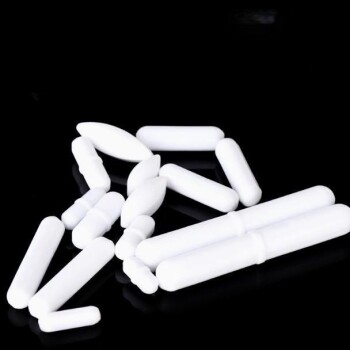
Custom PTFE Teflon Parts Manufacturer PTFE Magnetic Stirring Bar
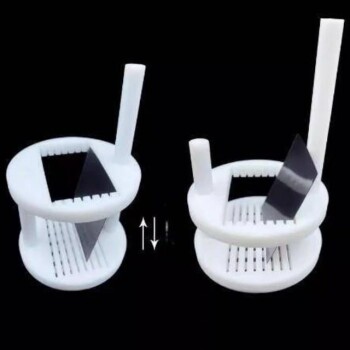
Custom PTFE Teflon Parts Manufacturer Adjustable Height Flower Basket
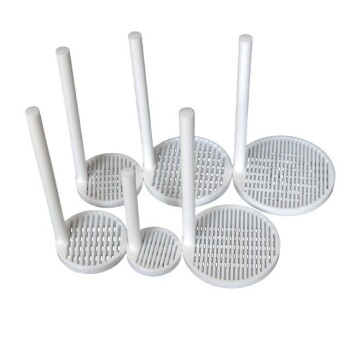
Custom PTFE Teflon Parts Manufacturer PTFE Cleaning Rack
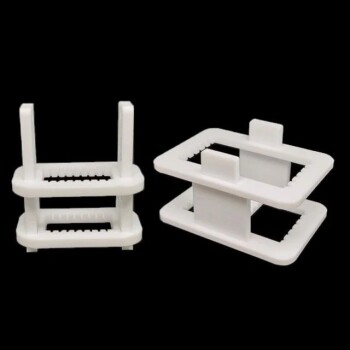
Custom PTFE Teflon Parts Manufacturer Conductive Glass Substrate Cleaning Rack
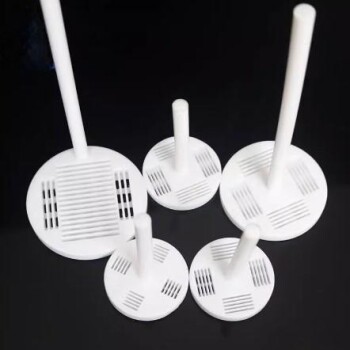
Custom Machined Molded PTFE Teflon Parts Manufacturer for Laboratory ITO FTO Conductive Glass Cleaning Flower Basket