All Questions
What Are Ptfe Oil Seals And What Makes Them Unique? Superior Sealing For Extreme Conditions
Discover the unique properties of PTFE oil seals, including extreme temperature stability, unmatched chemical resistance, and low-friction performance.
What Is A Lip Seal And How Does It Function? A Guide To Reliable Shaft Sealing
Learn how lip seals prevent fluid leaks and block contaminants using a hydrodynamic film for reliable, low-friction sealing in rotating equipment.
What Advantages Does Ptfe Offer As An Engineering Plastic In Cnc Machining? Unlock Superior Performance For Extreme Environments
Discover the key benefits of CNC machined PTFE components, including chemical inertness, low friction, and high thermal stability for demanding applications.
How Can Rough Edges Be Avoided When Cnc Turning Teflon Parts? Master Sharp Tools, Coolant, And Feed Rates
Learn the essential CNC turning techniques for Teflon (PTFE) to prevent rough edges, including tool selection, coolant use, and optimal feed rates.
What Are Common Applications Of Teflon Machined Parts? Seals, Bearings & Insulators For Demanding Industries
Explore the key uses of Teflon (PTFE) parts in aerospace, medical, and chemical industries for seals, bearings, and electrical insulators.
Are Teflon Parts Capable Of Withstanding High Temperatures? Understanding The 260°C Limit For Performance
Learn about Teflon's (PTFE) high-temperature resistance up to 260°C, its molecular stability, and key design considerations for reliable performance.
Why Are Multi-Axis Machines Recommended For Teflon Cnc Machining? Solve Deformation & Heat Issues
Learn how multi-axis CNC machining overcomes Teflon's softness and poor thermal conductivity for superior precision and surface finish.
What Are The Most Suitable Ptfe Grades For Cnc Machined Parts? Achieve Optimal Performance And Durability
Compare Virgin, Glass-filled, Carbon-filled & Bronze-filled PTFE grades for CNC machining. Choose the right material for chemical, mechanical, or electrical applications.
What Are The Temperature Limits For Ptfe In Machining Applications? Managing Thermal Expansion For Precision Parts
Learn the real challenge of machining PTFE: managing thermal expansion from -200°C to +260°C to ensure dimensional accuracy and part stability.
How Does Ptfe's Electrical Insulation Property Benefit Electronic Components? Ensure Reliability And Signal Integrity
Discover how PTFE's high dielectric strength, low dielectric constant, and thermal stability protect and enhance the performance of electronic components.
What Are The Advantages Of Multi-Axis Cnc Machines For Ptfe Machining? Achieve Superior Precision For Complex Parts
Discover how multi-axis CNC machining solves PTFE's softness and heat sensitivity challenges, enabling single-setup production of intricate, high-tolerance components.
How Can Burr Formation Be Minimized In Ptfe Machining? A Guide To Clean, Accurate Parts
Learn how to minimize PTFE burrs with sharp tools, high speeds, slow feeds, and proper cooling for superior surface finish and dimensional accuracy.
What Are The Key Considerations For Fixturing Ptfe During Machining? Master Soft Material Handling For Precision
Learn how to fixture PTFE correctly by managing its softness, thermal expansion, and creep to achieve tight tolerances and avoid part deformation.
What Role Does Coolant Play In Ptfe Machining? Master Thermal And Chip Management For Precision Parts
Discover why coolant in PTFE machining is critical for heat dissipation and chip evacuation to ensure dimensional stability and superior surface finish.
How Does Ptfe's Non-Stick Property Benefit Industrial Applications? Boost Efficiency & Reduce Downtime
Explore how PTFE's non-stick properties reduce wear, prevent contamination, and lower maintenance costs in food, pharma, and chemical industries.
What Are The Benefits Of Using Ptfe In Medical Implants? Achieve Superior Biocompatibility & Performance
Explore the key benefits of PTFE for medical implants, including exceptional biocompatibility, chemical inertness, low friction, and long-term reliability.
Why Is Lubrication Important In Ptfe Machining? Master Heat Control For Precision Parts
Learn why lubrication is critical for controlling heat in PTFE machining to ensure dimensional accuracy, improve surface finish, and extend tool life.
What Are The Common Challenges In Machining Intricate Ptfe Components? Overcome Material Instability & Burrs
Learn how to manage PTFE's high thermal expansion, burr formation, and tool wear to achieve precise, intricate components for demanding applications.
What Post-Processing Techniques Are Used For Ptfe Parts? Achieve Peak Performance & Reliability
Learn the essential PTFE post-processing techniques like deburring and polishing to ensure your components meet exact quality and performance standards.
How Does Thermal Expansion Affect Ptfe Machining? Master Heat Management For Dimensional Accuracy
Learn how PTFE's high thermal expansion and low conductivity cause machining errors, and discover key strategies for maintaining precise tolerances.
What Should Be Considered When Selecting A Cnc Machining Service For Ptfe? Key Factors For Precision Parts
Expert guide to choosing a PTFE CNC machining service. Learn about thermal management, tooling, tolerances, and certifications for high-quality parts.
What Industries Commonly Use Machined Ptfe Parts? Key Applications In Aerospace, Medical, And Semiconductor
Discover how industries like aerospace, medical, and semiconductor use machined PTFE parts for chemical resistance, high-temperature stability, and electrical insulation.
What Are The Best Practices For Achieving Tight Tolerances In Ptfe Machining? Master Control Over Material Instability
Learn key PTFE machining practices for tight tolerances: sharp tooling, thermal management, and stress-relief annealing to overcome expansion and creep.
How Can Deformation Of Ptfe During Machining Be Minimized? Master Precision With Sharp Tools & Thermal Control
Learn proven strategies to prevent PTFE deformation during machining: sharp tools, proper cooling, and secure fixturing for precise results.
What Tools Are Recommended For Machining Ptfe? Achieve Precision Cuts With Sharp, Uncoated Tooling
Learn the best tooling for machining PTFE, including carbide and HSS cutters, to prevent heat buildup and material deformation for clean results.
Why Is Ptfe Considered Challenging To Machine? Overcoming Its Unique Material Properties
Discover why PTFE's softness, thermal expansion, and slipperiness make it difficult to machine and how to achieve precision parts.
What Are The Advantages Of Eptfe's Microporous Structure? Achieve Selective Permeability For Your Product
Discover how ePTFE's microporous structure provides breathability, waterproofing, and chemical resistance for medical, industrial, and consumer applications.
Why Is Eptfe Preferred Over Ptfe In Certain Applications? Unlock Superior Sealing & Filtration
Learn when to choose ePTFE over PTFE for superior conformability, controlled porosity, and strength in demanding sealing, filtration, and medical applications.
What Are The Industrial Applications Of Eptfe? Solve Critical Sealing, Filtration & Medical Challenges
Explore the critical industrial uses of ePTFE material for sealing, filtration, medical implants, and electronics in demanding environments.
What Are The Key Properties Of Eptfe? Unlock Superior Sealing, Filtration & Medical Solutions
Explore the key properties of ePTFE: chemical inertness, thermal stability, microporosity, flexibility, and biocompatibility for demanding applications.
What Is Expanded Ptfe (Eptfe) And How Is It Produced? Unlock Superior Sealing And Insulation
Learn how ePTFE's microporous structure provides unmatched sealing, insulation, and strength for demanding semiconductor, medical, and industrial applications.
Why Is Cnc Machining Suitable For Custom Teflon Parts? Achieve Precision For Demanding Applications
Discover how CNC machining overcomes Teflon's unique challenges to create precise, complex, and reliable custom PTFE components for critical industries.
What Tools And Techniques Are Recommended For Machining Ptfe? Achieve Precision And A Clean Finish
Learn the best practices for machining PTFE, including tool selection, speeds and feeds, and techniques to manage heat and deformation for accurate parts.
What Challenges Arise When Machining Ptfe (Teflon)? Overcome Softness, Heat, And Instability
Learn the key challenges of machining PTFE, including softness, thermal expansion, and low friction, and discover expert strategies for success.
What Are The Advantages Of Using Teflon-Lined Equipment In Chemical Processing? Ensure Purity & Durability
Discover how Teflon-lined equipment provides unmatched chemical resistance, prevents contamination, and extends equipment life in demanding processes.
What Makes Ptfe Suitable For Custom Industrial Parts? Discover The Ideal Material For Harsh Environments
Learn why PTFE's chemical inertness, low friction, and high machinability make it the top choice for custom seals, liners, and components in demanding industries.
How Does Ptfe Benefit The Electronics Industry? Achieve Superior Signal Integrity & Reliability
Explore how PTFE's low dielectric constant, chemical inertness, and thermal stability protect sensitive electronics and ensure high-frequency performance.
What Advantages Does Ptfe Offer In Automotive Applications? Enhance Vehicle Efficiency And Durability
Explore PTFE's low friction, heat resistance, and chemical inertness for superior seals, bearings, and components in automotive systems.
How Is Ptfe Used In The Aerospace Industry? Ensuring Reliability In Extreme Conditions
Explore PTFE's critical role in aerospace for seals, insulation, and low-friction components, providing stability from cryogenic cold to extreme heat.
How Does Teflon's Low Friction Coefficient Benefit Mechanical Systems? Reduce Wear, Save Energy, And Extend Lifespan
Discover how Teflon's low friction coefficient reduces wear, minimizes energy loss, and extends component life in mechanical systems like bearings, seals, and gears.
What Are The Benefits Of Ptfe With Carbon-Graphite? Achieve Superior Wear Resistance And Low Friction
Discover how carbon-graphite filled PTFE enhances wear resistance, thermal conductivity, and chemical resistance for demanding dynamic applications.
What Are The Characteristics Of Polytetrafluoroethylene (Ptfe) With Carbon-Graphite Fill For Aqueous Fluid Media? Enhance Sealing Performance
Explore PTFE with Carbon-Graphite fill: superior wear resistance, wide temperature range, and high chemical compatibility for aqueous media applications.
What Are The Uses Of Polytetrafluoroethylene (Ptfe) With Glass Fill? Boost Wear Resistance & Strength
Learn how glass-filled PTFE enhances wear resistance & compressive strength for hydraulic seals, bearings, and more. Understand the trade-offs.
What Are The Advantages Of Polytetrafluoroethylene (Ptfe) With Graphite Fill? Enhance Wear And Friction Performance
Discover how graphite-filled PTFE improves wear resistance, reduces friction, and maintains chemical inertness for demanding sealing and bearing applications.
What Are The Features Of Polytetrafluoroethylene (Ptfe) With Mineral Fill? Achieve Superior Durability In Demanding Applications
Explore the key features of mineral-filled PTFE, including enhanced wear resistance, FDA compliance, and a wide -250°F to 500°F temperature range.
What Are The Properties Of Standard Polytetrafluoroethylene (Ptfe)? The Ultimate Guide To Its Strengths & Limitations
Explore the key properties of PTFE: extreme chemical inertness, thermal stability (-180°C to 260°C), low friction, and electrical insulation.
What Are The Benefits Of Modified Ptfe With Carbon-Graphite Fill? Achieve Balanced Sealing Performance
Discover the benefits of Modified PTFE with carbon-graphite fill: low friction, wide temperature range, chemical resistance, and gentle wear on mating surfaces.
What Are The Characteristics Of Modified Ptfe With Premium Organic Fill? Superior Wear Resistance Without Abrasion
Discover the key traits of Modified PTFE with Premium Organic Fill: high wear resistance, low metal abrasion, and a wide -400°F to 550°F temperature range.
What Are The Uses Of Polytetrafluoroethylene (Ptfe) With A Proprietary Fill? Enhance Performance For Demanding Applications
Discover how proprietary filled PTFE improves wear resistance, thermal stability, and load capacity for seals, bearings, and more in demanding industries.
What Are The Advantages Of Ptfe With A Proven Inorganic Filler? Maximize Metal Component Lifespan
Discover the key benefits of this PTFE blend: exceptionally low mating metal wear, self-lubrication, and a wide temperature range from -450°F to 550°F.
What Are The Features Of Ptfe With A Proprietary Organic Fill? Protect Soft Metals With Low-Friction Performance
Discover the key features of gold-colored, organically filled PTFE: low mating metal wear, a wide -350°F to 575°F temperature range, and dry-running capability.
What Are The Benefits Of Ptfe With Carbon-Graphite Fill? Superior Wear Resistance In Fluid Applications
Discover the key benefits of carbon-graphite filled PTFE, including superior wear resistance, low friction, and excellent performance in demanding fluid environments.
What Are The Properties Of Modified Polytetrafluoroethylene? Enhanced Performance For Demanding Applications
Discover the key properties of Modified PTFE (mPTFE), including superior wear resistance, improved deformation control, and maintained chemical inertness.
What Are The Characteristics Of Premium-Grade Polytetrafluoroethylene (Ptfe)? A Guide To Extreme Performance
Explore the defining properties of PTFE: unmatched chemical inertness, extreme temperature range, lowest friction, and superior electrical insulation.
What Are Some Applications Of Ptfe Seals? Discover Their Critical Role In Demanding Industries
Explore the key applications of PTFE seals across aerospace, automotive, chemical, medical, and industrial sectors. Learn why PTFE is chosen for its unique properties.
What Are Some Common Fillers Used In Ptfe Seal Materials? Enhance Performance For Your Application
Discover the essential fillers like glass, carbon, and stainless steel that boost PTFE seal performance in demanding industrial applications.
What Are Ptfe Seals Commonly Known As? Discover Teflon® Seals For Extreme Performance
PTFE seals are commonly known as Teflon® seals. Learn how their chemical inertness, temperature resistance, and low friction solve tough sealing challenges.
What Is The Conclusion Regarding Alternative Materials To Teflon? Find The Right Polymer For Your Application
Explore the best alternatives to Teflon (PTFE), including PVDF, UHMW, nylon, and polypropylene, based on your specific mechanical and chemical needs.
What Are Alternative Materials To Teflon/Ptfe And Their Characteristics? Explore Peek & Filled Ptfe
Discover PEEK and filled PTFE as alternatives to Teflon. Compare mechanical strength, chemical resistance, and thermal stability for your application.
What Are The Main Disadvantages Of Machining Teflon/Ptfe? Navigating Material Instability For Precision Parts
Discover the key challenges of machining PTFE, including creep, thermal expansion, and softness, and learn how to achieve precision results.
What Are Common Applications Of Machined Teflon/Ptfe Parts? Solve Extreme Engineering Challenges
Discover how machined PTFE parts provide chemical inertness, low friction, and thermal stability for aerospace, medical, and industrial applications.
What Are The Advantages Of Cnc Machining For Teflon/Ptfe? Achieve High Precision And Consistency
Discover why CNC machining is essential for Teflon/PTFE parts, offering precision, repeatability, and waste reduction for demanding industries.
What Finishing Techniques Are Effective For Machined Teflon Parts? Achieve Functional Performance And Dimensional Stability
Learn the best deburring, polishing & chemical etching techniques for Teflon (PTFE) parts to ensure dimensional accuracy and long-term stability.
How Should Designs Account For Teflon's High Creep Rate? Master Ptfe Design For Long-Term Reliability
Learn key strategies to manage Teflon's creep and cold flow in your designs, ensuring component functionality and durability over time.
What Techniques Help Minimize Material Smearing During Teflon Machining? Achieve Clean, Precise Ptfe Parts
Learn how to prevent Teflon smearing with sharp tools, proper speeds, coolants, and freezing techniques for superior surface finishes and tight tolerances.
Why Is Material Support Important When Machining Teflon And How Is It Achieved? Master Precision Machining For Ptfe
Learn why proper material support is critical for machining Teflon (PTFE) and discover key techniques to prevent deformation and ensure accuracy.
How Should Heat Buildup Be Controlled When Machining Teflon? A Guide To Preventing Warping & Toxic Fumes
Learn key strategies to control heat when machining Teflon (PTFE), including tool sharpness, cooling methods, and speed adjustments to ensure precision and safety.
What Are Key Considerations For Tool Selection When Machining Teflon? Maximize Precision And Prevent Deformation
Learn the essential tool selection criteria for machining Teflon (PTFE), including sharpness, geometry, and friction reduction for superior results.
What Are The Different Machining Processes Suitable For Teflon/Ptfe? Master Precision For Soft Materials
Explore CNC milling, turning, drilling, and specialized methods for machining PTFE. Learn how to manage heat, deformation, and achieve high precision.
What Makes Teflon/Ptfe Unique In Cnc Machining? Master The Challenges For Superior Parts
Discover why PTFE's softness, low friction, and poor heat conductivity require specialized CNC strategies for precision seals, liners, and labware.
Why Is Ptfe Packing Considered A Reliable And Cost-Effective Option? Maximize Uptime & Lower Costs
Discover how PTFE packing's chemical inertness, thermal stability, and low friction deliver superior sealing reliability and a lower total cost of ownership.
What Types Of Ptfe Packing Are Available For Different Needs? Find The Right Seal For Your Application
Explore the types of PTFE packing: pure, lubricated, reinforced, and ePTFE. Learn how to choose based on chemical resistance, pressure, temperature, and speed.
What Are The Benefits Of Ptfe Packing In Various Industries? Enhance Sealing Performance & Reliability
Explore the key benefits of PTFE packing: superior chemical resistance, low friction, and reliability for demanding industrial applications.
What Is The Importance Of Balancing Cost And Performance When Selecting Ptfe Packing? Maximize Uptime & Minimize Total Cost
Learn why selecting PTFE packing based on total cost of ownership, not just price, prevents downtime and saves money long-term.
How Does Ease Of Installation Affect The Choice Of Ptfe Packing? Prioritize Reliability Over Convenience
Learn why PTFE packing selection must prioritize chemical, thermal, and pressure resistance over ease of installation for long-term reliability.
Why Is Compatibility With Equipment Crucial When Selecting Ptfe Packing? Avoid Costly Failures & Downtime
Learn why PTFE packing compatibility is key to preventing seal failure, unplanned downtime, and safety risks in demanding industrial applications.
What Environmental Factors Should Be Assessed When Selecting Ptfe Packing? A Guide To Long-Term Reliability
Learn how to assess moisture, UV light, abrasives, and other environmental factors when selecting PTFE packing for optimal performance and lifespan.
How Does Mechanical Stress Influence The Choice Of Ptfe Packing? Select The Right Construction For Dynamic Seals
Learn how to choose PTFE packing (braided, chevron) based on mechanical stress, vibration, and pressure to ensure a durable, reliable seal in demanding applications.
Why Are Pressure Conditions Important When Choosing Ptfe Packing? Ensure A Reliable Seal For Your System
Learn how pressure dictates PTFE packing selection to prevent leaks and equipment failure. Evaluate static, dynamic forces, and reinforcement needs.
What Role Does Chemical Exposure Play In Selecting Ptfe Packing? The Ultimate Guide To Material Compatibility
Learn how chemical exposure dictates PTFE packing selection. Ensure material compatibility, prevent seal failure, and balance temperature, pressure, and mechanical stress.
How Does Temperature Range Affect The Selection Of Ptfe Packing? Choose The Right Material For Your Application
Learn how temperature extremes impact PTFE packing performance and how to select the correct variant (standard, RPTFE, or stainless steel-filled) for your needs.
What Factors Should Be Considered When Selecting Ptfe Packing? A Guide To Optimal Sealing Performance
Learn the 5 key factors for selecting PTFE packing: chemical compatibility, temperature, pressure, mechanical stress, and equipment fit.
Why Is Selecting The Right Ptfe Packing Important? Ensure Reliable Sealing & Prevent Costly Failures
Learn why choosing the correct PTFE packing is critical for chemical resistance, thermal stability, and mechanical performance in demanding applications.
What Are The Applications Of Ptfe Chevron Packing In The Aerospace Industry? Ensure Reliability In Extreme Conditions
Explore how PTFE chevron packing provides critical sealing for aerospace hydraulic systems, actuators, and valves under extreme pressure and temperature.
How Does Ptfe Chevron Packing Accommodate Pressure Changes? Achieve A Self-Adjusting, Reliable Seal
Learn how PTFE chevron packing's V-ring design uses system pressure to automatically adjust sealing force, ensuring leak-free performance in dynamic applications.
What Are The Temperature Limits For Ptfe Packing Performance? Withstand -200°C To 260°C For Reliable Sealing
Learn the full operational temperature range of PTFE packing, from -200°C to 260°C, and why it excels in extreme thermal and chemical environments.
How Does Ptfe Packing Contribute To Equipment Efficiency And Maintenance? Boost Performance & Reduce Downtime
Discover how PTFE packing's low friction, chemical resistance, and conformability enhance equipment efficiency, extend component life, and cut maintenance costs.
Why Is Ptfe Packing Preferred In The Food And Pharmaceutical Industries? Ensure Purity And Compliance
Discover why chemically inert, non-toxic PTFE packing is essential for maintaining product purity and meeting strict FDA standards in sensitive industries.
What Makes Ptfe Graphite Packing Suitable For High-Temperature Applications? Superior Heat Management For Demanding Seals
Discover how PTFE graphite packing combines PTFE's chemical resistance with graphite's thermal conductivity to excel in high-temperature, high-pressure sealing applications.
How Does Ptfe Gland Packing Differ From Other Ptfe Packing Types? Discover The Right Sealing Solution
Learn the key differences between pure PTFE gland packing and PTFE-impregnated or coated types for optimal chemical resistance and performance.
What Industrial Applications Commonly Use Ptfe Packing? Essential Sealing Solutions For Demanding Industries
Discover the key industrial applications for PTFE packing, including chemical processing, food & beverage, pharmaceutical, and petrochemical sectors.
What Are The Key Advantages Of Using Ptfe Packing? Superior Sealing For Demanding Applications
Discover the key advantages of PTFE packing: unmatched chemical resistance, low friction, and thermal stability for reliable sealing in harsh environments.
What Are The Different Types Of Ptfe Packing Available? Choose The Right Seal For Your Application
Learn about pure PTFE, PTFE/graphite, PTFE/aramid, and Chevron packing types to select the best seal for temperature, pressure, and chemical resistance.
What Is Ptfe Packing And What Are Its Primary Characteristics? Master Sealing For Extreme Conditions
Discover PTFE packing's key traits: extreme chemical resistance, low friction, and wide temperature range for demanding industrial sealing.
What Are The Overall Benefits Of Using Ptfe Expansion Bellows? Prevent Pipe Failure And Reduce Downtime
Discover how PTFE expansion bellows absorb stress, resist chemicals, and enhance safety to prevent pipe failure and reduce maintenance costs in industrial systems.
Why Are Ptfe Expansion Bellows Considered A Cost-Effective Long-Term Investment? Reduce Total Cost Of Ownership
Discover how PTFE expansion bellows' superior durability and low maintenance reduce long-term costs vs. rubber or metal alternatives.
What Are The Weight And Installation Advantages Of Ptfe Expansion Bellows Over Metal Bellows? Achieve Easier, Faster Installation.
PTFE expansion bellows offer significant weight and installation benefits over metal, including lower labor costs and faster project completion.
How Does The Flexibility Of Ptfe Expansion Bellows Compare To Metal Bellows? A Guide To Superior Movement Absorption
Compare PTFE vs. metal bellows for flexibility, chemical resistance, and pressure tolerance. Learn which is best for your piping system's needs.
What Advantages Do Ptfe Expansion Bellows Have Over Metal Bellows In Corrosive Environments? Superior Chemical Resistance For Longer Lifespan
Discover why PTFE bellows outperform metal in corrosive settings. Key benefits include unmatched chemical inertness, flexibility, and lower maintenance costs.
How Does The Durability Of Ptfe Expansion Bellows Compare To Rubber Alternatives? Maximize Lifespan In Harsh Environments
PTFE bellows last 5-10+ years vs. rubber's 2 years. Compare chemical, temperature resistance & total cost of ownership for your application.
Related Products
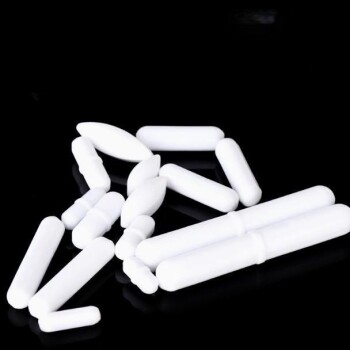
Custom PTFE Teflon Parts Manufacturer PTFE Magnetic Stirring Bar
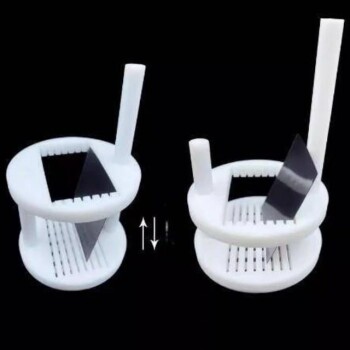
Custom PTFE Teflon Parts Manufacturer Adjustable Height Flower Basket
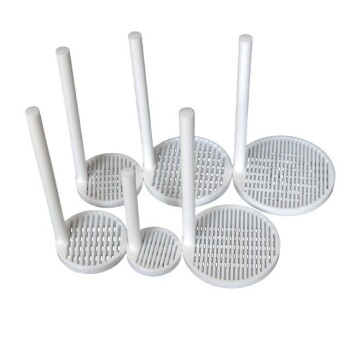
Custom PTFE Teflon Parts Manufacturer PTFE Cleaning Rack
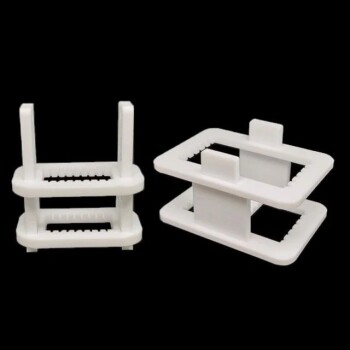
Custom PTFE Teflon Parts Manufacturer Conductive Glass Substrate Cleaning Rack
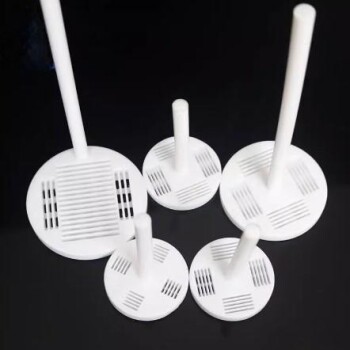
Custom Machined Molded PTFE Teflon Parts Manufacturer for Laboratory ITO FTO Conductive Glass Cleaning Flower Basket